China’s New Hazardous Chemicals Safety Law Takes Effect May 1, 2026
Author
Date Published
Reading Time
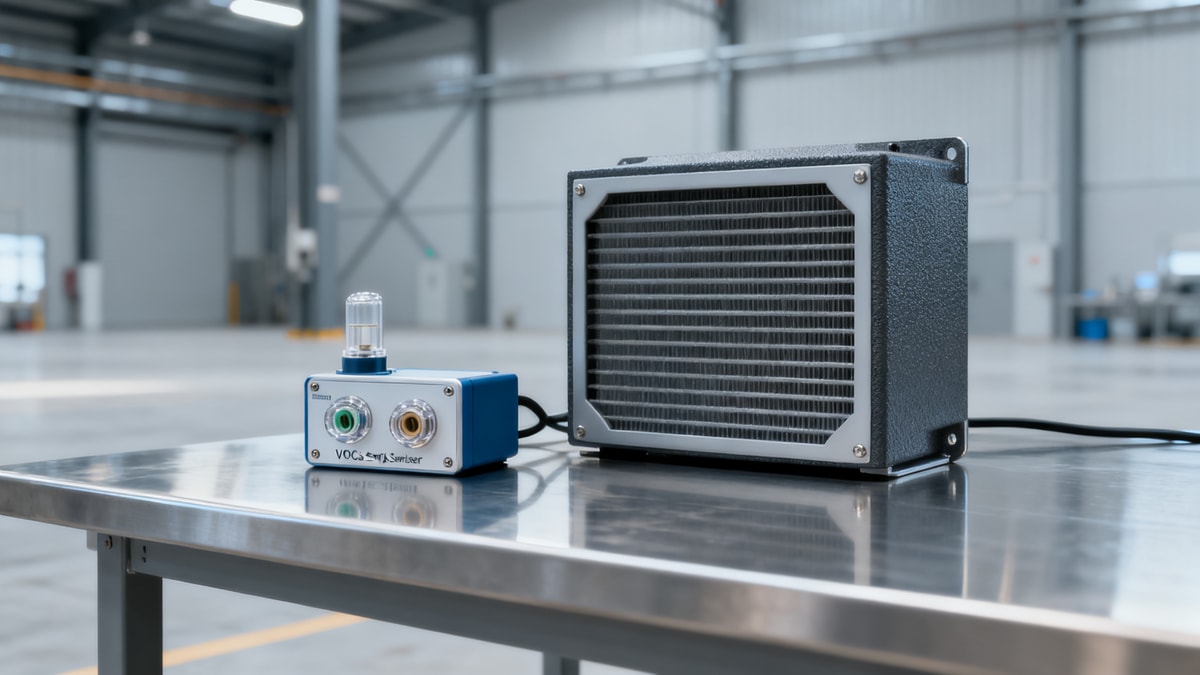
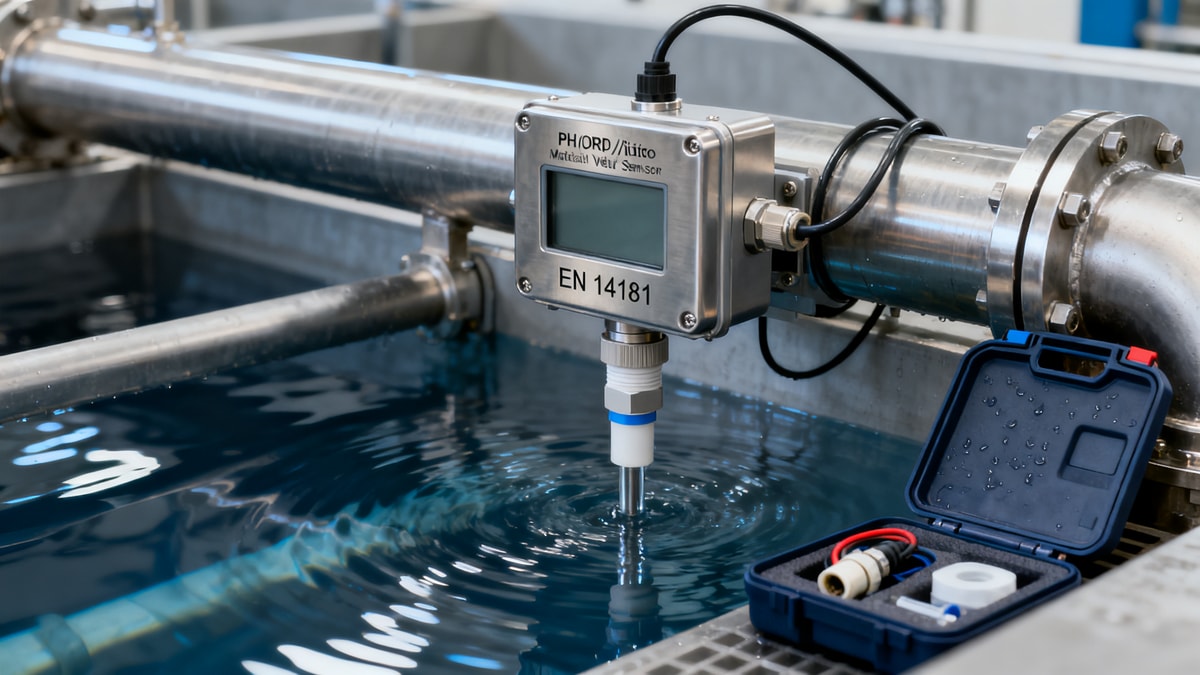
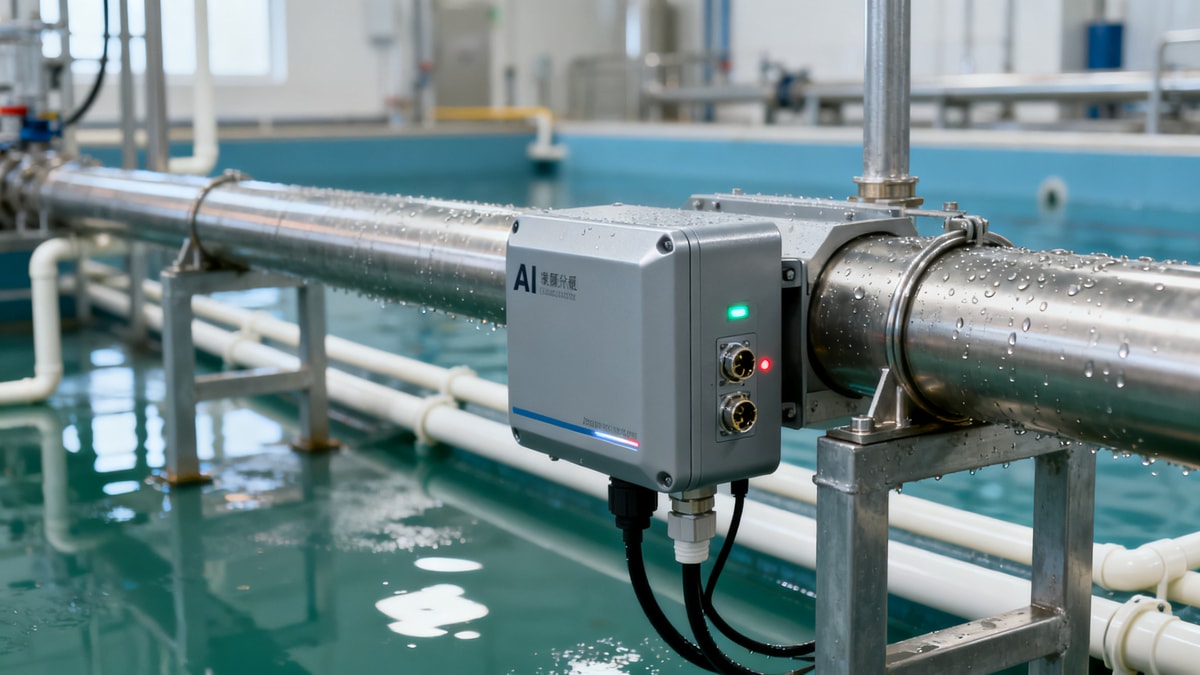
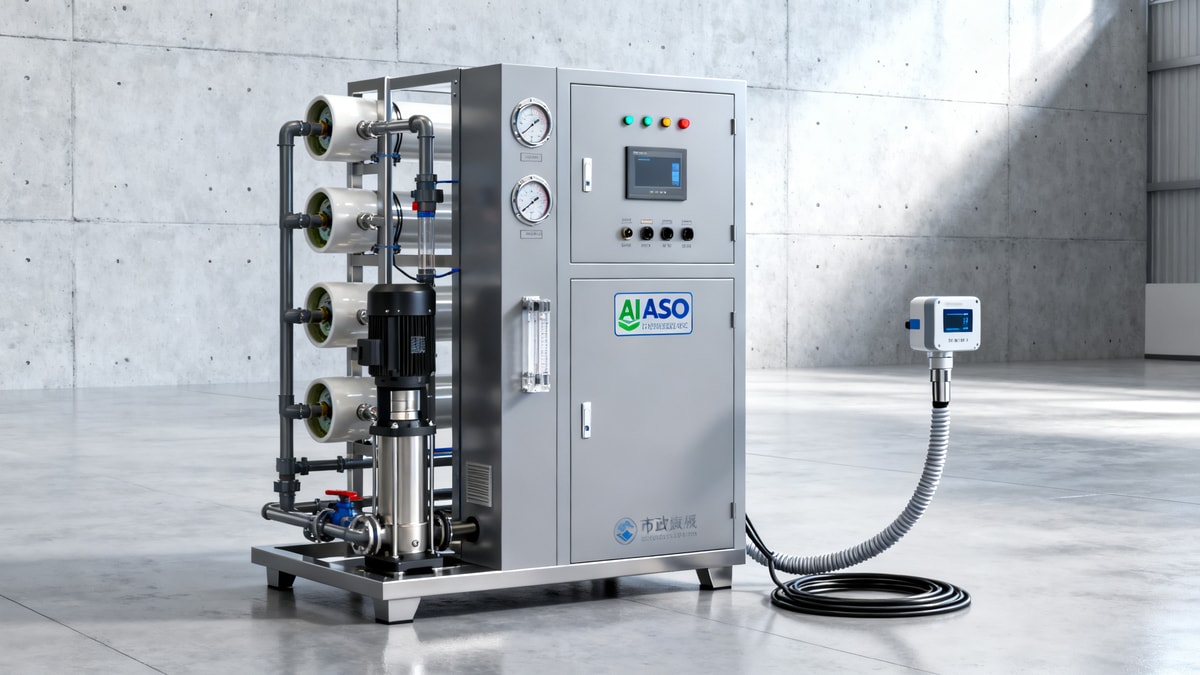
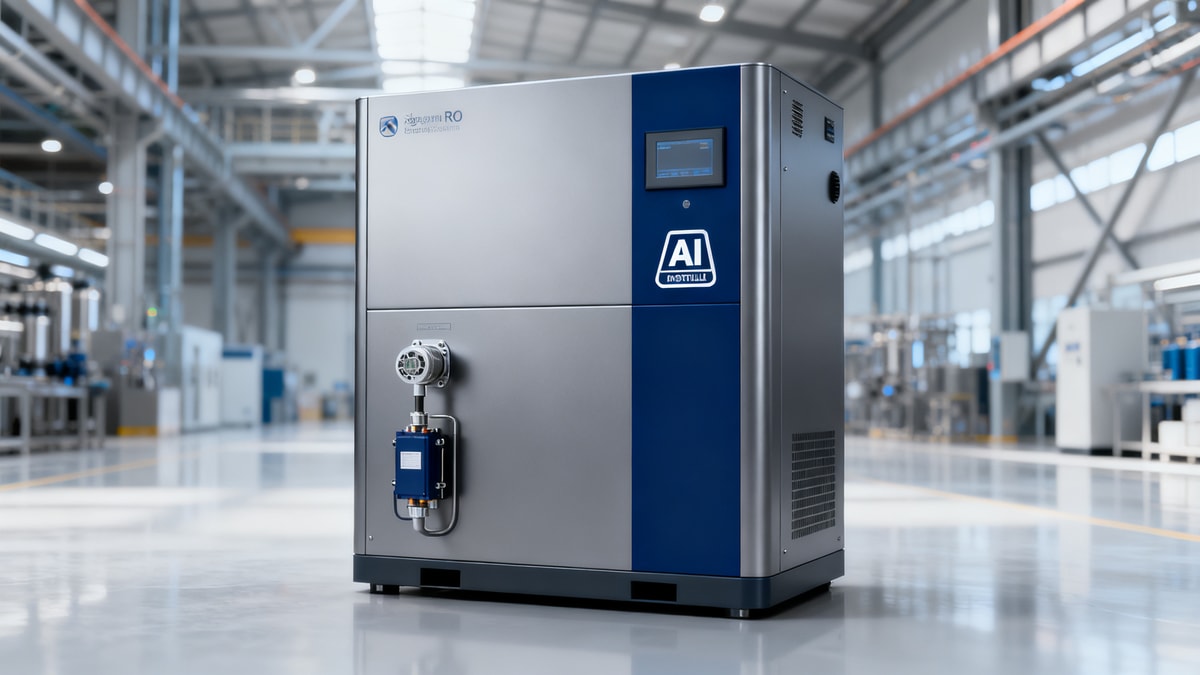
On May 1, 2026, the Hazardous Chemicals Safety Law enters into force in China—marking the first time industrial environmental monitoring and air purification devices containing specific electrolytes, lithium battery modules, or catalytic coatings are formally classified as ‘functional hazardous chemical carriers.’ This change directly affects exporters of water quality sensors and VOCs abatement modules targeting markets in North America, Europe, the Middle East, and Southeast Asia.
Event Overview
The Hazardous Chemicals Safety Law officially takes effect on May 1, 2026. Under the law, certain industrial water quality sensors and VOCs air purification modules—specifically those incorporating designated electrolytes, lithium-based power modules, or catalytic coatings—are newly defined as ‘functional hazardous chemical carriers.’ Exporters must complete hazardous chemical registration with China’s Ministry of Emergency Management prior to shipment and provide both a Safety Data Sheet (SDS) and a UN identification number.
Industries Affected by This Regulation
Direct Exporters and Trade Enterprises
These enterprises face immediate compliance obligations when shipping affected sensor or module products overseas. Registration delays, incomplete SDS documentation, or missing UN numbers may result in customs holds or market access denials—particularly in jurisdictions enforcing strict chemical traceability (e.g., EU REACH, U.S. EPA TSCA).
Manufacturers of Environmental Monitoring & Air Purification Equipment
Producers integrating functional components (e.g., lithium-powered telemetry units, coated catalytic reactors) into their devices must now assess each product variant for hazardous chemical carrier status. This adds new design review, documentation, and certification steps—not just for finished goods, but potentially at subassembly level.
Component Suppliers and Raw Material Procurement Firms
Suppliers providing electrolytes, lithium battery modules, or catalytic coatings may see increased demand for technical specifications and regulatory attestations. Buyers may require formal declarations confirming whether supplied components trigger hazardous chemical carrier classification under the new law.
Logistics and Regulatory Compliance Service Providers
Freight forwarders, customs brokers, and compliance consultants will need updated internal checklists and training to identify affected products. Misclassification risks rise where functional integration (e.g., embedded battery + sensor housing) blurs the line between ‘equipment’ and ‘chemical carrier.’
What Enterprises and Practitioners Should Focus On Now
Monitor official guidance from the Ministry of Emergency Management
Analysis shows that the term ‘functional hazardous chemical carrier’ is newly introduced and lacks publicly available technical criteria or a definitive product list. Enterprises should track forthcoming implementation rules, FAQs, or classification bulletins issued by the Ministry to clarify scope and thresholds.
Identify high-risk product categories and target markets
Observably, products combining sensing functionality with energy storage (e.g., self-powered water quality loggers) or reactive surface chemistry (e.g., ozone-generating VOCs modules) carry higher classification risk. Priority attention should be given to shipments destined for the EU and U.S., where regulatory enforcement and documentation scrutiny are most stringent.
Distinguish policy signal from operational readiness
From an industry perspective, the law’s effective date marks the start of mandatory compliance—but registration capacity, SDS template harmonization, and UN number assignment protocols remain unconfirmed. Companies should treat early May 2026 as a transition window, not an absolute cutoff for documentation readiness.
Initiate internal cross-functional alignment and supplier engagement
Current more suitable preparation includes reviewing BOMs for affected functional elements, initiating SDS drafting with technical teams, and engaging component suppliers to confirm material composition data. Early dialogue with logistics partners on documentation workflows can prevent last-minute shipment bottlenecks.
Editorial Perspective / Industry Observation
This regulation is better understood as a structural signal than an immediate operational barrier. Analysis shows it reflects a broader regulatory shift—from regulating standalone chemicals to governing chemical functionality embedded in industrial equipment. Observably, it aligns with global trends toward extended producer responsibility and lifecycle transparency, particularly in environmental technology sectors. From an industry angle, sustained attention is warranted because classification criteria, enforcement timelines, and interagency coordination (e.g., between emergency management and customs authorities) remain subject to further clarification—and may evolve through pilot enforcement or sectoral consultations.
Conclusion: The entry into force of the Hazardous Chemicals Safety Law on May 1, 2026, introduces a new layer of regulatory accountability for manufacturers and exporters of integrated environmental hardware. It does not ban products, but redefines how certain functional attributes trigger chemical regulatory treatment. Currently, it is more appropriately understood as an evolving compliance framework—one requiring proactive assessment, not reactive crisis management.
Source: Official announcement of the Hazardous Chemicals Safety Law, effective May 1, 2026; Ministry of Emergency Management of the People’s Republic of China. Note: Technical implementation guidelines, product classification lists, and registration procedures remain pending and are subject to ongoing observation.
Technical Specifications
- ILAC Recognizes CNAS Bearing Vibration ReportsAuthor :Heavy Industry Strategist
- ESMA Mandates EN 14181 QA/QC Level 3 for Industrial Water Sensors in UAEAuthor :Environmental Engineering Director
- JIS T 8201-2026 Enforces New Low-Temp Impact Test for Fire Respirator MasksAuthor :Safety Compliance Lead
Expert Insights

Chief Security Architect
Dr. Thorne specializes in the intersection of structural engineering and digital resilience. He has advised three G7 governments on industrial infrastructure security.
Related Analysis
- May 01, 2026ILAC Recognizes CNAS Bearing Vibration ReportsAuthor :Heavy Industry Strategist
- May 01, 2026ESMA Mandates EN 14181 QA/QC Level 3 for Industrial Water Sensors in UAEAuthor :Environmental Engineering Director
- May 01, 2026JIS T 8201-2026 Enforces New Low-Temp Impact Test for Fire Respirator MasksAuthor :Safety Compliance Lead
Core Sector // 01
Security & Safety
- ESMA Mandates EN 14181 QA/QC Level 3 for Industrial Water Sensors in UAEAuthor :Environmental Engineering Director

- SASO Extends AI Water Quality Module Compliance to Oct 2026Author :Environmental Engineering Director

- Egypt SMIIC Enforces Arabic Energy Labeling for Industrial Pumps from May 2026Author :Environmental Engineering Director

- SCFI Hits 21-Month High: Shanghai–LA Freight Surges to $3,920/TEUAuthor :Environmental Engineering Director

- China’s New Hazardous Chemicals Safety Law Takes Effect May 1, 2026Author :Environmental Engineering Director

- SASO Extends AI Water Quality Module Deadline to Oct 2026Author :Environmental Engineering Director

- SASO AI Water Quality Rule Effective July 2026 for Industrial SystemsAuthor :Environmental Engineering Director

- SASO AI Water Quality Rule Effective July 2026Author :Environmental Engineering Director
![]()