SASO Extends AI Water Quality Module Compliance to Oct 2026
Author
Date Published
Reading Time
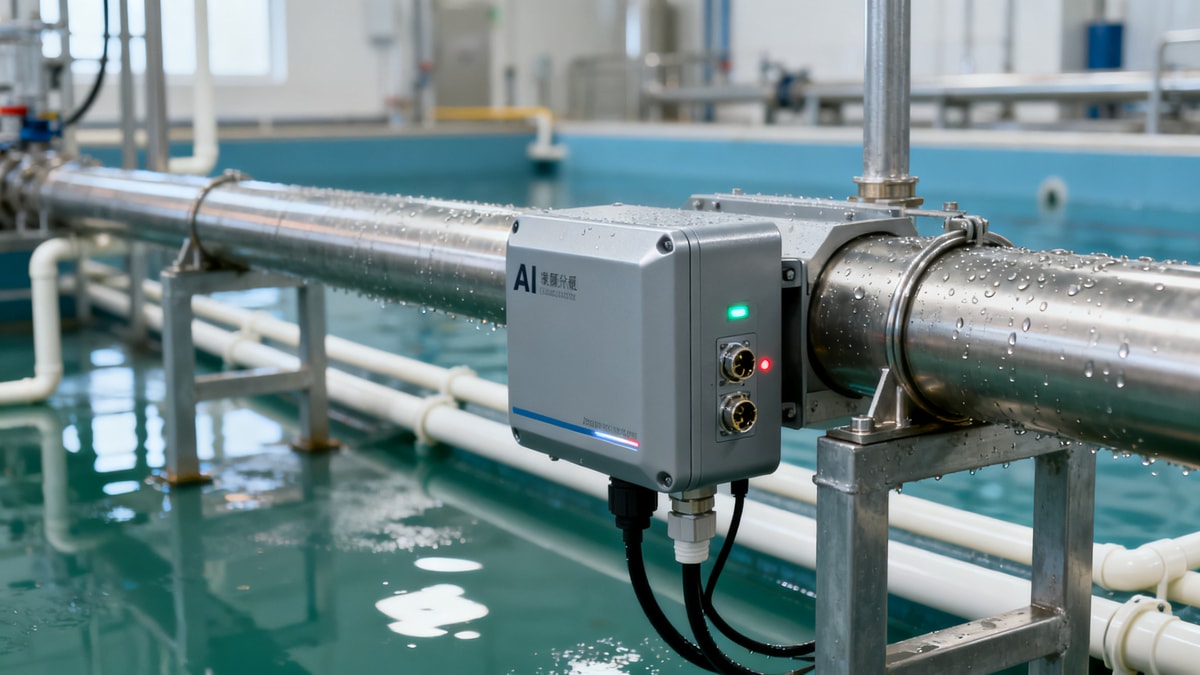
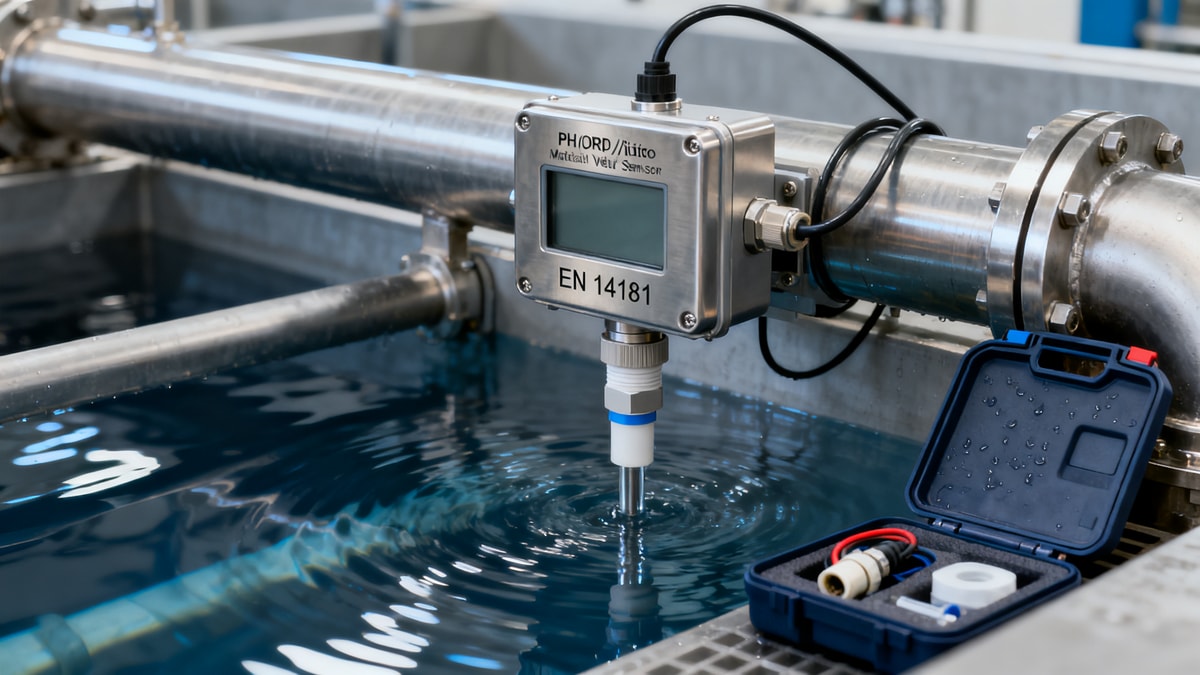
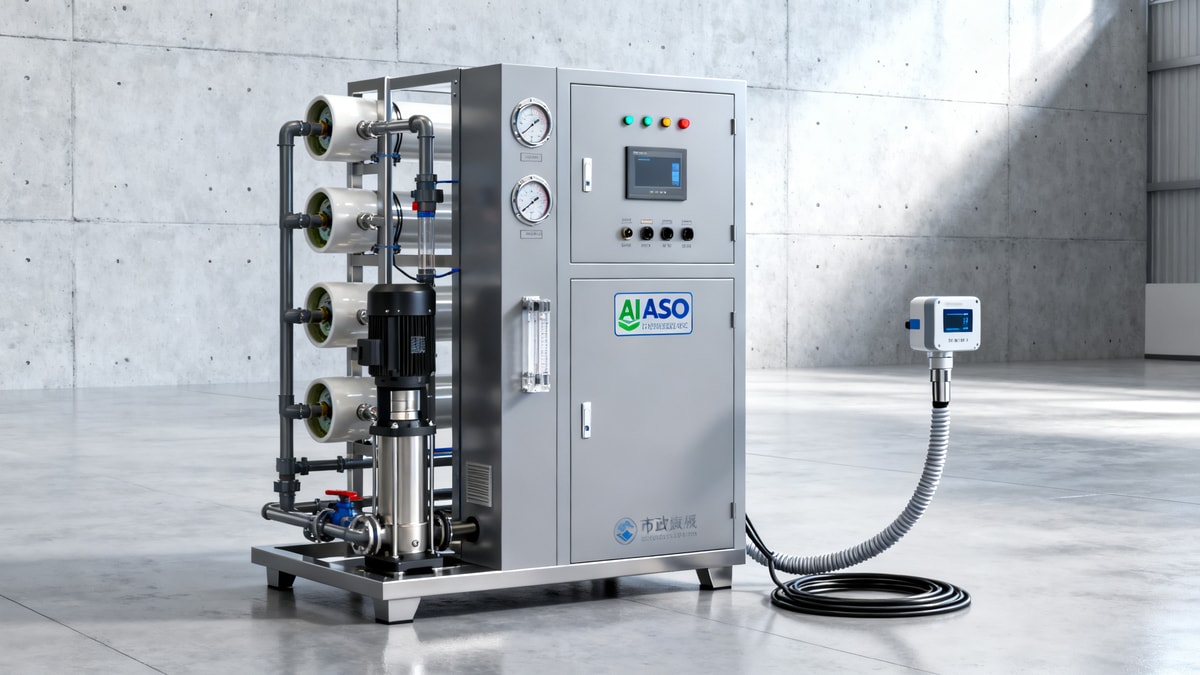
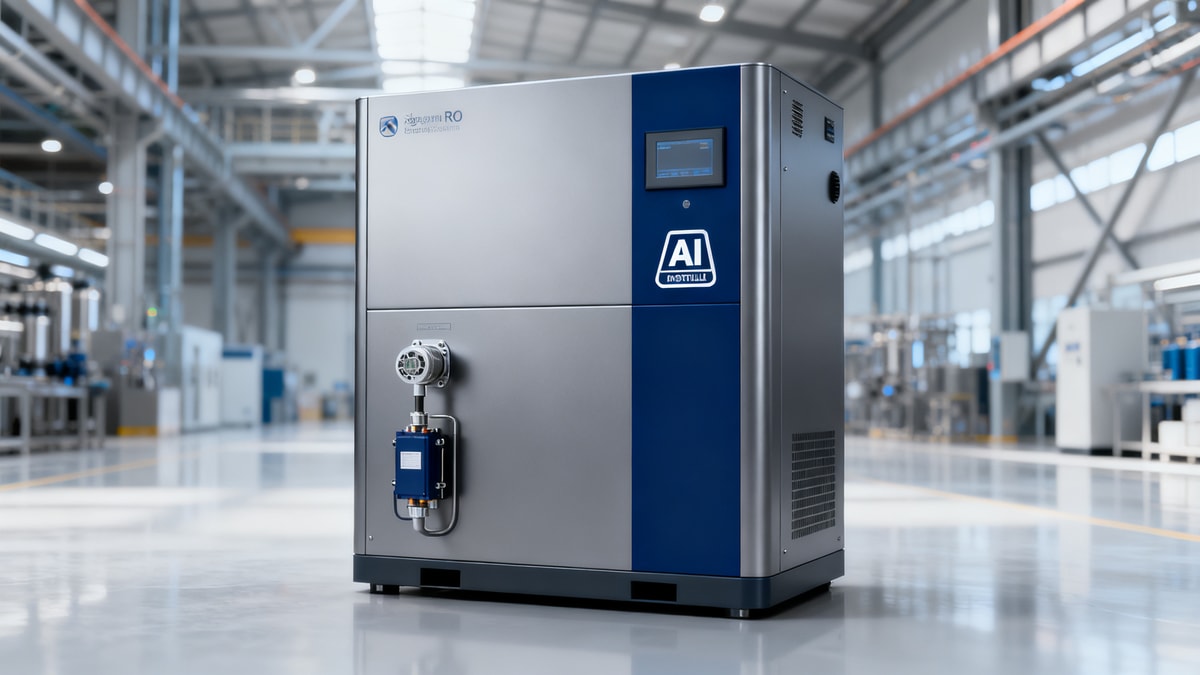
Saudi Standards, Metrology and Quality Organization (SASO) announced on April 29, 2024, a compliance extension for three categories of AI-integrated water treatment equipment—online AI-driven water quality analyzers, smart dosing controllers, and distributed water quality monitoring terminals—allowing them to defer full conformity with SASO 2773:2025 until October 31, 2026. This development is particularly relevant for manufacturers and exporters of water treatment hardware, especially those based in China supplying to the Saudi market, and signals a temporary easing of regulatory pressure during technology adaptation.
Event Overview
On April 29, 2024, SASO issued an official notice confirming that the mandatory SASO IECEE CB certification requirement under technical regulation SASO 2773:2025 will be postponed for three specific product types: (1) AI-powered online water quality analyzers; (2) smart chemical dosing controllers; and (3) distributed water quality monitoring terminals. The new deadline for full compliance is October 31, 2026. No additional conditions, exceptions, or scope clarifications beyond these three categories were stated in the notice.
Industries Affected
Water Treatment Equipment Manufacturers (OEM/ODM)
Manufacturers—especially those in China producing AI-enabled water quality hardware—are directly impacted because SASO 2773:2025 imposes new functional safety, cybersecurity, and data integrity requirements for connected devices. The extension provides additional time to redesign firmware, update documentation, and complete third-party testing without missing shipment windows to Saudi clients.
Export Trading Companies Specializing in Water Infrastructure
Trading firms handling end-to-end export logistics—including documentation, customs classification, and SASO certification coordination—face revised timelines for client deliverables. Their contractual obligations, delivery schedules, and pre-shipment verification workflows must now align with the extended 2026 deadline rather than the original 2025 cutoff.
Aftermarket Service & Integration Providers
Companies offering installation, commissioning, or cloud-based platform integration for smart water systems may encounter delayed project starts or revised tender specifications in Saudi public-sector RFPs. Since SASO’s enforcement delay affects certified device eligibility, integrators must verify whether newly procured units fall within the exempted categories before committing to deployment timelines.
What Enterprises Should Monitor and Do Now
Track official SASO updates on scope definitions and transitional procedures
The April 29 notice does not clarify whether “AI-driven” is formally defined in SASO 2773:2025 annexes, nor does it specify whether firmware-only updates qualify for the extension. Stakeholders should monitor SASO’s website and official gazette for supplementary guidance—particularly any future clarification on what constitutes a covered “module” versus standalone device functionality.
Verify product classification against the three exempted categories
Only devices explicitly matching the three named types—online AI water quality analyzers, smart dosing controllers, and distributed monitoring terminals—are eligible. Products with overlapping functions (e.g., SCADA gateways with embedded analytics) do not automatically qualify. Exporters must cross-check technical descriptions and intended use statements against SASO’s published criteria—not internal marketing labels.
Distinguish between policy signal and enforceable compliance status
This extension is a transitional allowance—not a permanent exemption. Certification bodies and SASO-accredited labs remain authorized to accept applications ahead of 2026. Early applicants may gain competitive advantage in tender evaluations where certified status is weighted, but they must ensure their submissions meet all 2025 edition requirements, including updated cybersecurity annexes.
Adjust supply chain planning for certification lead times
IECEE CB testing and SASO certification typically require 4–6 months. With the final deadline set for October 31, 2026, first-time applicants should initiate lab engagement by Q2 2025 at the latest. Procurement teams should confirm lab capacity availability and allocate budget for potential retesting if initial reports fail to satisfy SASO’s interpretation of AI-related clauses.
Editorial Observation / Industry Perspective
Observably, this extension reflects SASO’s pragmatic approach to balancing regulatory rigor with market readiness—particularly for emerging AI-integrated hardware where global standard alignment remains fluid. Analysis shows the move is less about relaxing standards and more about avoiding disruption to ongoing infrastructure projects in Saudi Vision 2030–aligned water modernization programs. From an industry perspective, it functions primarily as a timing signal: it confirms SASO’s intent to enforce SASO 2773:2025 fully after 2026, making early preparation strategic rather than optional. It is not yet a de facto harmonization with IEC 62443 or ISO/IEC 27001, but it does indicate growing regulatory attention to embedded intelligence in industrial IoT devices.
In summary, the SASO extension does not alter the technical substance of SASO 2773:2025—it only shifts the enforcement timeline for three defined product categories. Its primary significance lies in enabling calibrated planning for exporters and integrators serving the Saudi water sector. Rather than representing regulatory leniency, it better reflects a phased implementation strategy aligned with national digital infrastructure rollout schedules.
Source: Official SASO Notice dated April 29, 2024. Note: Further guidance on module definitions, audit protocols, or potential scope adjustments remains pending and requires continued monitoring.
Technical Specifications
- ILAC Recognizes CNAS Bearing Vibration ReportsAuthor :Heavy Industry Strategist
- ESMA Mandates EN 14181 QA/QC Level 3 for Industrial Water Sensors in UAEAuthor :Environmental Engineering Director
- JIS T 8201-2026 Enforces New Low-Temp Impact Test for Fire Respirator MasksAuthor :Safety Compliance Lead
Expert Insights

Chief Security Architect
Dr. Thorne specializes in the intersection of structural engineering and digital resilience. He has advised three G7 governments on industrial infrastructure security.
Related Analysis
- May 01, 2026ILAC Recognizes CNAS Bearing Vibration ReportsAuthor :Heavy Industry Strategist
- May 01, 2026ESMA Mandates EN 14181 QA/QC Level 3 for Industrial Water Sensors in UAEAuthor :Environmental Engineering Director
- May 01, 2026JIS T 8201-2026 Enforces New Low-Temp Impact Test for Fire Respirator MasksAuthor :Safety Compliance Lead
Core Sector // 01
Security & Safety
- ESMA Mandates EN 14181 QA/QC Level 3 for Industrial Water Sensors in UAEAuthor :Environmental Engineering Director

- SASO Extends AI Water Quality Module Compliance to Oct 2026Author :Environmental Engineering Director

- Egypt SMIIC Enforces Arabic Energy Labeling for Industrial Pumps from May 2026Author :Environmental Engineering Director

- SCFI Hits 21-Month High: Shanghai–LA Freight Surges to $3,920/TEUAuthor :Environmental Engineering Director

- China’s New Hazardous Chemicals Safety Law Takes Effect May 1, 2026Author :Environmental Engineering Director

- SASO Extends AI Water Quality Module Deadline to Oct 2026Author :Environmental Engineering Director

- SASO AI Water Quality Rule Effective July 2026 for Industrial SystemsAuthor :Environmental Engineering Director

- SASO AI Water Quality Rule Effective July 2026Author :Environmental Engineering Director
![]()