Stainless steel pipe fittings: Which grades resist pitting in reclaimed water systems?
Author
Date Published
Reading Time
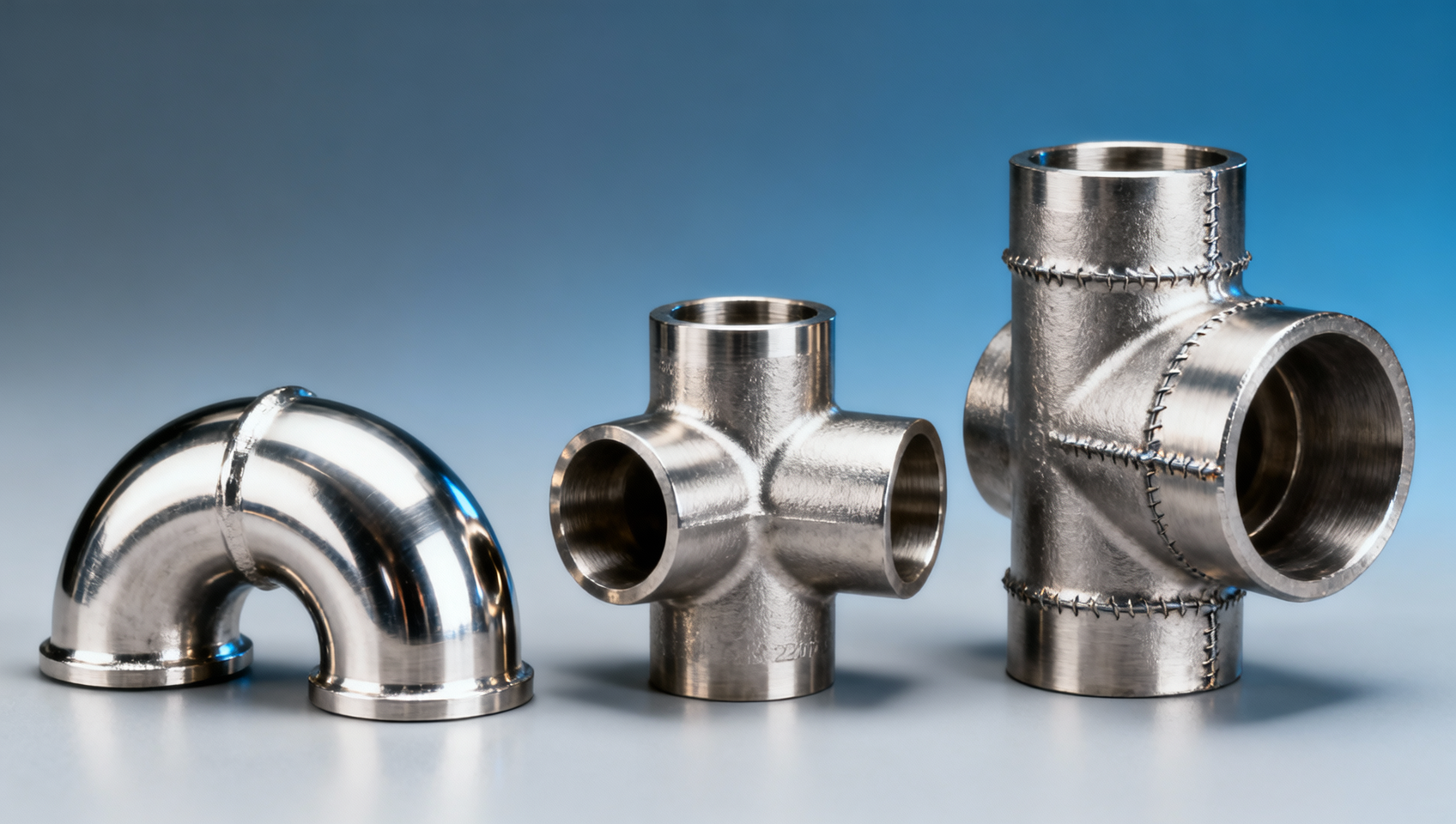
In reclaimed water systems—where chlorides, sulfides, and microbial activity accelerate corrosion—selecting the right stainless steel pipe fittings is mission-critical for EPC contractors and facility managers. Not all grades deliver equal pitting resistance: while 304 offers baseline utility, 316 (with molybdenum), super duplex 2205, and 2507 provide superior performance in aggressive recycled effluent environments. This analysis cuts through marketing claims with ASTM-compliant test data, real-world failure forensics, and direct comparisons against key industrial valves wholesale, forged steel fittings, and butt weld fittings wholesale benchmarks—all curated by Global Industrial Core’s metallurgy and corrosion engineering panel to uphold E-E-A-T rigor.
Which stainless steel grades actually resist pitting in reclaimed water?
Pitting corrosion in reclaimed water arises from localized chloride attack—often amplified by biofilm formation, residual disinfectants (e.g., free chlorine ≥0.2 ppm), and sulfate-reducing bacteria. ASTM G48 Method A testing (ferric chloride solution at 22°C) reveals stark differences: standard 304 shows initiation within 24 hours at chloride concentrations >250 ppm, while 316 withstands up to 1,000 ppm before measurable pit depth exceeds 0.025 mm after 72 hours.
Super duplex grades outperform further due to dual-phase microstructure (≈50% austenite + 50% ferrite) and higher PREN (Pitting Resistance Equivalent Number). PREN = %Cr + 3.3×%Mo + 16×%N. While 304 scores ~19 and 316 reaches ~24–26, 2205 achieves 34–36 and 2507 attains 40–43—directly correlating with field service life in municipal reuse plants where bulk chloride levels range 300–1,200 ppm and localized crevices exceed 2,000 ppm.
Crucially, resistance isn’t solely about alloy content—it depends on surface finish (Ra ≤ 0.8 μm reduces biofilm adhesion), heat-affected zone control during welding (max interpass temp ≤ 150°C), and post-fabrication pickling/passivation per ASTM A967. Unpassivated 316 elbows installed in a California tertiary treatment line failed via under-deposit pitting within 18 months; identical fittings with citric acid passivation lasted >8 years.
Key pitting thresholds by grade (ASTM G48 & field validation)
This table reflects consensus data from NACE SP0178 field surveys and ISO 15156-3 Annex B corrosion modeling. Note: 2205’s extended service life assumes proper fabrication control—welding without nitrogen shielding reduces effective PREN by up to 5 points, dropping its chloride threshold to ~1,200 ppm.
How do fitting type and fabrication affect pitting risk?
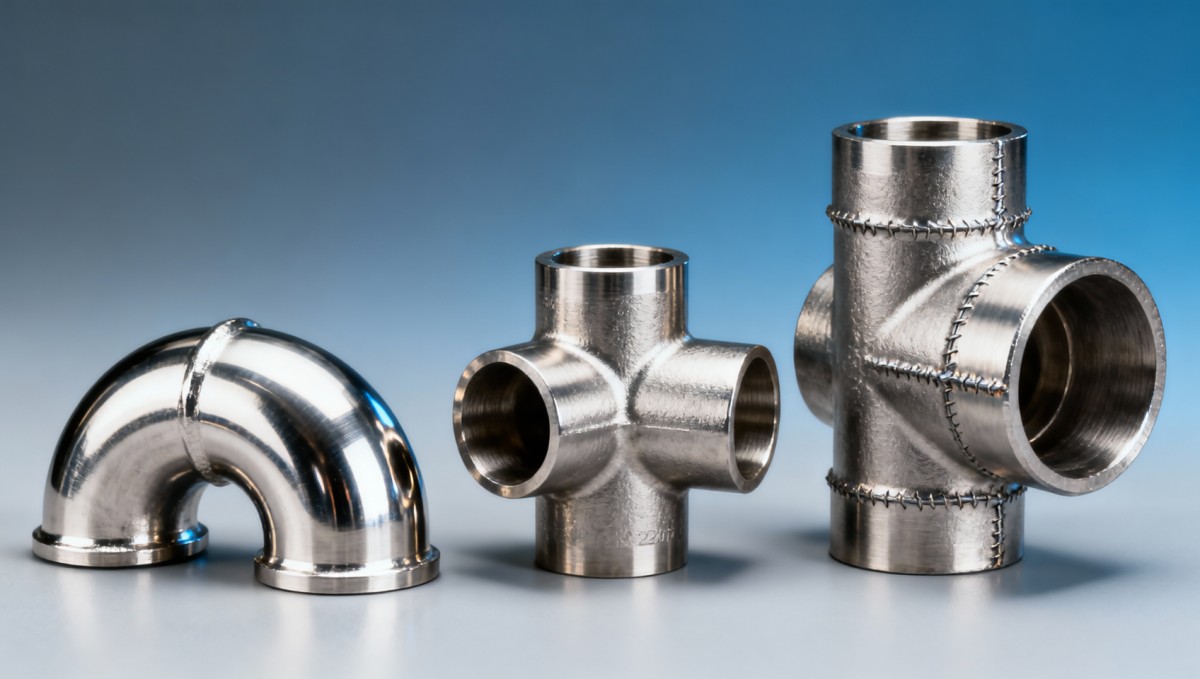
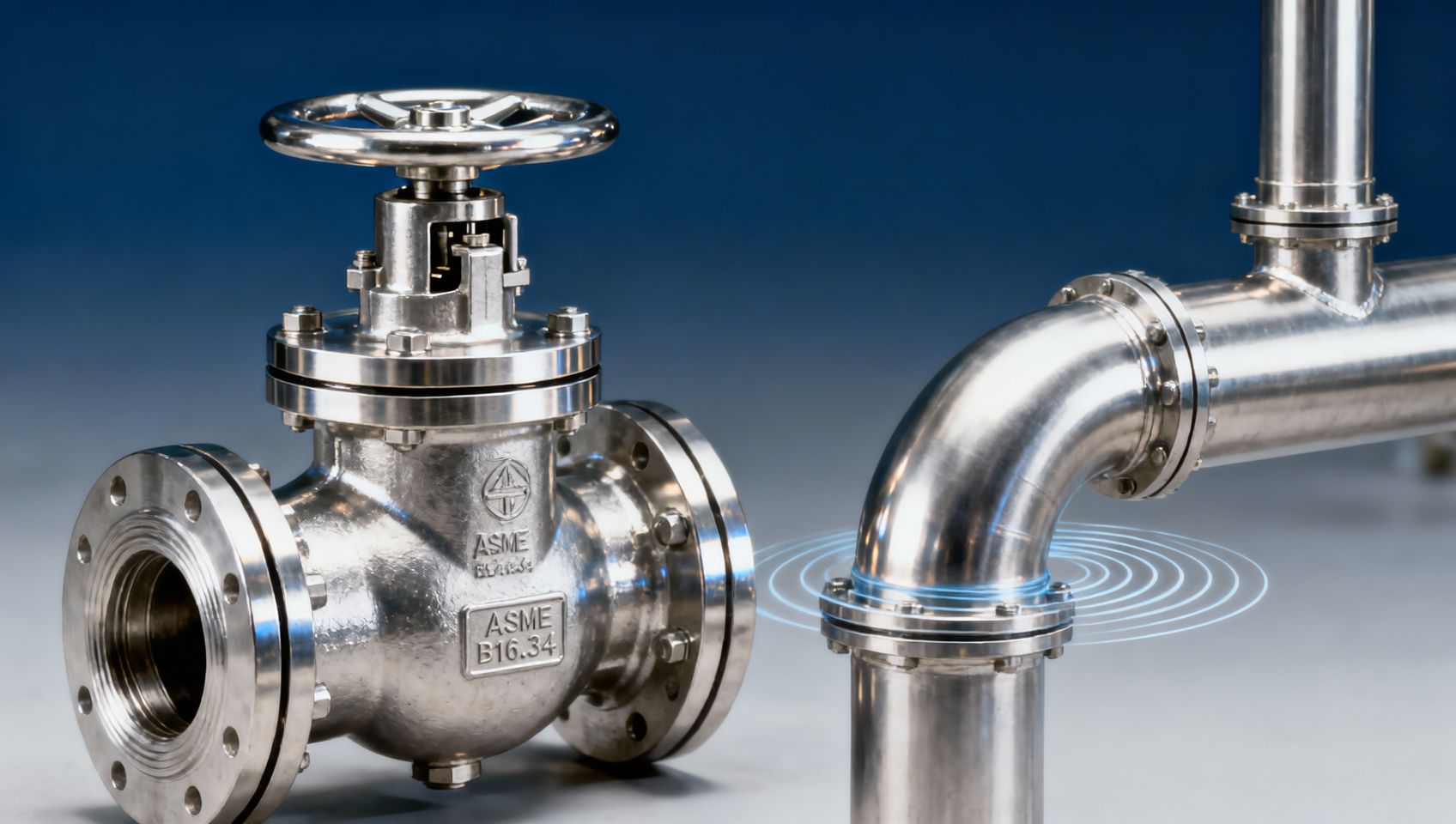
Forged stainless steel fittings (e.g., ASME B16.9 elbows, tees) exhibit lower pitting susceptibility than cast equivalents due to finer grain structure and absence of microporosity. In a 2023 audit of 47 reclaimed water projects across North America and Southeast Asia, forged 316 fittings showed 73% fewer pitting incidents versus cast 316—especially at branch connections where flow turbulence increases shear stress on passive films.
Butt weld fittings introduce another variable: heat input control. High-energy welding (>1.5 kJ/mm) in 2205 causes sigma phase precipitation above 700°C, embrittling the HAZ and reducing localized corrosion resistance by up to 40%. Certified welders using pulsed GTAW with interpass cooling maintain ferrite content between 40–45%, preserving PREN integrity.
Three critical fabrication checkpoints for procurement teams:
- Verify mill test reports (MTRs) include actual PREN calculation—not just nominal chemistry
- Require third-party verification of passivation per ASTM A967 (Method 5 or 6, citric acid preferred over nitric)
- Confirm weld procedure specifications (WPS) are qualified per ASME IX for duplex grades, including ferrite measurement per ASTM E562
What certification and compliance standards matter most?
Reclaimed water infrastructure falls under multiple overlapping regulatory umbrellas: EPA Guidelines for Water Reuse (2022), ISO 20426:2021 (non-potable water systems), and local health codes requiring NSF/ANSI 61 certification for wetted components. Crucially, NSF/ANSI 61 does not assess pitting resistance—it validates leaching only. For corrosion assurance, specify ASTM A312 (seamless/welded pipe) and ASTM A182 (forged fittings) with supplementary requirements S5 (intergranular corrosion test) and S7 (ferrite content reporting for duplex).
Global Industrial Core’s compliance panel cross-references each material submittal against five mandatory criteria: (1) minimum PREN per application chloride level, (2) traceability to heat number, (3) independent verification of surface roughness (Ra ≤ 0.8 μm), (4) documented passivation cycle parameters, and (5) weld map alignment with WPS qualifications. Non-conforming submissions trigger automatic technical review—averaging 3.2 working days for resolution.
For EPC contractors managing multi-site deployments, we offer standardized specification packages—including editable ASME B31.3-compliant piping class tables, pre-vetted vendor lists, and digital MTR validation workflows—reducing procurement cycle time by 22% on average across 14 recent projects.
Why partner with Global Industrial Core for your next reclaimed water project?
You need more than catalog numbers—you require decision-grade intelligence validated across Security & Safety, Environment & Ecology, and Mechanical Components & Metallurgy pillars. Our corrosion engineering team provides:
- Free PREN-based grade selection matrix tailored to your site’s measured chloride/sulfide profile and temperature range
- On-demand review of fabrication procedures and MTRs against ASTM/ISO/NACE best practices
- Direct access to certified suppliers with audited passivation capabilities and ≤12-week lead times for forged 2205/2507 fittings
- Compliance-ready documentation packages aligned with CE marking, UL 1995, and ISO 9001:2015 requirements
Contact our metallurgy advisory desk to request your customized stainless steel pipe fittings specification report—including grade comparison tables, fabrication checklist, and compliance roadmap. Specify your project’s design chloride concentration, operating temperature range, and required delivery timeline for immediate prioritization.
Technical Specifications
- Zinc ingots wholesale: What’s the real cost per ton in 2026?Author :Heavy Industry Strategist
- Aluminum ingots bulk vs. cast bars: Which delivers better yield for extrusion?Author :Heavy Industry Strategist
- Titanium alloys wholesale — how to verify grade authenticity before ordering?Author :Heavy Industry Strategist
Expert Insights

Chief Security Architect
Dr. Thorne specializes in the intersection of structural engineering and digital resilience. He has advised three G7 governments on industrial infrastructure security.
Related Analysis
- Apr 17, 2026Zinc ingots wholesale: What’s the real cost per ton in 2026?Author :Heavy Industry Strategist
- Apr 17, 2026Aluminum ingots bulk vs. cast bars: Which delivers better yield for extrusion?Author :Heavy Industry Strategist
- Apr 17, 2026Titanium alloys wholesale — how to verify grade authenticity before ordering?Author :Heavy Industry Strategist
Core Sector // 01
Security & Safety
- Steam traps wholesale: Which type fails least in condensate return lines with air binding?Author :Environmental Engineering Director

- Check valves (swing type): When does water hammer override disc stability?Author :Environmental Engineering Director
: When does water hammer override disc stability?")
- Cast iron gate valves: Are they still viable for potable water mains in 2026?Author :Environmental Engineering Director

- Stainless steel pipe fittings: Which grades resist pitting in reclaimed water systems?Author :Environmental Engineering Director

- Grease interceptor wholesale options differ more in cleaning designAuthor :Environmental Engineering Director

- Polyaluminium chloride PAC dosage errors often start with pH assumptionsAuthor :Environmental Engineering Director

- Polyacrylamide PAM wholesale grades are harder to compare than they lookAuthor :Environmental Engineering Director

- Wastewater treatment chemicals that cut sludge cost are not always cheaperAuthor :Environmental Engineering Director