Commercial UV Water Sterilizer Limits Many Sites Overlook
Author
Date Published
Reading Time
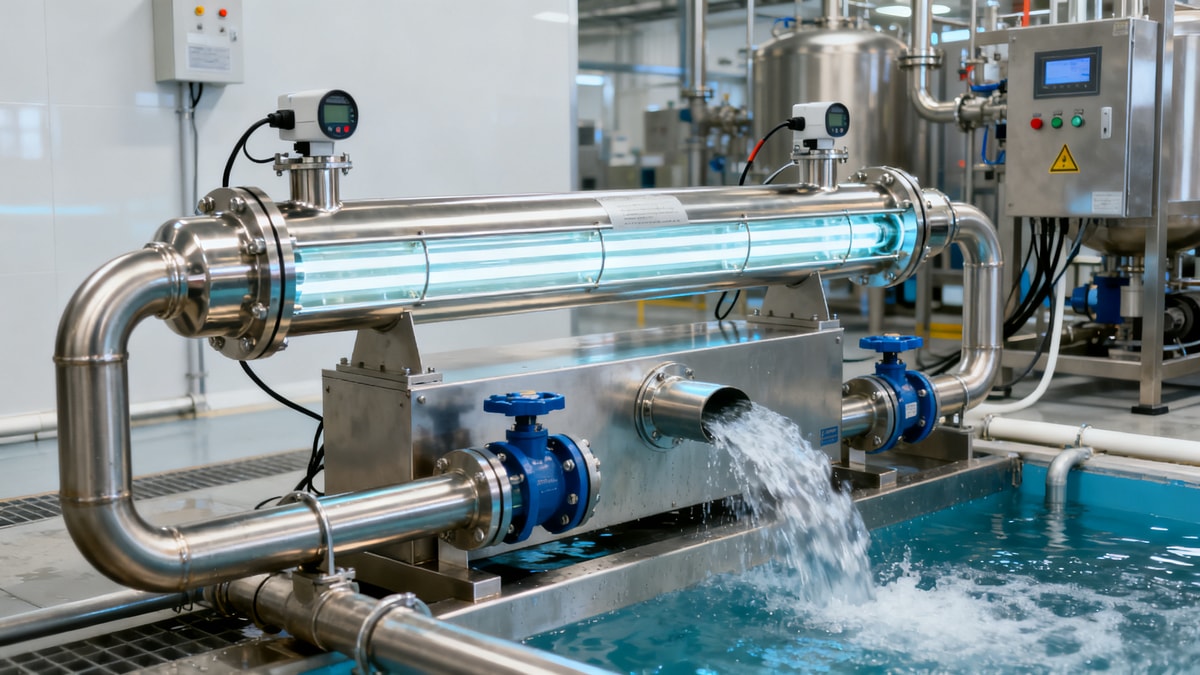
A commercial UV water sterilizer can strengthen microbial control, but many facilities overlook critical operating limits that affect safety, compliance, and performance. For quality control and safety managers, understanding these hidden constraints is essential when evaluating system reliability, validating treatment results, and reducing operational risk across industrial water applications.
Why do commercial UV water sterilizer limits get missed in real facilities?
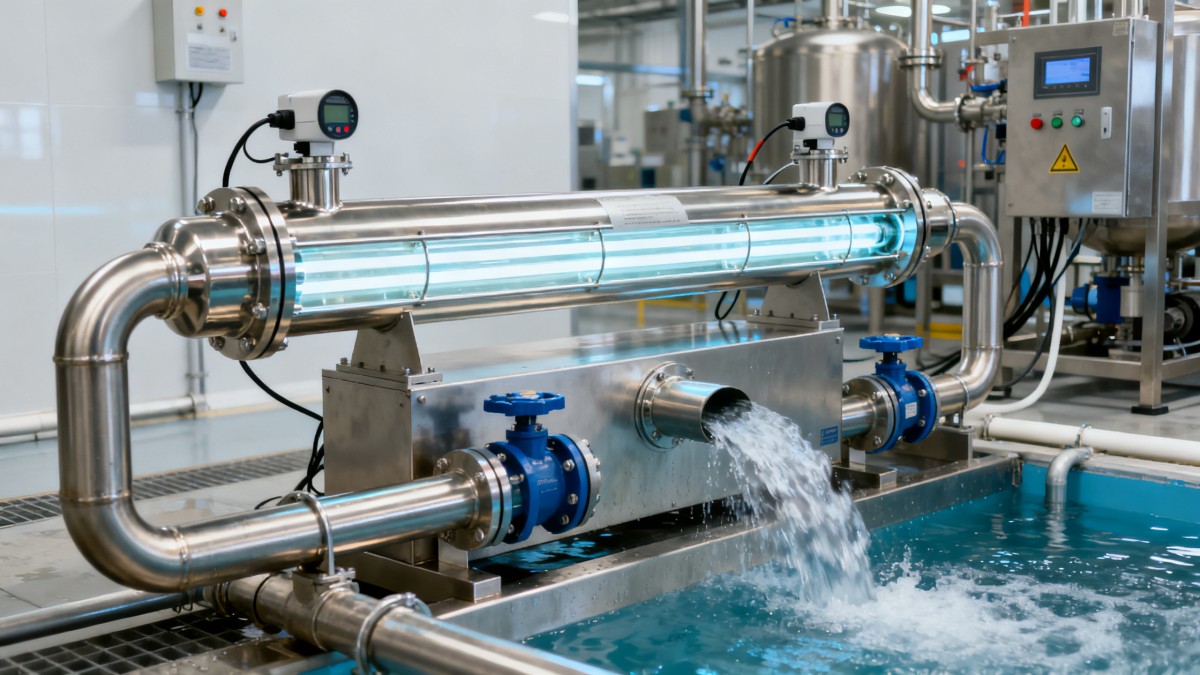
In many plants, a commercial UV water sterilizer is treated as a simple disinfection device: install it on the line, confirm lamp power, and assume microorganisms are controlled. That assumption creates blind spots. UV treatment is highly dependent on water quality, hydraulic stability, fouling conditions, and maintenance discipline. A system can be mechanically installed and electrically energized while still underperforming from a microbiological risk perspective.
For quality control teams, the concern is not whether UV technology works in principle. It is whether the delivered UV dose remains sufficient under worst-case operating conditions. For safety managers, the issue extends further: alarm strategy, interlocks, material compatibility, validation records, and failure response all affect site risk. In industrial environments, especially where water supports process hygiene, cooling loops, rinse steps, utility systems, or pre-treatment trains, hidden limits can quickly become compliance issues.
This is where structured industrial sourcing matters. Global Industrial Core (GIC) supports buyers and engineering stakeholders by connecting technical interpretation with procurement judgment. Instead of looking only at nameplate flow or lamp count, decision-makers need to evaluate the full operating envelope of a commercial UV water sterilizer.
- Water clarity may vary over the day, reducing UV transmittance and effective dose.
- Quartz sleeve fouling can gradually reduce performance without obvious external signs.
- Flow surges or bypass events may shorten exposure time below validated conditions.
- Lamp aging changes output, making “lamp on” very different from “dose adequate.”
- Sensors, alarms, and maintenance records may be too weak to support audits or root-cause analysis.
What a commercial UV water sterilizer can and cannot do
A commercial UV water sterilizer is designed to inactivate microorganisms by exposing flowing water to ultraviolet radiation, commonly in the germicidal UV-C range. This can be highly effective against bacteria, many viruses, and some protozoa when the required dose is actually delivered. However, UV is not a universal correction tool for poor water quality. It does not remove suspended solids, dissolved salts, chemical contaminants, or biofilm already established downstream.
That distinction matters in industrial procurement. If a site is trying to solve turbidity, color, iron, manganese, scale, or residual organics with UV alone, the specification is already misaligned. UV should be considered one part of a broader treatment train that may include filtration, softening, activated carbon, reverse osmosis, chemical control, or sanitary loop design.
Core functional boundaries
- It inactivates microorganisms when the right UV dose reaches the target organisms.
- It performs best with stable, low-turbidity water and controlled hydraulic conditions.
- It does not provide a lasting residual disinfectant in downstream piping.
- It does not compensate for dead legs, stagnant sections, or unsanitary tank design.
- It requires active monitoring because performance loss can be gradual rather than sudden.
For sites with variable incoming water or high uptime requirements, the right question is not “Do we need UV?” but “Under which process conditions will this commercial UV water sterilizer still achieve a defensible dose?”
Which technical limits matter most for quality control and safety managers?
The table below highlights common limits that directly affect commercial UV water sterilizer performance and risk control. These are the variables that should appear in technical reviews, FAT/SAT discussions, and routine operating procedures.
For QC and safety teams, these factors are not secondary details. They determine whether a commercial UV water sterilizer remains a validated barrier or becomes a false sense of protection. Sites with seasonal source water changes, intermittent operation, or mixed utility demand should give these limits extra attention.
Where does UV perform well, and where does it become risky?
Not every industrial water application places the same demand on a commercial UV water sterilizer. Some duties are relatively predictable, while others expose the unit to unstable quality, scaling, or contamination rebound. Procurement decisions should reflect the actual operating context rather than a generic disinfection claim.
The comparison below helps teams decide where UV is a strong fit and where it should only be used with upstream and downstream control measures.
This distinction is especially useful for multi-site operators and EPC teams working across different geographies. A commercial UV water sterilizer that performs well on a controlled skid may struggle in a field installation with different feedwater chemistry, operator routines, or utility variability.
What procurement teams should verify before selecting a commercial UV water sterilizer
Purchasing on flow rate alone is a common error. A robust procurement review should test whether the quoted system can maintain acceptable performance under the site’s worst credible conditions. That means bringing quality, safety, engineering, and maintenance into the same conversation early.
Critical selection checklist
- Define the microbial control objective clearly. Is the unit intended for process protection, final barrier duty, water reuse assurance, or utility loop support?
- Capture real feedwater conditions, including UV transmittance trends, hardness, iron, manganese, suspended solids, and temperature range.
- Review the validated operating window. Ask for the relationship between dose, flow, UVT, and lamp age rather than accepting a single headline capacity.
- Confirm instrumentation details. A commercial UV water sterilizer should have meaningful intensity monitoring, alarm outputs, and, where required, interlock capability.
- Check maintenance practicality. Sleeve cleaning access, spare parts availability, lamp replacement procedure, and shutdown requirements affect total risk.
- Assess material and enclosure suitability. Industrial environments may require corrosion resistance, ingress protection, or compatibility with cleaning chemicals.
- Map compliance expectations. Depending on location and project type, this can include CE, UL-related electrical considerations, pressure equipment expectations, and documented quality records.
GIC’s value in this stage is practical: helping procurement and technical stakeholders translate broad supplier claims into verifiable specification points. That reduces the chance of selecting a commercial UV water sterilizer that looks acceptable on paper but creates validation disputes later.
How to judge compliance, validation, and documentation quality
For quality control and safety management, documentation is not a formality. It is the basis for acceptance, traceability, change control, and audit defense. Industrial buyers should distinguish between general product literature and evidence that supports actual site use.
Documents worth requesting
- Technical datasheets showing operating limits, pressure, temperature, electrical load, and maintenance requirements.
- Dose or performance validation references appropriate to the intended duty and hydraulic conditions.
- Instrument and alarm descriptions, including sensor type, signal outputs, and fault logic.
- Material specifications for wetted parts, especially where corrosion or sanitation matters.
- Inspection, test, and commissioning records required by project quality plans.
- Recommended preventive maintenance intervals and critical spare parts lists.
A commercial UV water sterilizer used in a safety-sensitive or hygiene-related process should also be supported by a clear sampling and verification plan after installation. If the treatment objective cannot be measured or trended in operation, the site may be carrying hidden microbiological risk despite having modern equipment in place.
Common misconceptions that weaken UV system performance
Many underperforming UV installations do not fail because the technology is flawed. They fail because assumptions are wrong. These misconceptions are especially important for cross-functional teams that split responsibility between procurement, operations, and EHS.
Frequent mistakes
- Assuming clear-looking water has adequate UV transmittance. Visual clarity and UV performance are not the same.
- Believing lamp status equals treatment status. A powered lamp can still deliver inadequate dose due to age or fouling.
- Ignoring hydraulic disturbances such as start-stop cycles, bypasses, and temporary overflows.
- Treating UV as a substitute for sanitary design or proper filtration.
- Underestimating downstream contamination sources such as storage tanks, dead legs, hoses, or poorly controlled points of use.
A commercial UV water sterilizer should therefore be reviewed as part of a complete microbial control strategy, not as a stand-alone answer. This systems view is often what separates a smooth audit outcome from a difficult investigation after a contamination event.
FAQ: practical questions buyers and site managers ask
How do I know if a commercial UV water sterilizer is undersized?
Look beyond nominal flow. An undersized unit often shows weak performance when feedwater UVT drops, peak flow arrives, or lamps age. If the site must throttle production, bypass the unit, or accept frequent low-intensity alarms during normal conditions, the validated envelope may not match actual demand.
Is UV enough without chemical disinfection?
Sometimes yes, often no. A commercial UV water sterilizer can provide strong point disinfection, but it leaves no residual in downstream piping. Systems with long distribution networks, storage tanks, or biofilm-prone surfaces may still require other control measures depending on the application and risk profile.
What should QC teams trend after installation?
Trend UV intensity, lamp runtime, maintenance events, feedwater quality indicators, microbiological test results where relevant, and alarm history. Correlating these data points helps identify whether the commercial UV water sterilizer is degrading gradually or being pushed outside its intended operating range.
How important is pre-treatment?
It is often decisive. Pre-treatment protects UV performance by improving transmittance and reducing fouling. In variable raw water or mineral-rich supplies, upstream filtration and chemistry control can determine whether the UV unit remains reliable or becomes maintenance-intensive and inconsistent.
Why work with GIC when evaluating commercial UV water sterilizer options?
Industrial water treatment decisions rarely fail because teams lack brochures. They fail because technical limits, compliance expectations, and operational realities are not aligned early enough. GIC helps procurement leaders, QC personnel, and safety managers review commercial UV water sterilizer options through an industrial risk lens rather than a catalog lens.
If you are comparing suppliers or trying to resolve uncertainty in a current specification, the most useful discussions usually focus on a defined set of issues:
- Parameter confirmation, including actual flow range, feedwater variability, temperature, pressure, and expected UV transmittance.
- Product selection for specific industrial duties such as process water, rinse water, utility loops, or pre-RO protection.
- Delivery planning, including lead time, spare parts expectations, and installation sequencing within EPC schedules.
- Customized solution review where standard commercial UV water sterilizer configurations may not fit the site envelope or compliance plan.
- Certification and documentation expectations needed for project files, audits, and internal approval workflows.
- Sample support, quotation comparison, and technical clarification before purchase commitment.
For teams responsible for microbial control, operational safety, and procurement accountability, the goal is simple: choose a commercial UV water sterilizer that performs reliably under real plant conditions, not only under ideal test assumptions. That is the kind of decision framework GIC is built to support.
Technical Specifications
Expert Insights

Chief Security Architect
Dr. Thorne specializes in the intersection of structural engineering and digital resilience. He has advised three G7 governments on industrial infrastructure security.
Related Analysis
- May 02, 2026Chemical Metering Pumps: Which Dosing Errors Cost the Most?Author :Environmental Engineering Director
- May 02, 2026What Sets One Belt Filter Press Manufacturer Apart?Author :Environmental Engineering Director
- May 02, 2026Moving Bed Biofilm Reactor MBBR Retrofit Benefits and LimitsAuthor :Environmental Engineering Director
Core Sector // 01
Security & Safety
- Chemical Metering Pumps: Which Dosing Errors Cost the Most?Author :Environmental Engineering Director

- What Sets One Belt Filter Press Manufacturer Apart?Author :Environmental Engineering Director

- Moving Bed Biofilm Reactor MBBR Retrofit Benefits and LimitsAuthor :Environmental Engineering Director

- Wholesale Ozone Generators: Output Claims vs Real PerformanceAuthor :Environmental Engineering Director

- How Sludge Dewatering Machine Choice Affects Disposal FeesAuthor :Environmental Engineering Director

- Wholesale Dosing Pumps: Which Materials Last Longer?Author :Environmental Engineering Director

- Dissolved Air Flotation DAF Problems That Raise Sludge VolumeAuthor :Environmental Engineering Director

- Chamber Filter Press Cycle Time: What Slows It Down?Author :Environmental Engineering Director