When a Vibrating Screen Separator Starts Losing Accuracy
Author
Date Published
Reading Time
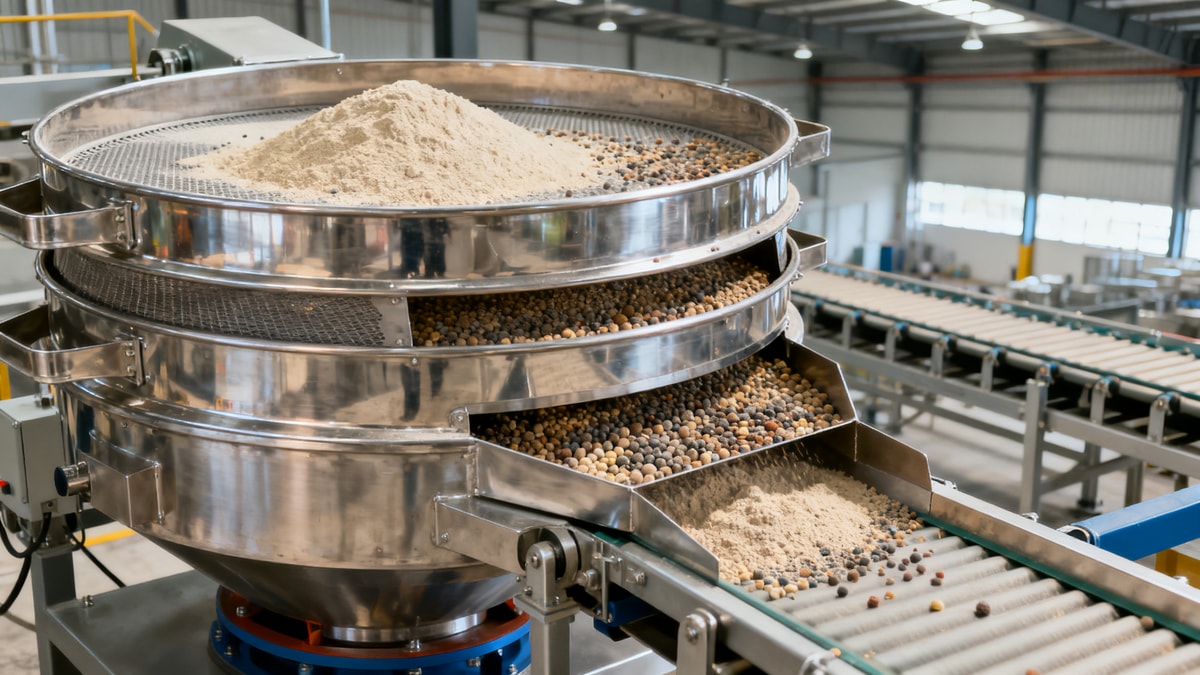
When a vibrating screen separator starts losing accuracy, small deviations can quickly turn into costly process issues, material waste, and inconsistent product quality. For operators and plant users, recognizing the early warning signs is essential to maintaining stable performance. This article explains the common causes behind accuracy loss and how to troubleshoot them effectively before they affect production efficiency.
In industrial processing lines, even a small drop in screening precision can affect throughput, contamination control, and downstream equipment loading. For operators working with powders, granules, recycled materials, minerals, food ingredients, chemicals, or metal particles, a vibrating screen separator is not just a sorting device; it is a control point that protects process consistency.
Accuracy loss rarely happens all at once. In many plants, it develops over 2 to 6 weeks through mesh wear, unstable feed conditions, vibration imbalance, or poor maintenance discipline. Knowing where to inspect first can reduce unplanned stoppages, cut product giveaway, and extend separator service life.
Why Accuracy Loss Matters in Daily Operation
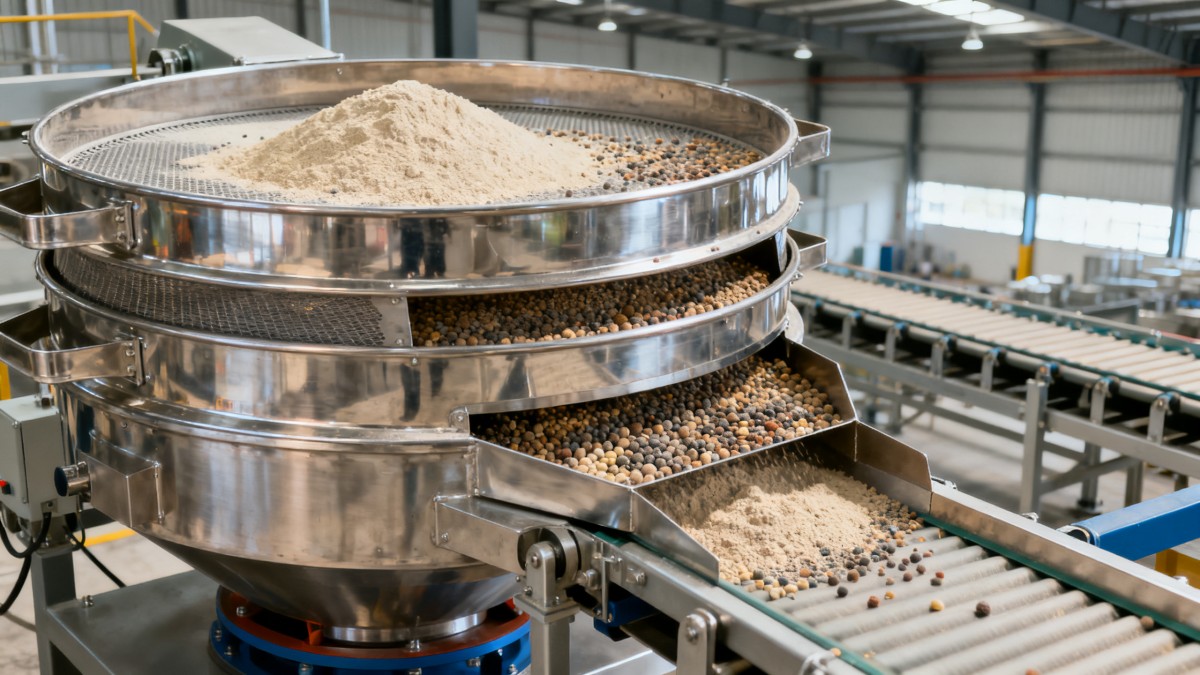
A vibrating screen separator is expected to divide material by particle size, remove oversize contamination, or classify products into 2 to 5 fractions. When accuracy drops, the most visible symptom is often off-spec discharge, but the real cost usually spreads across the line: lower yield, more rework, unstable packing density, and extra operator intervention.
In practical plant conditions, a separator that drifts from its normal performance window by even 5% to 10% can create meaningful losses. Fines may report to the wrong outlet, oversize material may bypass the screen, and recirculation loads can rise quickly. On abrasive or high-volume lines, this can also increase wear on feeders, conveyors, and dust collection systems.
Typical Signs Operators Notice First
Most operators do not begin with lab data. They notice pattern changes on the floor. Product may look less uniform, screen cleaning frequency may rise from once per shift to 3 times per shift, or material may start building up at one side of the deck. These are early operational signals that a vibrating screen separator is no longer separating as intended.
- Higher carryover of oversize or undersize material
- Uneven material distribution across the screen surface
- Reduced throughput at the same motor setting
- Sudden increase in blinding, pegging, or screen clogging
- More dust, vibration noise, or frame movement than normal
- Frequent need for manual adjustment every 1 to 3 days
Operational Impact by Process Area
The table below shows how accuracy loss in a vibrating screen separator typically appears in different industrial settings and what operators should check first.
The key takeaway is that the symptom alone does not identify the root cause. Similar output problems can come from completely different sources. A clogged mesh, a weak spring, and a variable feed hopper may all produce similar separation errors, so troubleshooting should follow a structured sequence.
The Most Common Reasons a Vibrating Screen Separator Loses Accuracy
In most facilities, accuracy loss traces back to 1 of 6 areas: screen media condition, vibration settings, feed behavior, machine integrity, material changes, or maintenance quality. Operators who inspect these areas in order can often isolate the issue within 20 to 40 minutes rather than replacing parts unnecessarily.
1. Mesh Wear, Stretching, or Damage
The screen mesh is the first place to inspect. Over time, apertures can deform, wires can break, and tension can drop. On fine separation duties, even minor stretching can change effective opening size enough to shift cut-point accuracy. On coarse applications, tears often allow oversize bypass and immediate product contamination.
Operators should inspect for shiny wear spots, edge fraying, loose clamping, and localized sagging. In many plants, mesh condition should be checked every 24 hours on abrasive service and every 72 hours on lighter-duty lines. If blinding has increased sharply, inspect both the top surface and underside for trapped particles.
What to verify
- Visible tears or pinholes in the screening area
- Loose tension ring or uneven clamping pressure
- Worn aperture profile after 500 to 2,000 operating hours
- Screen media mismatch for particle size or moisture content
2. Incorrect Vibration Amplitude or Motor Setting
A vibrating screen separator depends on consistent motion to stratify material and move it across the screen. If amplitude is too low, particles do not separate efficiently. If it is too high, fine particles can bounce, short-circuit, or pass with coarse material. Small changes in eccentric weight settings or motor speed can alter separation quality quickly.
Where equipment allows adjustment, operators should compare current settings against the machine’s baseline startup record. A drift in motor current, unusual heat after 1 to 2 hours, or inconsistent travel pattern often points to mechanical imbalance, loose fasteners, or improper setup after maintenance.
3. Inconsistent Feed Rate and Poor Material Distribution
Many accuracy problems originate upstream. If feed surges exceed the screen’s working capacity, material forms a deep bed and blocks fine passage. If feed falls too low, the deck may not develop proper stratification. A stable feed profile is often more important than maximum hourly volume.
As a working rule, bed depth should remain visually consistent across the active screen width. If one side carries 20% to 30% more load than the other, screening efficiency drops and wear becomes uneven. Chutes, spreaders, and feeder discharge points should be checked before assuming the separator itself is faulty.
4. Spring Fatigue, Loose Frames, or Structural Misalignment
A separator can have a good screen and proper feed but still lose accuracy if the support system is compromised. Springs that have settled unevenly, cracked rubber mounts, or loose frame bolts can change motion geometry. The result is often asymmetric vibration, abnormal noise, and poor cut consistency.
Spring height differences greater than a few millimeters across supports may indicate fatigue or overload history. Operators should also inspect weld zones, clamp rings, and deck seating areas. If the frame is not seated evenly, the vibrating screen separator may behave differently at startup and after thermal expansion during longer runs.
5. Material Property Changes
The same separator can perform well one day and poorly the next because the material has changed. Moisture variation, temperature shifts, higher fines content, particle shape differences, or bulk density changes all affect screening behavior. In some powders, a moisture increase of only 1% to 2% can sharply increase blinding risk.
This is especially common in recycled streams, mixed mineral feed, and seasonal raw material supply. When troubleshooting, operators should compare current feed samples with the material profile that the separator was originally tuned for. Without this step, the wrong component may be replaced.
6. Cleaning and Maintenance Gaps
A vibrating screen separator that is not cleaned thoroughly can lose accuracy gradually through buildup at the mesh, gasket, outlet, or frame corners. Maintenance gaps also allow minor looseness to become major instability. A weekly inspection that takes 15 to 25 minutes can prevent a shutdown that costs several hours of lost production.
A Practical Troubleshooting Sequence for Operators
Instead of changing multiple settings at once, follow a repeatable inspection path. A 5-step sequence makes it easier to identify the actual fault and avoid introducing new variables. This is especially important on multi-deck or high-throughput lines where one change can affect 2 or 3 downstream operations.
Step-by-Step Check Routine
- Stop and isolate the machine safely, then inspect the mesh surface, seals, and clamping condition.
- Check feed consistency over a 10 to 15 minute operating window rather than relying on a brief visual impression.
- Verify vibration condition: listen for abnormal noise, observe motion pattern, and compare motor current to normal range.
- Inspect springs, mounting points, frame bolts, and any signs of structural movement or rubbing.
- Review recent process changes such as new raw material lot, higher moisture, speed adjustment, or cleaning interval reduction.
Troubleshooting Matrix for Fast Decisions
The following matrix helps operators match common symptoms to likely causes and immediate corrective actions without guessing.
This matrix is most useful when paired with a baseline record. Plants that document normal feed rate, product split, motor current, inspection frequency, and cleaning interval are usually faster at diagnosing accuracy loss because they can spot deviations early instead of relying on memory.
How to Prevent Recurring Accuracy Problems
Long-term control depends less on emergency repair and more on routine discipline. Most repeat problems with a vibrating screen separator can be reduced through standard inspection intervals, operator checklists, and better alignment between process conditions and screen configuration.
Build a Simple Preventive Maintenance Schedule
An effective schedule does not need to be complicated. For many industrial lines, a 3-level routine works well: per-shift visual checks, weekly mechanical checks, and monthly condition review. The exact interval should reflect abrasiveness, throughput, moisture, and contamination risk.
- Per shift: inspect product quality, outlet behavior, abnormal noise, and visible buildup
- Weekly: verify mesh condition, clamp tightness, spring integrity, and feed distribution
- Monthly: review wear trend, spare screen consumption, and process drift against baseline
Train Operators on Change Recognition
The best defense against accuracy loss is not only better hardware but faster recognition. Operators should know the normal look and sound of the machine, typical cleaning interval, and acceptable product variation. A difference noticed within the first 2 hours of a shift is much easier to correct than one discovered after a full batch run.
Use the Right Evaluation Criteria When Replacing Parts
When replacement becomes necessary, purchasing should not focus only on unit price. For a vibrating screen separator, screen compatibility, material grade, sealing reliability, and maintenance accessibility directly affect lifetime operating cost. A cheaper mesh that fails in half the service time is rarely the lower-cost option.
If the application involves sanitary product handling, corrosive powders, abrasive minerals, or conductive metal fines, part selection should reflect those conditions. Operators and procurement teams should align on at least 4 factors: cut-point requirement, wear environment, cleaning method, and expected service interval.
When Escalation Is Necessary
If accuracy problems continue after mesh replacement, feed correction, and structural inspection, the issue may involve machine sizing, process redesign, or a mismatch between separator configuration and actual material behavior. At that point, technical review becomes more valuable than repeated trial-and-error adjustments on the plant floor.
Final Guidance for Stable Separator Performance
A vibrating screen separator usually loses accuracy for understandable and traceable reasons, not random ones. The fastest path to recovery is to inspect the mesh, verify vibration behavior, stabilize feed, examine support components, and compare current material properties with the original operating condition. In most cases, a disciplined 5-step check prevents minor deviation from becoming a larger process failure.
For plant users, the real advantage comes from turning these checks into a repeatable maintenance and operating standard. That improves product consistency, reduces waste, and supports more reliable production planning. If you need help evaluating separator performance, reviewing screening risks, or selecting the right replacement approach for your process, contact us to get a tailored solution, discuss equipment details, or explore more industrial screening guidance.
Technical Specifications
- India BIS Draft IS 17832:2026 Sets Noise & Dust Limits for Waste CrushersAuthor :Environmental Engineering Director
- Korea MFDS Mandates Korean UI & KOSHA OEL Database for Industrial Water AnalyzersAuthor :Precision Metrology Expert
- Indonesia BPOM Mandates PM0.1 Efficiency & CADR Decay Labeling for Industrial Air PurifiersAuthor :Environmental Engineering Director
Expert Insights

Chief Security Architect
Dr. Thorne specializes in the intersection of structural engineering and digital resilience. He has advised three G7 governments on industrial infrastructure security.
Related Analysis
- May 03, 2026India BIS Draft IS 17832:2026 Sets Noise & Dust Limits for Waste CrushersAuthor :Environmental Engineering Director
- May 03, 2026Korea MFDS Mandates Korean UI & KOSHA OEL Database for Industrial Water AnalyzersAuthor :Precision Metrology Expert
- May 03, 2026Indonesia BPOM Mandates PM0.1 Efficiency & CADR Decay Labeling for Industrial Air PurifiersAuthor :Environmental Engineering Director
Core Sector // 01
Security & Safety
- India BIS Draft IS 17832:2026 Sets Noise & Dust Limits for Waste CrushersAuthor :Environmental Engineering Director

- Eddy Current Separator Performance Drops With the Wrong Feed MixAuthor :Environmental Engineering Director

- Magnetic Separator Machine Buying Traps in Mixed Scrap LinesAuthor :Environmental Engineering Director

- When a Vibrating Screen Separator Starts Losing AccuracyAuthor :Environmental Engineering Director

- Copper Wire Granulator Output Depends on More Than Blade SpeedAuthor :Environmental Engineering Director

- Medical Waste Incinerator Compliance Risks Often Missed EarlyAuthor :Environmental Engineering Director

- Compost Turner Machine Size: Bigger Is Not Always BetterAuthor :Environmental Engineering Director

- What to Check Before Buying Smokeless Incinerators WholesaleAuthor :Environmental Engineering Director