US DOE IE4 Rule for Dry-Type Transformers Takes Effect May 1, 2026
Author
Date Published
Reading Time
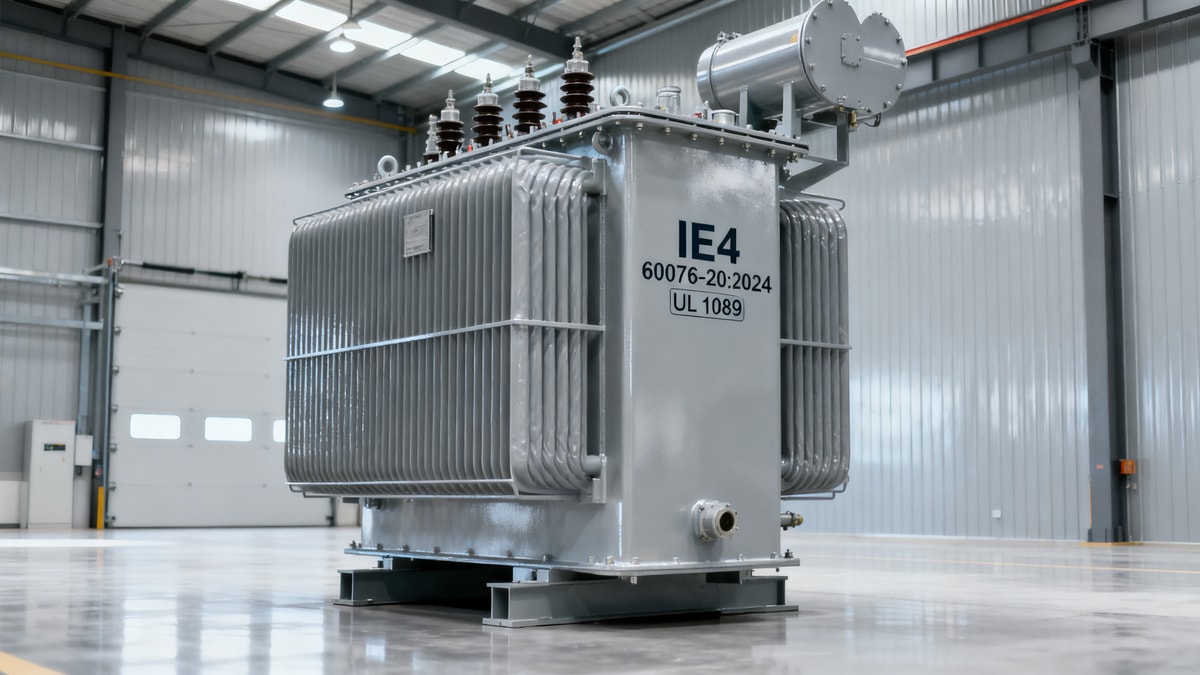
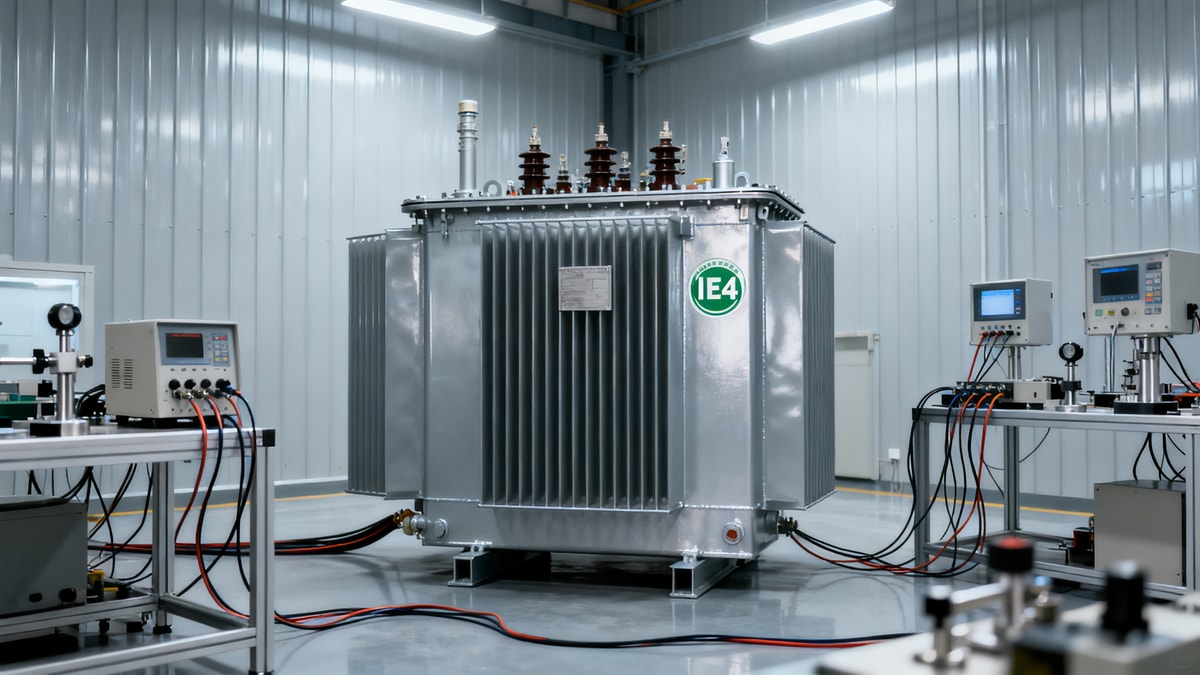
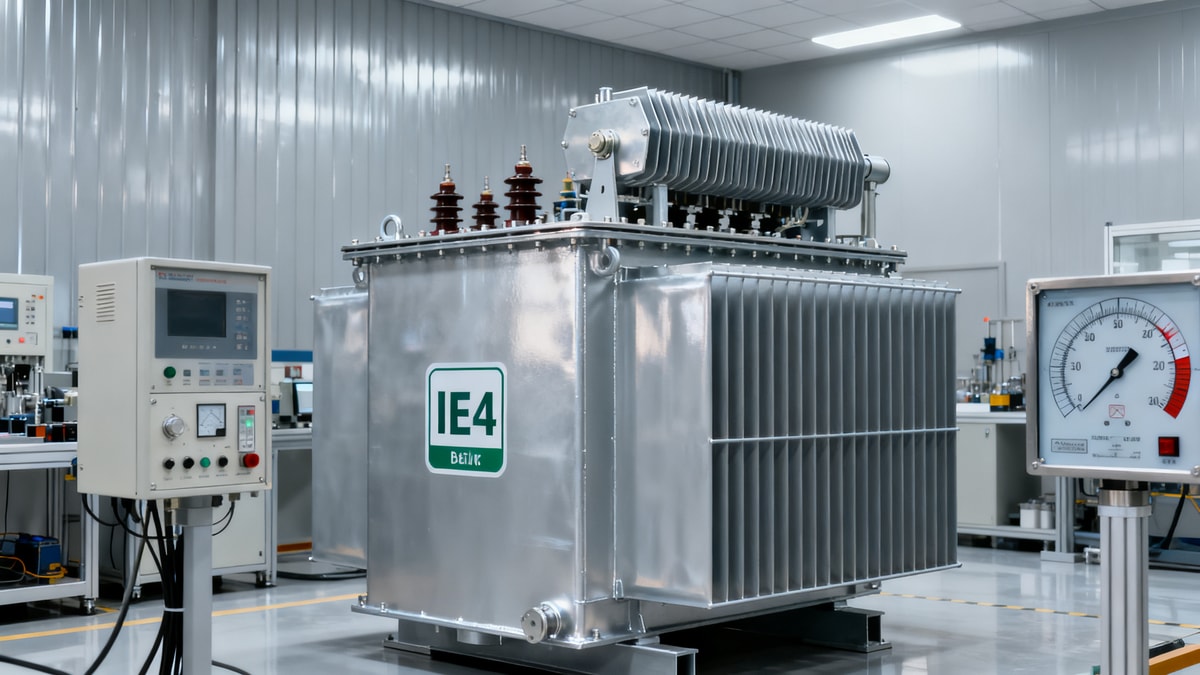
On May 1, 2026, the U.S. Department of Energy (DOE) will enforce updated energy efficiency requirements for industrial dry-type transformers under 10 CFR Part 431. The rule mandates a minimum efficiency level of IE4 (per IEC 60076-20:2024), alongside stricter limits on temperature rise, sound power levels, and standardized test report formatting. Exporters—particularly manufacturers in China supplying the U.S. market—must now verify compliance through recognized certification bodies such as UL or Intertek (ETL). Non-compliant units risk refusal by U.S. Customs and Border Protection (CBP). This development directly affects global supply chains, procurement strategies, and regulatory readiness across transformer manufacturing and international trade sectors.
Event Overview
The U.S. DOE’s revised standard for industrial dry-type transformers, published under 10 CFR Part 431, becomes mandatory on May 1, 2026. It requires all covered products imported into or manufactured for the U.S. market to meet the IE4 efficiency level defined in IEC 60076-20:2024. The regulation also introduces enhanced requirements for temperature rise, sound power, and test report structure. Certification to UL 1089 or ETL-listed IE4 compliance is required for market access; absence of such certification may result in CBP detention or rejection of shipments.
Industries Affected by Segment
Direct Exporters (e.g., Chinese Dry-Type Transformer Manufacturers)
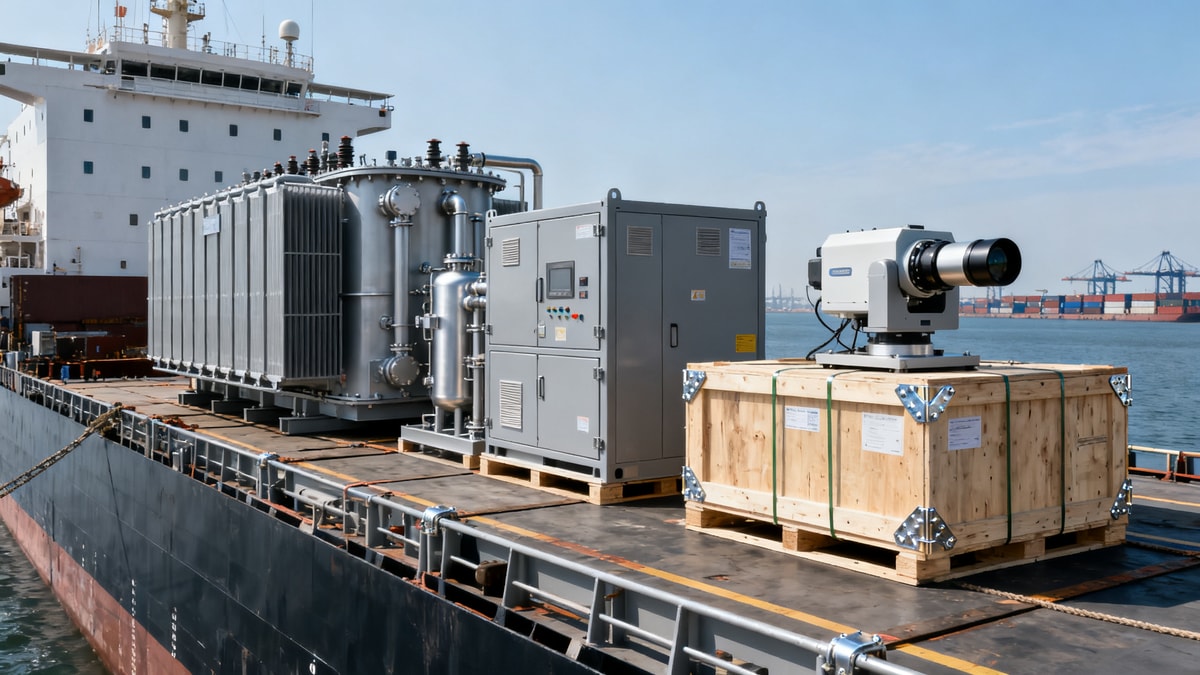
These firms face immediate regulatory gatekeeping: products without valid UL 1089 or ETL IE4 certification cannot clear U.S. customs after May 1, 2026. Impact manifests in shipment delays, retesting costs, potential contract renegotiations, and loss of tender eligibility for U.S.-funded infrastructure projects.
Component & Raw Material Suppliers
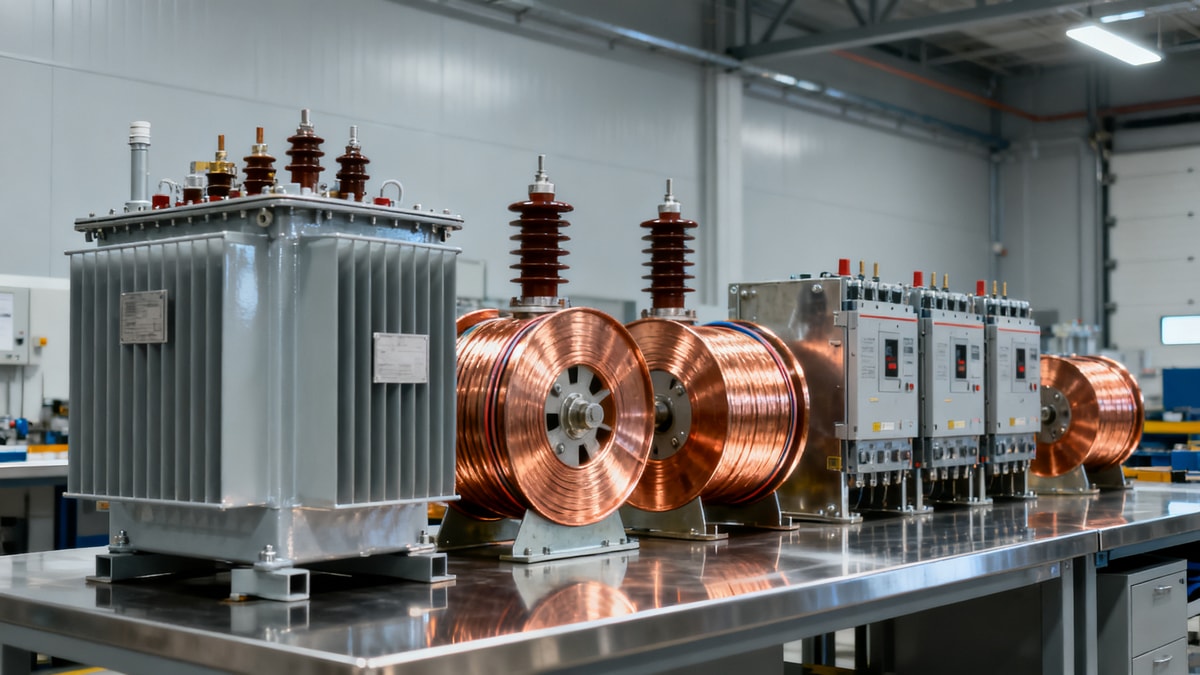
Suppliers of core laminations, insulation systems, and low-loss winding materials may see shifting demand patterns. IE4 compliance often requires higher-grade silicon steel, advanced resin systems, and tighter thermal design—prompting revised material specifications and qualification timelines from OEMs.
Testing & Certification Service Providers
Laboratories accredited for IEC 60076-20:2024 testing—and authorized to issue UL 1089 or ETL IE4 certificates—will experience increased workload. Demand is rising for test reports that strictly follow DOE-specified formats, including detailed loss breakdowns and ambient-condition documentation.
Distribution & Channel Partners (U.S.-based Importers, Wholesalers)
U.S. importers and electrical distributors must now validate supplier certifications prior to purchase or inventory intake. Stockpiling pre-IE4 units carries obsolescence risk post-May 2026, while failure to confirm certification validity may expose them to liability under DOE enforcement mechanisms.
What Relevant Enterprises or Practitioners Should Monitor and Do Now
Confirm certification status against DOE’s latest list of recognized programs
UL 1089 and ETL listings are not automatically equivalent to IE4 compliance under the new rule. Enterprises must verify whether their existing certificates reference IEC 60076-20:2024 and explicitly cover the applicable kVA and voltage classes. DOE’s official recognition list (updated periodically) remains the authoritative source—not third-party marketing claims.
Review pending orders and production schedules for May–July 2026 shipments
Given typical lead times for IE4-compliant design validation and certification (8–14 weeks), any order scheduled for U.S. delivery between May 1 and July 31, 2026, should be confirmed for IE4 readiness *before* finalizing production. Late-stage redesign or retesting may delay delivery beyond contractual windows.
Validate test report content against DOE’s prescribed format
DOE specifies exact data fields, measurement conditions, and loss calculation methods in its test procedure guidance. Reports missing ambient temperature logs, harmonic loss allowances, or per-load-point no-load/load loss values—even if IE4-efficient—may be rejected during CBP review or DOE audit.
Engage early with U.S. importers on documentation handover protocols
Certificates and test reports must accompany each shipment in English, with clear linkage to model numbers and serial ranges. Enterprises should align with U.S. partners on digital document sharing workflows (e.g., secure portals) to avoid customs hold-ups due to incomplete or mismatched paperwork.
Editorial Perspective / Industry Observation
Observably, this rule is less a sudden disruption and more a formalized inflection point in an ongoing global efficiency convergence. While IE4 has been referenced in EU and some Asian tenders since 2023, the DOE’s binding implementation—backed by CBP enforcement—elevates it from a procurement preference to a hard regulatory barrier. Analysis shows the shift reflects tightening alignment between U.S. federal procurement policy and IEC’s 2024 standard revision, rather than an isolated unilateral move. From an industry perspective, the May 2026 date functions primarily as a compliance deadline—not a technical feasibility milestone—meaning most major manufacturers likely possess IE4-capable designs but require formal validation and documentation upgrades. Current attention should focus less on ‘can we meet IE4?’ and more on ‘is our certification pathway and reporting fully aligned with DOE’s operational requirements?’
Conclusion
The DOE’s IE4 mandate signals a structural tightening of U.S. market access for industrial dry-type transformers—not merely an incremental efficiency update. Its significance lies in the enforceability mechanism (CBP interdiction), the specificity of documentation requirements, and the explicit linkage to IEC 60076-20:2024. For stakeholders, this is best understood not as a one-time certification event, but as the onset of a sustained compliance regime where documentation integrity, test traceability, and cross-border certificate recognition carry equal weight to technical performance.
Information Sources
Primary source: U.S. Department of Energy, 10 CFR Part 431, Subpart K (Industrial Dry-Type Transformers), Final Rule published in the Federal Register; effective date: May 1, 2026. Additional reference: UL Standard 1089 (2025 Edition), Intertek ETL Program Requirements for IE4 Dry-Type Transformers. Note: Ongoing updates to DOE’s list of recognized certification programs remain subject to official notice and require continuous monitoring.
Technical Specifications
- Indonesia Opens Bearing & Seal Manufacturing to 100% FDIAuthor :Heavy Industry Strategist
- SASO Extends AI Water Module Cybersecurity Deadline to Oct 2026Author :Environmental Engineering Director
- Copper Price Surges 4.1% to Record High in 2026; Impacts BOM Costs for Cable & Transformer MakersAuthor :Grid Infrastructure Analyst
Expert Insights

Chief Security Architect
Dr. Thorne specializes in the intersection of structural engineering and digital resilience. He has advised three G7 governments on industrial infrastructure security.
Related Analysis
- May 02, 2026Indonesia Opens Bearing & Seal Manufacturing to 100% FDIAuthor :Heavy Industry Strategist
- May 02, 2026SASO Extends AI Water Module Cybersecurity Deadline to Oct 2026Author :Environmental Engineering Director
- May 02, 2026Copper Price Surges 4.1% to Record High in 2026; Impacts BOM Costs for Cable & Transformer MakersAuthor :Grid Infrastructure Analyst
Core Sector // 01
Security & Safety
- US DOE IE4 Rule for Dry-Type Transformers Takes Effect May 1, 2026Author :Grid Infrastructure Analyst

- DOE Raises Industrial Dry-Type Transformer Efficiency to IE4Author :Grid Infrastructure Analyst

- Revised Maritime Code Takes Effect May 1, 2026Author :Grid Infrastructure Analyst

- DOE Raises Industrial Dry-Type Transformer Efficiency to IE4Author :Grid Infrastructure Analyst

- Copper Price Surge Impacts Industrial Components BOM CostsAuthor :Grid Infrastructure Analyst

- High Voltage Disconnectors: Key Selection TipsAuthor :Grid Infrastructure Analyst

- SCFI Surges 12.3% on Apr 26, Shanghai–Rotterdam Rate Hits $4,480/TEUAuthor :Grid Infrastructure Analyst
![]()
- Monitoring oil health in Electrical & PowerAuthor :Grid Infrastructure Analyst