Monitoring oil health in Electrical & Power
Author
Date Published
Reading Time

In the complex landscape of power distribution, maintaining the integrity of insulating fluids is paramount for ensuring electrical safety and system longevity. For facility management professionals and project managers, monitoring oil health is not merely a maintenance task but a critical component of mechanical engineering and environmental engineering best practices. Adhering to rigorous industrial standards, Global Industrial Core provides the technical insights needed to prevent catastrophic failures in Electrical & Power systems. By integrating advanced safety equipment and Security & Safety protocols, enterprises can safeguard their infrastructure against costly downtime. This guide explores essential oil analysis methodologies, offering mission-critical intelligence for metallurgical engineering specialists and decision-makers focused on building resilient industrial operations.
Beyond Lubrication: The Strategic Role of Dielectric Fluids in Power Infrastructure

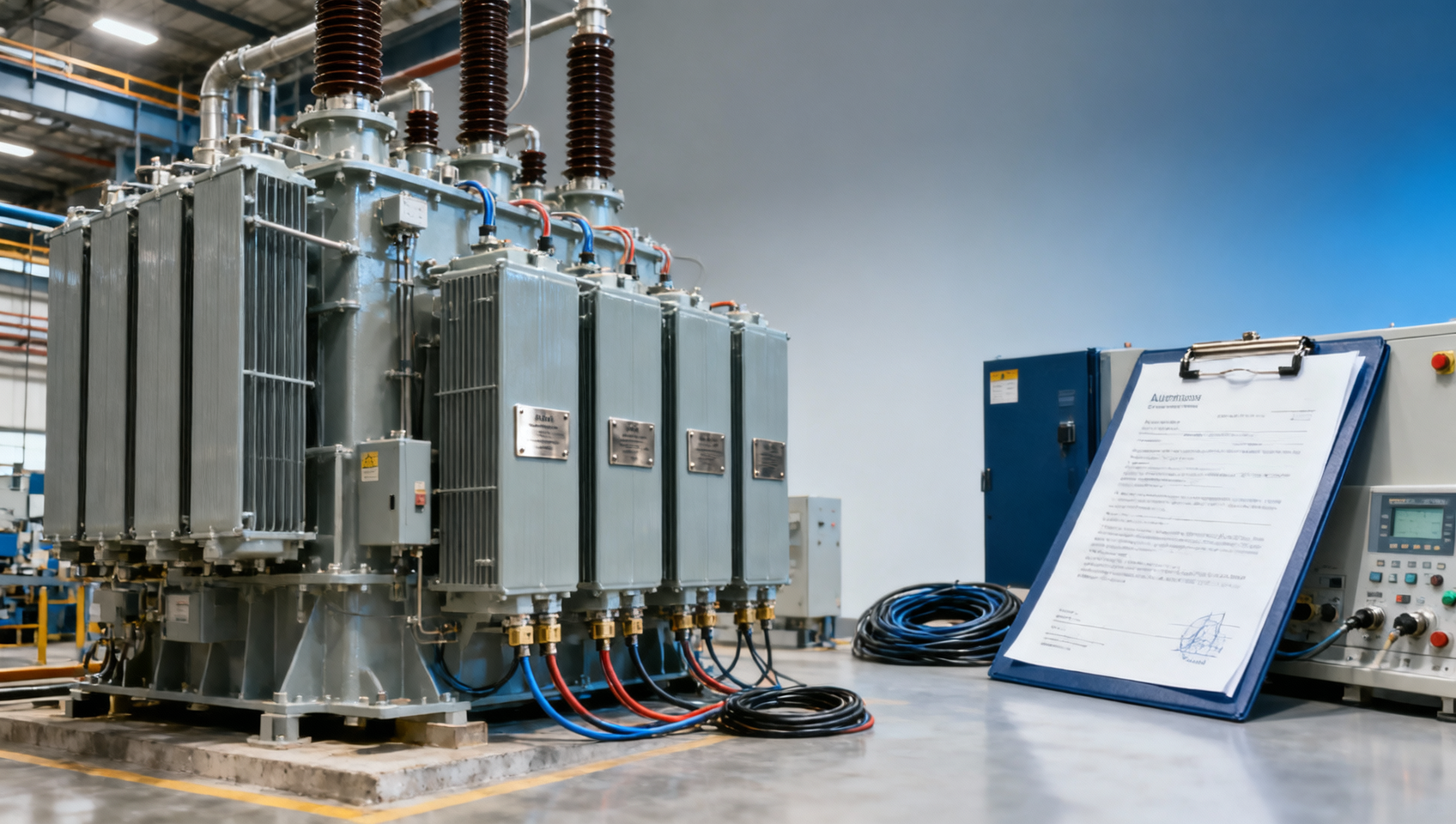
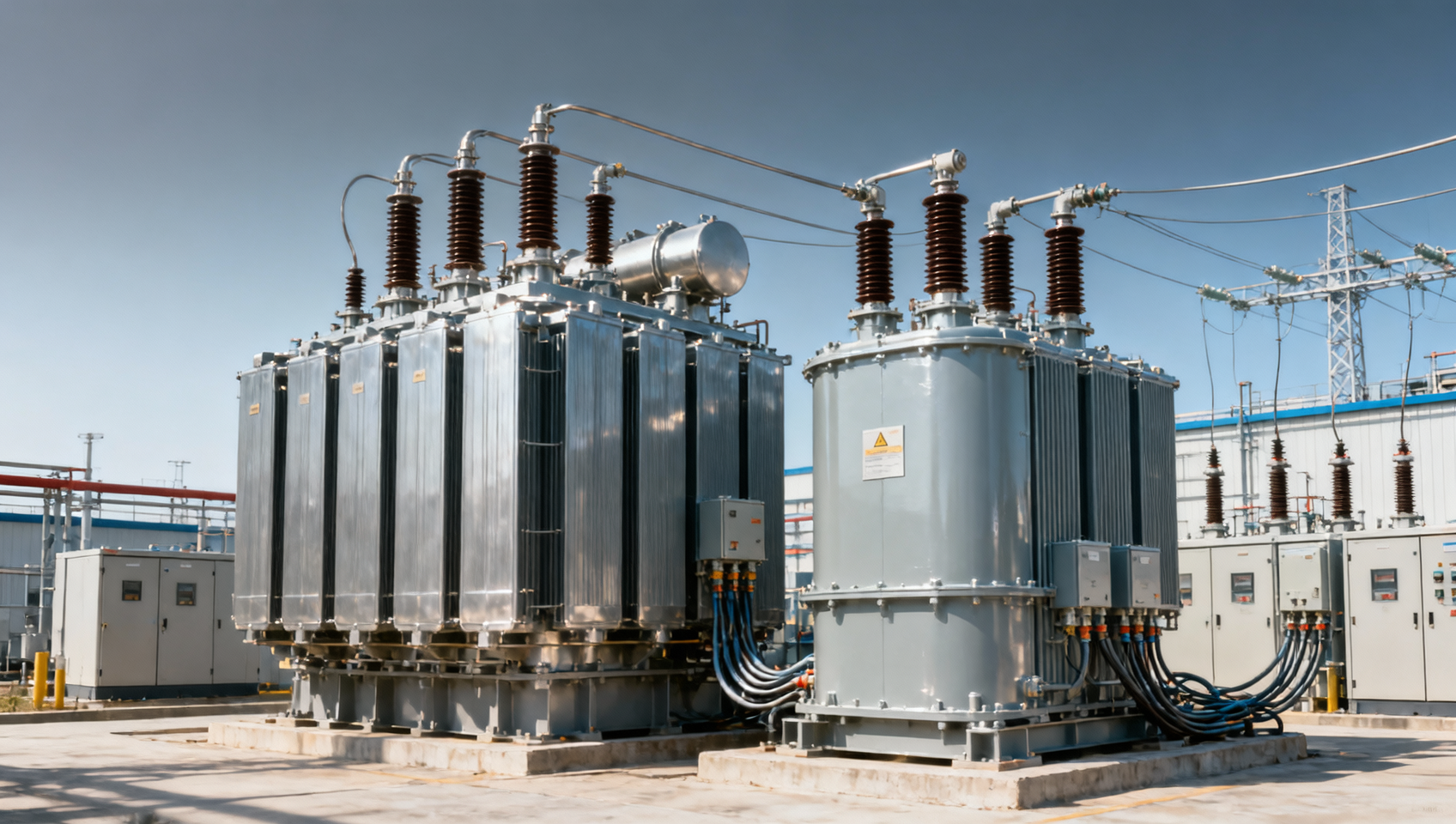
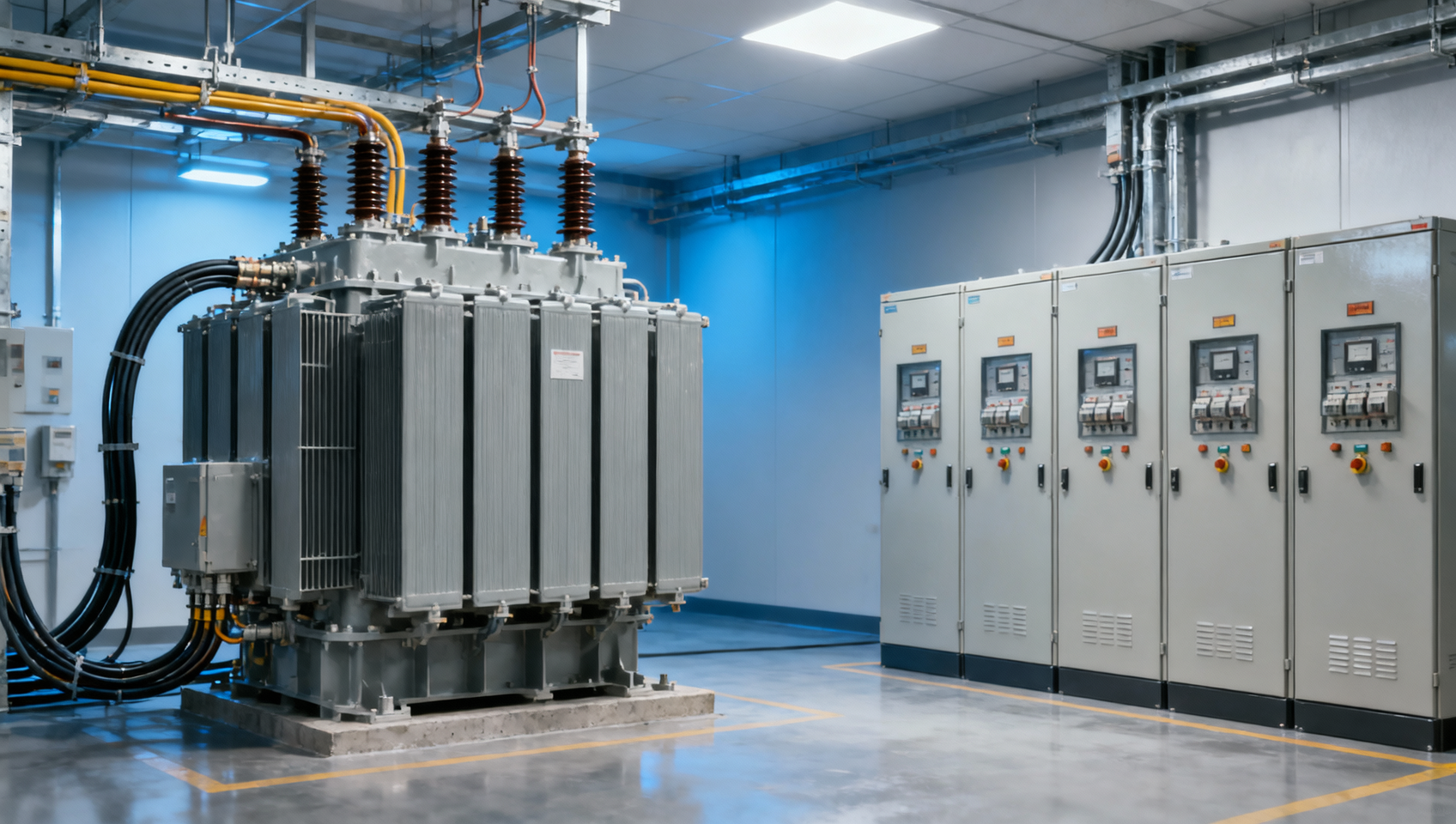
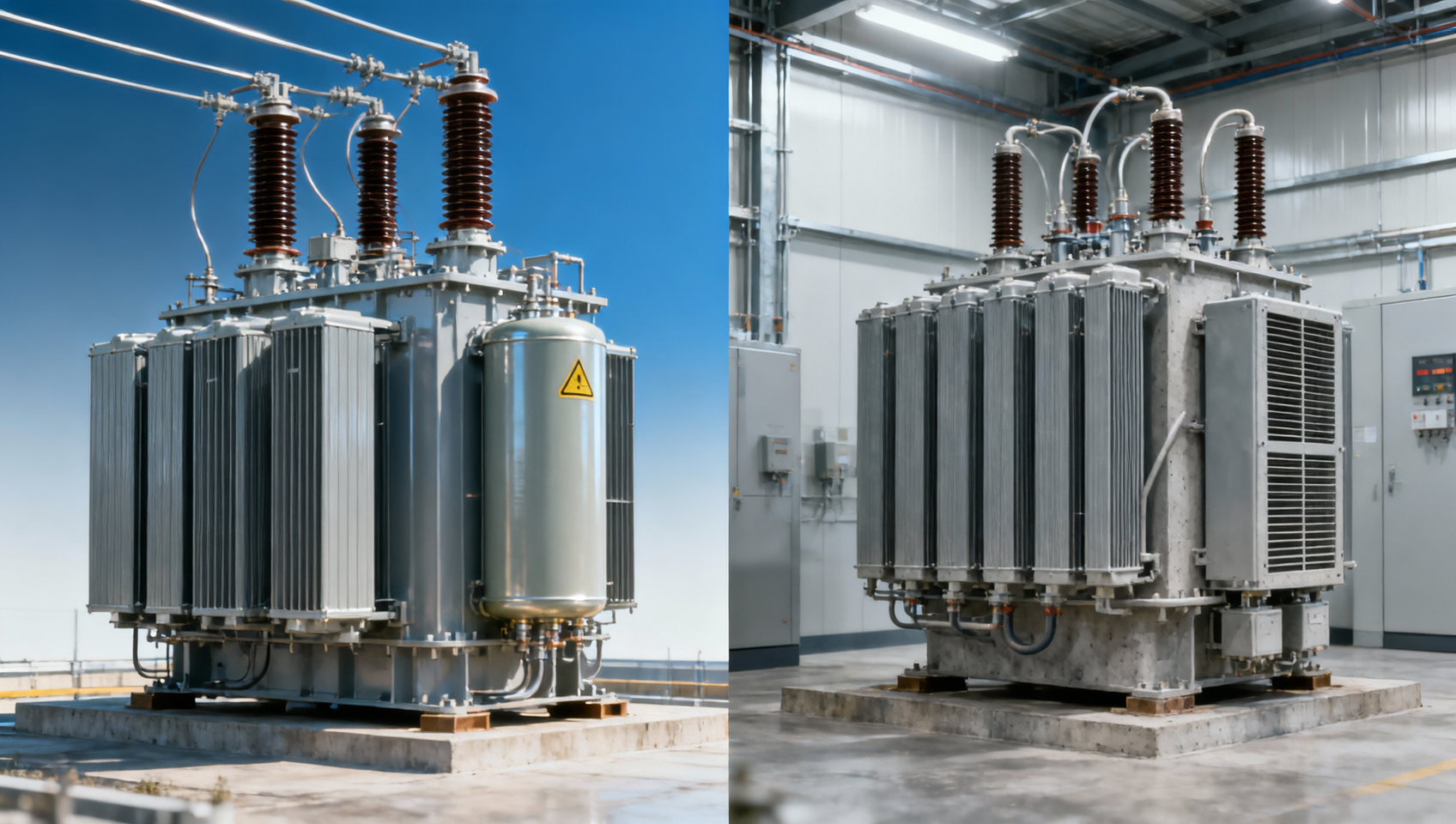
In high-voltage electrical systems, insulating oil serves a dual purpose: it acts as a superior dielectric medium and a vital thermal coolant. For enterprise decision-makers and project managers, oil health is the primary indicator of a transformer’s internal condition. Neglecting this "lifeblood" leads to more than just equipment damage; it risks catastrophic arc flashes, environmental contamination, and multi-million dollar operational halts.
From a strategic sourcing perspective, monitoring oil health transforms maintenance from a reactive cost center into a predictive asset management tool. By analyzing chemical shifts and particulate accumulation, engineers can detect insulation degradation or localized overheating months before a physical failure occurs. This proactive approach is essential for meeting the stringent safety and reliability demands of modern EPC projects and global power grids.
Essential Diagnostic Metrics: What Technical Evaluators Must Track
For technical assessment personnel and quality control managers, understanding the specific parameters of oil degradation is critical for making informed maintenance decisions. Effective monitoring focuses on three core pillars: physical properties, chemical stability, and dissolved gas concentrations.
- Dielectric Breakdown Voltage: This measures the oil's ability to withstand electrical stress. A drop in breakdown voltage usually indicates the presence of moisture or conducting particles, signaling an immediate risk of internal short-circuiting.
- Dissolved Gas Analysis (DGA): Often considered the "MRI" of transformer diagnostics, DGA identifies specific gases—such as hydrogen, methane, and acetylene—produced by thermal or electrical faults. Interpreting these gas ratios allows engineers to distinguish between minor sparking and severe cellulosic insulation charring.
- Moisture Content (Karl Fischer Titration): Water is the enemy of high-voltage insulation. Even minute concentrations (measured in ppm) accelerate the aging of solid insulation and lower the dielectric threshold of the fluid.
- Acidity and Interfacial Tension (IFT): These metrics track the oxidation levels of the oil. High acidity leads to sludge formation, which restricts cooling and can cause irreversible damage to the core and windings.
Compliance and Standards: Aligning with IEC and IEEE Frameworks
In the global industrial sector, compliance is not optional. Procurement directors and safety leads must ensure that all oil monitoring protocols align with international benchmarks such as IEC 60422 (guidelines for the supervision and maintenance of insulating oil) and IEEE C57.104 (interpretation of gases generated in oil-immersed transformers).
Adherence to these standards ensures that data-driven insights are "Trust Signals" that search engines and regulatory bodies recognize. For firms looking to expand into international markets, utilizing certified testing methodologies provides the transparency required by high-net-worth institutional buyers and insurance underwriters. It guarantees that the infrastructure is not only operational but also meets the rigorous safety compliance mandates (CE, UL, ISO) necessary for modern engineering resilience.
Operational Implementation: From Lab Analysis to Real-Time Sensors
For project managers and operators, the choice between periodic laboratory testing and continuous online monitoring is a matter of risk profile and asset criticality. While annual lab samples provide a comprehensive chemical "deep dive," mission-critical transformers often require real-time DGA monitors and moisture sensors.
Integrating these sensors into a broader SCADA (Supervisory Control and Data Acquisition) system allows for immediate alerts. This integration is a cornerstone of "Security & Safety" in power management, providing the mission-critical intelligence needed to trigger emergency cooling protocols or load shedding before an incident escalates. For mechanical and metallurgical specialists, this data also provides clues into the wear patterns of the transformer’s internal components, informing long-term replacement cycles.
Conclusion: Strengthening the Foundation of Industrial Reliability
Monitoring oil health in the Electrical & Power sector is a fundamental necessity for any enterprise committed to infrastructural integrity. By prioritizing rigorous diagnostic analysis and adhering to international safety standards, organizations protect their high-value assets from the volatility of unplanned downtime. For decision-makers and engineering leads, the value is clear: a data-driven oil management program reduces risk, optimizes maintenance budgets, and ensures the long-term resilience of the power grid. As we continue to architect the foundation of modern industry, precision in fluid diagnostics remains an indispensable pillar of operational excellence.
Technical Specifications
Expert Insights

Chief Security Architect
Dr. Thorne specializes in the intersection of structural engineering and digital resilience. He has advised three G7 governments on industrial infrastructure security.
Related Analysis
- Apr 25, 2026China Launches World's Largest Agri-Meteorological Observation NetworkAuthor :Precision Metrology Expert
- Apr 25, 2026Binggang Group & AHUT Advance Steel Slag Valorization TechAuthor :Heavy Industry Strategist
- Apr 25, 2026China Leads First ISO Standard for Zero-Carbon CitiesAuthor :Environmental Engineering Director
Core Sector // 01
Security & Safety
- Monitoring oil health in Electrical & PowerAuthor :Grid Infrastructure Analyst

- IEC 61850-90-15:2026 Published: ±100ns Time Sync for Substation SV/GOOSEAuthor :Grid Infrastructure Analyst
![]()
- IEC 61850-90-15:2026 Released — Time Stamp Precision Upgrade Impacts Power Equipment ExportsAuthor :Grid Infrastructure Analyst
![]()
- Shanghai Yangshan Port Launches Green Clearance for Industrial EquipmentAuthor :Grid Infrastructure Analyst
![]()
- How to Vet a Power Transformer ManufacturerAuthor :Grid Infrastructure Analyst

- How to Source Distribution TransformersAuthor :Grid Infrastructure Analyst

- Cast Resin Dry Type Transformer UsesAuthor :Grid Infrastructure Analyst

- Oil Immersed Transformer vs Dry TypeAuthor :Grid Infrastructure Analyst