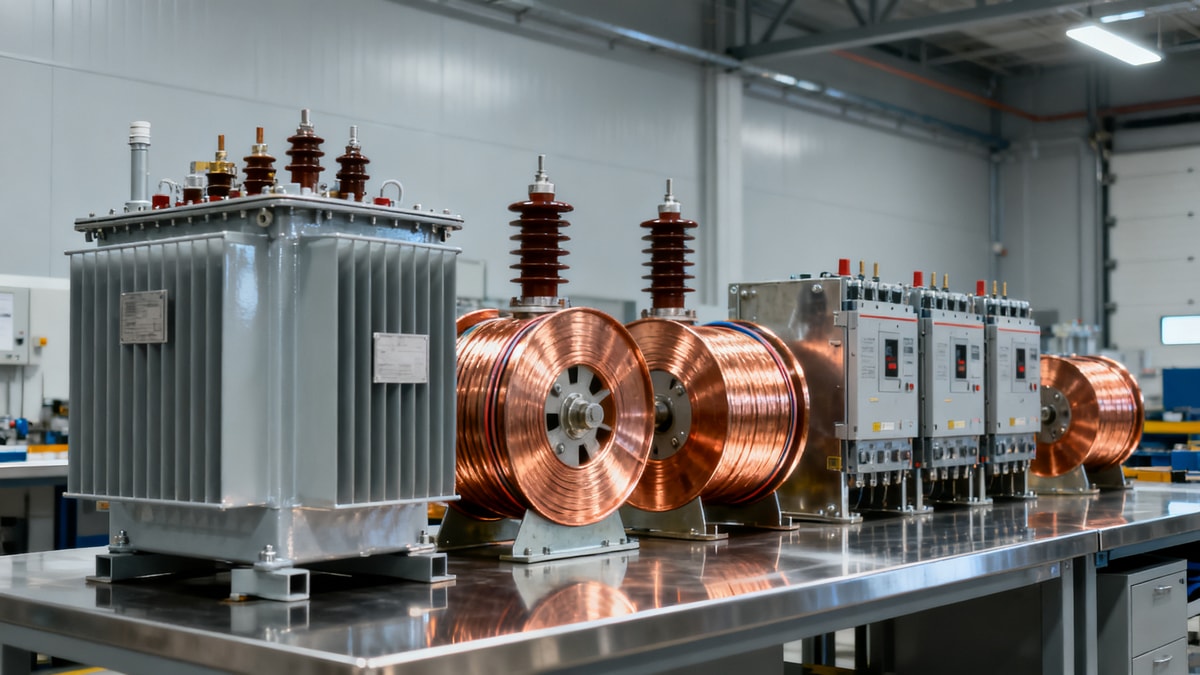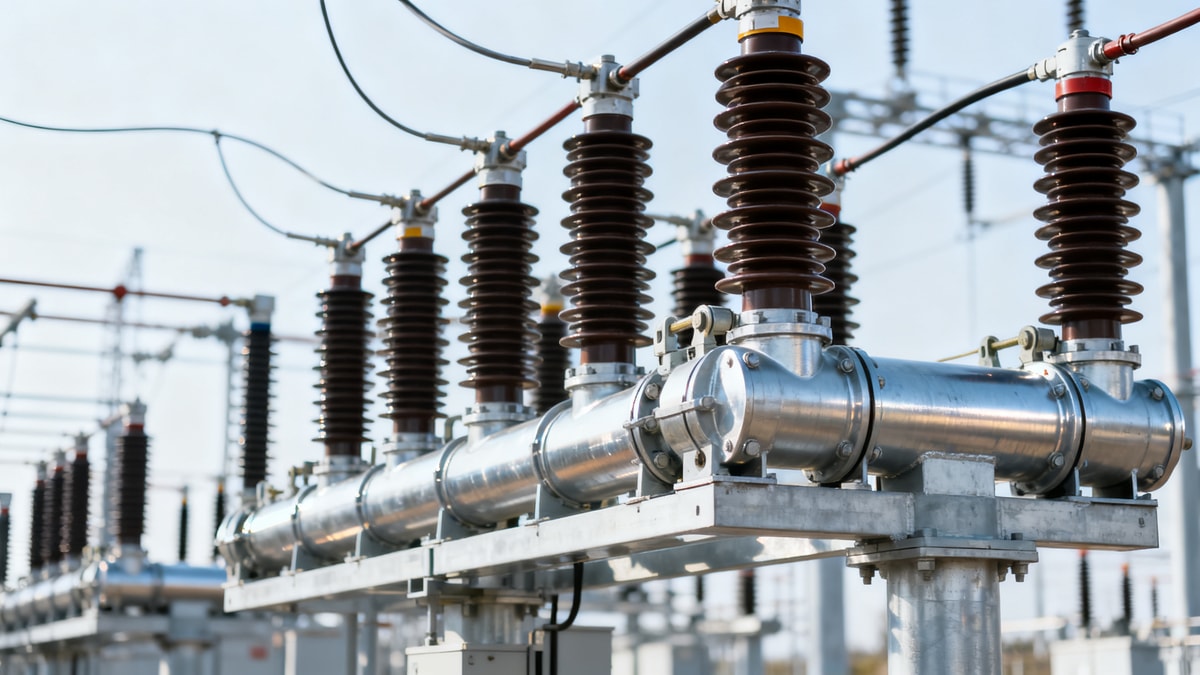
DOE Raises Industrial Dry-Type Transformer Efficiency to IE4
Author
Date Published
Reading Time
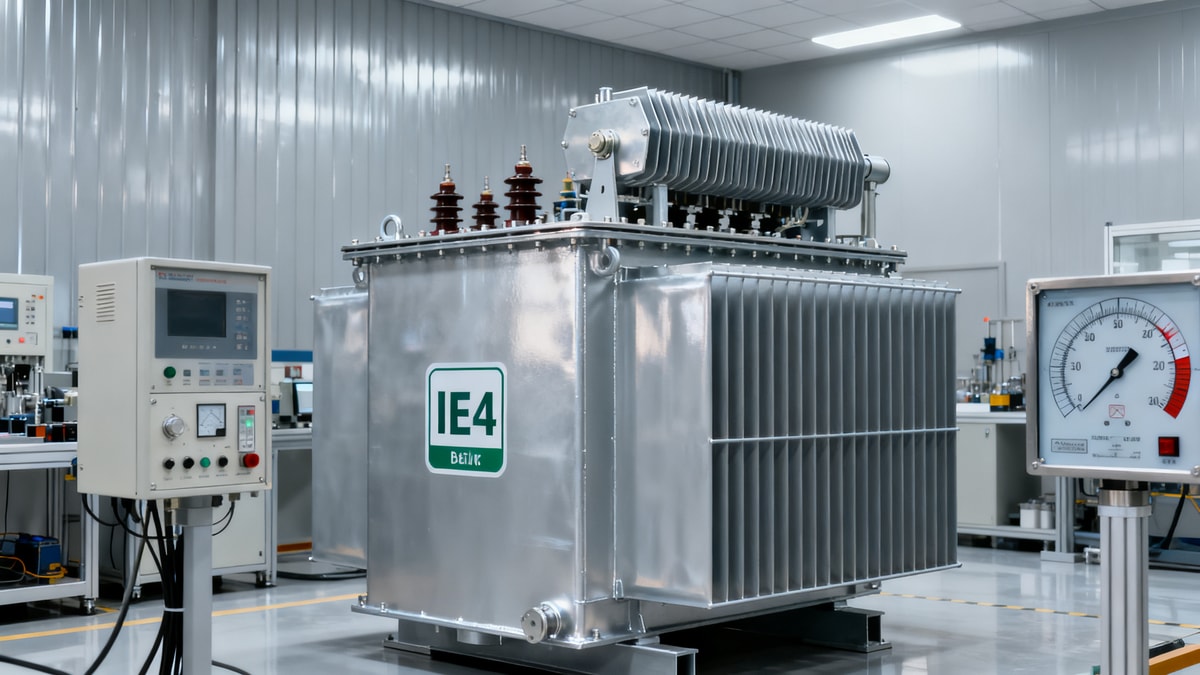
On April 29, 2026, the U.S. Department of Energy (DOE) finalized a rule raising the minimum energy efficiency standard for industrial dry-type transformers (10–2500 kVA) from IE3 to IE4, effective December 1, 2026. This update directly affects manufacturers, exporters, and distributors supplying these transformers to the U.S. market—and especially impacts Chinese enterprises engaged in export compliance, product certification, and DOE registration.
Event Overview
The U.S. Department of Energy published the Final Rule under 10 CFR Part 431 on April 29, 2026. It mandates that all new industrial dry-type transformers with rated capacities between 10 kVA and 2500 kVA must meet the IE4 efficiency level as defined in IEC 60076-20:2023. The requirement takes effect on December 1, 2026. Affected products must carry updated efficiency labels and be registered with DOE prior to import or sale in the United States.
Industries Affected by the Change
Direct Exporters (U.S.-bound)
Exporters shipping dry-type transformers to the U.S. will face mandatory re-certification and label revision. Non-compliant units shipped after December 1, 2026, risk rejection at customs or enforcement action.
Manufacturers (OEM/ODM)
Manufacturers—particularly those producing for export—must revise design specifications, test protocols, and production documentation to align with IE4 performance requirements. This may involve coil optimization, core material upgrades, and revised thermal management.
Supply Chain & Compliance Service Providers
Third-party testing labs, DOE registration agents, and labeling service providers will see increased demand for IE4 verification, DOE database submission, and bilingual (English/Chinese) technical documentation support.
What Enterprises and Practitioners Should Focus On — And How to Respond
Monitor official DOE guidance and implementation notices
The DOE may issue supplemental FAQs, enforcement clarifications, or transitional allowances before December 2026. Exporters should subscribe to DOE’s Appliance and Equipment Standards Program updates and review any posted notices on regulations.gov.
Verify model-level compliance ahead of shipment cycles
IE4 compliance is not automatic—even for previously IE3-certified models. Each transformer model must undergo independent testing per DOE-specified procedures (e.g., IEEE C57.12.01–2022 + DOE Appendix A to Subpart K). Pre-shipment validation is essential.
Update DOE registration and efficiency labels without delay
DOE requires each covered model to be registered in its public database with accurate efficiency values, test reports, and labeling data. Labels must reflect IE4 status and comply with formatting rules in 10 CFR 431.466. Delayed or inaccurate registration may halt market access.
Align procurement and inventory planning with the December 2026 deadline
Production lead times for IE4-compliant units—including core sourcing, winding, and testing—may extend beyond historical norms. Enterprises should adjust purchase orders, buffer stock levels, and logistics scheduling to avoid supply gaps post-deadline.
Editorial Perspective / Industry Observation
Observably, this rule represents a formalized step—not an isolated policy shift—in the broader trend toward harmonizing U.S. transformer standards with IEC 60076-20:2023. Analysis shows it signals growing regulatory alignment between North America and key global markets adopting IE4 as a baseline for industrial equipment. From an industry perspective, it is less a sudden disruption and more a structured inflection point: one that rewards proactive technical adaptation over reactive compliance. Current attention should focus less on whether the rule applies—and more on how quickly verifiable, audit-ready IE4 evidence can be generated across product lines.
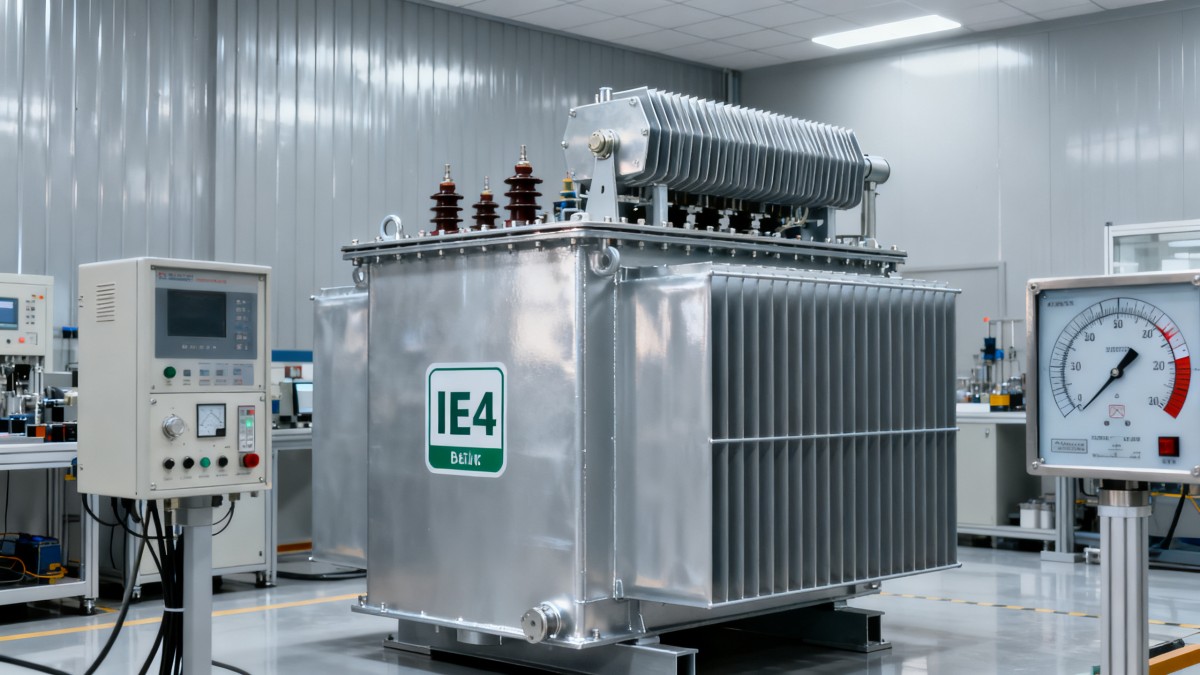
Conclusion: This update reflects an enforceable regulatory milestone—not merely a proposal or recommendation. Its significance lies not in novelty, but in binding operational consequence: starting December 1, 2026, IE4 is the legal floor for covered dry-type transformers entering the U.S. market. It is more accurately understood as a compliance threshold than a long-term strategy signal; enterprises are advised to treat it as a hard deadline requiring technical, documentation, and registration readiness—rather than a directional indicator open to interpretation.
Source: U.S. Department of Energy, 10 CFR Part 431 Final Rule, published April 29, 2026; effective December 1, 2026. Pending items for continued observation include potential DOE-issued enforcement guidance, model-specific transition provisions, and third-party lab accreditation updates related to IE4 testing methodology.
Technical Specifications
Expert Insights

Chief Security Architect
Dr. Thorne specializes in the intersection of structural engineering and digital resilience. He has advised three G7 governments on industrial infrastructure security.
Related Analysis
- Apr 30, 2026Egypt SMIIC Mandates Arabic Energy Labels for Industrial PumpsAuthor :Heavy Industry Strategist
- Apr 30, 2026TÜV SÜD Launches China Industrial Optics Fast TrackAuthor :Precision Metrology Expert
- Apr 30, 2026LME Nickel Surges 5.2% on April 29, 2026: Impact on Stainless Bearings & SealsAuthor :Heavy Industry Strategist
Core Sector // 01
Security & Safety
- DOE Raises Industrial Dry-Type Transformer Efficiency to IE4Author :Grid Infrastructure Analyst

- Copper Price Surge Impacts Industrial Components BOM CostsAuthor :Grid Infrastructure Analyst

- High Voltage Disconnectors: Key Selection TipsAuthor :Grid Infrastructure Analyst

- SCFI Surges 12.3% on Apr 26, Shanghai–Rotterdam Rate Hits $4,480/TEUAuthor :Grid Infrastructure Analyst
![]()
- Monitoring oil health in Electrical & PowerAuthor :Grid Infrastructure Analyst

- IEC 61850-90-15:2026 Published: ±100ns Time Sync for Substation SV/GOOSEAuthor :Grid Infrastructure Analyst
![]()
- IEC 61850-90-15:2026 Released — Time Stamp Precision Upgrade Impacts Power Equipment ExportsAuthor :Grid Infrastructure Analyst
![]()
- Shanghai Yangshan Port Launches Green Clearance for Industrial EquipmentAuthor :Grid Infrastructure Analyst
![]()