
Revised Maritime Code Takes Effect May 1, 2026
Author
Date Published
Reading Time
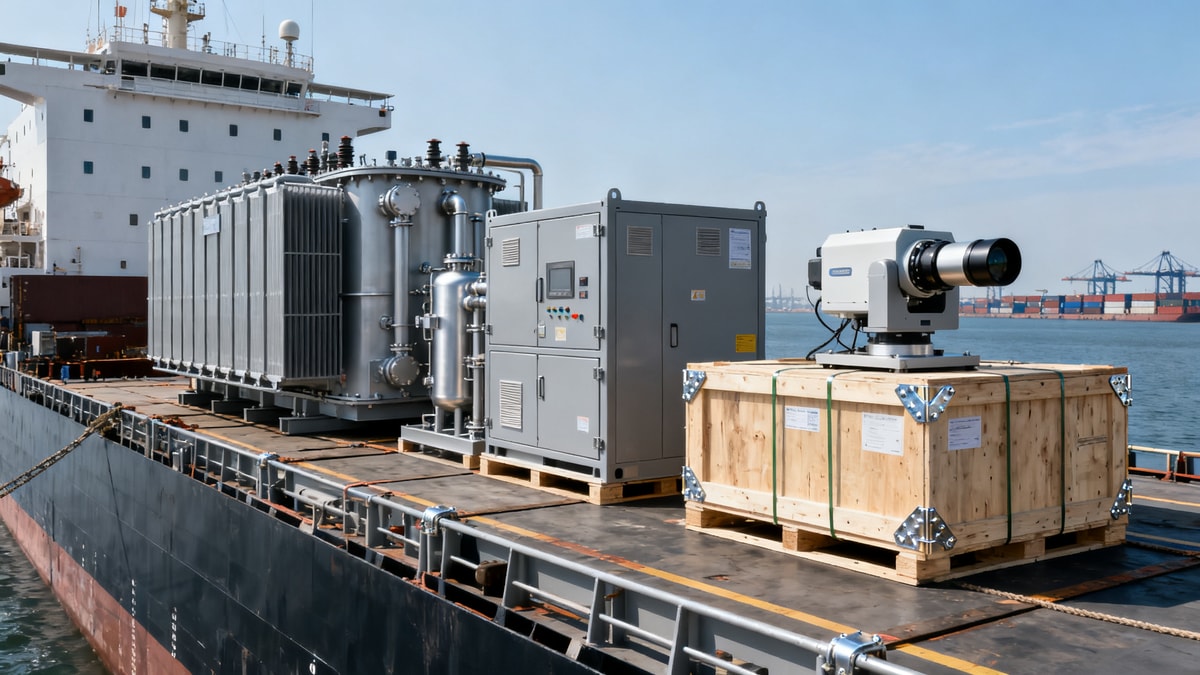
On May 1, 2026, the newly revised Maritime Code of the People’s Republic of China enters into force—introducing significant adjustments to carrier liability for large industrial equipment and formally recognizing the legal validity of electronic bills of lading. This update directly affects exporters of heavy industrial equipment, overseas buyers, freight forwarders, insurers, and dispute resolution practitioners involved in cross-border maritime logistics.
Event Overview
The revised Maritime Code of the People’s Republic of China becomes effective on May 1, 2026. It explicitly strengthens carrier liability for cargo damage to large industrial equipment—including transformers, water treatment systems, and optical inspection instruments—occurring during sea transport due to inadequate packaging or failure to ensure seaworthiness. The revision also adds a provision confirming the legal effect of electronic bills of lading.
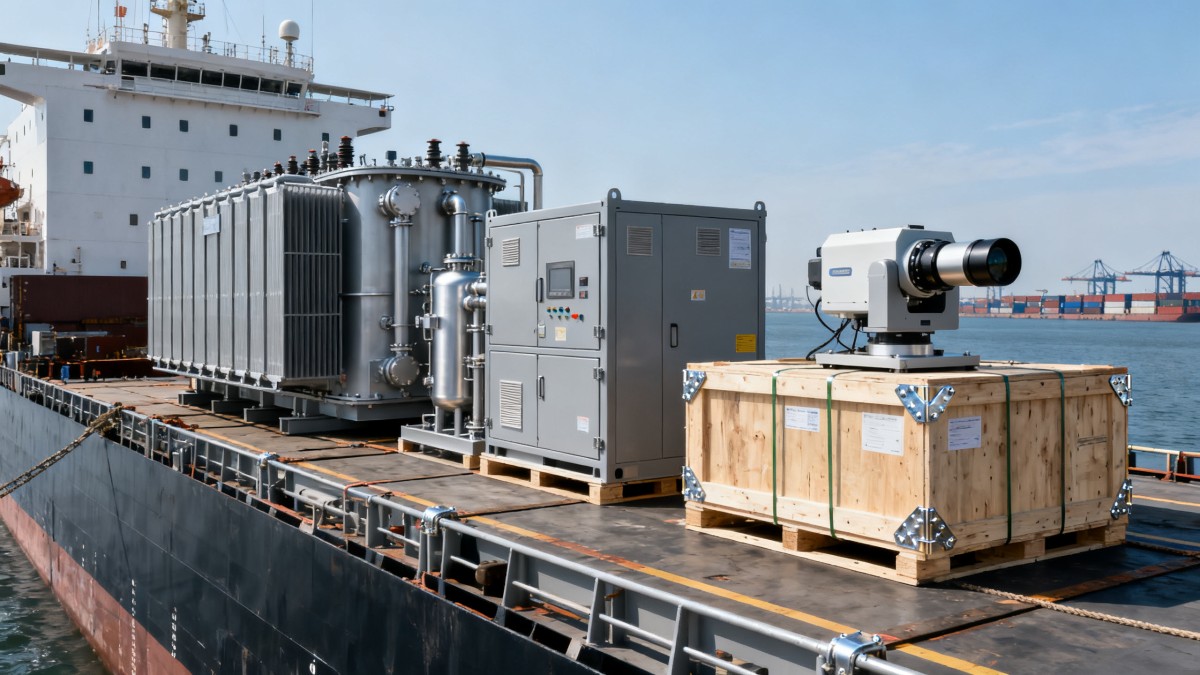
Industries Affected
Direct Exporters of Heavy Industrial Equipment
These enterprises face heightened liability exposure when shipping high-value, sensitive equipment. Under the revised Code, carriers may be held more strictly accountable for packaging-related or seaworthiness-related losses—potentially shifting negotiation leverage and risk allocation in sales contracts (e.g., Incoterms® usage) and affecting claims handling with insurers.
Overseas Buyers and End-Use Industrial Clients
Buyers relying on Chinese-sourced industrial systems may reassess delivery assurance expectations, especially where equipment integrity is mission-critical (e.g., power infrastructure, semiconductor fabrication lines). The strengthened carrier obligations may influence procurement timelines, acceptance criteria, and contractual clauses related to transport risk and remedies.
Maritime Freight Forwarders and NVOCCs
As intermediaries managing documentation and carrier coordination, forwarders must now verify packaging compliance and seaworthiness declarations more rigorously—particularly for oversized or temperature-/vibration-sensitive cargo. Their role in issuing or endorsing electronic bills of lading also carries new legal weight under the updated framework.
Marine Cargo Insurers and Risk Managers
Insurers may revise underwriting guidelines for policies covering industrial equipment shipments from China, especially concerning packaging standards and pre-shipment condition certifications. Claims assessment processes may increasingly reference the revised Code’s liability thresholds when evaluating fault attribution.
What Enterprises and Practitioners Should Focus On
Monitor official guidance and judicial interpretations
Analysis shows that the practical application of “inadequate packaging” and “failure to ensure seaworthiness” will depend heavily on forthcoming judicial interpretations and administrative guidance from the Supreme People’s Court or Ministry of Transport. These documents will clarify evidentiary standards and burden-of-proof allocations in disputes.
Review contracts and Incoterms® alignment for key export categories
Current more relevant are transformer, water treatment system, and precision optical instrument exports—especially those destined for markets with strict regulatory oversight (e.g., EU, U.S., ASEAN). Enterprises should verify whether existing sales contracts allocate transport risk in ways consistent with the revised liability regime—and whether electronic bill of lading clauses are enforceable under both Chinese law and destination jurisdiction requirements.
Distinguish between legal signal and operational implementation
Observably, the revised Code sets a legal baseline—but enforcement consistency across ports and courts remains variable. Companies should treat the May 1, 2026 date as a formal trigger for internal process updates, not assume immediate uniform adoption by all carriers or customs authorities.
Update pre-shipment verification and documentation workflows
Practically, exporters and forwarders should strengthen pre-loading checks for packaging integrity (e.g., crating, bracing, moisture barriers), obtain third-party seaworthiness certificates where appropriate, and ensure electronic bills of lading are issued through authorized platforms compliant with China’s Electronic Signature Law.
Editorial Perspective / Industry Observation
This revision is better understood as a structural signal—not yet a fully realized operational shift. Analysis shows it reflects China’s broader effort to align maritime commercial rules with international digital trade practices (e.g., UNCITRAL Model Law on Electronic Transferable Records), while reinforcing accountability in high-stakes industrial logistics. From an industry perspective, its significance lies less in immediate litigation outcomes and more in how it recalibrates contractual expectations, insurance terms, and supply chain due diligence standards over the next 12–24 months. Continuous observation is warranted as early case law develops.
Conclusion
The entry into force of the revised Maritime Code marks a formal step toward greater legal clarity—and higher operational accountability—in maritime transport of industrial equipment from China. It does not introduce radical novelty but sharpens existing liability frameworks and validates digital documentation. For stakeholders, the current emphasis should be on alignment—not alarm: reviewing contracts, updating documentation protocols, and preparing for evolving interpretations rather than assuming immediate systemic disruption.
Source Attribution
Main source: Official promulgation notice of the revised Maritime Code of the People’s Republic of China, published by the Standing Committee of the National People’s Congress. Note: Judicial interpretations and enforcement practices remain under observation and are not yet publicly available.
Technical Specifications
- ILAC Recognizes CNAS Bearing Vibration ReportsAuthor :Heavy Industry Strategist
- ESMA Mandates EN 14181 QA/QC Level 3 for Industrial Water Sensors in UAEAuthor :Environmental Engineering Director
- JIS T 8201-2026 Enforces New Low-Temp Impact Test for Fire Respirator MasksAuthor :Safety Compliance Lead
Expert Insights

Chief Security Architect
Dr. Thorne specializes in the intersection of structural engineering and digital resilience. He has advised three G7 governments on industrial infrastructure security.
Related Analysis
- May 01, 2026ILAC Recognizes CNAS Bearing Vibration ReportsAuthor :Heavy Industry Strategist
- May 01, 2026ESMA Mandates EN 14181 QA/QC Level 3 for Industrial Water Sensors in UAEAuthor :Environmental Engineering Director
- May 01, 2026JIS T 8201-2026 Enforces New Low-Temp Impact Test for Fire Respirator MasksAuthor :Safety Compliance Lead
Core Sector // 01
Security & Safety
- DOE Raises Industrial Dry-Type Transformer Efficiency to IE4Author :Grid Infrastructure Analyst

- Revised Maritime Code Takes Effect May 1, 2026Author :Grid Infrastructure Analyst

- DOE Raises Industrial Dry-Type Transformer Efficiency to IE4Author :Grid Infrastructure Analyst

- Copper Price Surge Impacts Industrial Components BOM CostsAuthor :Grid Infrastructure Analyst

- High Voltage Disconnectors: Key Selection TipsAuthor :Grid Infrastructure Analyst

- SCFI Surges 12.3% on Apr 26, Shanghai–Rotterdam Rate Hits $4,480/TEUAuthor :Grid Infrastructure Analyst
![]()
- Monitoring oil health in Electrical & PowerAuthor :Grid Infrastructure Analyst

- IEC 61850-90-15:2026 Published: ±100ns Time Sync for Substation SV/GOOSEAuthor :Grid Infrastructure Analyst
![]()