DOE Raises Industrial Dry-Type Transformer Efficiency to IE4
Author
Date Published
Reading Time
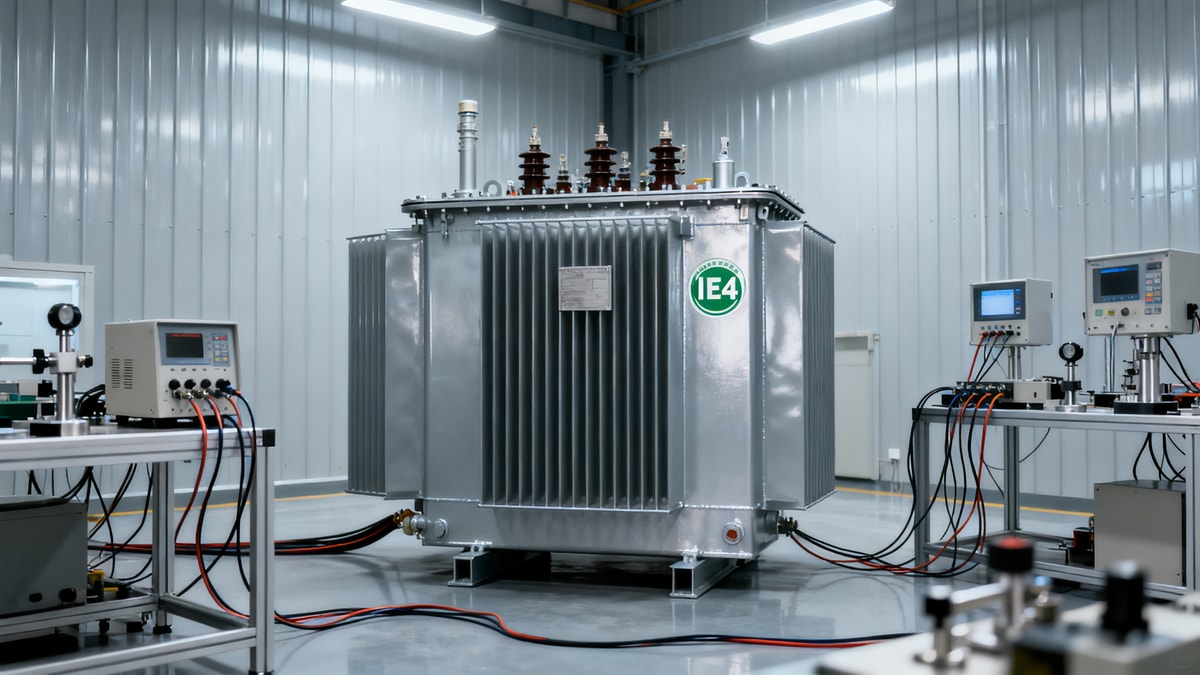
A new U.S. Department of Energy (DOE) rule—effective October 1, 2026—mandates IE4 minimum efficiency for industrial dry-type transformers rated ≥10 kVA. Exporters, especially those in China supplying the U.S. market, must act before September 2026 to verify compliance and update Declarations of Conformity (DoC), or risk customs detention and penalties.
Event Overview
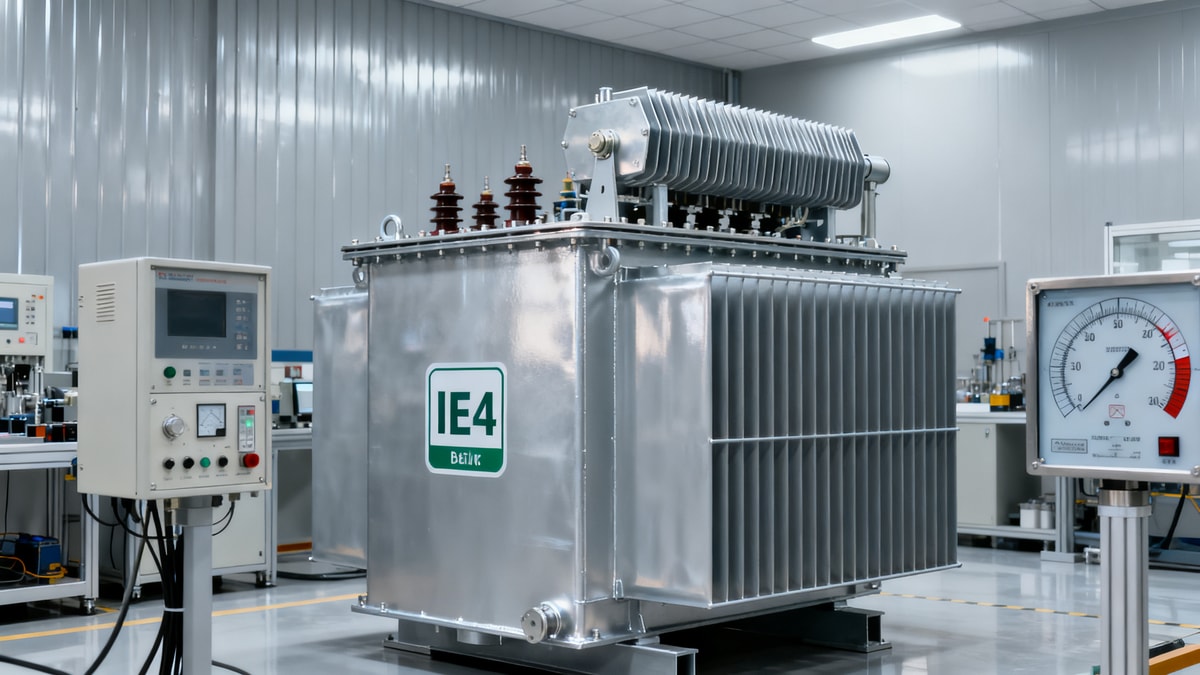
On April 29, 2024, the U.S. Department of Energy (DOE) issued its final rule amending energy conservation standards for industrial dry-type transformers. The rule raises the mandatory minimum efficiency level from IE3 to IE4 under the International Electrotechnical Commission (IEC) 60076-20 standard. The updated standard applies to all such transformers with rated capacity of 10 kVA or greater imported into the United States, and takes effect on October 1, 2026.
Industries Affected by This Regulation
Direct Exporters (U.S.-bound manufacturers and trading companies)
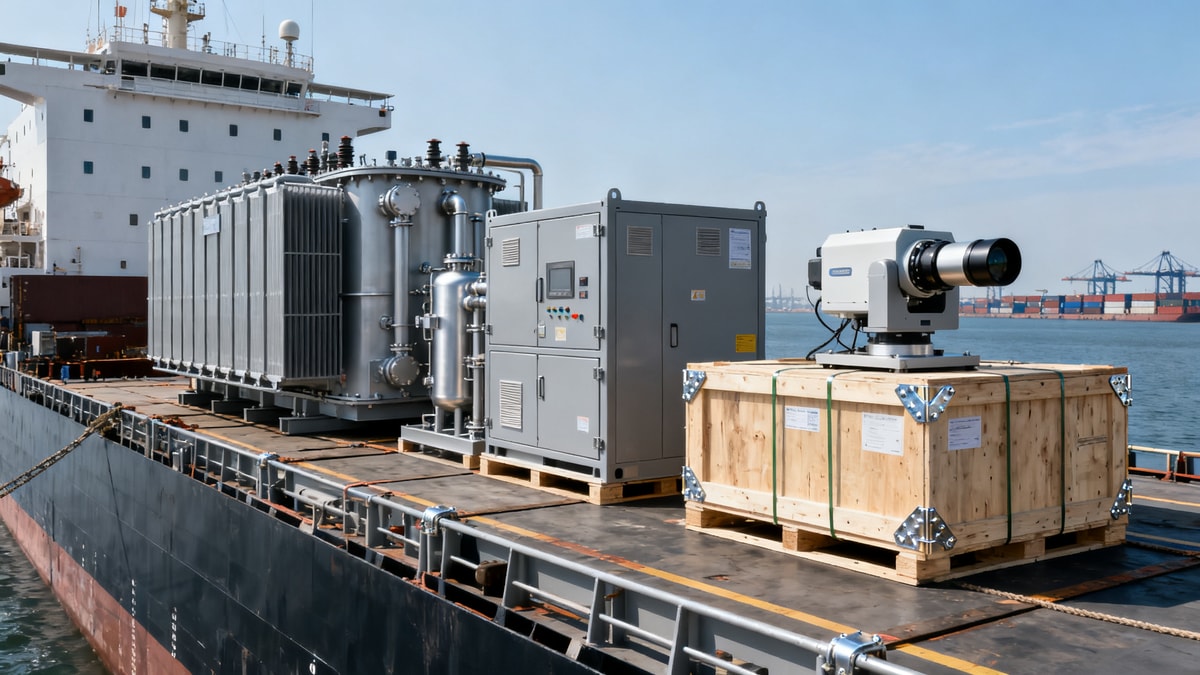
Exporters shipping industrial dry-type transformers ≥10 kVA to the U.S. are directly subject to the rule. Non-compliant units will not clear U.S. Customs after October 1, 2026. Affected entities must obtain third-party verification of IE4 performance and revise their DoC documentation accordingly.
Manufacturers (OEMs and contract producers)
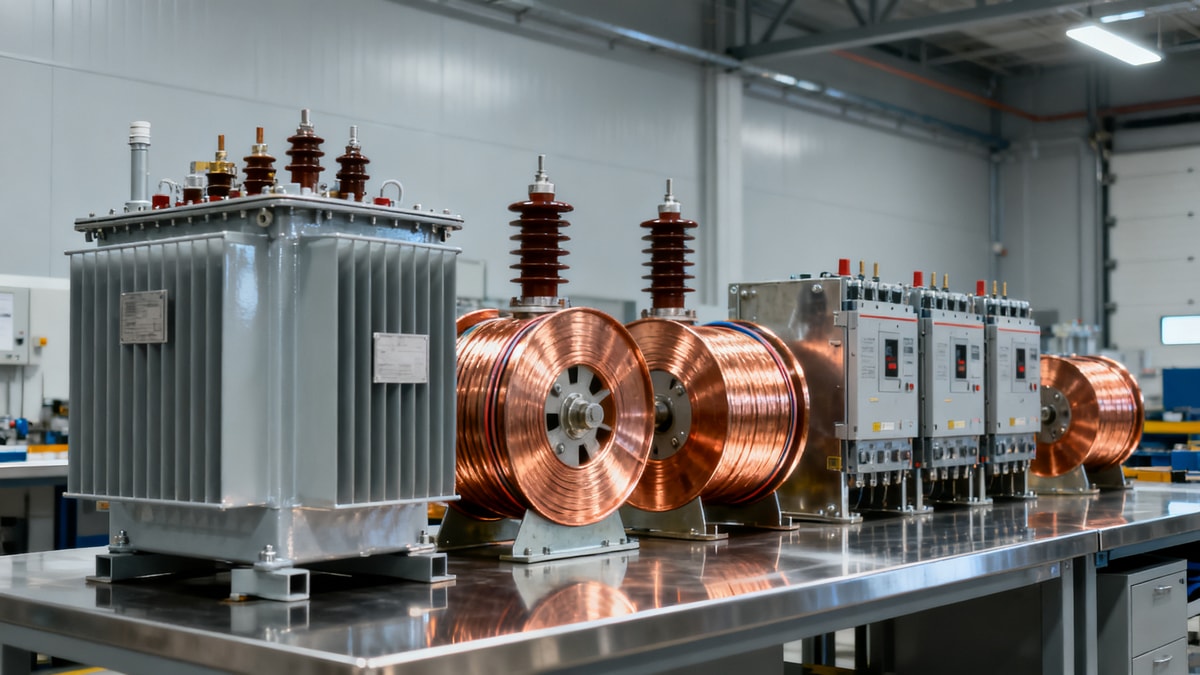
Manufacturers producing for export—including facilities in China and other exporting countries—must redesign or revalidate transformer designs to meet IE4 losses (e.g., reduced no-load and load losses). Production lines, material specifications (e.g., core steel grade, conductor type), and test protocols may require adjustment prior to September 2026.
Supply Chain & Certification Service Providers
Testing laboratories, certification bodies, and conformity assessment providers face increased demand for IE4-level verification and reporting aligned with DOE’s prescribed test methods (e.g., IEEE C57.12.90, DOE Appendix A to Subpart K). Lead times for testing and certification may tighten as deadlines approach.
What Relevant Companies or Practitioners Should Focus On—and How to Respond
Verify current product models against DOE’s official scope and test procedure
Confirm whether each exported model falls within the defined coverage: three-phase or single-phase, dry-type, ≥10 kVA, and intended for industrial use (excluding utility distribution or special-purpose units explicitly excluded in the rule). Use only DOE-recognized test methods—not internal or non-aligned IEC reports—for compliance evidence.
Update Declaration of Conformity (DoC) and supporting technical files by September 2026
DOE requires a signed DoC stating compliance with the new IE4 standard, accompanied by test data, nameplate information, and design documentation. Exporters must ensure this documentation is complete, accurate, and retained for five years. Incomplete or inconsistent DoCs increase risk of post-entry review or rejection.
Engage accredited labs early to secure testing capacity and avoid bottlenecks
Accredited laboratories capable of performing DOE-specified tests (including temperature-corrected loss measurements per Appendix A) report constrained availability ahead of major regulatory deadlines. Firms should initiate test planning no later than Q3 2025 to align with production and shipping schedules.
Monitor for potential enforcement guidance or FAQs from DOE
While the final rule is published, DOE may issue supplementary implementation guidance—such as clarifications on labeling, recordkeeping formats, or transitional provisions—before October 2026. Subscribing to DOE’s Building Technologies Office updates is advisable for timely awareness.
Editorial Perspective / Industry Observation
Observably, this rule marks a concrete step toward harmonizing U.S. transformer standards with global efficiency trends—IE4 is already required in the EU (under Ecodesign Regulation 548/2014) and increasingly adopted in Canada and South Korea. Analysis shows the shift reflects both energy policy priorities and growing emphasis on lifecycle cost transparency for industrial buyers. From an industry perspective, the October 2026 effective date provides a defined, non-extendable timeline—making it less a signal and more an operational deadline. Current attention should focus less on whether the rule will apply, and more on how readiness gaps (e.g., design validation, documentation alignment, lab access) are being closed across supply tiers.
Conclusion
This regulation represents a binding, near-term compliance requirement—not a long-term policy proposal. For exporters and manufacturers, its significance lies in enforceability: failure to meet the IE4 threshold and associated documentation requirements will result in tangible trade consequences starting October 1, 2026. It is more appropriately understood as a hard deadline for operational readiness than as a strategic inflection point requiring broad market repositioning.
Source: U.S. Department of Energy, Final Rule: Energy Conservation Standards for Industrial Dry-Type Transformers, published April 29, 2024 (89 FR 29750); effective date: October 1, 2026. Ongoing implementation details—including lab accreditation status and DoC templates—are subject to further notice and remain under observation.
Technical Specifications
- ILAC Recognizes CNAS Bearing Vibration ReportsAuthor :Heavy Industry Strategist
- ESMA Mandates EN 14181 QA/QC Level 3 for Industrial Water Sensors in UAEAuthor :Environmental Engineering Director
- JIS T 8201-2026 Enforces New Low-Temp Impact Test for Fire Respirator MasksAuthor :Safety Compliance Lead
Expert Insights

Chief Security Architect
Dr. Thorne specializes in the intersection of structural engineering and digital resilience. He has advised three G7 governments on industrial infrastructure security.
Related Analysis
- May 01, 2026ILAC Recognizes CNAS Bearing Vibration ReportsAuthor :Heavy Industry Strategist
- May 01, 2026ESMA Mandates EN 14181 QA/QC Level 3 for Industrial Water Sensors in UAEAuthor :Environmental Engineering Director
- May 01, 2026JIS T 8201-2026 Enforces New Low-Temp Impact Test for Fire Respirator MasksAuthor :Safety Compliance Lead
Core Sector // 01
Security & Safety
- DOE Raises Industrial Dry-Type Transformer Efficiency to IE4Author :Grid Infrastructure Analyst

- Revised Maritime Code Takes Effect May 1, 2026Author :Grid Infrastructure Analyst

- DOE Raises Industrial Dry-Type Transformer Efficiency to IE4Author :Grid Infrastructure Analyst

- Copper Price Surge Impacts Industrial Components BOM CostsAuthor :Grid Infrastructure Analyst

- High Voltage Disconnectors: Key Selection TipsAuthor :Grid Infrastructure Analyst

- SCFI Surges 12.3% on Apr 26, Shanghai–Rotterdam Rate Hits $4,480/TEUAuthor :Grid Infrastructure Analyst
![]()
- Monitoring oil health in Electrical & PowerAuthor :Grid Infrastructure Analyst

- IEC 61850-90-15:2026 Published: ±100ns Time Sync for Substation SV/GOOSEAuthor :Grid Infrastructure Analyst
![]()