High Voltage Disconnectors: Key Selection Tips
Author
Date Published
Reading Time
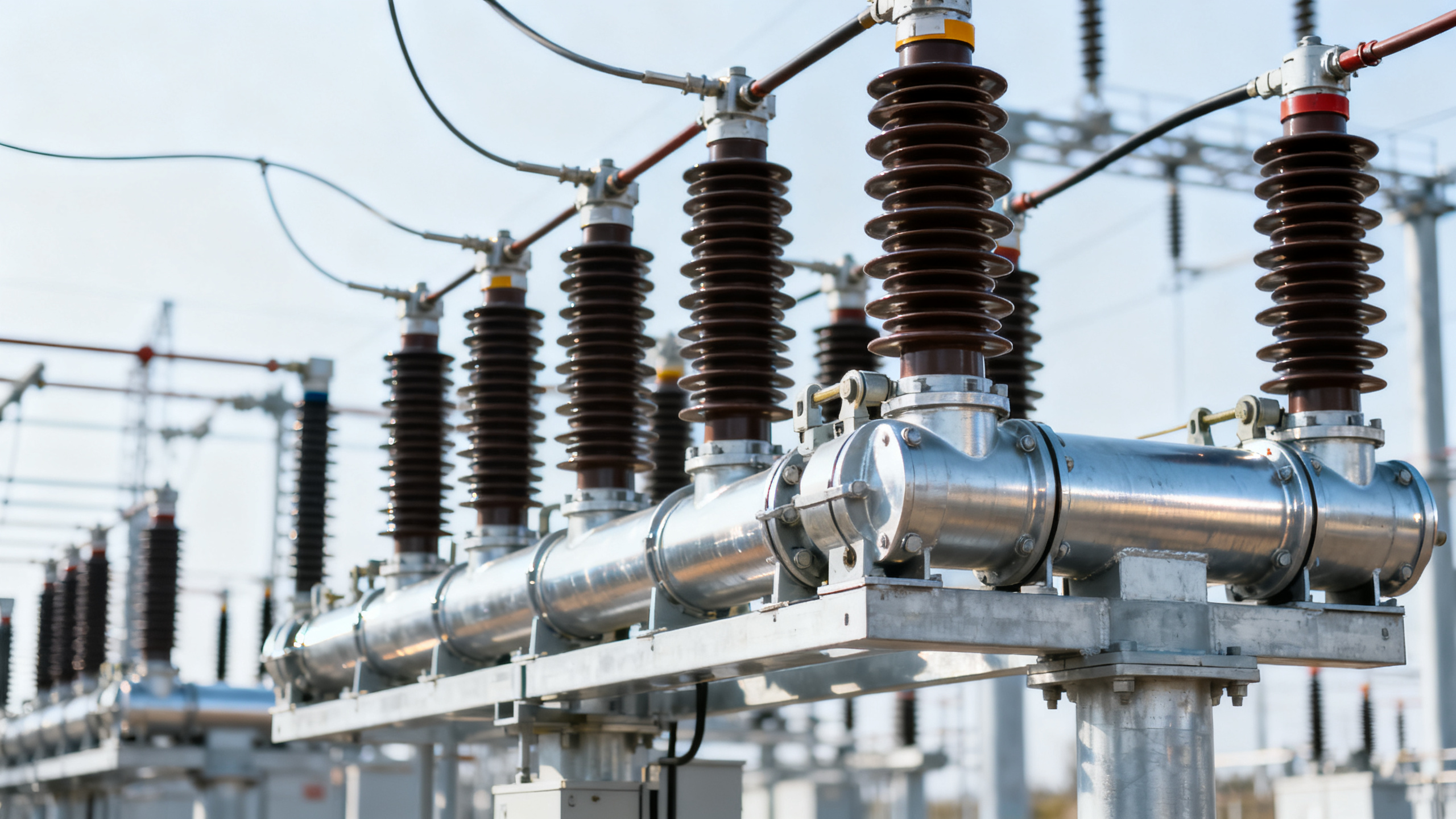
Selecting high voltage disconnectors is critical for grid safety, uptime, and long-term asset performance. For buyers comparing xlpe power cables, overhead line fittings, composite polymer insulators, vacuum circuit breakers vcb, surge protective device spd, and wholesale electrical cables, the right disconnector choice affects compliance, maintenance, and system reliability. This guide outlines practical selection tips for researchers, operators, procurement teams, and decision-makers managing modern power infrastructure.
What should a buyer evaluate first when selecting high voltage disconnectors?
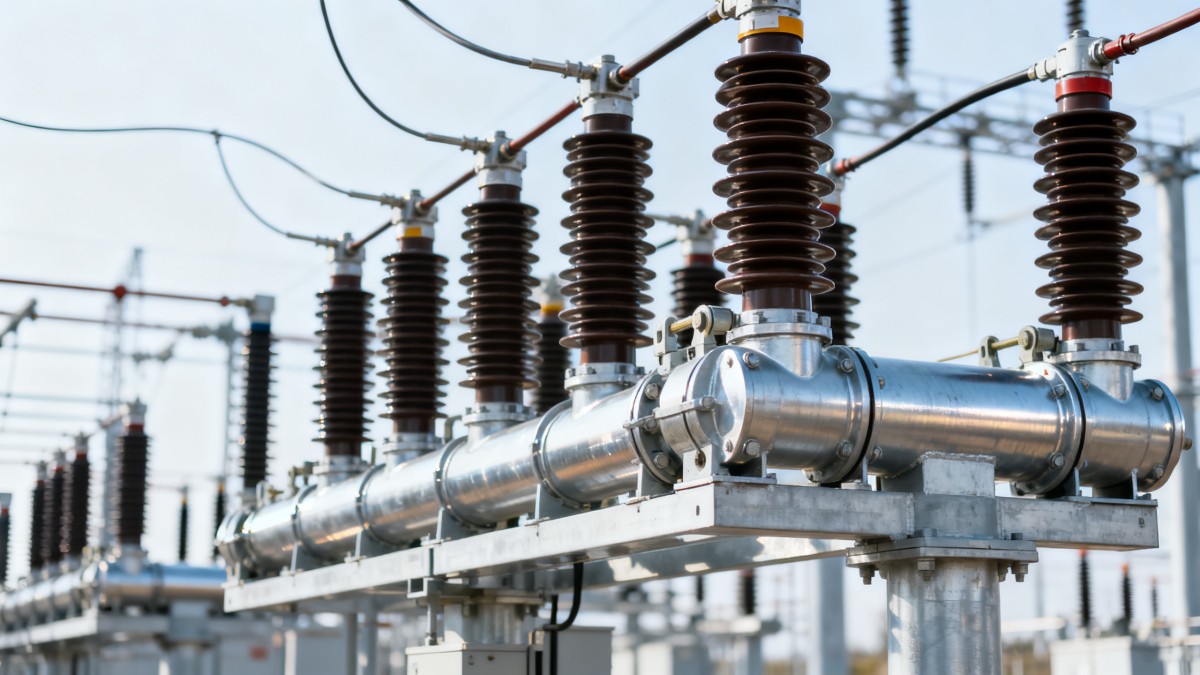
A high voltage disconnector is not a fault-interrupting device. Its primary role is to provide visible isolation for maintenance, switching sequences, and operational safety in substations, transmission lines, and industrial power systems. That distinction matters because many procurement errors begin when buyers compare disconnectors too closely with vacuum circuit breakers VCB or load-break equipment without matching the real switching duty.
For most industrial and utility projects, the first 4 checks are straightforward: rated voltage, rated current, short-time withstand current, and site environment. In practical terms, teams often begin with a voltage class review, then confirm whether the unit will operate indoors, outdoors, at coastal sites, or in dusty process facilities. A disconnector that fits the one-line diagram but ignores contamination level or temperature range can become an expensive maintenance problem within 12–24 months.
Researchers usually need a technical framework. Operators want reliable movement, clear position indication, and safe manual or motorized actuation. Procurement teams need interchangeable specifications, delivery clarity, and documentation. Decision-makers focus on outage risk, lifecycle cost, and compliance exposure. A sound selection process aligns all 4 perspectives instead of allowing the lowest unit price to dominate the decision.
Within modern grid packages, disconnectors also interact with adjacent equipment such as composite polymer insulators, overhead line fittings, surge protective device SPD assemblies, and XLPE power cables. Selection therefore cannot be isolated from the rest of the bay or feeder architecture. Mechanical fit, phase spacing, terminal arrangement, and earthing switch coordination should be reviewed early, preferably before final RFQ release.
The 5 core specification areas that shape real-world performance
- Voltage and insulation level: confirm rated voltage and associated insulation coordination with the substation design, altitude, and overvoltage environment.
- Current path capability: check continuous current rating, thermal rise limits, and connector compatibility with busbar or cable terminations.
- Short-circuit withstand: verify short-time withstand current and peak withstand current against system fault studies and switchyard design margins.
- Mechanical endurance: compare operating cycles, drive mechanism robustness, and resistance to corrosion, icing, dust, or sand.
- Interlocking and safety: review earthing switch arrangement, padlocking, auxiliary contacts, and operating sequence requirements.
When these 5 areas are documented in a structured specification sheet, engineering and sourcing teams can evaluate quotations more consistently. This reduces the risk of approving a technically incomplete offer that later requires accessory changes, extra mounting steel, or control panel modifications.
Which technical parameters matter most in substations, industrial plants, and line applications?
Technical selection should reflect the actual operating scenario. A line disconnector in a transmission corridor faces different stresses than a bus disconnector inside a heavy industrial facility. Common voltage classes vary by project region and network design, while current ratings often fall into standard utility ranges. Still, the real selection value comes from verifying the complete duty profile rather than relying on headline ratings alone.
In practical purchasing reviews, 3 parameter groups deserve special attention. The first is electrical duty, including voltage class and fault withstand capability. The second is mechanical configuration, such as center-break, double-break, vertical-break, or pantograph design. The third is environmental suitability, especially when the installation must operate through seasonal temperature swings, UV exposure, salt fog, or high pollution levels.
The table below helps teams compare the parameter categories that typically influence lifecycle reliability and installation compatibility. It is especially useful when disconnectors are being reviewed alongside XLPE power cables, overhead line fittings, and composite polymer insulators as part of one integrated package.
A good technical review goes beyond nominal values. For example, if a site includes high contamination, nearby process emissions, or marine conditions, insulator material selection and coating strategy can be just as important as current rating. That is where coordination with composite polymer insulators and support structures becomes commercially relevant, not just technically desirable.
How adjacent equipment changes the specification
Disconnectors are rarely purchased in isolation in large EPC or industrial contracts. If the feeder design includes surge protective device SPD units, cable terminations, bus supports, or overhead line fittings, terminal pad size, connector metallurgy, and mounting geometry should be checked during the first bid cycle. Missing these details can add 2–6 weeks of redesign or site adjustment work.
Where vacuum circuit breakers VCB handle fault interruption and switching, the disconnector must still integrate safely into the interlocking logic. Auxiliary contacts, position feedback, and operating sequence design are often underestimated in early procurement. Yet these details directly affect commissioning speed, remote status monitoring, and operator safety during isolation procedures.
Typical environmental checks before final approval
- Confirm the project’s expected ambient temperature band, which in many industrial specifications may span from sub-zero winter conditions to hot-season outdoor operation.
- Review pollution and corrosion exposure, especially at ports, chemical plants, refineries, mining operations, and coastal substations.
- Check seismic and wind requirements if the switchyard structure is exposed or located in regulated design zones.
- Verify maintenance access distances so operators can inspect, lubricate, and lock out the equipment safely during planned shutdowns.
These checks may seem routine, but they frequently separate a suitable industrial-grade disconnector from a product that is technically compliant on paper yet operationally inconvenient in the field.
How do buyers compare designs, costs, and long-term maintenance impact?
Price comparison alone can be misleading because disconnector value is distributed across material quality, coating system, mechanical endurance, operating mechanism, and serviceability. In projects with 10–30 bay components under one package, a lower purchase price can be offset quickly by higher installation labor, spare parts demand, or outage-related maintenance costs.
Design choice also changes cost structure. A more compact arrangement may reduce steelwork and footprint, while a more accessible structure may shorten periodic inspection time. Procurement teams should therefore evaluate total installed cost and expected maintenance burden over at least one medium-term service cycle, not just the initial commercial offer.
The following comparison table is useful during vendor shortlisting, especially when buyers are balancing capex discipline against reliability goals in transmission, process industry, or utility substation programs.
This does not mean the higher specification option is always the right answer. For sheltered substations, stable climates, and standard duty cycles, a simpler configuration may be commercially sound. The key is to match the specification to the asset’s actual service profile and maintenance philosophy.
A practical 4-step procurement screen
- Screen technical compliance first. Reject offers that do not clearly state electrical ratings, operating method, and required accessories.
- Check system integration second. Confirm compatibility with switchyard structures, control logic, XLPE power cables, overhead line fittings, and adjacent protection devices.
- Review commercial and delivery conditions third. Typical industrial lead times may range from several weeks to a few months depending on configuration and test scope.
- Assess service support last. Spare recommendations, technical documents, and installation guidance often determine whether field execution stays on schedule.
For enterprise buyers, this method improves comparability across suppliers and helps management teams defend procurement decisions with a structured, auditable rationale.
What compliance, documentation, and inspection points are often overlooked?
In high voltage procurement, documentation quality can be nearly as important as hardware quality. Buyers should ask for general arrangement drawings, terminal details, operating mechanism information, insulation data, material specifications, and routine test records. Without these, site installation and pre-commissioning reviews become slower and more uncertain.
Projects serving utilities, process plants, and international EPC packages commonly require alignment with recognized standards and client specifications. Depending on geography and application, teams may review IEC-based switchgear requirements, internal utility standards, material traceability expectations, and documentation related to CE, UL, or ISO-driven project frameworks where applicable to the broader package.
Inspection planning should also be clarified early. A typical review sequence may include 3 stages: document approval, factory inspection or witness points where required, and final site acceptance during installation and energization preparation. Leaving inspection scope undefined until late procurement can disrupt delivery planning by 1–3 weeks or more.
Common documentation and compliance checklist
- Electrical ratings sheet showing rated voltage, continuous current, and withstand values aligned with project schedules.
- Mechanical drawings covering mounting points, phase spacing, terminal orientation, and operating envelope.
- Bill of materials for conductive parts, structural steel, insulators, and protective coatings where relevant.
- Routine test documents and inspection records that support release for shipment.
- Operation and maintenance instructions, including lubrication guidance, adjustment checks, and recommended spare parts.
At Global Industrial Core, this documentation perspective matters because infrastructure sourcing is rarely a single-item transaction. It is a coordinated decision involving safety, installation efficiency, and long-term asset visibility across electrical and mechanical interfaces.
Frequent buyer mistakes to avoid
One common mistake is assuming the disconnector supplier will automatically understand the site’s contamination, wind load, or seismic conditions from the voltage class alone. Another is omitting clear accessory requirements, such as motor drives, auxiliary switches, interlocks, or earthing switch combinations. These omissions often surface only after purchase order placement, when design changes become slower and more expensive.
A second mistake is evaluating disconnectors separately from related package items such as wholesale electrical cables, busbar connectors, or surge protective device SPD coordination. In integrated substations, these interfaces affect terminal arrangement, clearances, and construction sequencing more than many first-time buyers expect.
FAQ: practical questions from researchers, operators, and procurement teams
How is a high voltage disconnector different from a vacuum circuit breaker VCB?
A high voltage disconnector provides visible isolation and is generally not intended to interrupt fault current. A vacuum circuit breaker VCB is designed for switching and protection duties, including fault interruption within its rating. In many substations, both devices work together: the VCB interrupts the circuit, and the disconnector isolates the section for maintenance.
Which sites need more careful environmental selection?
Coastal substations, chemical plants, mining areas, cement facilities, and dusty outdoor yards usually need a more careful review of corrosion resistance, insulator performance, and mechanical sealing. If pollution, salt fog, UV exposure, or temperature swings are significant, teams should validate coating systems and insulator choice before finalizing the order.
What should procurement teams ask suppliers before issuing a purchase order?
At minimum, ask for 6 items: complete rating data, GA drawings, accessory list, operation method, routine test scope, and expected lead time. If the project is part of a broader package involving XLPE power cables, composite polymer insulators, or overhead line fittings, request interface drawings as well. This reduces coordination risk during detailed engineering.
What is a realistic lead-time discussion point?
Lead time depends on voltage class, mechanism complexity, documentation review, and inspection requirements. Standardized configurations may move faster than customized packages with special terminal layouts or project-specific interlocking. Buyers should discuss manufacturing duration, document approval time, and shipment readiness separately rather than asking for one broad delivery promise.
Why work with GIC when evaluating disconnectors and related power infrastructure?
Global Industrial Core supports industrial buyers who need more than a catalog comparison. Our focus is on infrastructure-grade sourcing intelligence across electrical and power grid systems, safety, measurement, environmental engineering, and heavy mechanical components. That cross-disciplinary view is valuable when a disconnector decision must align with cable systems, insulation strategy, switching architecture, and plant reliability targets.
For researchers, we help organize the specification logic. For operators, we emphasize maintainability and safe isolation practice. For procurement teams, we clarify comparison criteria, documentation points, and supply-chain risk. For enterprise decision-makers, we connect technical choices to downtime exposure, compliance discipline, and lifecycle value.
If your team is reviewing high voltage disconnectors together with vacuum circuit breakers VCB, surge protective device SPD solutions, composite polymer insulators, overhead line fittings, XLPE power cables, or wholesale electrical cables, GIC can support a more consistent sourcing process. Typical consultation topics include 4 priority areas: parameter confirmation, product selection, delivery planning, and certification or documentation review.
Contact GIC to discuss your operating voltage range, installation environment, quantity plan, accessory requirements, or target delivery window. We can also help structure RFQ checklists, compare technical offers, review interface risks, and identify where a standard configuration is sufficient versus where a more customized solution is justified.
Expert Insights

Chief Security Architect
Dr. Thorne specializes in the intersection of structural engineering and digital resilience. He has advised three G7 governments on industrial infrastructure security.
Related Analysis
Core Sector // 01
Security & Safety
- High Voltage Disconnectors: Key Selection TipsAuthor :Grid Infrastructure Analyst

- SCFI Surges 12.3% on Apr 26, Shanghai–Rotterdam Rate Hits $4,480/TEUAuthor :Grid Infrastructure Analyst
![]()
- Monitoring oil health in Electrical & PowerAuthor :Grid Infrastructure Analyst

- IEC 61850-90-15:2026 Published: ±100ns Time Sync for Substation SV/GOOSEAuthor :Grid Infrastructure Analyst
![]()
- IEC 61850-90-15:2026 Released — Time Stamp Precision Upgrade Impacts Power Equipment ExportsAuthor :Grid Infrastructure Analyst
![]()
- Shanghai Yangshan Port Launches Green Clearance for Industrial EquipmentAuthor :Grid Infrastructure Analyst
![]()
- How to Vet a Power Transformer ManufacturerAuthor :Grid Infrastructure Analyst

- How to Source Distribution TransformersAuthor :Grid Infrastructure Analyst