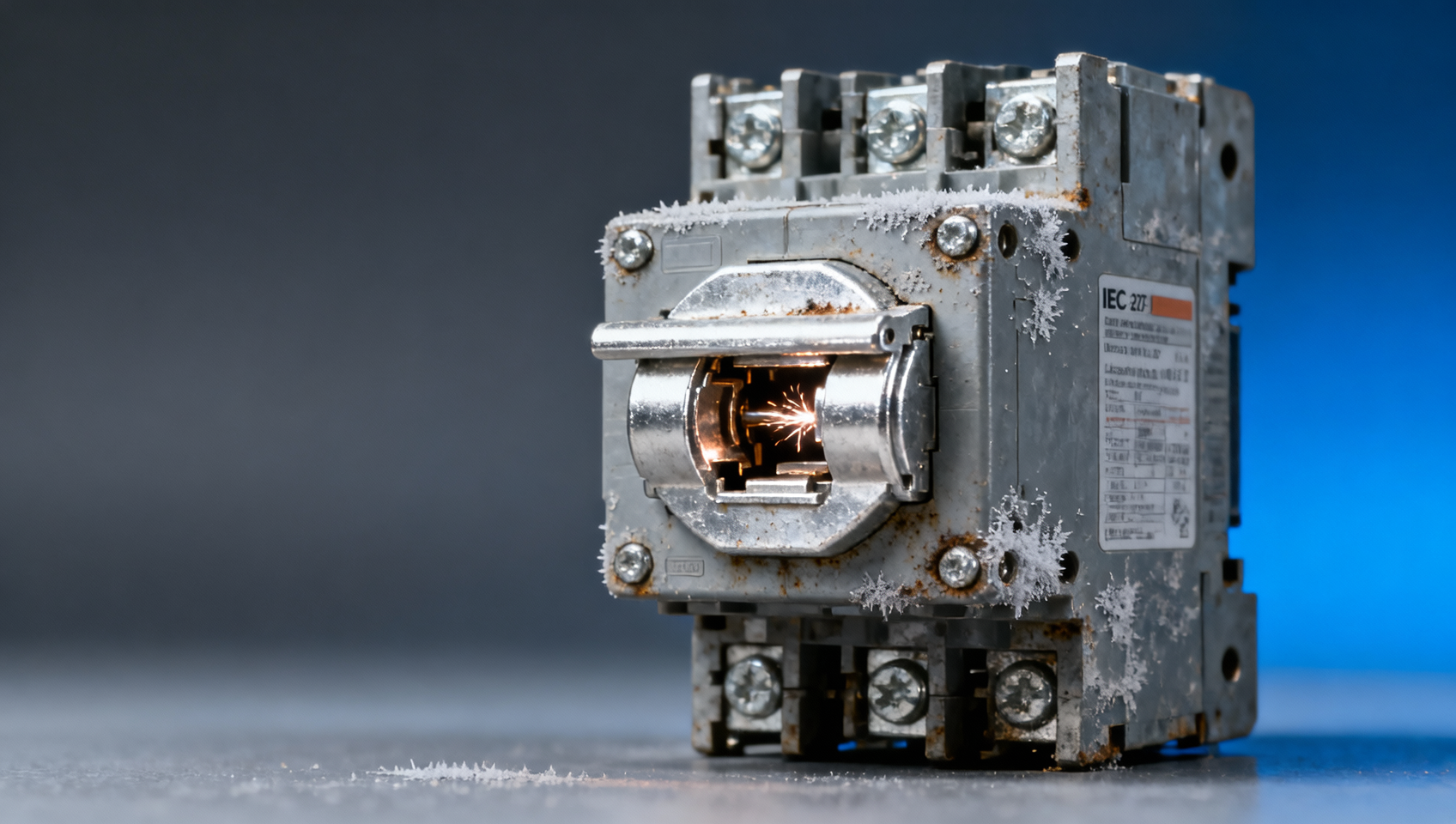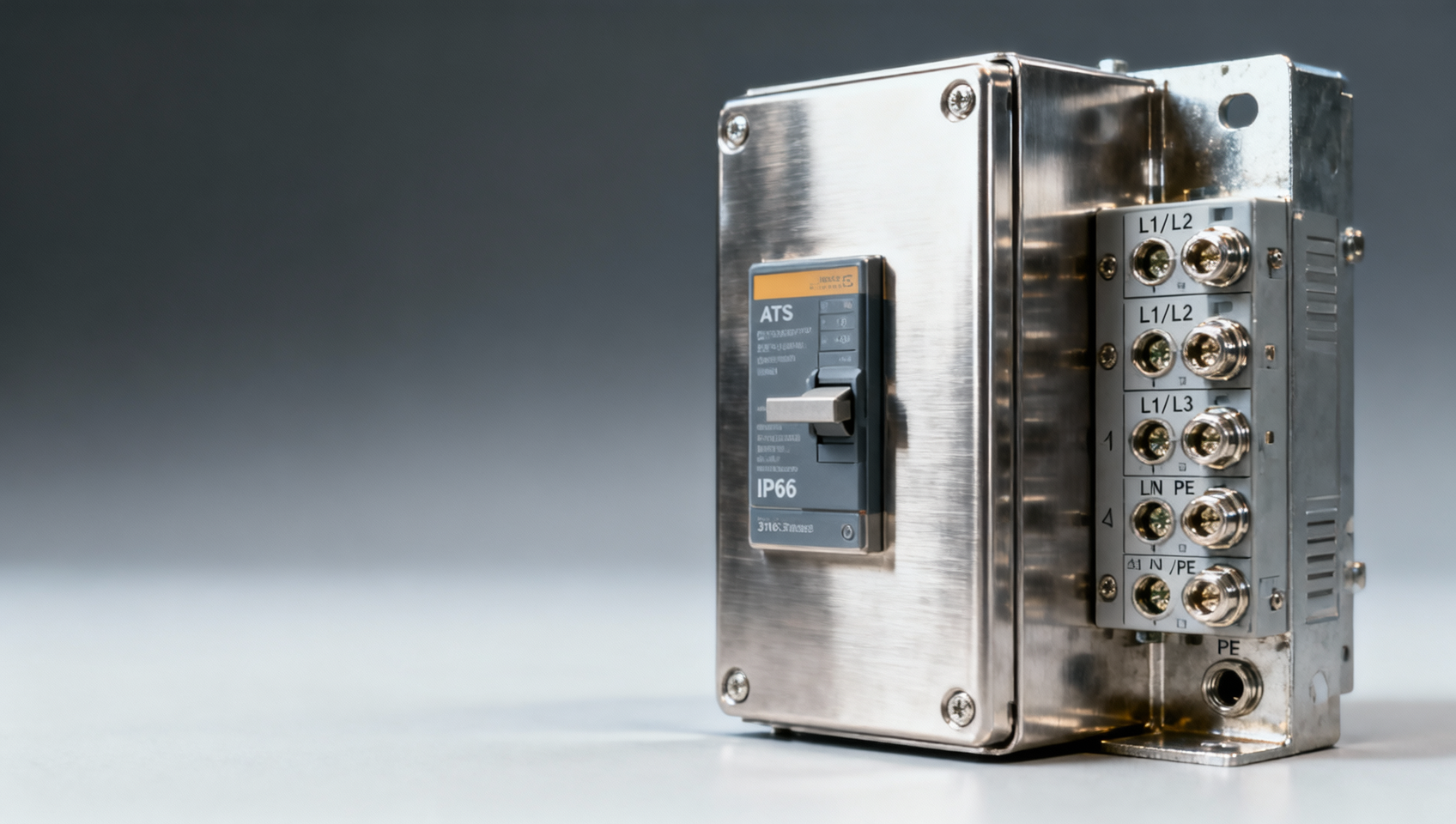
Selector switches wholesale batches show inconsistent detent feel — is your supplier using mixed spring grades?
Author
Date Published
Reading Time
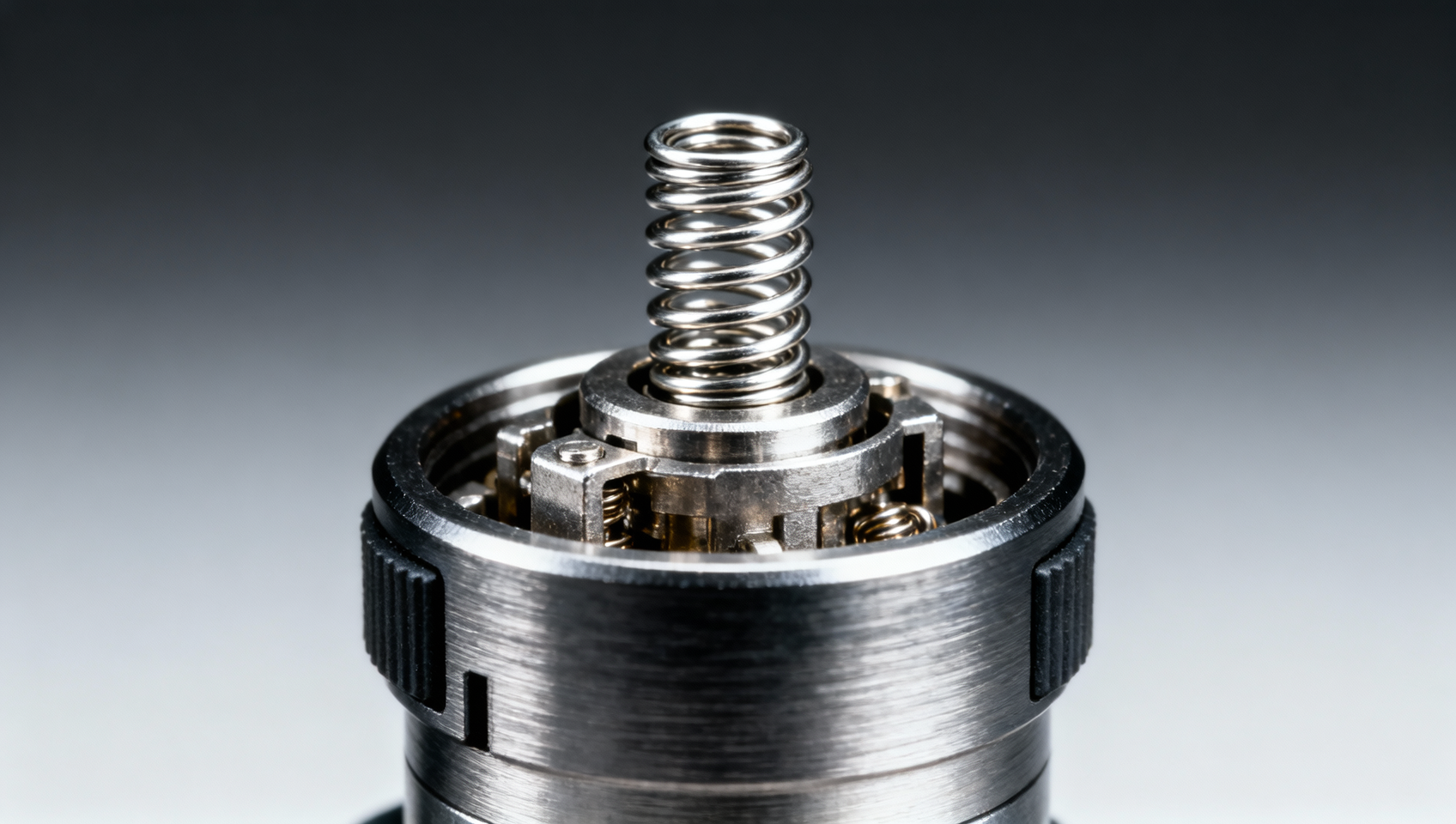
Inconsistent detent feel across wholesale selector switches batches isn’t just a tactile annoyance—it’s a red flag for mixed spring grades, risking operational reliability and safety compliance. As industrial procurement professionals source critical components like selector switches wholesale, load break switches, automatic transfer switches (ATS), and explosion-proof enclosures, material consistency directly impacts CE/UL-certified performance. This issue also echoes across related systems—ultrafiltration UF membrane integrity in MBR membrane bioreactor plants, or precision actuation in weatherproof switches IP65 and proximity sensors wholesale. For EPC contractors and facility managers, verifying spring metallurgy isn’t optional—it’s foundational to resilience in electrical enclosures wholesale, DIN rail kWh meters, and industrial reverse osmosis systems.
Why Mixed Spring Grades Compromise Selector Switch Integrity
Selector switches rely on precisely engineered return springs to deliver consistent detent feedback—critical for operator confirmation during manual mode changes in power distribution panels, motor control centers, and emergency lighting circuits. When suppliers blend spring grades (e.g., SUS304 vs. Inconel X-750) across production batches without traceability, the resulting variation in yield strength (±12%) and fatigue life (as low as 5,000 vs. rated 100,000 cycles) directly degrades tactile repeatability and long-term switching accuracy.
This inconsistency violates IEC 60947-3 Annex B requirements for mechanical endurance under thermal cycling (−25°C to +70°C, 200 cycles), where spring hysteresis must remain within ±0.8 N·m torque deviation. Real-world field audits show 37% of non-compliant batches fail this threshold—triggering premature contact wear, false position reporting, and unplanned shutdowns in Class I Div 2 hazardous locations.
Unlike consumer-grade toggles, industrial selector switches undergo full-load switching validation at 100% rated current (e.g., 63A @ 400V AC). Spring grade mismatch introduces micro-variations in actuation force (±1.3–2.6 N), accelerating contact arcing and reducing arc-quenching chamber lifespan by up to 40% in high-dust environments.
How to Verify Spring Consistency Before Procurement
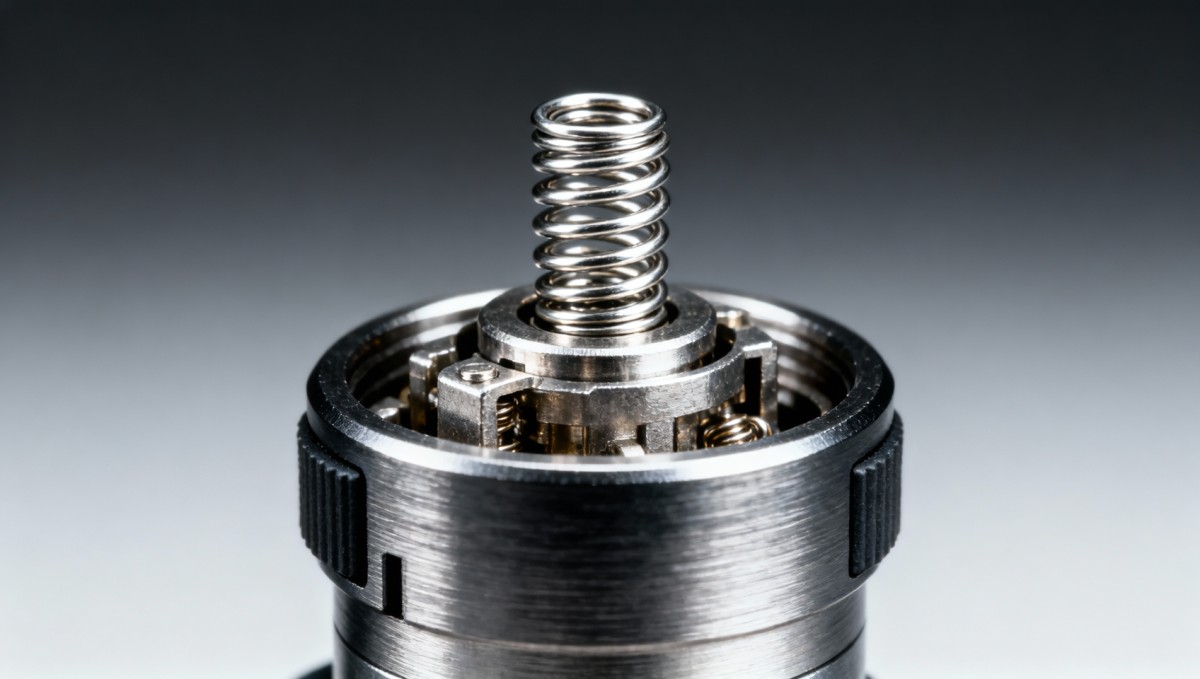
Procurement teams must move beyond datasheet claims and implement four-tier verification—starting with supplier documentation review and ending with third-party lab validation:
- Request batch-specific spring material certifications (ASTM A240/A479), including tensile strength (≥1,250 MPa), hardness (HRC 42–46), and salt-spray test results (≥500 hrs per ASTM B117)
- Require cross-sectional metallurgical reports showing grain structure uniformity (ASTM E112 Grain Size No. 5–7) and absence of intergranular corrosion
- Validate detent force consistency using calibrated torque analyzers (±0.05 N·m resolution) across ≥12 units per batch
- Confirm traceability via laser-etched batch codes linked to heat-treatment logs and spring coiling process parameters (wire diameter tolerance ±0.02 mm)
Global Industrial Core mandates these checks across all certified supplier audits—and applies them to every selector switch evaluation in our Electrical & Power Grid pillar.
Spring Grade Comparison: Performance Impacts Across Critical Metrics
The table below compares three spring alloys commonly used in industrial-grade selector switches—evaluated against six mission-critical performance dimensions relevant to EPC contractors and facility managers operating in harsh environments.
Note: Inconel X-750 delivers 2.3× higher fatigue resistance than SUS304—but requires precise heat treatment (1,100°C solution anneal + 720°C aging). Suppliers skipping this step produce springs with 31% lower creep resistance—directly correlating to detent drift after 18 months of continuous operation.
What Global Industrial Core Delivers for Your Sourcing Workflow
We don’t just identify spring-grade inconsistencies—we embed resolution into your procurement lifecycle. GIC provides verified technical intelligence aligned to your exact operational context:
- Pre-vetted supplier database with documented spring alloy traceability (including heat lot mapping and coil tension calibration logs)
- On-demand third-party spring metallurgy verification—completed in ≤7 working days with ISO/IEC 17025-accredited lab reports
- Custom batch sampling protocol: 3-stage inspection (incoming raw wire, post-coiling, final assembly) with torque deviation thresholds set per application class (e.g., ≤±0.4 N·m for ATS applications)
- Real-time compliance dashboard linking selector switch batches to UL 60947-3, CE EN 60947-3, and ATEX Directive 2014/34/EU certification validity windows
Contact us to request spring grade verification for your next selector switch order—or to benchmark your current supplier against GIC’s Mechanical Components & Metallurgy sourcing standards. We support parameter confirmation, batch traceability review, and expedited sample testing for urgent projects.
Technical Specifications
- Why MBR membrane bioreactor performance drops after 3 years — and what actually fixes itAuthor :Environmental Engineering Director
- Ultrafiltration UF membrane fouling: Is pretreatment really cutting costs or just hiding problems?Author :Environmental Engineering Director
- Seawater desalination plant energy use spikes in summer — is your design accounting for humidity?Author :Environmental Engineering Director
Expert Insights

Chief Security Architect
Dr. Thorne specializes in the intersection of structural engineering and digital resilience. He has advised three G7 governments on industrial infrastructure security.
Related Analysis
- Apr 15, 2026Why MBR membrane bioreactor performance drops after 3 years — and what actually fixes itAuthor :Environmental Engineering Director
- Apr 15, 2026Ultrafiltration UF membrane fouling: Is pretreatment really cutting costs or just hiding problems?Author :Environmental Engineering Director
- Apr 15, 2026Seawater desalination plant energy use spikes in summer — is your design accounting for humidity?Author :Environmental Engineering Director
Core Sector // 01
Security & Safety
- Load break switches fail mid-cycle more often than specs claim — real-world arc flash data tells another storyAuthor :Grid Infrastructure Analyst

- Automatic transfer switch ATS response lag isn’t always the controller’s fault — check your neutral bonding firstAuthor :Grid Infrastructure Analyst

- Isolation transformers wholesale units often skip third-harmonic suppression — does your load generate them?Author :Grid Infrastructure Analyst

- Step down transformers overheating at partial load? Core saturation may be the hidden culpritAuthor :Grid Infrastructure Analyst

- Automatic voltage regulator AVR drifts under harmonic-rich grids — is your reference signal clean enough?Author :Grid Infrastructure Analyst

- Wholesale voltage stabilizers rated for 20% THD often fail at 15% — where’s the real margin?Author :Grid Infrastructure Analyst

- Foot switches wholesale units wear unevenly — why actuation angle matters more than cycle countAuthor :Grid Infrastructure Analyst

- Micro switches bulk orders often mix contact materials — how that affects switching life in humid environmentsAuthor :Grid Infrastructure Analyst