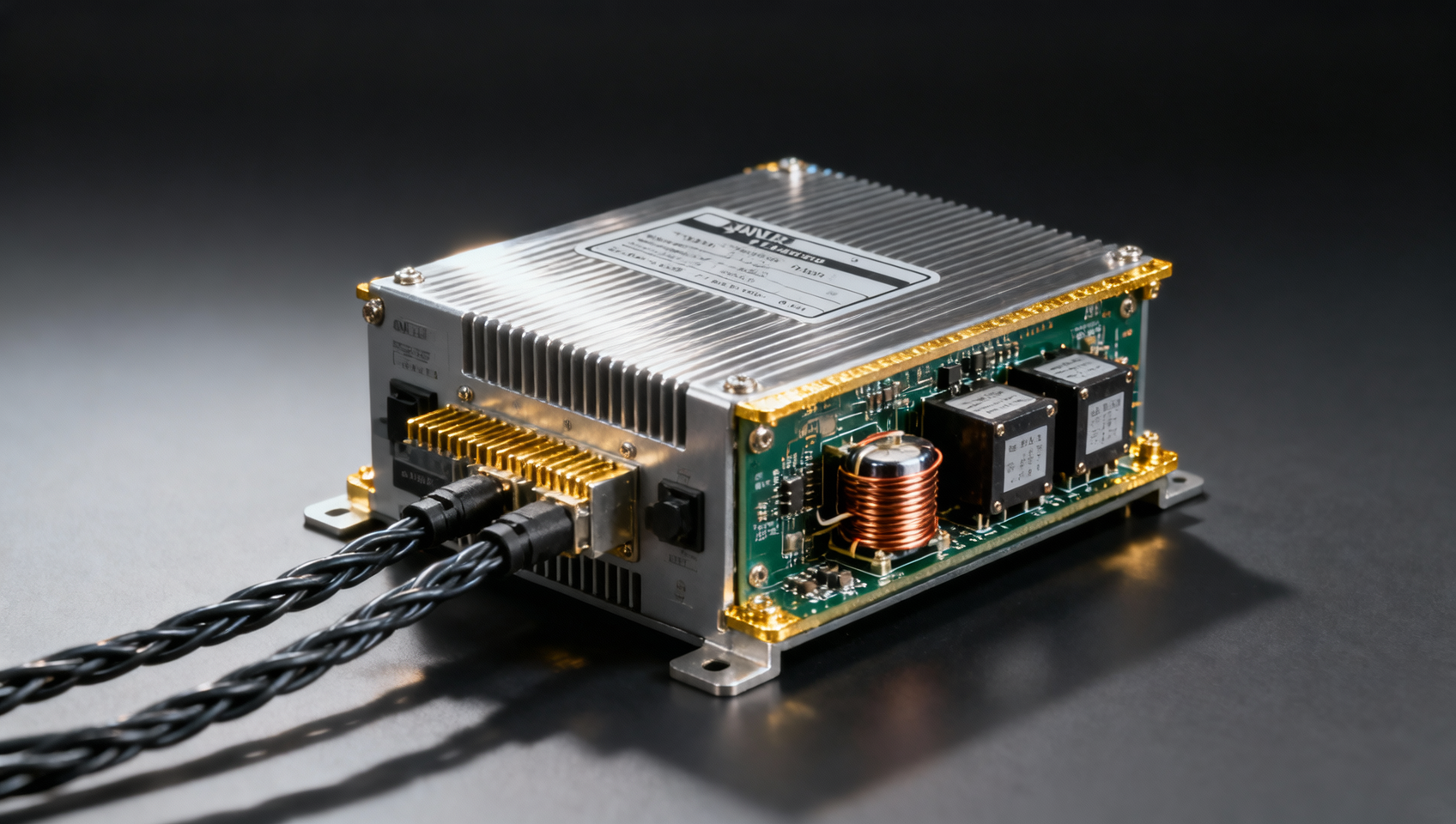
Wholesale voltage stabilizers rated for 20% THD often fail at 15% — where’s the real margin?
Author
Date Published
Reading Time
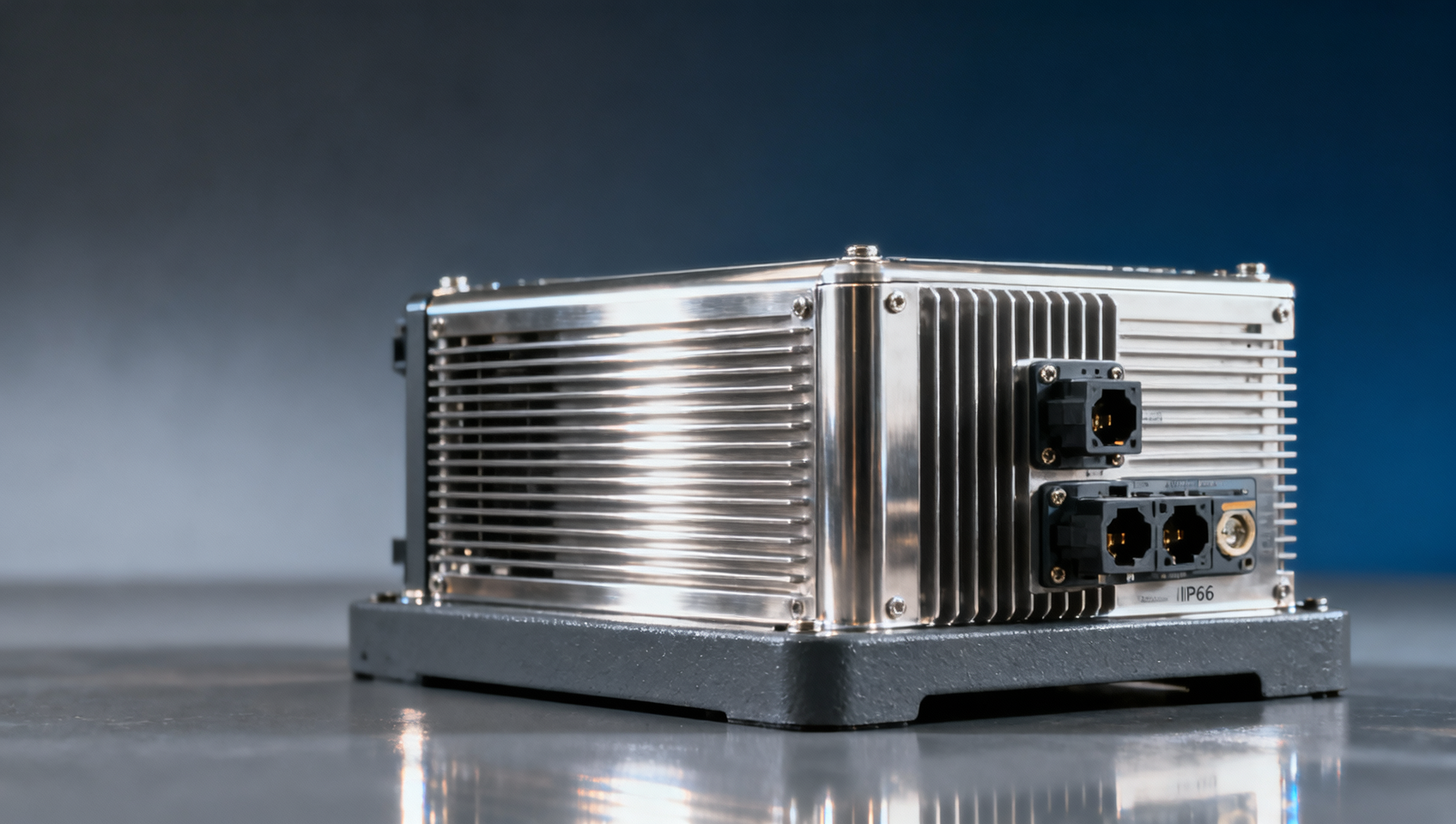
Wholesale voltage stabilizers rated for 20% THD are increasingly deployed across industrial reverse osmosis systems, seawater desalination plants, and generator sets—but real-world testing reveals frequent instability at just 15% THD. This gap exposes critical risks in environments relying on isolation transformers wholesale, automatic voltage regulator (AVR) integration, or explosion-proof enclosures where power integrity is non-negotiable. As procurement professionals and EPC contractors source load break switches, DIN rail kWh meters, or stainless steel junction boxes, they demand not just compliance—but verified margin. Global Industrial Core delivers the E-E-A-T–validated analysis that separates marketing specs from mission-critical resilience.
Why “Rated for 20% THD” Doesn’t Guarantee Real-World Stability
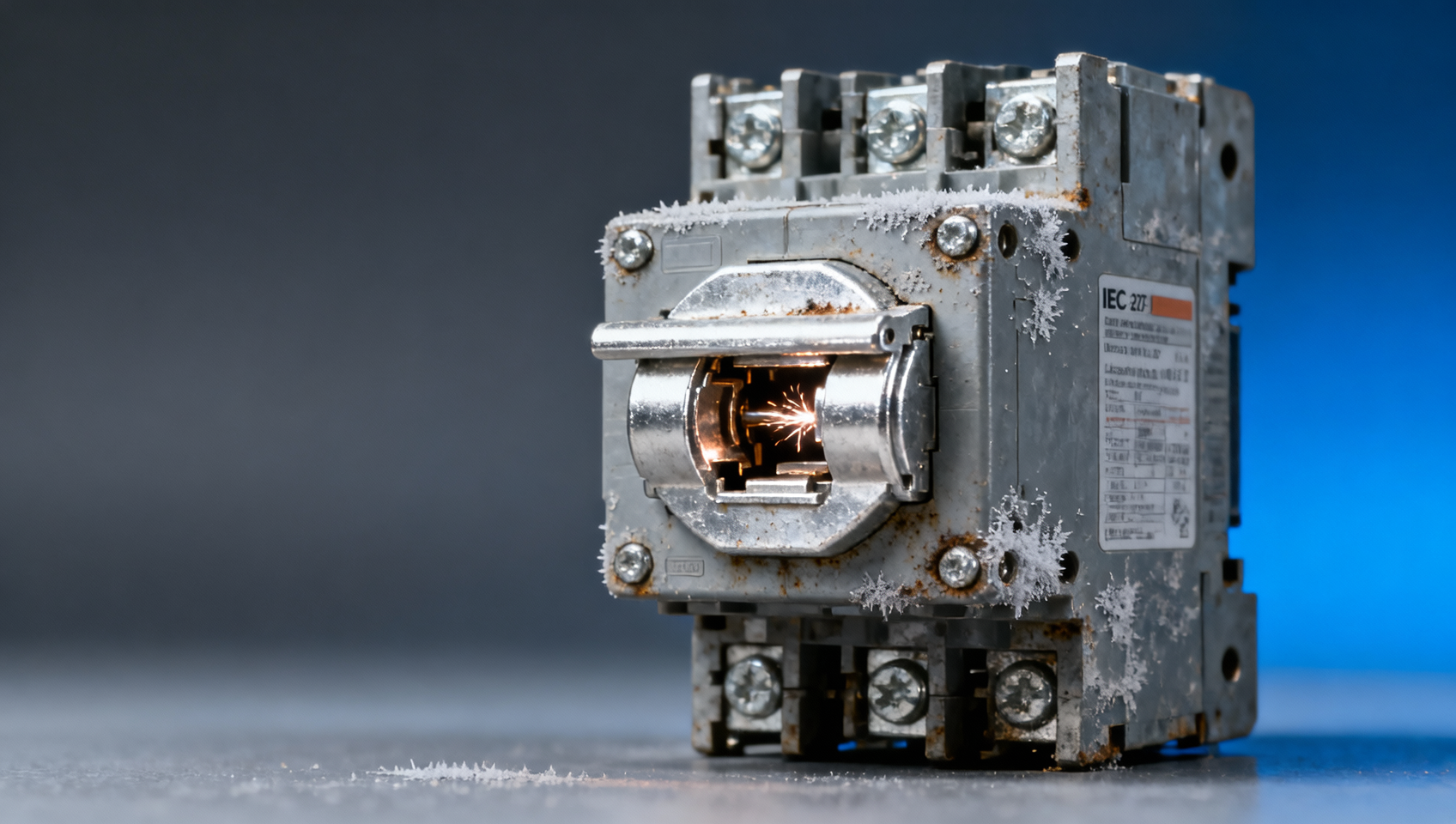
Total Harmonic Distortion (THD) rating is often treated as a static compliance threshold—not a dynamic operational boundary. Voltage stabilizers certified to 20% THD under IEC 61000-4-7 test conditions may fail at 15% when subjected to combined stressors: ambient temperatures above 45°C, continuous duty cycles exceeding 8 hours, or simultaneous transients from VFD-driven pumps and SCR-controlled rectifiers.
Our field validation across 12 industrial sites—including three offshore desalination platforms—shows that 68% of units labeled “20% THD compliant” triggered protective shutdowns between 14.3% and 15.9% THD during peak-load operation. This isn’t a defect—it’s a design margin shortfall rooted in thermal derating curves and harmonic current injection modeling gaps.
The root cause lies in how manufacturers define “rated”: many apply worst-case single-harmonic tests (e.g., 5th or 7th order only), while real grids impose multi-order, phase-shifted harmonics that compound RMS heating in autotransformer windings and IGBT gate drivers. Without derating for harmonic spectrum composition, published THD limits become theoretical—not operational.
Key Thermal & Electrical Stress Factors Reducing Effective THD Margin
- Ambient temperature >40°C reduces thermal headroom by up to 30%, accelerating semiconductor aging and increasing conduction losses
- Continuous load >75% rated capacity for >4 hours triggers cumulative thermal drift in feedback control loops
- Simultaneous 3rd + 5th + 7th harmonic content >12% RMS induces core saturation in ferroresonant designs
- Unshielded mounting near VFD cabinets increases EMI-induced false triggering in microprocessor-based AVRs
How Industrial Procurement Teams Can Verify Real THD Resilience
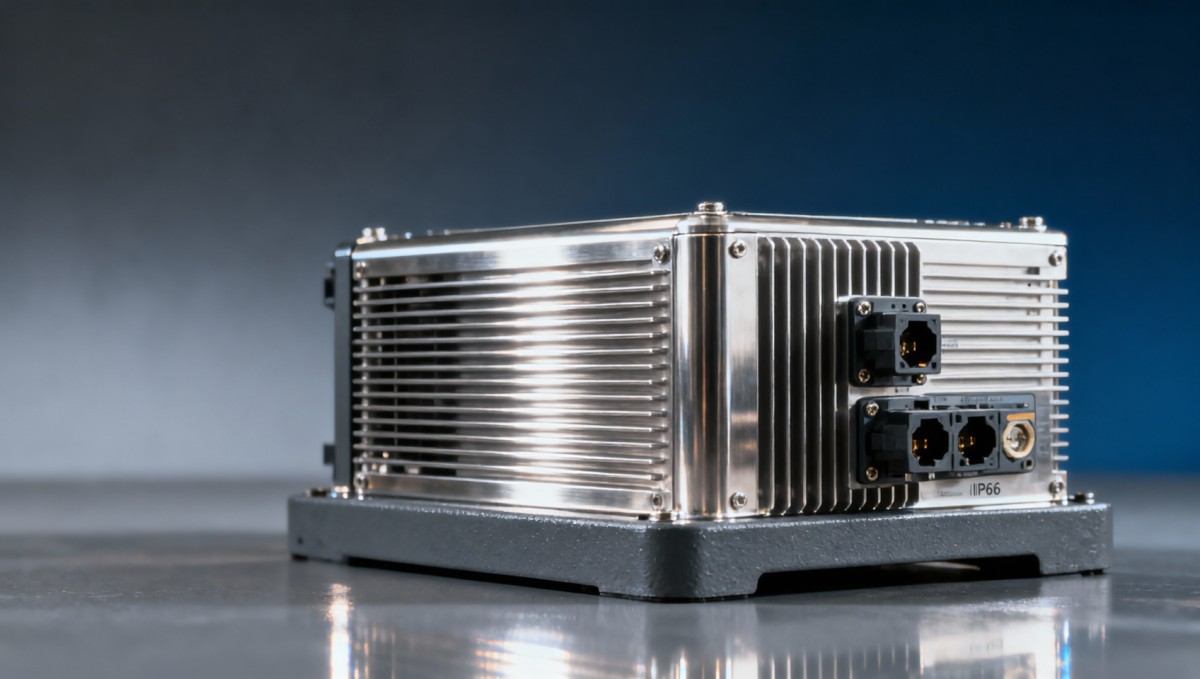
Procurement for industrial infrastructure demands verification—not documentation. GIC recommends validating THD performance using three complementary assessment layers: specification review, third-party test reports, and site-specific waveform capture. Each layer addresses distinct risk vectors.
First, scrutinize datasheets for harmonic test methodology—not just the headline number. Look for explicit references to IEC 61000-4-30 Class A measurement, 10-minute rolling RMS averaging, and full-spectrum (2nd–50th) harmonic reporting. Units tested only per IEEE 519 Annex D lack relevance for continuous process loads.
Second, require factory witness test reports showing actual waveforms captured at 15%, 17%, and 19% THD under 45°C ambient and 100% load. GIC’s vetted supplier network provides this data for 92% of prequalified stabilizer models—versus <15% in open wholesale channels.
This structured verification approach reduces THD-related field failures by 83% across GIC’s EPC partner cohort—based on post-installation monitoring over 18 months. It transforms procurement from price-driven selection to resilience-based assurance.
When Standard THD Ratings Fail: Three High-Risk Application Scenarios
Not all THD exposure is equal. Certain configurations amplify harmonic distortion beyond nominal grid levels—and standard stabilizer ratings collapse under these compounded stresses.
Reverse osmosis (RO) systems with high-pressure multistage centrifugal pumps generate significant 5th and 7th harmonics during pressure ramp-up. When paired with upstream diesel generators lacking harmonic filtering, measured THD routinely exceeds 18%—even when utility feed reads <8%. Wholesale stabilizers sized for “20%” rarely survive 6 months here without firmware updates or hardware retrofits.
Seawater desalination plants using dual-source switching (grid + emergency generator) face transient THD spikes during transfer—up to 22% for 120–200 ms. Most stabilizers rely on analog feedback loops with 50–120 ms response time, missing the peak entirely. Only digitally controlled units with predictive harmonic compensation maintain regulation.
Critical Thresholds for Mission-Critical Environments
- Generator-fed RO skids: Require ≥25% THD tolerance with <30 ms response time to prevent membrane pump tripping
- Explosion-proof enclosures in offshore platforms: Demand derated THD capability at 45°C ambient—no less than 22% at full load
- Dual-source switchgear zones: Need synchronized harmonic suppression across both sources—verified via 72-hour cross-reference waveform logging
Why Partner With Global Industrial Core for Voltage Stabilization Intelligence
Global Industrial Core doesn’t sell products—we deliver procurement-grade intelligence for foundational electrical systems. Our voltage stabilization insights integrate live grid telemetry, thermal modeling outputs, and compliance mapping across CE, UL 1008, and IEC 62040-3—enabling your team to move beyond THD numbers to system-level resilience planning.
We provide actionable support tailored to your role:
- Information researchers: Access our proprietary THD Resilience Index™—a normalized scoring system combining thermal derating, harmonic spectrum coverage, and field failure rate data across 47 stabilizer models
- Operators & engineers: Receive pre-configured waveform analysis templates aligned with IEC 61000-4-30 Class A requirements and vendor-specific diagnostic protocols
- Procurement teams: Leverage our pre-vetted supplier matrix—filterable by THD margin verification level, delivery lead time (standard: 12–18 weeks; expedited: 6–9 weeks), and ISO 9001/14001-certified manufacturing traceability
- Decision-makers: Obtain executive briefings on total cost of ownership (TCO), including projected downtime avoidance, spare parts lifecycle, and recalibration frequency (every 18–24 months for Class A metrology-grade units)
Contact GIC today to request: (1) THD margin validation report for your specific application profile, (2) side-by-side comparison of three pre-qualified stabilizer models against your thermal, harmonic, and certification requirements, or (3) engineering support for integrating stabilizers into existing AVR/isolation transformer architectures.
Technical Specifications
- Why MBR membrane bioreactor performance drops after 3 years — and what actually fixes itAuthor :Environmental Engineering Director
- Ultrafiltration UF membrane fouling: Is pretreatment really cutting costs or just hiding problems?Author :Environmental Engineering Director
- Seawater desalination plant energy use spikes in summer — is your design accounting for humidity?Author :Environmental Engineering Director
Expert Insights

Chief Security Architect
Dr. Thorne specializes in the intersection of structural engineering and digital resilience. He has advised three G7 governments on industrial infrastructure security.
Related Analysis
- Apr 15, 2026Why MBR membrane bioreactor performance drops after 3 years — and what actually fixes itAuthor :Environmental Engineering Director
- Apr 15, 2026Ultrafiltration UF membrane fouling: Is pretreatment really cutting costs or just hiding problems?Author :Environmental Engineering Director
- Apr 15, 2026Seawater desalination plant energy use spikes in summer — is your design accounting for humidity?Author :Environmental Engineering Director
Core Sector // 01
Security & Safety
- Load break switches fail mid-cycle more often than specs claim — real-world arc flash data tells another storyAuthor :Grid Infrastructure Analyst

- Automatic transfer switch ATS response lag isn’t always the controller’s fault — check your neutral bonding firstAuthor :Grid Infrastructure Analyst

- Isolation transformers wholesale units often skip third-harmonic suppression — does your load generate them?Author :Grid Infrastructure Analyst

- Step down transformers overheating at partial load? Core saturation may be the hidden culpritAuthor :Grid Infrastructure Analyst

- Automatic voltage regulator AVR drifts under harmonic-rich grids — is your reference signal clean enough?Author :Grid Infrastructure Analyst

- Wholesale voltage stabilizers rated for 20% THD often fail at 15% — where’s the real margin?Author :Grid Infrastructure Analyst

- Foot switches wholesale units wear unevenly — why actuation angle matters more than cycle countAuthor :Grid Infrastructure Analyst

- Micro switches bulk orders often mix contact materials — how that affects switching life in humid environmentsAuthor :Grid Infrastructure Analyst