Power distribution solutions that reduce overload complaints
Author
Date Published
Reading Time
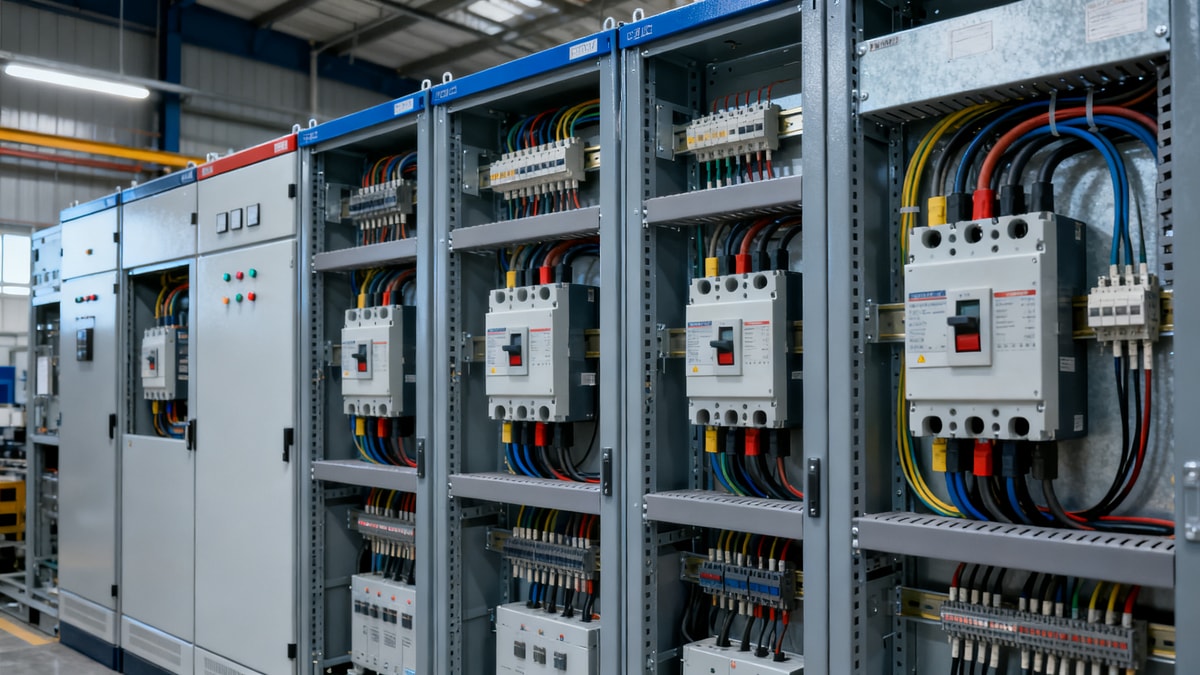
Overload complaints often signal deeper issues in circuit balance, panel capacity, or aging infrastructure. For after-sales maintenance teams, choosing the right power distribution solutions is essential to improving system stability, reducing repeat service calls, and protecting critical equipment. This article explores practical strategies and industrial-grade considerations that help identify root causes and deliver long-term performance in demanding operating environments.
In industrial and commercial facilities, an overload complaint is rarely a one-point failure. It may involve undersized feeders, uneven single-phase loading, outdated distribution boards, poor breaker coordination, or load growth that exceeded the original design by 15% to 40% over time. For maintenance teams responsible for post-installation support, the right response is not just replacing a tripped device. It is selecting power distribution solutions that match real operating conditions, future load expansion, safety requirements, and serviceability.
For EPC contractors, facility managers, and industrial procurement teams, the challenge is practical: reduce downtime, improve fault visibility, and avoid repeated complaint cycles. For after-sales technicians, the goal is even more specific. They need faster diagnosis, reliable replacement strategy, clearer upgrade paths, and distribution systems that can perform under heat, vibration, dust, and 24/7 load profiles. That is where structured evaluation and fit-for-purpose power distribution solutions become critical.
Why overload complaints keep recurring in real operating environments
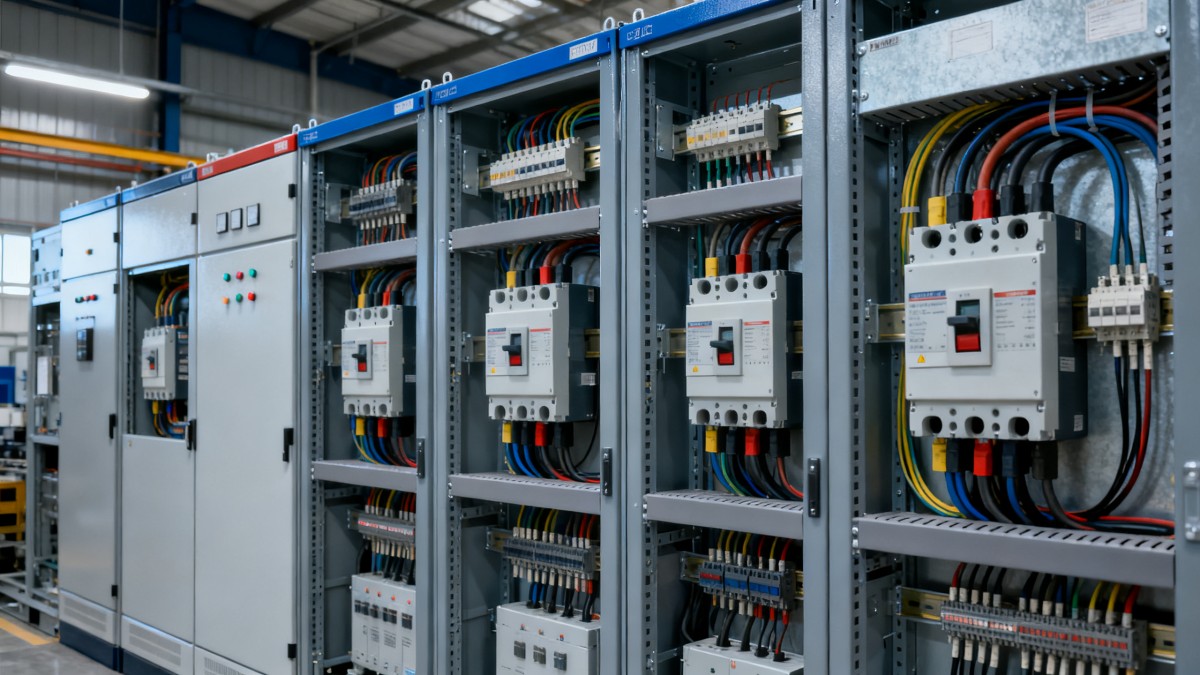
Many overload complaints are treated as isolated events, yet repeat failures often point to system-level mismatch. In plants, workshops, processing lines, and mixed-use facilities, circuits originally designed for one duty cycle may now support 2 or 3 additional loads, extended operating hours, or higher inrush equipment. When the distribution network is not reassessed, the same complaint returns within weeks or months.
Common technical triggers behind repeated overload events
After-sales maintenance teams usually see five recurring triggers. First, connected load exceeds practical circuit capacity, especially when diversity assumptions no longer apply. Second, phase imbalance causes one leg to carry 10% to 25% more current than the others. Third, ambient temperature inside the panel rises above 40°C, reducing breaker performance. Fourth, aging terminals increase resistance and localized heating. Fifth, upstream and downstream protection are poorly coordinated, causing nuisance trips instead of selective isolation.
- Load expansion without feeder or panel reassessment
- Uneven load distribution across phases or branch circuits
- Breaker derating caused by heat, enclosure crowding, or altitude
- Loose connections, oxidation, or busbar wear in older panels
- Insufficient short-circuit margin and weak fault discrimination
Operational signs that the problem is bigger than a single breaker
If a site records 3 or more overload complaints on the same board within 90 days, the issue usually extends beyond one protective device. Other warning signs include cable insulation discoloration, repeated thermal alarms, branch circuits operating above 80% of rated current during normal production, and unexplained trips during motor start or compressor cycling. These symptoms suggest that maintenance teams should review the full distribution path, from incoming protection to final branch allocation.
The table below outlines a practical field-level framework for identifying where complaints originate and which corrective action is most suitable. It is designed for after-sales teams who need a structured method before recommending replacement or expansion.
The key takeaway is that overload reduction depends on diagnosis accuracy. Teams that collect load data for at least 5 to 7 operating days, compare it against panel rating, and inspect thermal behavior typically identify the real fault faster than teams that replace components one by one. Good power distribution solutions start with system visibility, not just hardware substitution.
How to choose power distribution solutions that reduce service callbacks
Selecting power distribution solutions for complaint reduction requires more than matching voltage and current. After-sales teams should evaluate at least 4 dimensions: electrical capacity, environmental suitability, maintenance access, and future scalability. A system that fits today but leaves only 5% spare room often becomes a callback risk after the next production upgrade.
Capacity planning: target usable headroom, not nameplate minimums
In many industrial installations, designing or retrofitting to operate continuously at 95% of rated value is not a stable maintenance strategy. A more practical target is to keep normal operating load within 70% to 80% of circuit or panel capacity, depending on duty cycle, ambient conditions, and harmonic content. This headroom supports motor starts, temporary peaks, and incremental equipment additions without pushing protective devices into nuisance-trip territory.
Protection coordination and selective tripping
When upstream and downstream devices are poorly coordinated, minor branch overloads can shut down a wider zone. This creates larger maintenance events and higher production losses. Effective power distribution solutions use breaker curves, short-circuit ratings, and time-current coordination to isolate faults at the nearest point. For after-sales teams, that means fewer broad outages and easier fault tracing.
Environmental fit for demanding installations
A distribution assembly in a clean indoor utility room has very different demands from one in a dusty process area, washdown zone, or metalworking facility with vibration. Enclosure protection, corrosion resistance, thermal performance, and cable management all matter. If the environment runs between 35°C and 45°C for long periods, derating calculations and heat dissipation become essential parts of the selection process.
The following comparison helps maintenance and procurement teams evaluate which power distribution solutions better fit complaint-prone sites with different operating patterns and service expectations.
For facilities experiencing repeat overload complaints, the upgraded approach generally delivers stronger long-term results. It reduces diagnostic uncertainty, shortens maintenance windows, and lowers the risk of hidden thermal stress inside aging boards. In many cases, the savings come not from a lower hardware price, but from fewer return visits and fewer hours lost to unplanned shutdowns.
A practical 5-step screening checklist for procurement support
- Verify actual peak load, average load, and startup behavior over at least one operating week.
- Confirm circuit protection, short-circuit rating, and coordination between upstream and downstream devices.
- Inspect enclosure environment, including dust level, ventilation, moisture, and ambient temperature range.
- Check service access, spare ways, labeling clarity, and ease of terminal maintenance.
- Reserve future expansion margin for the next 12 to 24 months of expected load changes.
Implementation strategies for after-sales maintenance teams
Even well-chosen power distribution solutions can underperform if implementation is rushed. For after-sales maintenance teams, execution quality determines whether the site sees one stable upgrade or a cycle of new complaints. A disciplined implementation process should cover diagnosis, temporary risk control, phased replacement, verification, and handover documentation.
Step 1: Establish a load and thermal baseline
Before replacing distribution equipment, collect current readings by phase, record trip frequency, and inspect hot spots using infrared scanning where permitted. A baseline captured over 3 shifts or 7 days is more useful than a single snapshot. It helps distinguish a true overload from a startup spike, poor ventilation, or a deteriorated connection. This baseline also gives procurement and engineering teams a fact-based reason for upgrade decisions.
Step 2: Apply short-term stabilization before major retrofit
If replacement lead times run 2 to 4 weeks, teams may need interim controls. These can include rebalancing branch circuits, tightening terminations to the specified torque, cleaning ventilation paths, removing temporary add-on loads, or rescheduling high-draw equipment to reduce simultaneous demand. These measures do not replace a proper redesign, but they can reduce immediate complaint pressure while permanent power distribution solutions are being prepared.
Step 3: Upgrade for maintainability, not just compliance
After-sales performance improves when upgraded systems are easier to inspect and service. Clear circuit labeling, spare terminals, logical feeder grouping, and accessible breaker arrangement can reduce troubleshooting time by 20% to 30% in some maintenance environments. A maintainable distribution board is especially important where multiple subcontractors, rotating technicians, or fast turnaround service windows are involved.
What to document at handover
- Updated single-line diagram and branch load schedule
- Breaker settings and coordination notes where applicable
- Measured phase currents under normal load
- Torque records for critical terminations
- Recommended inspection interval, often every 6 or 12 months depending on environment
Teams that maintain proper documentation are better positioned to prevent repeat calls. If a complaint returns after 9 months, the service team can compare current readings with the original handover values and quickly identify whether the issue comes from new load growth, environmental deterioration, or misuse of spare circuits.
Frequent mistakes when evaluating overload-related upgrades
Not every corrective action reduces complaint frequency. In practice, some upgrades solve the visible symptom but leave the deeper cause untouched. Recognizing these mistakes helps maintenance teams recommend stronger power distribution solutions and avoid repeated service interventions.
Mistake 1: Increasing breaker size without reviewing conductor capacity
Upsizing a breaker can delay tripping, but if the cable, termination, or busbar path was the limiting factor, heat risk increases instead of decreases. Any capacity adjustment must be checked across the full electrical path. A 20% increase in protective rating without conductor verification can create hidden damage over time.
Mistake 2: Ignoring temperature derating and enclosure crowding
Panels that perform well in a 25°C test environment may behave differently at 42°C in a process area. Crowded wiring, neighboring heat sources, and blocked ventilation all affect usable capacity. If the complaint pattern is seasonal or shift-specific, thermal derating should be one of the first checks, not an afterthought.
Mistake 3: Treating load growth as temporary when it is now permanent
Temporary machinery often becomes part of the normal operating profile. Once a line has added pumps, heaters, conveyors, or air systems for more than 6 to 12 months, the distribution network should be reclassified around the new baseline. This is a common reason why overload complaints keep returning after minor interventions.
Questions maintenance teams should ask before approving replacement
What is the actual measured current versus rated current under normal and peak conditions? Has ambient temperature been recorded at the panel during high-load hours? Is there at least 20% room for planned expansion? Are branch labels accurate, and can future technicians isolate the faulted circuit within 10 to 15 minutes? These operational questions often reveal whether the chosen power distribution solutions will truly reduce complaints.
Building long-term reliability into distribution upgrades
Long-term success depends on moving from reactive repair to lifecycle management. The best power distribution solutions are not simply stronger components. They are systems selected for load realism, protection logic, maintenance access, and environmental resilience. In heavy-duty and mixed industrial settings, reliability improves when distribution assets are reviewed as part of a broader infrastructure strategy rather than isolated spare-part events.
For organizations supporting critical facilities, a structured upgrade can reduce repeat service calls, improve uptime, and give maintenance teams clearer control over fault diagnosis. Global Industrial Core supports this decision-making process with practical insight across electrical and power grid applications, helping industrial buyers and service teams evaluate components, configurations, and implementation priorities with confidence.
If your site is dealing with persistent overload complaints, now is the time to review the full distribution path, verify capacity margins, and assess whether current equipment still matches actual operating demand. Contact us to discuss your application, get a tailored recommendation, and explore power distribution solutions built for safer, more stable, and more serviceable industrial performance.
Technical Specifications
Expert Insights

Chief Security Architect
Dr. Thorne specializes in the intersection of structural engineering and digital resilience. He has advised three G7 governments on industrial infrastructure security.
Related Analysis
- May 04, 2026When Components & Metals bulk order pricing stops being cheaperAuthor :Heavy Industry Strategist
- May 04, 2026What makes an Instruments & Measurement supplier dependableAuthor :Precision Metrology Expert
- May 04, 2026How to assess an Environment & Ecology exporter by documentationAuthor :Environmental Engineering Director
Core Sector // 01
Security & Safety
- Power distribution solutions that reduce overload complaintsAuthor :Grid Infrastructure Analyst

- What should an Electrical & Power quotation really include?Author :Grid Infrastructure Analyst

- How to compare an Electrical & Power manufacturerAuthor :Grid Infrastructure Analyst

- EN 61800-5-2:2026 Effective May 2026: SIL2 Certification Required for EU Industrial DrivesAuthor :Grid Infrastructure Analyst

- When Is a Step Down Transformer the Wrong Choice?Author :Grid Infrastructure Analyst

- US DOE IE4 Rule for Dry-Type Transformers Takes Effect May 1, 2026Author :Grid Infrastructure Analyst

- DOE Raises Industrial Dry-Type Transformer Efficiency to IE4Author :Grid Infrastructure Analyst

- Revised Maritime Code Takes Effect May 1, 2026Author :Grid Infrastructure Analyst