Low Voltage Switchboard Cost Factors
Author
Date Published
Reading Time
Low voltage switchboard cost is driven by much more than physical dimensions. In real projects, the biggest price differences usually come from fault level requirements, breaker architecture, form of internal separation, compliance standards, enclosure protection, busbar design, and the degree of control and monitoring integration. If you are budgeting, comparing suppliers, or preparing a technical specification, the most accurate way to estimate cost is to evaluate the switchboard as a complete engineered system rather than as a simple cabinet.
For researchers, operators, procurement teams, and business decision-makers, that means focusing on the specifications that materially change manufacturing complexity, safety performance, installation effort, and long-term reliability. Components such as molded case circuit breaker MCCB, miniature circuit breaker MCB, air circuit breaker ACB, thermal overload relays, metering, PLC interfaces, and links to medium voltage switchgear all influence total project cost in different ways. This guide explains which factors matter most, why they affect pricing, and how to make smarter purchasing decisions without under-specifying critical infrastructure.
What actually drives low voltage switchboard cost?
The short answer is this: electrical duty, protection strategy, compliance level, and customization have more influence on price than panel footprint alone. Two switchboards with similar dimensions can differ dramatically in cost if one requires a higher short-circuit rating, draw-out air circuit breakers, advanced metering, Form 4 separation, and remote monitoring, while the other uses simpler fixed MCCB outgoing feeders with limited instrumentation.
In practice, cost usually comes from a combination of the following:
- Incoming and outgoing breaker type such as ACB, MCCB, and MCB
- Rated current and fault withstand capacity
- Internal segregation and operator safety design
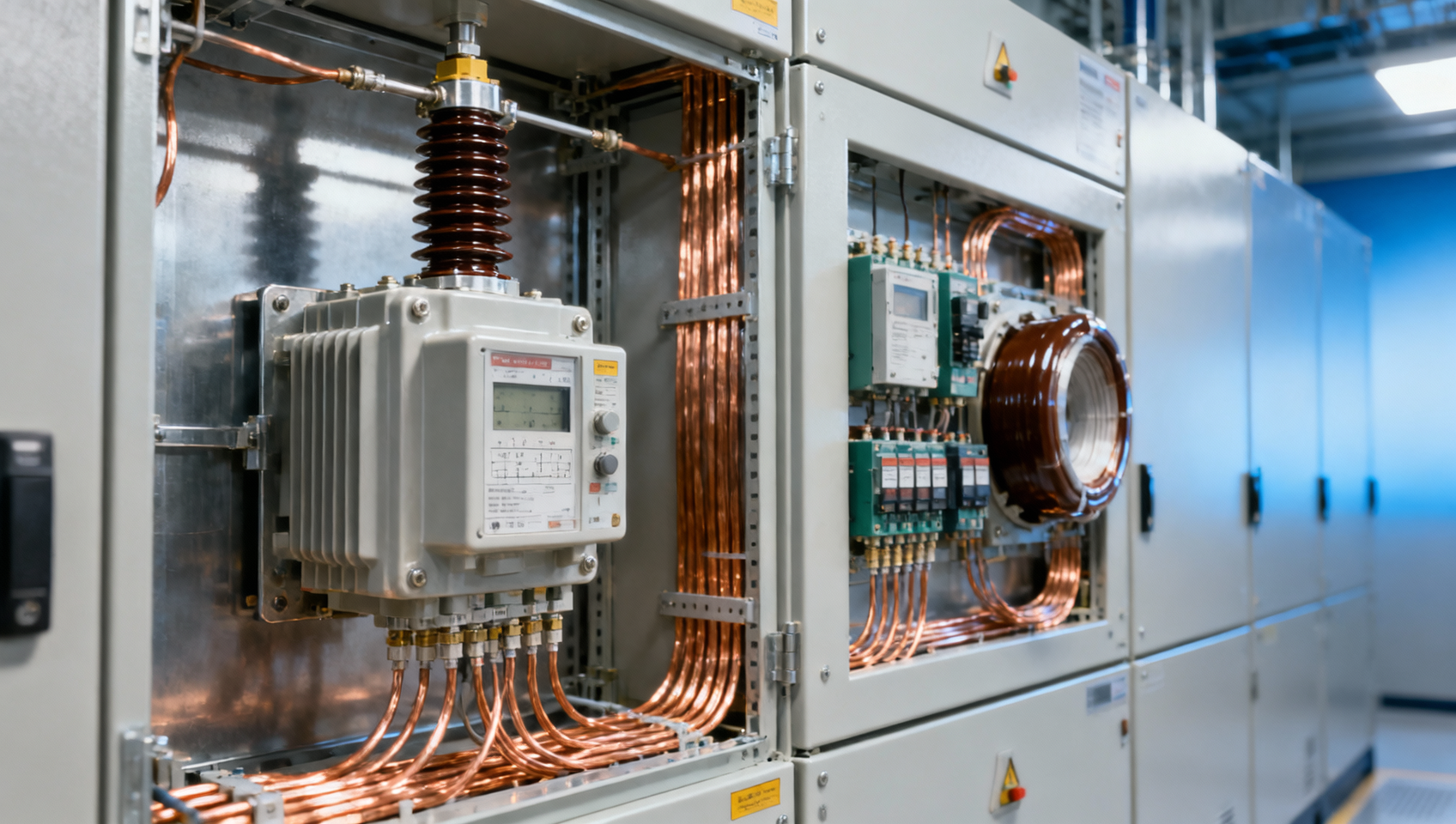
- Busbar material, sizing, and thermal performance
- Control, metering, communication, and automation requirements
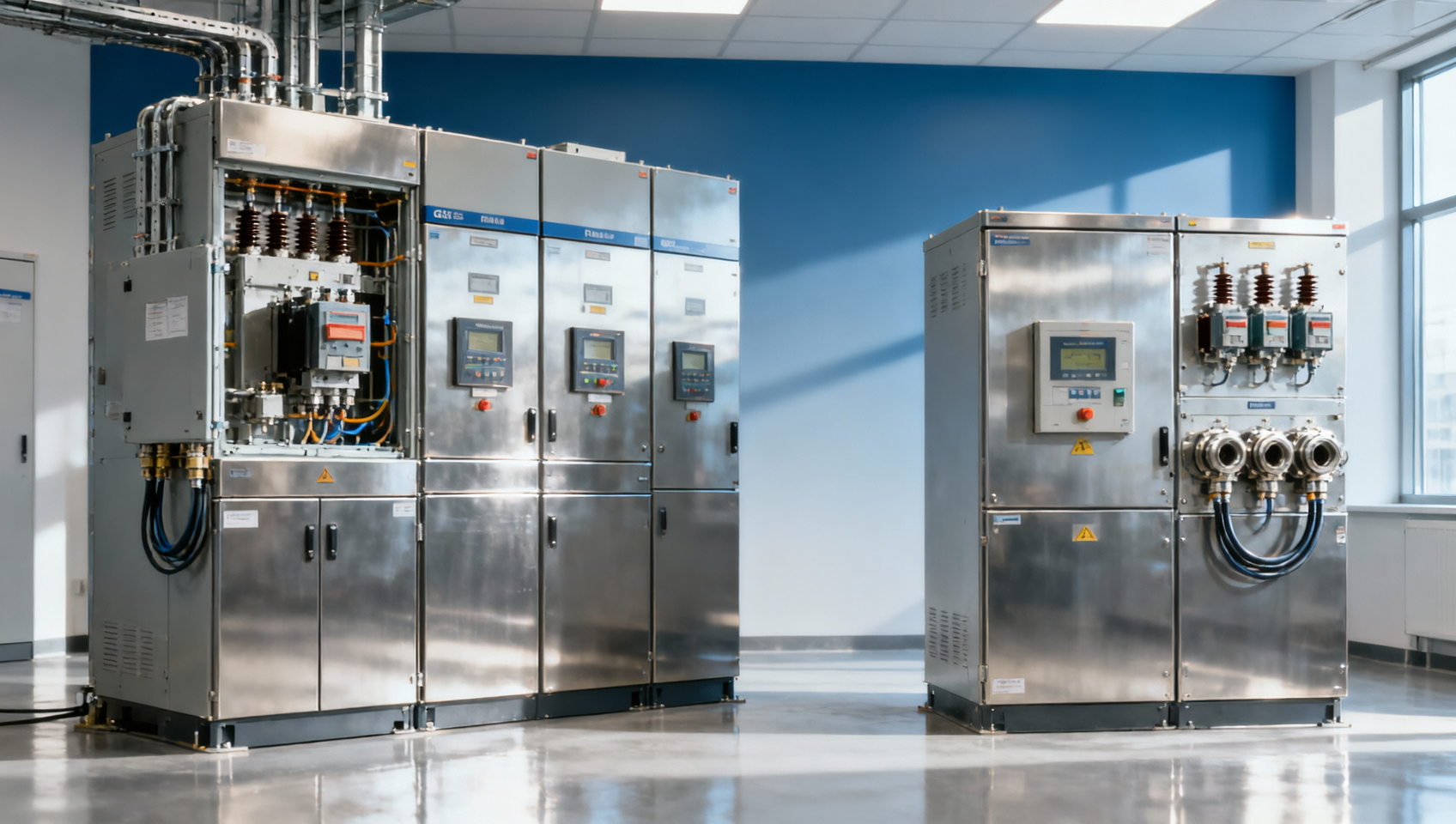
- Enclosure size, IP rating, corrosion resistance, and installation environment
- Compliance with IEC, UL, CE, and project-specific standards
- Factory testing, documentation, certification, and inspection scope
- Integration with generators, transformers, UPS, motor control, and medium voltage switchgear
For buyers and decision-makers, the key insight is that switchboard cost reflects risk management as much as hardware. Higher prices often correspond to safer maintenance access, better continuity of service, stronger fault tolerance, and easier future expansion.
How breaker selection changes price: MCCB vs MCB vs ACB
One of the clearest cost drivers is the protection device architecture. Breakers are not interchangeable commodities in an industrial low voltage switchboard. Their type, rating, interrupting capacity, mounting method, and trip functionality all shape total panel cost.
MCB (miniature circuit breaker) assemblies are generally the most economical for smaller branch circuits, lighting, and low-current final distribution. They are compact and cost-efficient, but they are not suitable for every industrial feeder. In higher-duty applications, relying on MCBs where MCCBs are required can create coordination, reliability, and fault-clearing limitations.
MCCB (molded case circuit breaker) configurations usually cost more than MCB arrangements because they handle higher current levels, offer stronger interrupting performance, and often include adjustable trip settings. MCCBs are common in industrial outgoing feeders, sub-main distribution, and motor applications. If the project requires selective coordination, electronic trip units, auxiliary contacts, shunt trips, undervoltage release, or communication modules, pricing increases accordingly.
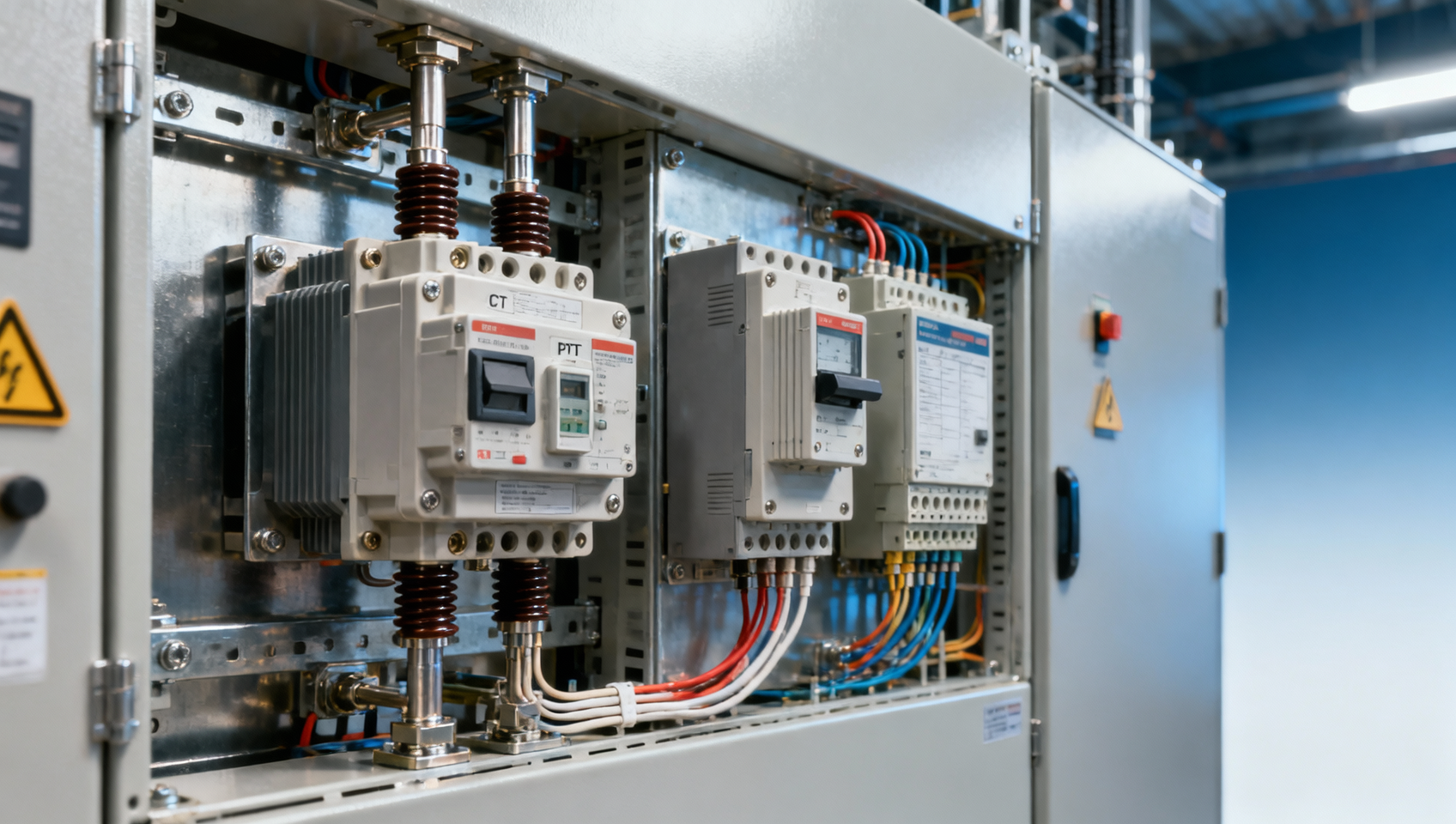
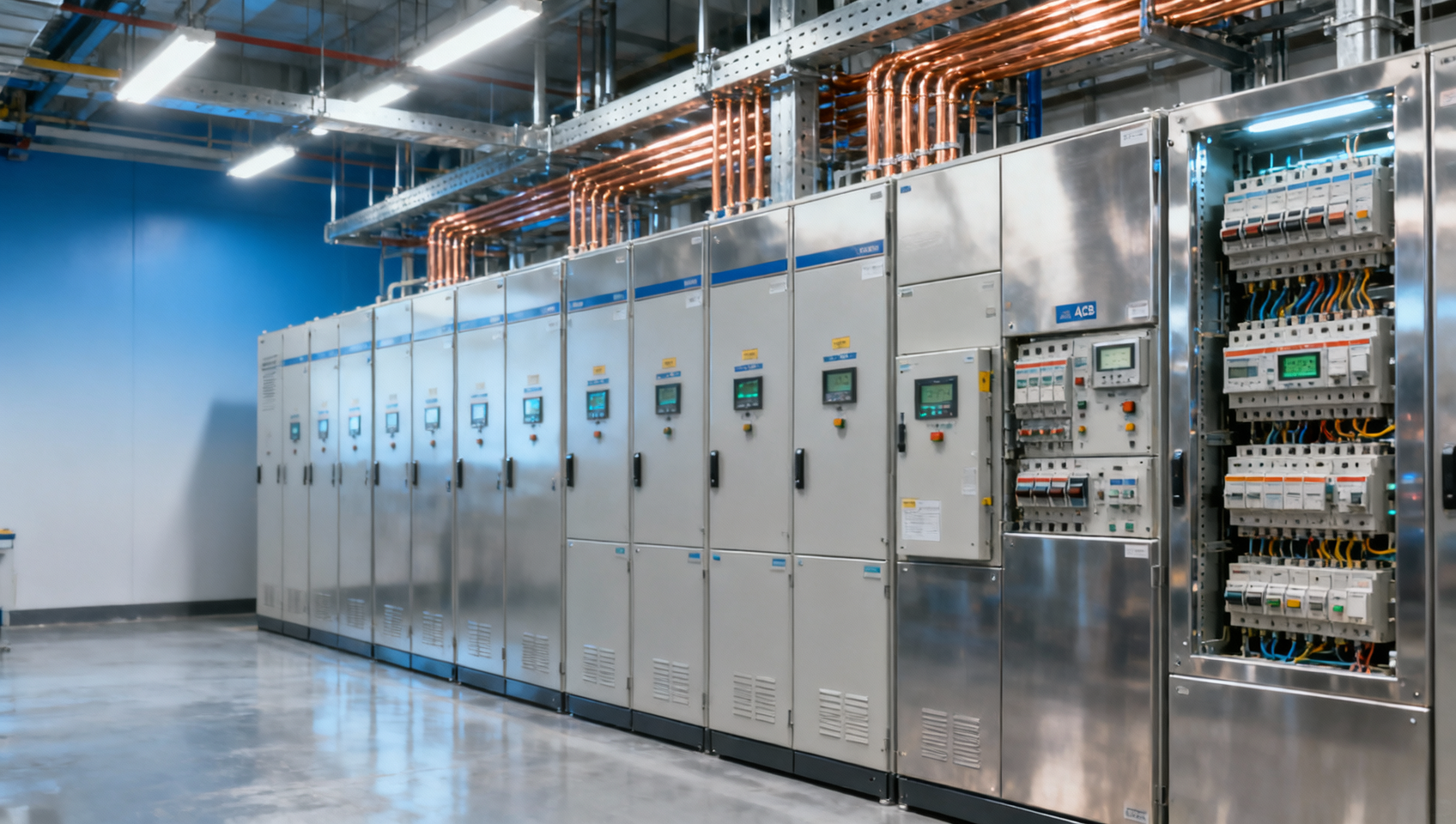
ACB (air circuit breaker) options are typically used on incomers, bus couplers, and high-current critical feeders. An ACB-based low voltage switchboard usually carries a noticeably higher price because of the breaker itself, the associated compartment design, draw-out mechanism, interlocks, protection intelligence, and testing requirements. However, ACBs often provide better serviceability, more advanced protection logic, and improved suitability for mission-critical infrastructure.
Thermal overload relays also add cost where motor protection is required, especially when combined with contactors, soft starters, or motor control logic. The price impact is not only the component value itself but also the engineering of the control circuit, wiring density, and testing.
For procurement teams, the practical takeaway is simple: ask not only “Which breaker is cheaper?” but “Which breaker architecture supports the required load profile, fault level, selectivity, maintainability, and lifecycle risk?”
Why short-circuit rating and system duty can sharply increase price
Short-circuit performance is one of the most important technical cost drivers in any low voltage switchboard. As the prospective fault current rises, the switchboard needs stronger breakers, more robust busbars, reinforced mechanical structures, and greater thermal and electrodynamic withstand capability.
This affects price in several ways:
- Higher breaking capacity breakers cost more
- Busbar supports and insulation systems must withstand greater forces
- Internal compartment design may need reinforcement
- Type-tested assemblies or certified designs become more important
- Coordination studies and engineering effort increase
In industrial facilities with large transformers, generator systems, or close coupling to medium voltage switchgear, fault levels can be substantial. Underestimating this requirement can lead to unsafe equipment selection or expensive redesign later. Overestimating it, however, may result in unnecessary capital cost. That is why accurate single-line diagrams, transformer data, and protection studies are so important during budgeting.
How enclosure design, IP rating, and installation environment affect total cost
Not all low voltage switchboards operate in clean indoor electrical rooms. Industrial installations may face dust, humidity, chemical exposure, washdown conditions, coastal corrosion, vibration, or high ambient temperatures. As the environment becomes harsher, enclosure requirements become more demanding and more expensive.
Key cost factors include:
- IP rating: Higher ingress protection often means more robust sealing, gasketing, and ventilation design
- Material selection: Stainless steel or coated steel costs more than standard painted enclosures
- Thermal management: Fans, filters, heat exchangers, or air conditioning may be needed
- Seismic or vibration resistance: Common in infrastructure and process sectors
- Outdoor installation: Can require canopies, anti-condensation heaters, and weatherproof construction
For operators, better enclosure design can reduce nuisance failures, contamination-related faults, and maintenance burden. For decision-makers, it is often cheaper to specify the right environmental protection at the beginning than to deal with corrosion, overheating, or premature replacement later.
Why internal separation, safety, and maintainability matter for pricing
Internal form of separation is a major cost differentiator, especially in industrial and commercial critical power applications. Higher forms of separation improve safety, reduce the risk of accidental contact, and support better continuity during maintenance, but they also require more material, compartmentalization, and assembly labor.
A more sophisticated low voltage switchboard may include:
- Segregated busbar chambers
- Separated functional units
- Dedicated cable termination areas
- Shrouding and barriers for live parts
- Mechanical and electrical interlocks
- Draw-out functional modules
These features increase manufacturing complexity, but they can be justified in plants where uptime, personnel safety, and controlled maintenance access are critical. If the facility cannot tolerate extended shutdowns, maintainability may be more valuable than lowest initial price.
How metering, automation, and smart monitoring increase switchboard cost
Digital functionality is another major variable. A basic distribution board with analog indication and simple breaker status is very different from a modern intelligent low voltage switchboard that supports energy management, remote diagnostics, and integration into SCADA or building management systems.
Common add-ons that raise cost include:
- Multifunction power meters
- Network analyzers and power quality monitoring
- Communication gateways for Modbus, Ethernet, or IEC protocols
- PLC-based control logic
- HMI screens and annunciation systems
- Remote breaker control and status feedback
- Temperature monitoring for busbars and cable connections
These features add hardware, engineering time, wiring, software configuration, testing, and documentation. But they also create value. Procurement teams evaluating price should compare the incremental cost against benefits such as energy visibility, predictive maintenance, alarm response speed, and reduced unplanned downtime.
What compliance, testing, and certification requirements do to budget
Compliance is not a superficial paperwork issue in switchboard procurement. It directly affects design approach, component selection, quality control, testing scope, and supplier credibility. Requirements related to IEC, UL, CE, ISO-managed manufacturing, and client-specific inspection standards often have a meaningful impact on cost.
Typical cost-related compliance elements include:
- Type-tested or design-verified assemblies
- Routine factory acceptance testing
- Third-party witness testing
- Arc mitigation or enhanced safety requirements
- Traceable component documentation
- As-built drawings and operation manuals
- Nameplate, labeling, and identification standards
For international projects, certification alignment matters even more. A switchboard intended for one market may need material, breaker, and enclosure changes to satisfy another. Buyers should verify compliance early, because retrofitting certification expectations after fabrication often causes delay and cost escalation.
How integration with medium voltage switchgear and upstream equipment changes cost
Low voltage switchboard pricing also depends on what the board must connect to and coordinate with. In standalone applications, pricing may be relatively straightforward. In integrated industrial systems, costs rise as the switchboard must interface with transformers, generator sets, UPS systems, motor control centers, process automation, and medium voltage switchgear.
This integration may require:
- Advanced protection coordination studies
- Load shedding schemes
- Automatic transfer logic
- Generator synchronization interfaces
- Transformer temperature or fan control links
- Communication with supervisory control systems
These are not optional details in many industrial environments. They shape panel architecture, wiring complexity, commissioning effort, and software logic. As a result, two switchboards with similar current ratings can have very different prices depending on system integration demands.
What procurement teams should ask suppliers before comparing quotes
Many quote comparisons fail because they compare incomplete or non-equivalent scopes. A low initial price can hide omissions in testing, internal separation, metering, spare capacity, cable access, or documentation. To avoid false comparisons, buyers should standardize technical and commercial clarification points.
Useful questions include:
- What is the rated current, fault level, and form of separation?
- Are incomers and couplers based on ACB or MCCB?
- What are the exact breaker brands, trip units, and accessory modules?
- Is the busbar copper or aluminum, and what is the temperature rise design basis?
- What IP rating and enclosure material are included?
- What routine tests and optional FAT procedures are covered?
- What communication protocols and metering functions are included?
- What spare ways and future expansion provisions are built in?
- Which documents, drawings, and certificates are part of the offer?
- What exclusions apply to installation, commissioning, or site support?
This approach helps procurement professionals move from nominal quote comparison to true total-value evaluation.
How to control low voltage switchboard cost without creating future risk
Cost optimization is possible, but it should be done intelligently. The goal is not to buy the cheapest switchboard. The goal is to reduce unnecessary specification while protecting safety, reliability, maintainability, and compliance.
Practical strategies include:
- Match fault rating to actual study results instead of overdesigning
- Use advanced ACB features only where operationally justified
- Standardize breaker platforms across projects where possible
- Specify only the metering and communication points that deliver operational value
- Include realistic expansion allowance instead of excessive spare capacity
- Choose enclosure material based on actual environmental exposure
- Clarify documentation and testing requirements early
- Align technical specification with local code and end-user standards before tendering
For business leaders, this is where return on investment becomes clear. Thoughtful specification reduces avoidable capex while limiting lifecycle costs from downtime, maintenance inefficiency, and replacement risk.
Final takeaway for budgeting and supplier evaluation
Low voltage switchboard cost factors extend far beyond cabinet size or headline current rating. The biggest pricing differences usually come from breaker selection, fault duty, safety separation, environmental design, automation features, compliance obligations, and integration complexity. Components such as molded case circuit breaker MCCB, miniature circuit breaker MCB, air circuit breaker ACB, thermal overload relays, and links to medium voltage switchgear are not just bill-of-material items; they reflect the performance expectations of the whole electrical distribution system.
If you need a reliable budget or a defendable purchasing decision, define the operating environment, fault level, protection philosophy, compliance target, and monitoring needs before requesting quotes. The most cost-effective switchboard is rarely the cheapest one on paper. It is the one that meets the application safely, supports operations efficiently, and avoids expensive surprises over its service life.
Technical Specifications
- Canton Fair Phase II 2026: Industrial Components Booking Rate Hits 98%Author :Heavy Industry Strategist
- TÜV Rheinland Updates EMC Guide for Industrial Optics EquipmentAuthor :Precision Metrology Expert
- Copper Price Surges 6.8%: Impact on Cables, Breakers & BOM CostsAuthor :Grid Infrastructure Analyst
Expert Insights

Chief Security Architect
Dr. Thorne specializes in the intersection of structural engineering and digital resilience. He has advised three G7 governments on industrial infrastructure security.
Related Analysis
- Apr 21, 2026Canton Fair Phase II 2026: Industrial Components Booking Rate Hits 98%Author :Heavy Industry Strategist
- Apr 21, 2026TÜV Rheinland Updates EMC Guide for Industrial Optics EquipmentAuthor :Precision Metrology Expert
- Apr 21, 2026Copper Price Surges 6.8%: Impact on Cables, Breakers & BOM CostsAuthor :Grid Infrastructure Analyst
Core Sector // 01
Security & Safety
- Shanghai Yangshan Port Launches Green Clearance for Industrial EquipmentAuthor :Grid Infrastructure Analyst
![]()
- How to Vet a Power Transformer ManufacturerAuthor :Grid Infrastructure Analyst

- How to Source Distribution TransformersAuthor :Grid Infrastructure Analyst

- Cast Resin Dry Type Transformer UsesAuthor :Grid Infrastructure Analyst

- Oil Immersed Transformer vs Dry TypeAuthor :Grid Infrastructure Analyst

- Current Transformers CT Buying ChecklistAuthor :Grid Infrastructure Analyst

- Potential Transformers PT Selection GuideAuthor :Grid Infrastructure Analyst

- How to Compare Medium Voltage SwitchgearAuthor :Grid Infrastructure Analyst