Cast Resin Dry Type Transformer Uses
Author
Date Published
Reading Time
Cast resin dry type transformer uses are expanding wherever safety, efficiency, and low maintenance matter most. From commercial buildings and renewable energy systems to medium voltage switchgear, low voltage switchboard, and distribution networks, this technology offers a reliable alternative to oil immersed transformer solutions. This guide explores key applications, selection factors, and how it compares with distribution transformers wholesale and power transformer manufacturer options for industrial buyers.
For researchers, operators, procurement teams, and business decision-makers, the appeal is practical rather than theoretical. A cast resin dry type transformer can be installed closer to load centers, often reduces fire risk, avoids liquid leakage concerns, and supports stable performance in demanding indoor environments. In projects where uptime, code compliance, and space efficiency directly affect lifecycle cost, understanding the real uses of this transformer category is essential.
The most valuable buying decisions are rarely based on price alone. Voltage class, insulation behavior, ambient conditions, enclosure protection, harmonics, ventilation, and delivery expectations all influence whether a transformer will perform reliably over 10, 15, or even 20 years of service. The sections below focus on practical applications, comparison factors, selection criteria, and implementation guidance for industrial and infrastructure buyers.
Where Cast Resin Dry Type Transformers Are Used Most
Cast resin dry type transformer uses are strongest in environments where safety, cleanliness, and installation flexibility are priorities. Typical applications include commercial towers, hospitals, airports, metro stations, data centers, manufacturing plants, tunnels, marine-support facilities, and utility-connected renewable energy systems. These installations often require dependable medium-voltage to low-voltage transformation without the complications associated with insulating oil.
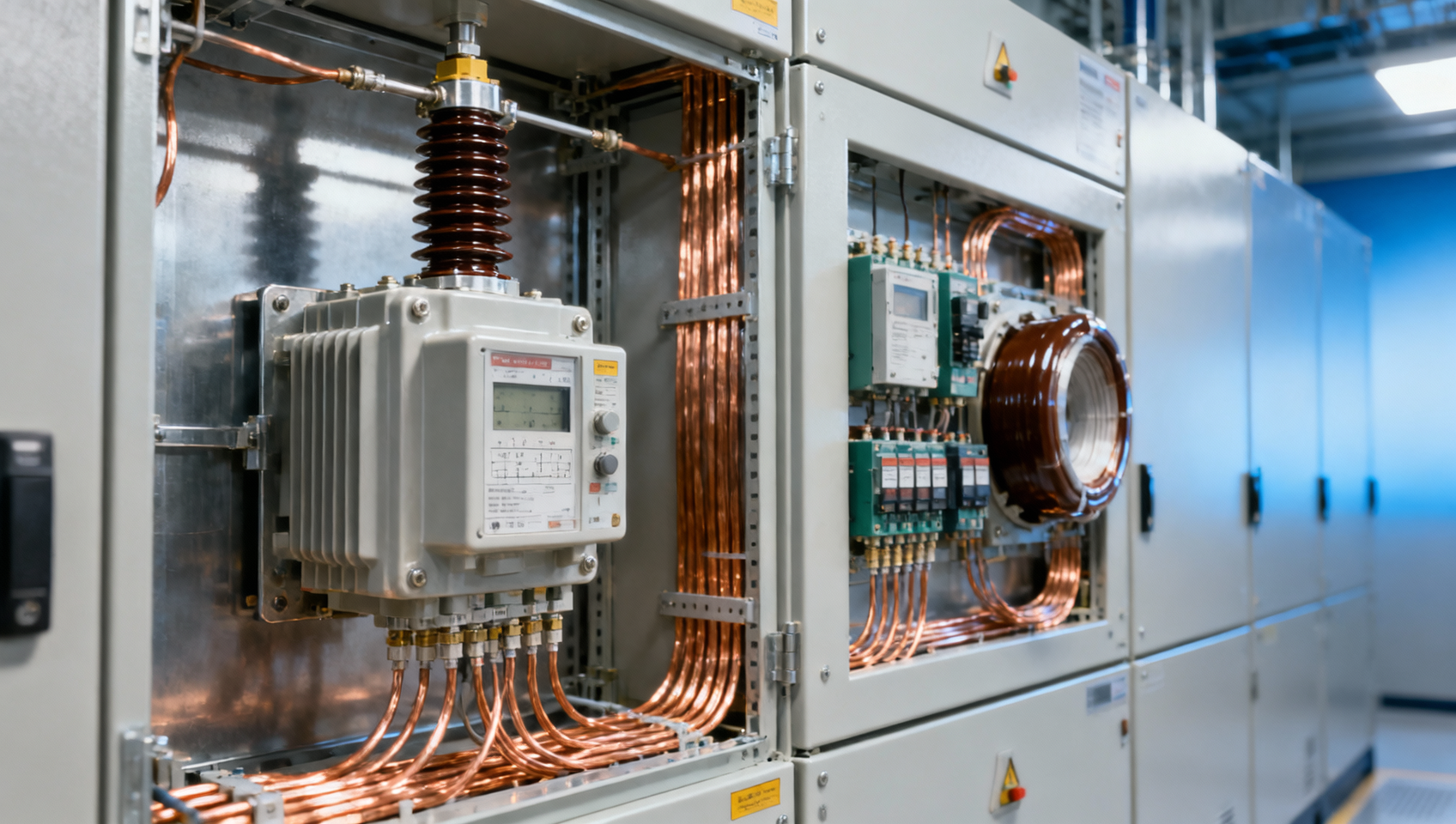
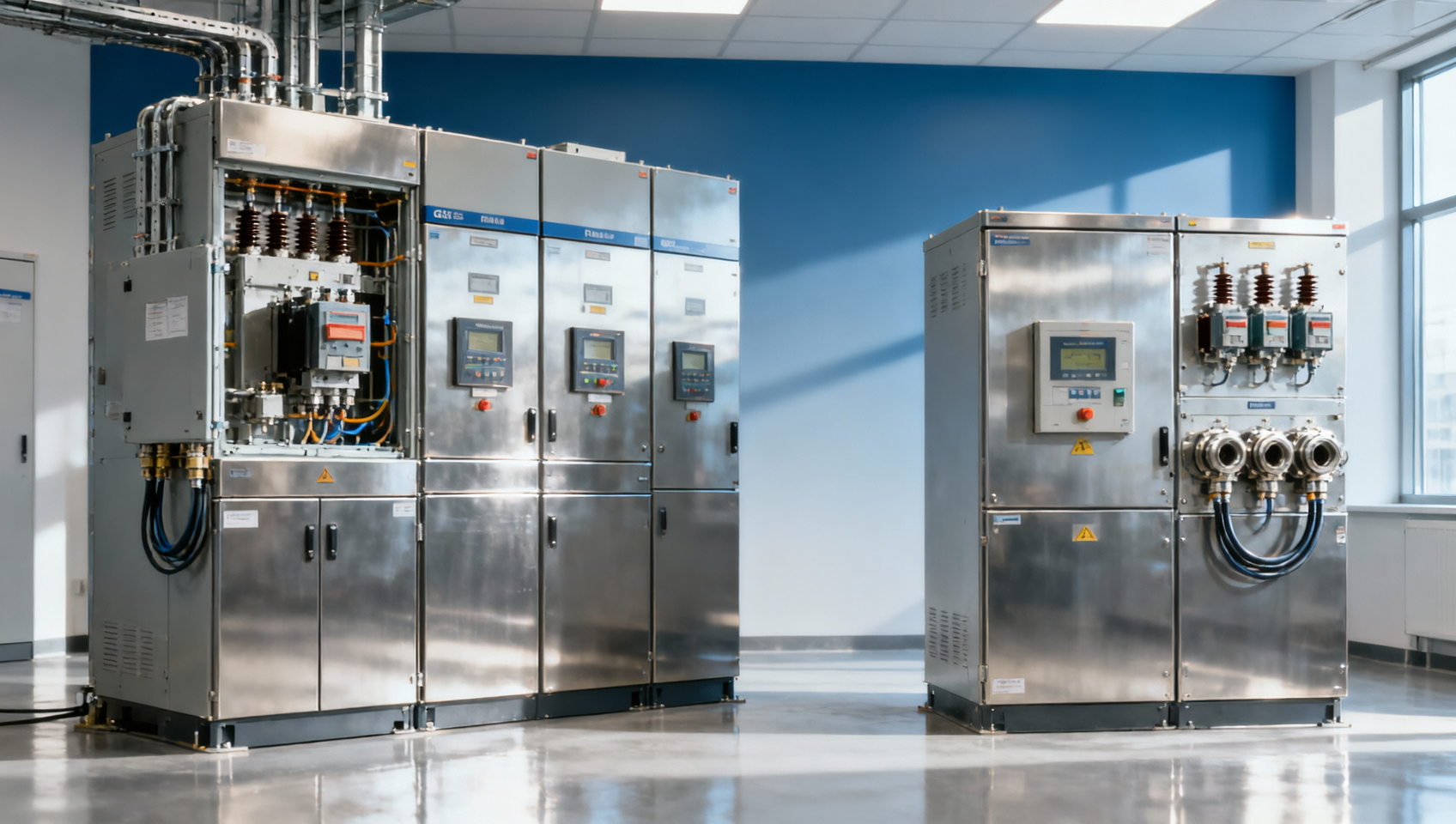
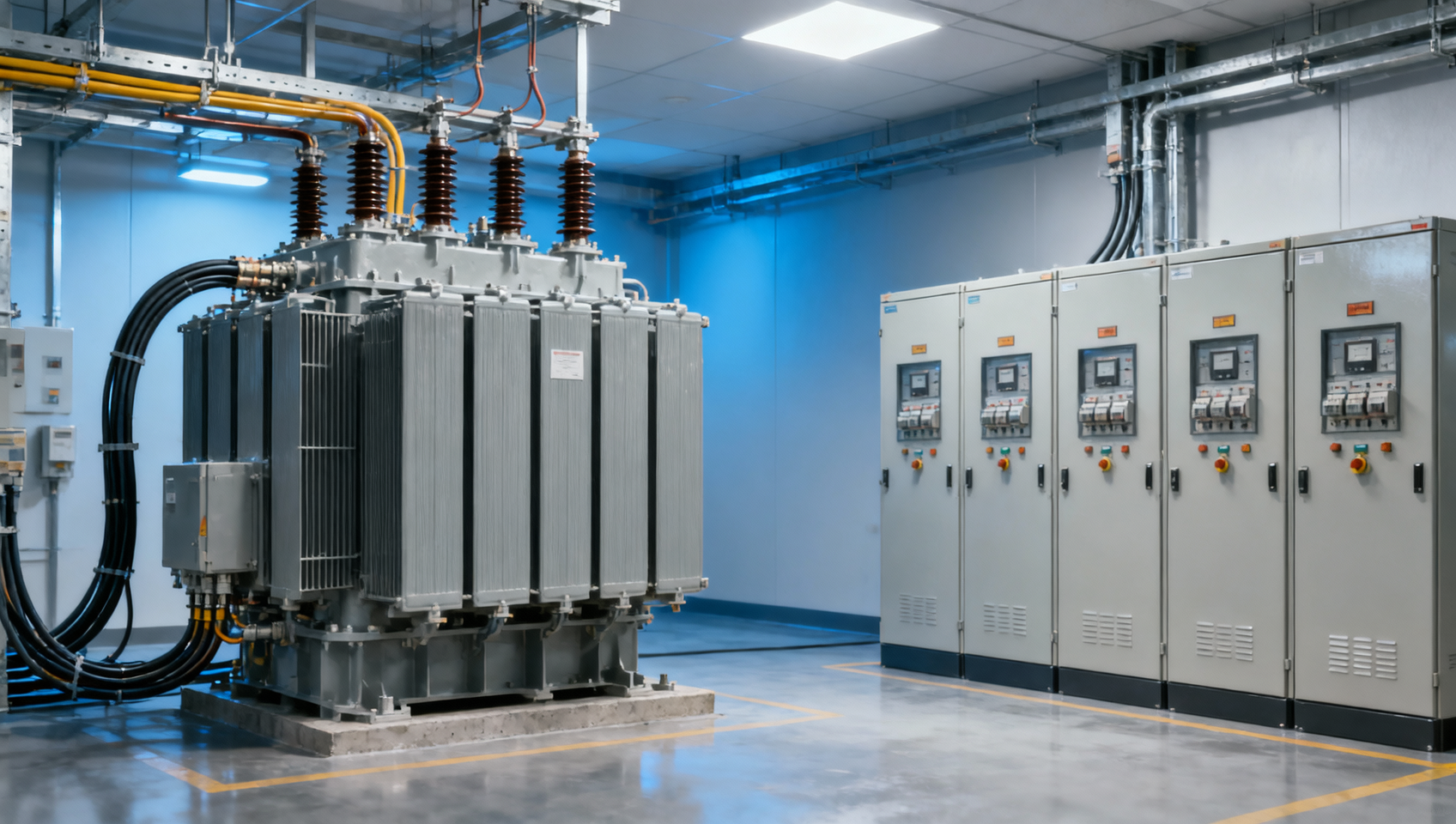
In modern buildings, these transformers are commonly placed inside electrical rooms near medium voltage switchgear and low voltage switchboard assemblies. This can shorten cable runs by 20–80 meters in some layouts, helping reduce copper usage, voltage drop, and installation complexity. For facilities operating 24/7, locating the transformer closer to critical loads can also simplify maintenance planning and reduce the impact of feeder faults.
Industrial operators also prefer cast resin units in dusty or humid indoor conditions when suitable enclosure ratings and ventilation strategies are specified. Typical capacity ranges extend from 100 kVA to 2500 kVA for distribution use, while some heavy-duty projects may require larger ratings depending on the manufacturer’s design platform and cooling configuration. Frequency is generally 50 Hz or 60 Hz, and common voltage classes include 10 kV, 11 kV, 20 kV, and 35 kV on the high-voltage side.
Key application scenarios by sector
The table below highlights where cast resin dry type transformer uses align most clearly with operational requirements. The aim is not to replace engineering design, but to show why this technology is often selected over oil immersed transformer alternatives in indoor or risk-sensitive settings.
The main takeaway is that usage grows wherever a project team wants safer indoor power transformation with fewer containment concerns. However, the application fit still depends on duty cycle, harmonic content, altitude, ambient temperature, and enclosure design. A transformer that performs well in a hospital basement may require different thermal margins than one operating in a 45°C process area.
Common load environments
- Low-voltage distribution systems serving lighting, elevators, HVAC, and building automation loads.
- Industrial motor and process loads with moderate harmonic exposure from drives and converters.
- Renewable energy collection points where continuous duty and grid interface stability matter.
- Critical infrastructure sites where maintenance windows may be limited to monthly or quarterly shutdown periods.
In short, cast resin dry type transformer uses are not limited to a narrow niche. They are increasingly relevant across mixed-use infrastructure, industrial modernization, and energy transition projects where operational risk reduction is a core purchasing objective.
How Cast Resin Compares with Oil Immersed and Other Supply Options
Buyers evaluating transformer technologies usually compare three dimensions first: installation environment, lifecycle maintenance, and procurement flexibility. A cast resin dry type transformer is often favored for indoor use and high-occupancy facilities, while an oil immersed transformer may remain attractive for outdoor substations, higher-capacity utility applications, or sites where space and containment infrastructure are less restrictive.
The comparison also changes depending on sourcing path. Buyers looking at distribution transformers wholesale may prioritize standard ratings, repeatable lead times, and project volume pricing. Buyers working directly with a power transformer manufacturer may need customized impedance, temperature rise limits, tap arrangements, special enclosures, or harmonics-oriented designs for a single project or a multi-site rollout.
A practical difference is service profile. Dry type units can reduce routine fluid-related inspection tasks, but they still require cleaning, thermal monitoring, torque checks, and ventilation verification. Oil-based systems may offer strong thermal performance in many contexts, yet they typically introduce additional requirements for leak management, fire separation strategy, and environmental safeguards.
Technology and sourcing comparison
The table below compares typical decision factors for industrial and infrastructure procurement teams. Final selection should always match the single-line diagram, local regulations, and site-specific operating conditions.
For many buyers, the best comparison is not “which technology is universally better,” but “which technology best matches the operating risk profile.” If the transformer will sit inside a populated building or close to sensitive equipment, cast resin often has a strong case. If the project is a large outdoor distribution point with different thermal and cost priorities, oil immersed options may still be competitive.
When wholesale supply works best
- Multi-building developments requiring 3–10 units with similar ratings and repeatable panel interfaces.
- Contractors seeking standard 11/0.4 kV or comparable distribution configurations with predictable factory schedules.
- Procurement teams balancing CAPEX discipline with acceptable customization, such as enclosure class, sensors, and tap settings.
Direct engagement with a power transformer manufacturer is typically more valuable when project constraints are unusual: limited installation space, harmonic-heavy loads, high altitude above 1000 meters, or a required impedance window that affects short-circuit coordination. In those cases, engineering support can outweigh small differences in unit price.
Selection Criteria That Matter in Real Projects
Choosing the right cast resin dry type transformer requires more than matching kVA and voltage. Procurement and engineering teams should evaluate at least 6 core variables: rated capacity, primary and secondary voltage, impedance, insulation class, protection enclosure, and site environment. If any of these are poorly specified, the result can be nuisance overheating, coordination issues, excessive noise, or shortened insulation life.
Capacity sizing should reflect actual load profile rather than nameplate totals alone. A facility with a calculated demand of 720 kVA may still require a 1000 kVA unit if load growth of 15–25% is expected within 3 years, or if harmonic distortion and ambient temperature create additional thermal stress. Conversely, chronic oversizing can reduce efficiency at normal operating load and increase project cost without practical benefit.
Environmental conditions also shape the specification. Indoor transformers operating at 40°C ambient, high dust levels, or altitude above 1000 m may need derating or enhanced cooling. Enclosures such as IP20, IP23, or higher may be considered depending on personnel access and contamination exposure. For process industries, buyers should also review short-circuit withstand, insulation thermal class, and temperature monitoring points.
Practical specification checklist
The checklist below gives procurement teams a structured starting point before requesting quotations. It helps reduce redesign cycles, quotation gaps, and mismatches between transformer supply and switchgear layout.
A well-structured RFQ should include at least 8 technical items and 4 commercial items. On the technical side, include diagram reference, duty type, load profile, harmonics, enclosure requirement, installation altitude, ambient range, and cable entry direction. On the commercial side, request lead time, testing scope, packing method, spare parts, and warranty terms. This level of detail can reduce clarification rounds by 2–3 cycles.
Common specification mistakes
- Using only connected load instead of measured or calculated maximum demand.
- Ignoring harmonic distortion from variable frequency drives, UPS systems, or rectifier loads.
- Failing to match transformer impedance with downstream breaker coordination.
- Requesting an indoor transformer without confirming room ventilation and service clearance.
For decision-makers, the procurement lesson is simple: the cheapest offer can become the most expensive if ventilation retrofits, cable revisions, or protection redesigns are required after delivery. Early specification discipline is one of the most effective ways to control total installed cost.
Installation, Maintenance, and Operating Reliability
One reason cast resin dry type transformer uses continue to expand is the balance between operational safety and maintenance simplicity. That does not mean zero maintenance. Reliable performance still depends on correct installation clearances, airflow management, electrical termination quality, and scheduled inspection. In many facilities, a quarterly visual inspection and an annual electrical maintenance review are reasonable baseline practices, though exact intervals vary by duty and environment.
Installation planning begins with room geometry. Teams should confirm access route dimensions, floor loading, cable bending space, ventilation path, and clearance from walls or adjacent panels. Even a 1000 kVA transformer may create avoidable thermal issues if installed in a poorly ventilated room. In warm climates, room temperature can rise above 40°C during peak demand unless extraction fans or air management openings are properly sized.
Operators should also monitor environmental cleanliness. Dust accumulation on coils and ventilation passages can impair heat dissipation over time. In plants with fiber dust, cement dust, or metallic particles, cleaning frequency may need to increase from once per year to every 3–6 months. Temperature sensors, alarm relays, and optional fan control can support preventive maintenance by revealing abnormal thermal trends before shutdowns occur.
Recommended operating and maintenance focus
The following actions help operators reduce unplanned outages and preserve transformer life. They are especially important for critical infrastructure, continuous process lines, and facilities with limited maintenance windows.
- Check coil and terminal cleanliness every 3–12 months depending on contamination level.
- Verify connection tightness during planned shutdowns, especially after the first 6–12 months of operation.
- Review temperature alarm history and fan operation if forced-air cooling is installed.
- Inspect for abnormal vibration, odor, discoloration, or acoustic changes during routine rounds.
- Confirm ventilation paths remain unobstructed and room filters are maintained.
Reliability considerations for operators
Operators often focus on visible conditions, but electrical loading trends are equally important. A transformer that runs at 70–80% average load may be healthy, while repeated peak loading above intended thermal margins can accelerate insulation aging. Facilities with seasonal peaks, such as chilled water plants or manufacturing campaigns, should review thermal data at least once per quarter.
Noise is another practical issue. Dry type transformers can produce audible sound that affects indoor comfort or nearby work areas. If the installation is close to offices, healthcare zones, or control rooms, buyers should ask about sound level expectations, mounting arrangements, and enclosure influence. Small design choices during procurement can prevent costly acoustic mitigation later.
When installed and maintained correctly, cast resin dry type transformers can support long service life in demanding environments. Reliability is not only a product characteristic; it is a result of matching design, environment, loading, and maintenance discipline from day one.
Procurement Strategy, Lead Time, and Buyer FAQs
For procurement teams, transformer sourcing is a risk-management exercise as much as a technical purchase. A strong buying process typically covers 5 stages: load definition, specification alignment, supplier evaluation, factory testing review, and delivery coordination. Depending on project complexity, the full cycle may take 3–8 weeks before manufacturing even begins, so early planning matters.
Supplier evaluation should go beyond price and nameplate compliance. Buyers should ask whether the manufacturer can support test documentation, installation manuals, accessory integration, and post-delivery technical clarification. This is especially important when transformers must interface with medium voltage switchgear, low voltage switchboard systems, protection relays, and building or plant automation platforms.
Commercial review should include packaging method, transport orientation, storage conditions, and spare parts availability. If the site is remote or the construction schedule is tight, a missed 2-week shipping window can affect energization, commissioning, and handover dates. For mission-critical facilities, many buyers also request a clear list of recommended commissioning checks before first energization.
Buyer FAQ
How do I know if cast resin is better than an oil immersed transformer for my project?
Start with location and risk profile. If the transformer will be installed indoors, near occupied spaces, or within a facility where containment and fire planning are sensitive issues, cast resin is often a strong option. If the application is outdoors, utility-oriented, or centered on different thermal and cost trade-offs, oil immersed solutions may remain suitable.
What lead time should buyers expect?
For common distribution ratings, lead times often fall between 4 and 10 weeks after approved drawings, depending on enclosure, sensors, tap requirements, and factory workload. Custom engineering, special testing, or export documentation can extend this range by 1–4 additional weeks.
Which technical indicators matter most during quotation review?
The most important items usually include rated power, voltage ratio, impedance, temperature rise, insulation system, enclosure protection, losses, cooling method, and testing scope. For industrial sites, also review harmonics exposure, altitude correction, cable entry orientation, and monitoring accessories.
Is wholesale procurement always cheaper?
Not always. Distribution transformers wholesale can reduce unit cost for standardized multi-unit packages, but a mismatched standard product can create higher installation or operating cost later. If your project requires special impedance, footprint constraints, or process-specific performance, a custom offer from a power transformer manufacturer may provide better total value.
Cast resin dry type transformer uses continue to grow because they solve real operational problems: indoor safety, maintenance simplicity, cleaner installation, and dependable performance across commercial, industrial, and renewable energy environments. The best results come from matching transformer design to actual load, room conditions, protection coordination, and procurement priorities rather than choosing by price alone.
For buyers comparing dry type and oil immersed options, or reviewing distribution transformers wholesale versus direct manufacturer supply, the critical questions are clear: Where will it operate, what loads will it serve, what risks must be controlled, and how much engineering support is needed before and after delivery? Answering those questions early improves reliability, shortens approval cycles, and reduces lifecycle surprises.
If you are planning a new facility, upgrading a distribution network, or sourcing transformer packages for an EPC project, contact GIC to discuss application fit, specification strategy, and supplier evaluation. Get a tailored solution, request product details, and explore more industrial power distribution options aligned with your project requirements.
Technical Specifications
- Canton Fair Phase II 2026: Industrial Components Booking Rate Hits 98%Author :Heavy Industry Strategist
- TÜV Rheinland Updates EMC Guide for Industrial Optics EquipmentAuthor :Precision Metrology Expert
- Copper Price Surges 6.8%: Impact on Cables, Breakers & BOM CostsAuthor :Grid Infrastructure Analyst
Expert Insights

Chief Security Architect
Dr. Thorne specializes in the intersection of structural engineering and digital resilience. He has advised three G7 governments on industrial infrastructure security.
Related Analysis
- Apr 21, 2026Canton Fair Phase II 2026: Industrial Components Booking Rate Hits 98%Author :Heavy Industry Strategist
- Apr 21, 2026TÜV Rheinland Updates EMC Guide for Industrial Optics EquipmentAuthor :Precision Metrology Expert
- Apr 21, 2026Copper Price Surges 6.8%: Impact on Cables, Breakers & BOM CostsAuthor :Grid Infrastructure Analyst
Core Sector // 01
Security & Safety
- Shanghai Yangshan Port Launches Green Clearance for Industrial EquipmentAuthor :Grid Infrastructure Analyst
![]()
- How to Vet a Power Transformer ManufacturerAuthor :Grid Infrastructure Analyst

- How to Source Distribution TransformersAuthor :Grid Infrastructure Analyst

- Cast Resin Dry Type Transformer UsesAuthor :Grid Infrastructure Analyst

- Oil Immersed Transformer vs Dry TypeAuthor :Grid Infrastructure Analyst

- Current Transformers CT Buying ChecklistAuthor :Grid Infrastructure Analyst

- Potential Transformers PT Selection GuideAuthor :Grid Infrastructure Analyst

- How to Compare Medium Voltage SwitchgearAuthor :Grid Infrastructure Analyst