How to Source Distribution Transformers
Author
Date Published
Reading Time
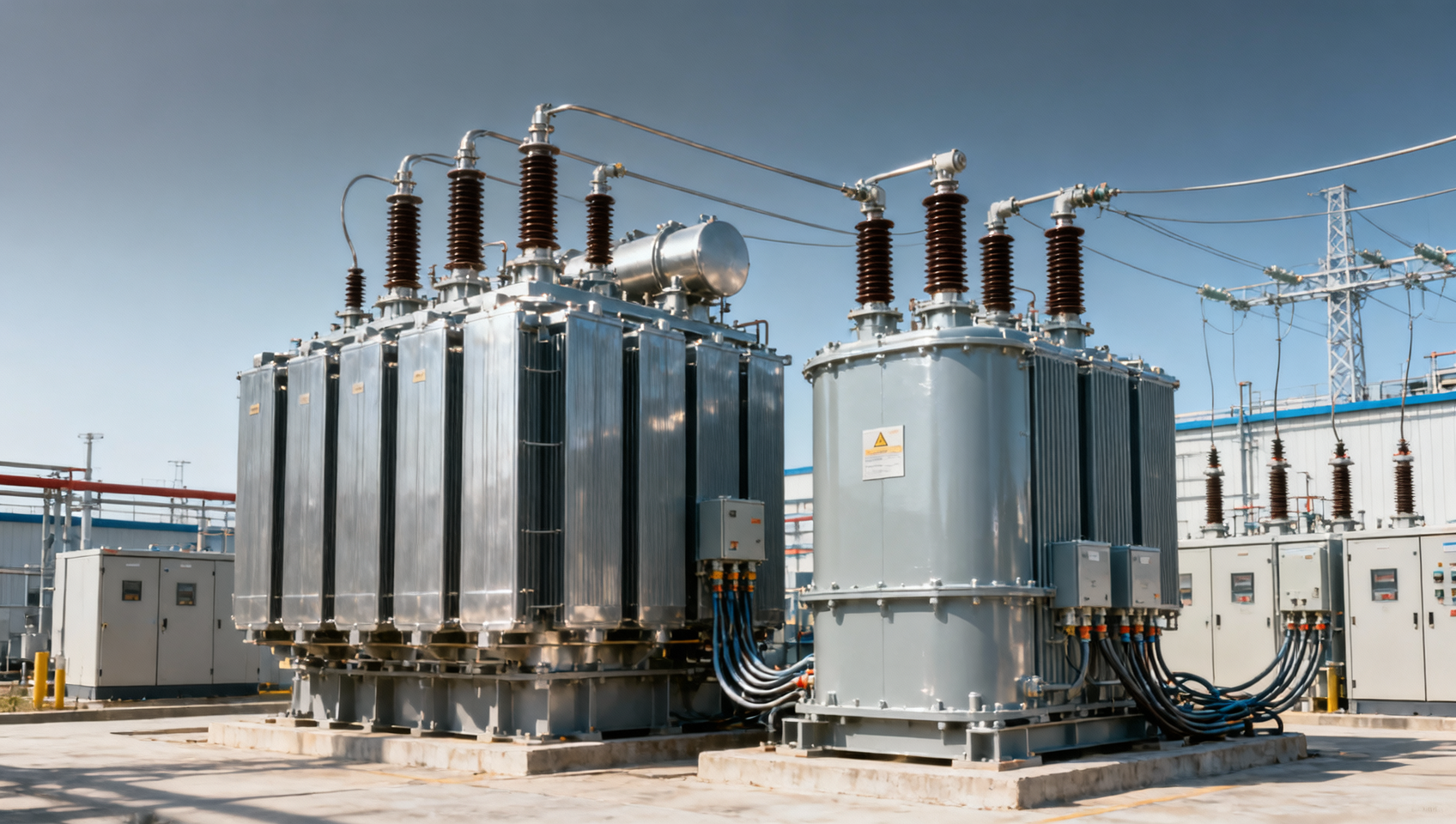
Sourcing reliable distribution transformers requires more than comparing prices—it means verifying technical fit, supplier capability, and long-term performance across your power system. Whether you are evaluating distribution transformers wholesale options, an oil immersed transformer, or a cast resin dry type transformer, this guide helps buyers, engineers, and decision-makers identify qualified partners, reduce procurement risk, and build a dependable electrical infrastructure.
In industrial and commercial power networks, the transformer is not a commodity item. It directly affects voltage stability, energy loss, maintenance frequency, site safety, and expansion planning for the next 10–25 years. A poor sourcing decision can create hidden lifecycle costs far beyond the initial purchase price, especially in utility interfaces, factories, hospitals, data facilities, mining sites, and large building portfolios.
For procurement teams, operators, and executive stakeholders, the challenge is balancing technical compliance, lead time, supplier responsiveness, and total cost of ownership. The sections below outline how to evaluate distribution transformer suppliers, compare transformer types, define specifications, control risk, and build a sourcing process that supports long-term reliability.
Understand the Application Before You Contact Suppliers
The first step in sourcing distribution transformers is to define the electrical duty clearly. Buyers often request quotations too early, using only kVA and voltage as reference points. In practice, transformer selection depends on at least 6 core variables: rated capacity, primary voltage, secondary voltage, frequency, installation environment, and load profile. Without this baseline, supplier quotations may look comparable while actually covering different technical scopes.
A standard distribution transformer may range from 25 kVA to 2500 kVA in many industrial applications, but the correct size depends on demand diversity, motor starting behavior, harmonics, ambient temperature, and planned expansion. A plant that currently needs 630 kVA may require 800 kVA or 1000 kVA if a 15%–25% load increase is expected within 2–3 years. Oversizing too much, however, can reduce efficiency under low load conditions.
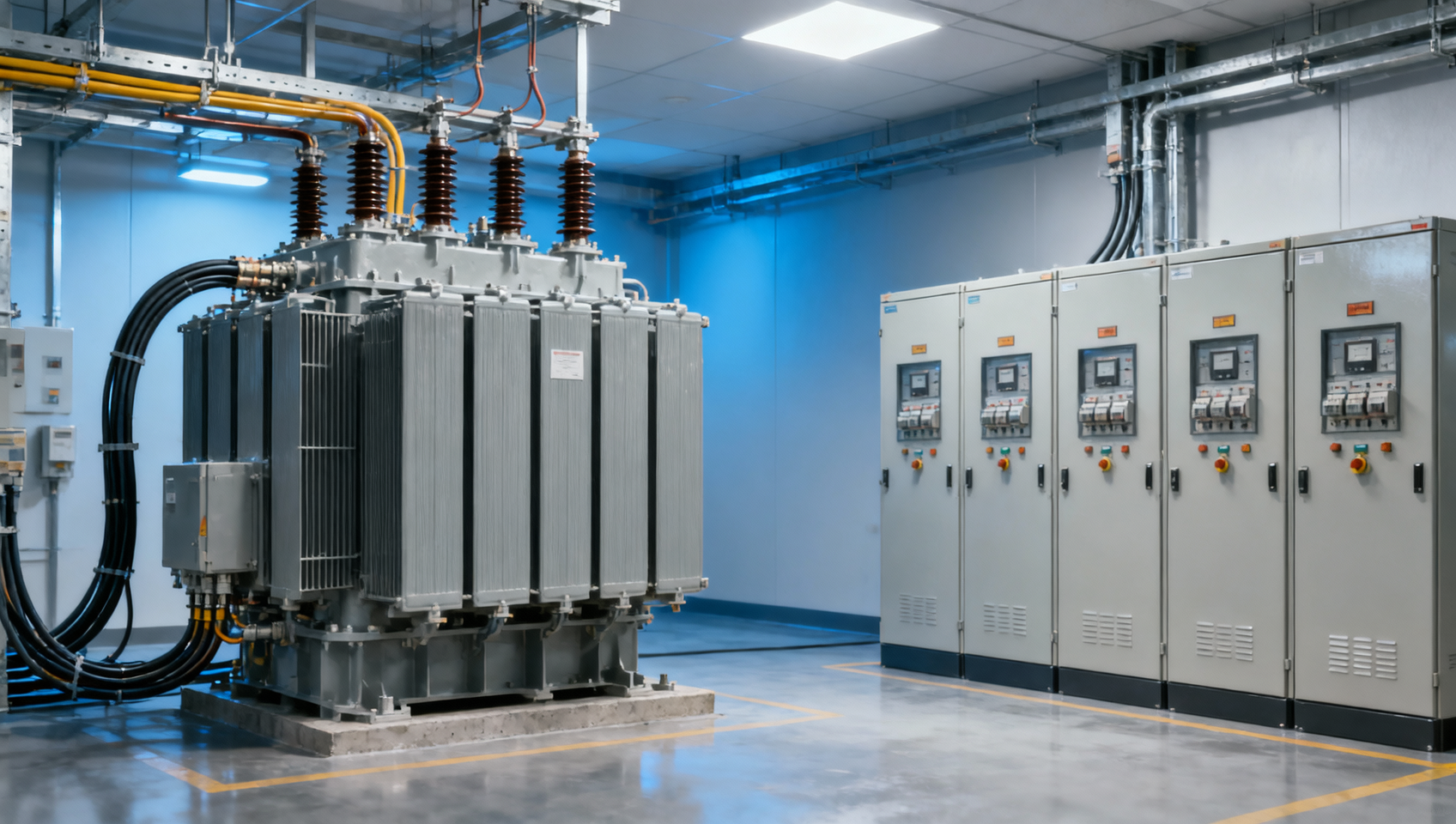
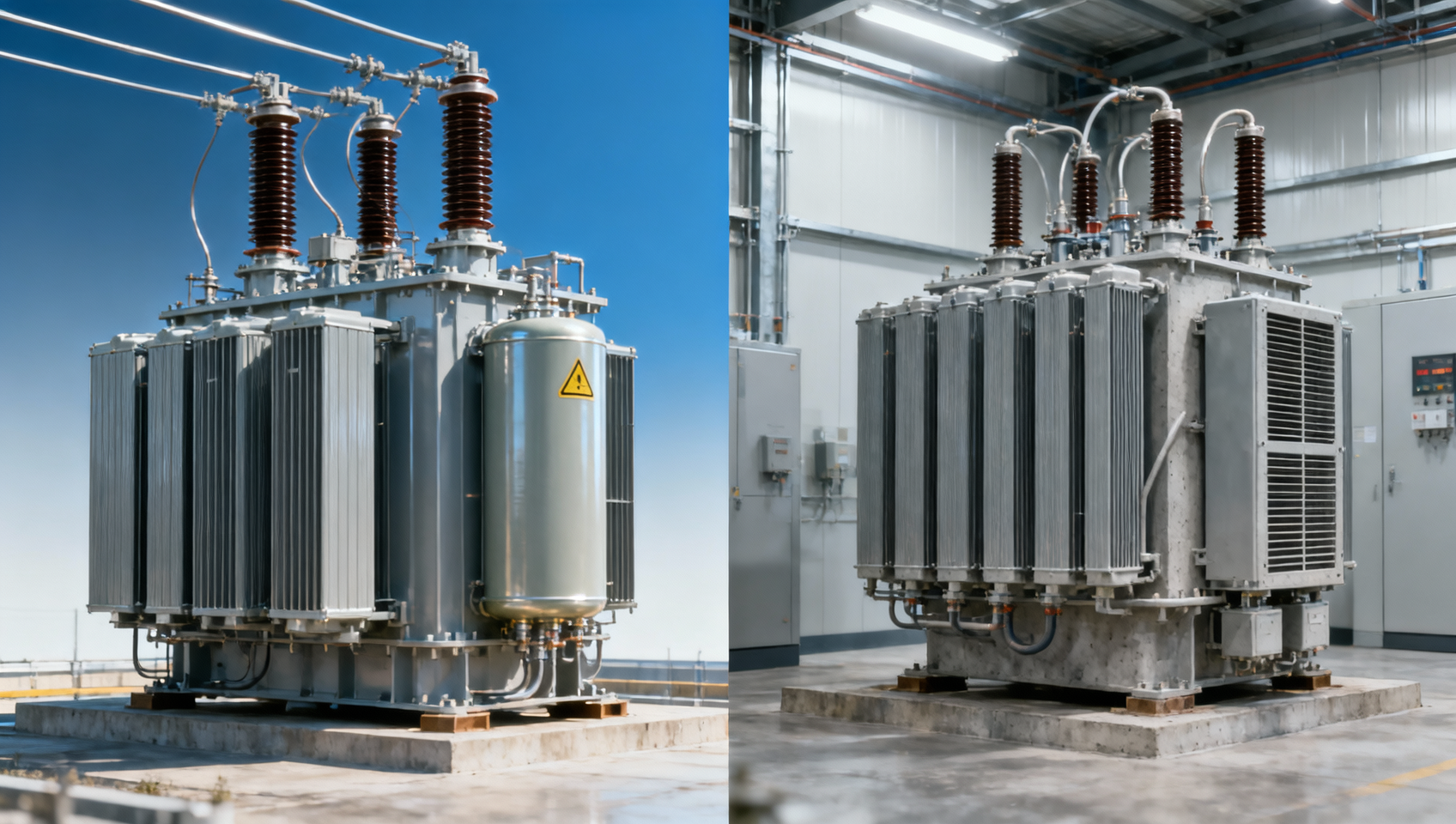
The installation site also changes the sourcing criteria. An oil immersed transformer is common for outdoor substations, utility yards, and heavy industrial environments because of robust cooling and strong overload behavior. A cast resin dry type transformer is often preferred indoors, in commercial buildings, tunnels, hospitals, or fire-sensitive areas where lower fire risk and easier indoor installation are priorities.
Procurement teams should also separate mandatory requirements from preferred options. For example, copper versus aluminum winding, ONAN cooling, tap changer range such as ±2x2.5% or ±5%, enclosure rating, and impedance level can all affect price and lead time. When these details are undefined, the lowest quotation may later trigger change orders, engineering delays, or acceptance disputes.
Key input data to prepare
- Rated capacity in kVA or MVA, with present load and 12–36 month growth estimate.
- Primary and secondary voltage, such as 11 kV/0.4 kV, 13.8 kV/0.48 kV, or 33 kV/6.6 kV.
- Frequency requirement, usually 50 Hz or 60 Hz, which must match the local grid.
- Installation condition: indoor, outdoor, coastal, dusty, high humidity, high altitude, or corrosive environment.
- Duty pattern: continuous base load, cyclic industrial load, peak load, or mixed commercial usage.
- Applicable standards, testing expectations, and site-specific safety requirements.
The table below shows how application conditions typically influence transformer selection criteria during early-stage sourcing.
The main takeaway is simple: define the operating context before asking for price. When specification quality improves, quotation quality improves. That reduces rework, shortens comparison time, and gives procurement teams a more defensible supplier shortlist.
Compare Oil Immersed and Cast Resin Dry Type Transformers
Many sourcing projects stall because teams compare different transformer technologies as if they were interchangeable. In reality, oil immersed transformers and cast resin dry type transformers serve overlapping but not identical use cases. A buyer should compare them against safety, installation constraints, maintenance strategy, and lifecycle cost rather than headline price alone.
Oil immersed transformers usually offer strong thermal performance, broad capacity coverage, and competitive cost per kVA, especially in medium and large ratings. They are widely used in utilities, manufacturing sites, mining projects, renewable interconnection points, and outdoor substations. For projects above 1000 kVA, they often remain the mainstream option when space and fire separation are manageable.
Cast resin dry type transformers are often selected where indoor safety, lower environmental spill risk, and simplified installation matter more than minimum capital cost. They are common in airports, hospitals, metros, commercial complexes, and high-rise facilities. In these environments, reduced oil-related concerns can support easier compliance with building and fire safety requirements.
However, neither type is automatically superior. Dry type units may need more attention to ventilation and ambient temperature. Oil immersed units may require bunding, oil handling procedures, and site protection measures. The right decision depends on operating conditions, not marketing claims.
Practical comparison points
The table below provides a sourcing-oriented comparison for common industrial and commercial buying scenarios.
For buyers evaluating distribution transformers wholesale, this comparison helps filter unsuitable options early. It is often more efficient to issue two separate RFQs for oil immersed and dry type units when the application is still open, then compare total installed solution cost instead of factory price only.
When each type is usually preferred
- Choose oil immersed transformers when outdoor installation, higher kVA ratings, and thermal stability are central project drivers.
- Choose cast resin dry type transformers when indoor placement, public safety, and simplified environmental management are higher priorities.
- Review both options when the site has mixed constraints, such as limited indoor space but high continuous loading above 800 kVA.
In many projects, the best sourcing outcome comes from documenting trade-offs openly. That gives engineering, operations, and procurement a shared basis for selection and prevents late-stage disagreements over safety, cost, or maintenance responsibility.
Evaluate Supplier Capability Beyond Unit Price
After the technical scope is defined, the next priority is supplier capability. A qualified transformer manufacturer should be assessed across engineering competence, production control, testing discipline, document quality, after-sales responsiveness, and export execution. Buyers focused only on price per unit often overlook these factors until a late drawing revision, failed test, or shipping issue delays the project by 4–8 weeks.
Start with the supplier’s ability to understand your specification. A serious manufacturer usually responds with a clear technical deviation sheet, preliminary drawing logic, accessory scope, test plan, and lead time assumptions. If a quotation is vague on insulation class, losses, tap arrangement, terminal configuration, or accessories, the risk of mismatch rises significantly.
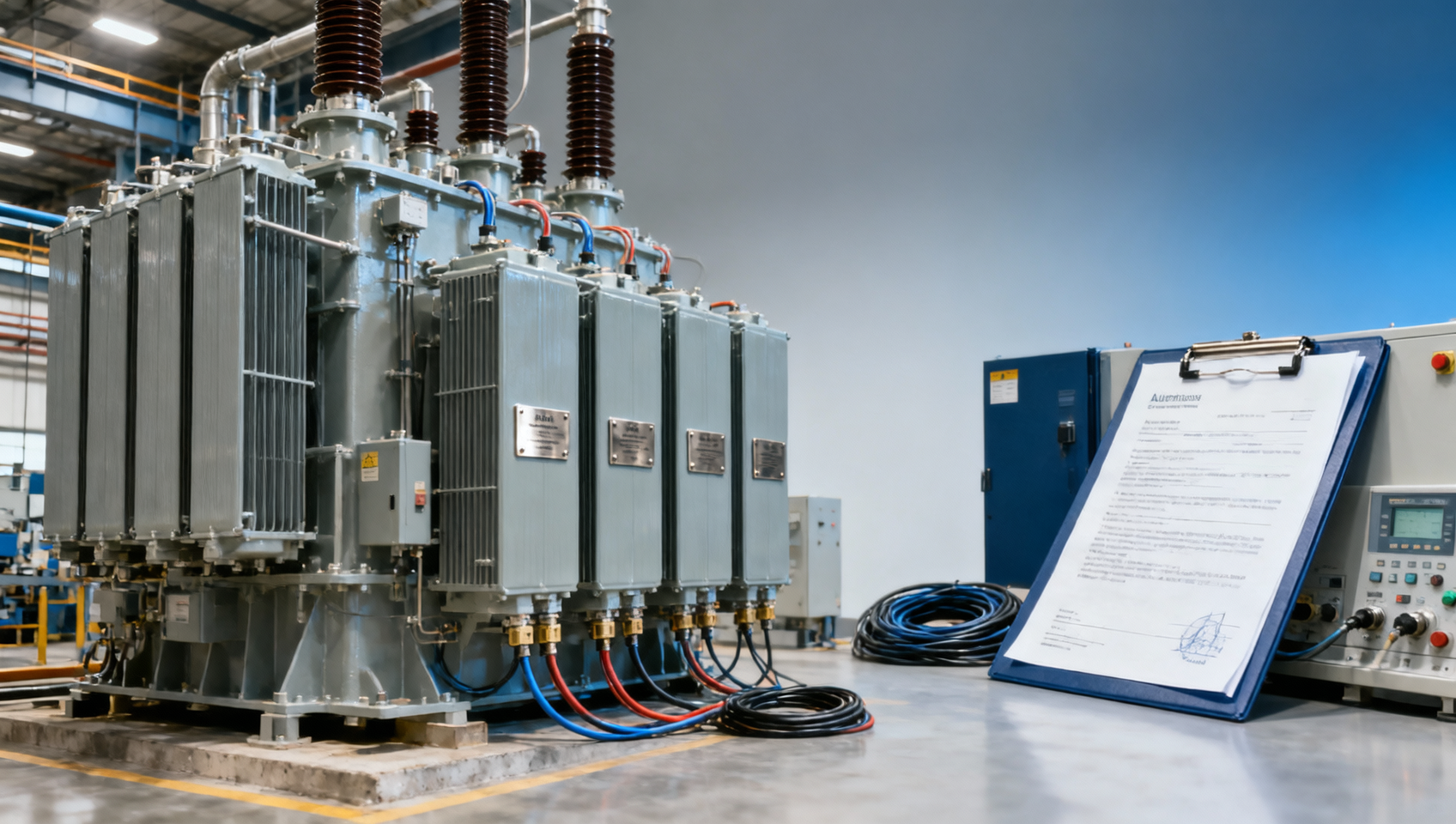
Testing capability matters as much as production capacity. For most distribution transformer procurement, buyers should confirm routine tests, and when relevant, clarify expectations for type tests or witness testing. The documentation package should include drawings, nameplate data, test reports, packing list, installation guidance, and spare parts recommendations. Missing documents can delay customs clearance, site installation, or final handover.
Lead time reliability is another major differentiator. Standard ratings may ship in 4–10 weeks depending on market conditions and factory loading, while customized voltages, special accessories, or large order volumes may require 10–16 weeks or more. A supplier that communicates bottlenecks early is usually safer than one that promises unrealistic delivery dates.
Supplier qualification checklist
- Confirm manufacturing scope matches the required voltage class, capacity range, and transformer type.
- Review sample test reports and documentation structure before placing a major order.
- Check drawing approval workflow, revision control, and response time, ideally within 24–72 hours for technical clarifications.
- Assess export packing, logistics coordination, and ability to support destination compliance documents.
- Clarify warranty terms, spare parts availability, and troubleshooting support after commissioning.
The matrix below helps procurement teams compare transformer suppliers using practical B2B criteria.
A supplier with a slightly higher initial price may still be the better sourcing choice if it reduces engineering rework, site delay, and post-installation failure risk. In industrial procurement, reliability of execution is often more valuable than a 3%–5% unit price saving.
Build a Specification and RFQ That Produces Comparable Quotes
Many transformer sourcing problems begin with weak RFQ structure. If three suppliers receive three slightly different specifications through emails, attachments, and verbal clarifications, the resulting offers will not be comparable. This leads to confusion during bid tabulation and increases the risk of selecting a non-equivalent product.
A strong RFQ package should include a datasheet, single-line diagram if available, installation details, required accessories, testing scope, documentation list, packing expectations, delivery terms, and commercial format. Even for routine distribution transformers wholesale procurement, consistency in the RFQ package can cut evaluation time by 20%–30% because commercial and technical teams work from the same basis.
Losses deserve special attention. Core loss and load loss influence lifecycle cost, especially where transformers operate near continuous duty. Two transformers with similar purchase prices may have very different energy loss profiles over 10 years. Buyers should ask suppliers to state guaranteed loss values and the basis of measurement rather than using generic efficiency claims.
Accessories should be specified item by item. Items such as off-circuit tap changer, temperature indicators, Buchholz relay, pressure relief device, wheels, marshalling box, enclosure, cable box, and terminal arrangement often cause quote variation. The more precise the accessory schedule, the cleaner the comparison.
Recommended RFQ structure
- Electrical data: kVA, primary and secondary voltage, vector group, impedance, cooling method, frequency, tap range.
- Mechanical and site data: installation location, ambient temperature, altitude, seismic or corrosion concerns, ingress protection requirements.
- Testing and documentation: routine tests, optional witness tests, report format, drawing approval, manuals, spare list.
- Commercial terms: quantity, split shipment need, packaging method, Incoterms, payment milestones, expected delivery week.
- Service expectations: commissioning support, warranty response, and field troubleshooting availability.
Common RFQ mistakes to avoid
One common mistake is requesting “best price” without fixing technical assumptions. Another is omitting site conditions such as 45°C ambient temperature, coastal corrosion, or limited indoor ventilation. A third is mixing target delivery date with requested ex-works date, which can distort logistics planning. Each of these gaps can create cost surprises after purchase order award.
A practical sourcing method is to issue a commercial bid sheet and technical compliance sheet together. Suppliers fill both, and deviations are highlighted line by line. This approach is especially useful for projects involving 3–10 units or multi-site rollout, where even small technical inconsistencies can multiply into significant operational issues.
Well-built RFQs do more than collect prices. They create a disciplined decision process, improve internal alignment, and give procurement leaders a defensible record when comparing vendors across quality, lead time, and lifecycle value.
Control Inspection, Delivery, Installation, and Lifecycle Risk
Sourcing does not end when the purchase order is placed. The highest project risk often appears during manufacturing follow-up, pre-shipment inspection, transportation, storage, installation, and commissioning. A transformer that is technically correct on paper can still underperform if it is mishandled or poorly integrated on site.
For medium-value or critical orders, buyers should define 4 control stages: document approval, factory inspection, shipping verification, and site acceptance. These checkpoints help detect issues such as accessory mismatch, incorrect nameplate data, inadequate packing, transit damage, or installation errors before the unit is energized.
Storage conditions matter more than many teams realize. If a transformer remains at site for 2–6 months before installation, packaging integrity, moisture protection, and storage environment become critical. Dry type transformers may require clean and dry storage, while oil immersed transformers require checks for sealing integrity, accessory condition, and oil leakage signs before commissioning.
Lifecycle planning should also be included in sourcing. Operators should know which spare parts to hold, how often inspections are recommended, and which performance indicators should be tracked. Even a simple maintenance plan can reduce avoidable outages and support better asset management over the service life.
Typical risk control sequence
- Approve drawings and compliance sheet before production starts.
- Verify routine tests and critical accessories before shipment.
- Inspect packing, labels, lifting points, and shipping documents at dispatch.
- Check condition on arrival and confirm storage suitability if installation is delayed.
- Review site termination, grounding, ventilation, and protection settings before energization.
The table below summarizes common sourcing and execution risks with practical mitigation actions.
Strong sourcing is therefore a cross-functional process. Engineering defines fit, procurement controls comparison, logistics protects delivery, and operations protects performance after energization. When these functions align, transformer procurement becomes more predictable and resilient.
Frequently Asked Questions About Distribution Transformer Sourcing
How do I choose the right kVA rating?
Start with measured or calculated peak demand, then review load diversity, motor starting, and expected expansion. Many buyers keep a planning margin of around 10%–25%, but the right margin depends on how stable the future load forecast is. If harmonic-rich loads or high ambient temperatures are present, a design review may be needed before finalizing the rating.
What is a realistic delivery time for distribution transformers?
For standard designs, lead time is often in the 4–10 week range. More customized units, larger quantities, or projects with special accessories may require 10–16 weeks or longer. Shipping time, destination customs, and site readiness should be added to factory lead time when building the actual project schedule.
Should I focus on the cheapest offer?
No. The lowest offer can become the most expensive if it includes higher losses, weak documentation, longer downtime risk, or unclear accessory scope. A better approach is to compare total installed value across technical compliance, loss performance, delivery confidence, warranty support, and expected maintenance burden.
What documents should I ask for before shipment?
At minimum, request approved drawings, nameplate details, routine test reports, packing list, manuals, and inspection release documents if applicable. For export orders, confirm that shipping marks and commercial paperwork match the project and destination requirements to avoid customs or receiving delays.
Sourcing distribution transformers successfully means combining technical clarity, disciplined supplier assessment, and practical execution control. Buyers who define the application well, compare oil immersed and cast resin dry type transformer options honestly, and standardize RFQ and inspection steps can reduce commercial risk while improving long-term reliability.
For EPC contractors, facility managers, procurement leaders, and industrial asset owners, the most effective sourcing strategy is one that treats transformers as critical infrastructure assets rather than simple line items. If you are planning a new purchase, upgrading a power distribution system, or reviewing distribution transformers wholesale supply options, now is the right time to align technical, commercial, and operational requirements.
Contact Global Industrial Core to discuss your transformer sourcing priorities, request a tailored evaluation framework, or explore broader electrical and power grid procurement solutions built for industrial reliability.
Technical Specifications
- Canton Fair Phase II 2026: Industrial Components Booking Rate Hits 98%Author :Heavy Industry Strategist
- TÜV Rheinland Updates EMC Guide for Industrial Optics EquipmentAuthor :Precision Metrology Expert
- Copper Price Surges 6.8%: Impact on Cables, Breakers & BOM CostsAuthor :Grid Infrastructure Analyst
Expert Insights

Chief Security Architect
Dr. Thorne specializes in the intersection of structural engineering and digital resilience. He has advised three G7 governments on industrial infrastructure security.
Related Analysis
- Apr 21, 2026Canton Fair Phase II 2026: Industrial Components Booking Rate Hits 98%Author :Heavy Industry Strategist
- Apr 21, 2026TÜV Rheinland Updates EMC Guide for Industrial Optics EquipmentAuthor :Precision Metrology Expert
- Apr 21, 2026Copper Price Surges 6.8%: Impact on Cables, Breakers & BOM CostsAuthor :Grid Infrastructure Analyst
Core Sector // 01
Security & Safety
- Shanghai Yangshan Port Launches Green Clearance for Industrial EquipmentAuthor :Grid Infrastructure Analyst
![]()
- How to Vet a Power Transformer ManufacturerAuthor :Grid Infrastructure Analyst

- How to Source Distribution TransformersAuthor :Grid Infrastructure Analyst

- Cast Resin Dry Type Transformer UsesAuthor :Grid Infrastructure Analyst

- Oil Immersed Transformer vs Dry TypeAuthor :Grid Infrastructure Analyst

- Current Transformers CT Buying ChecklistAuthor :Grid Infrastructure Analyst

- Potential Transformers PT Selection GuideAuthor :Grid Infrastructure Analyst

- How to Compare Medium Voltage SwitchgearAuthor :Grid Infrastructure Analyst