How to Vet a Power Transformer Manufacturer
Author
Date Published
Reading Time
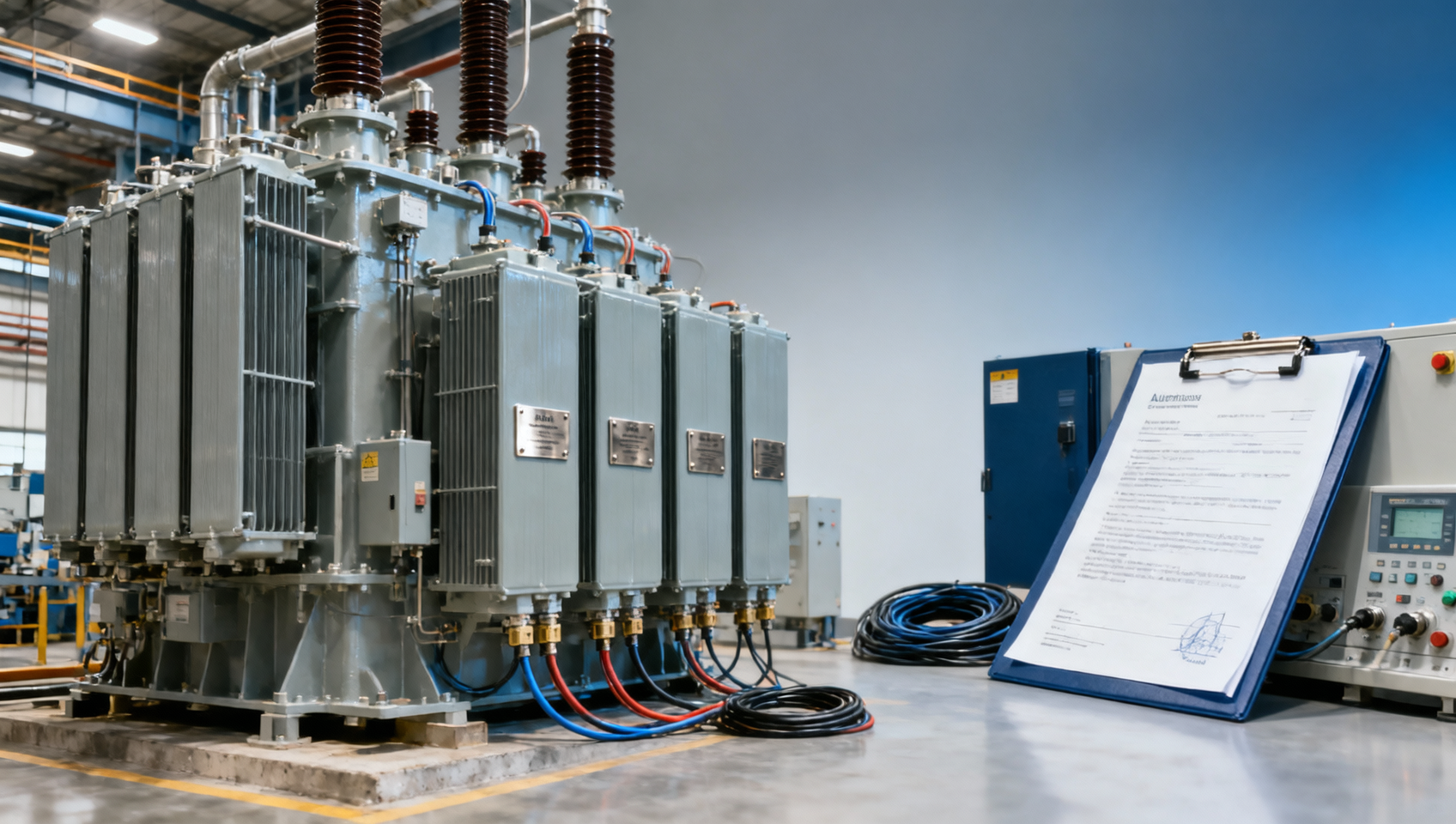
Choosing the right power transformer manufacturer goes far beyond price. For buyers comparing oil immersed transformer, cast resin dry type transformer, and distribution transformers wholesale options, proper vetting is critical to safety, compliance, lifecycle cost, and grid reliability. The fastest way to reduce risk is to evaluate a supplier on five fronts: technical fit, certification credibility, manufacturing quality, testing discipline, and long-term service capability. If a manufacturer cannot clearly document these areas, it is usually a warning sign—no matter how attractive the quote looks.
For procurement teams, engineers, operators, and business decision-makers, the real question is not simply “Who can make a transformer?” but “Who can deliver the right transformer, to the right standard, with reliable performance over its operating life?” This guide explains how to vet a power transformer manufacturer in a practical, decision-oriented way.
Start With the Risks: What Happens If You Choose the Wrong Manufacturer?
Power transformers sit at the center of industrial continuity. A poor supplier choice can lead to insulation failure, overheating, voltage instability, excessive losses, installation delays, failed inspections, and expensive downtime. In large industrial, utility, commercial, and EPC environments, these failures do not stay confined to one component—they can affect the whole power distribution system.
That is why experienced buyers do not evaluate manufacturers on unit price alone. They assess total lifecycle risk, including:
- Compliance failure during project approval or commissioning
- Lower-than-promised efficiency and higher operating losses
- Inconsistent material quality in core, windings, insulation, or tank fabrication
- Poor resistance to site conditions such as humidity, dust, altitude, or overload cycles
- Weak technical support for installation, testing, and warranty claims
- Long lead times for spare parts or replacement units
If the application is mission-critical, vetting should be treated as a technical and commercial risk-control process—not just a sourcing exercise.
What a Serious Power Transformer Manufacturer Should Be Able to Prove
A qualified manufacturer should be able to provide evidence, not just marketing claims. Whether you are sourcing an oil immersed transformer, a cast resin dry type transformer, or distribution transformers wholesale, the supplier should demonstrate capability in these core areas:
- Engineering capability: ability to design for load profile, voltage class, environmental conditions, and installation constraints
- Standards compliance: documented alignment with applicable IEC, ANSI, IEEE, CE, UL, ISO, or local grid requirements
- Manufacturing control: traceable processes for core cutting, winding, vacuum drying, insulation assembly, tank welding, resin casting, and final assembly
- Testing discipline: routine, type, and special tests with credible records
- Quality consistency: repeatable output across production batches, not just a strong sample unit
- Delivery and support: project coordination, logistics readiness, installation guidance, and after-sales responsiveness
If a manufacturer struggles to answer technical questions in detail or avoids documentation, buyers should investigate further before moving ahead.
How to Check Whether the Manufacturer Can Build for Your Actual Application
Many transformer sourcing problems begin with a mismatch between product catalog language and real operating conditions. A reputable manufacturer should ask detailed questions before finalizing a design or quotation. If they do not, that is a concern.
At minimum, they should review:
- Primary and secondary voltage requirements
- Rated capacity in kVA or MVA
- Frequency and system configuration
- Indoor or outdoor installation
- Ambient temperature range
- Altitude and ventilation conditions
- Expected load variation and overload behavior
- Harmonic content from VFDs, rectifiers, or non-linear loads
- Required impedance, losses, noise level, and efficiency targets
- Special protection or enclosure requirements
This is especially important when comparing transformer types:
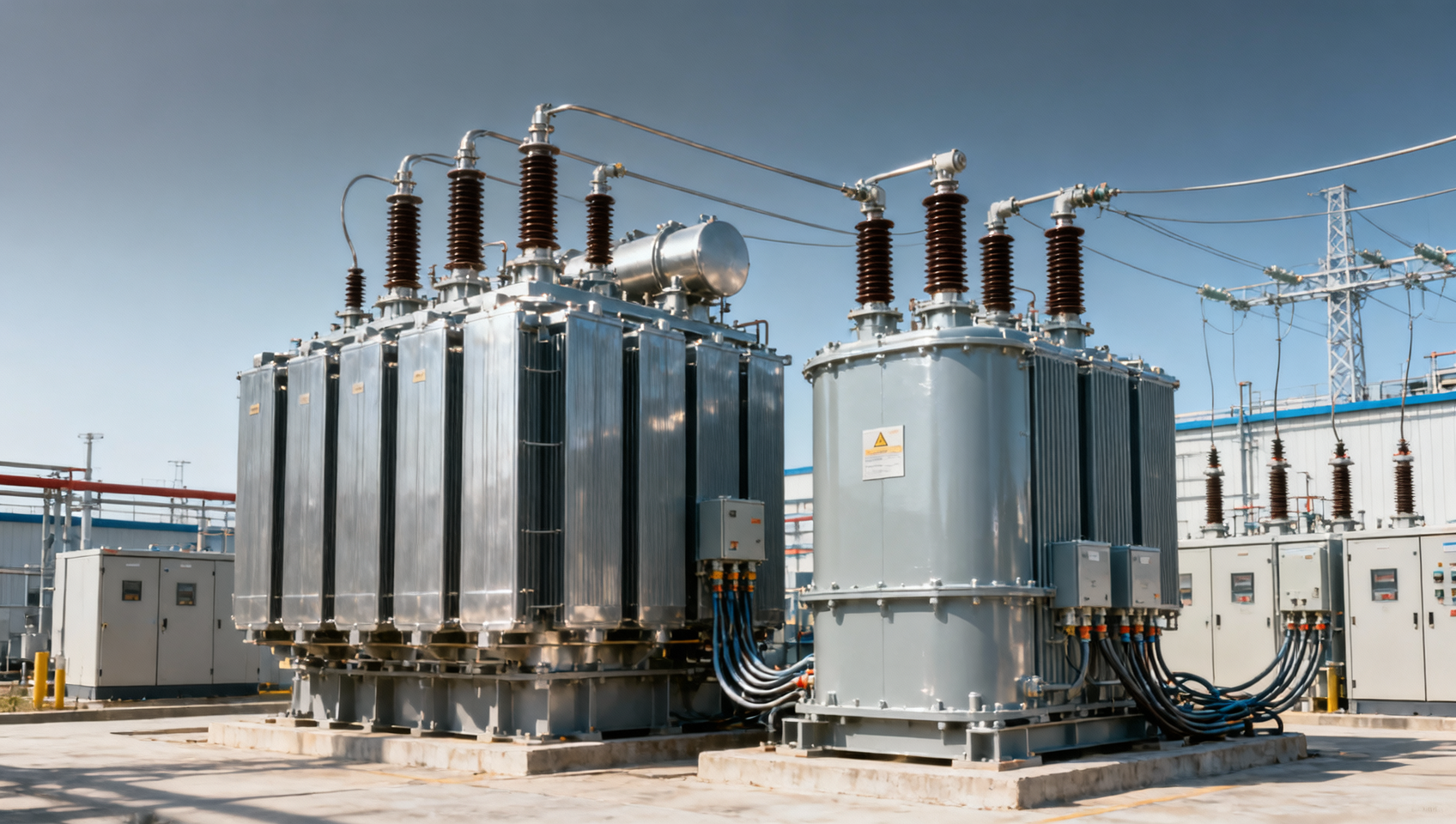
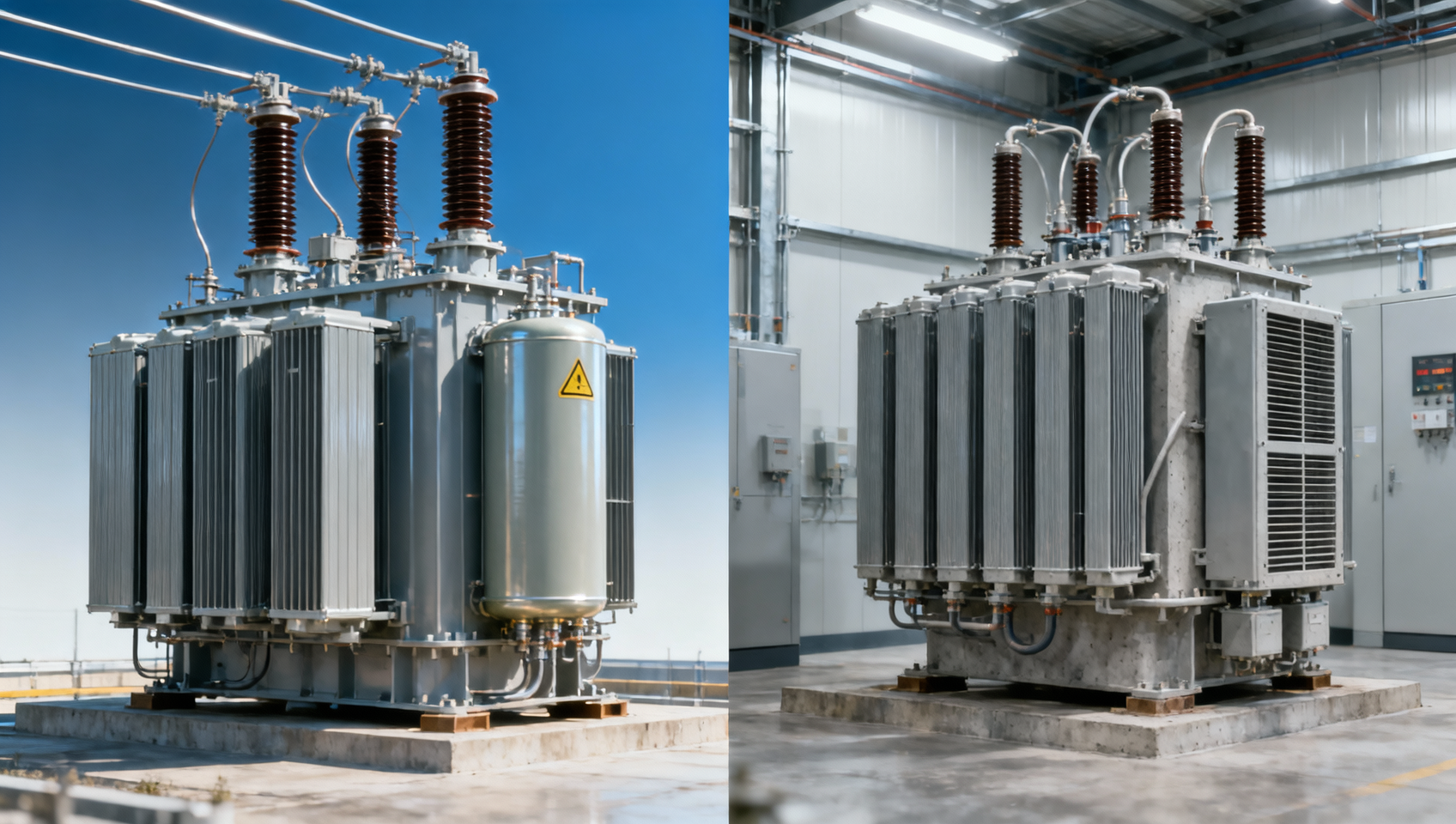
- Oil immersed transformer: often preferred for higher capacity, outdoor use, and strong thermal performance, but requires attention to fire safety, oil quality, sealing, and maintenance practices
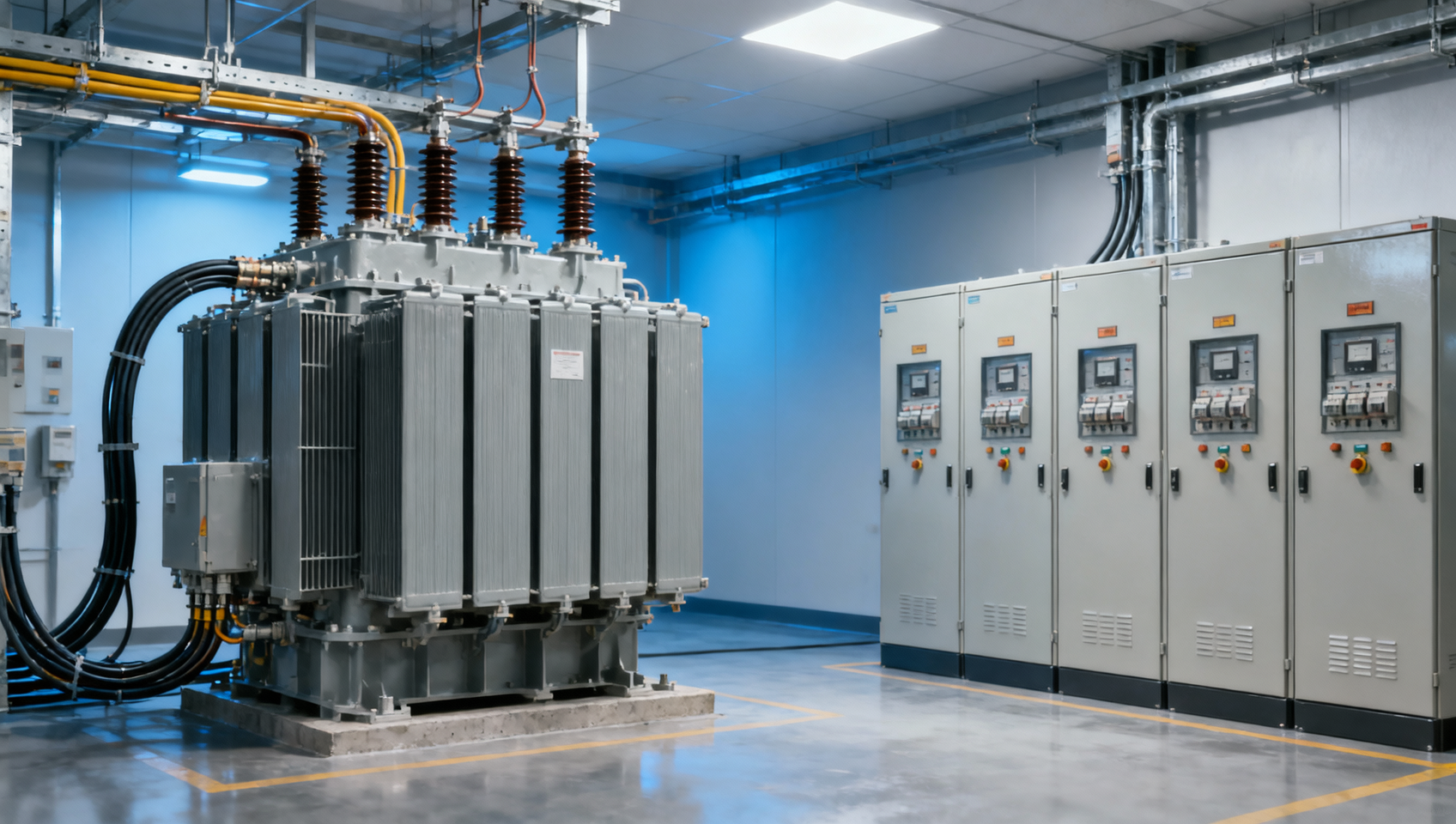
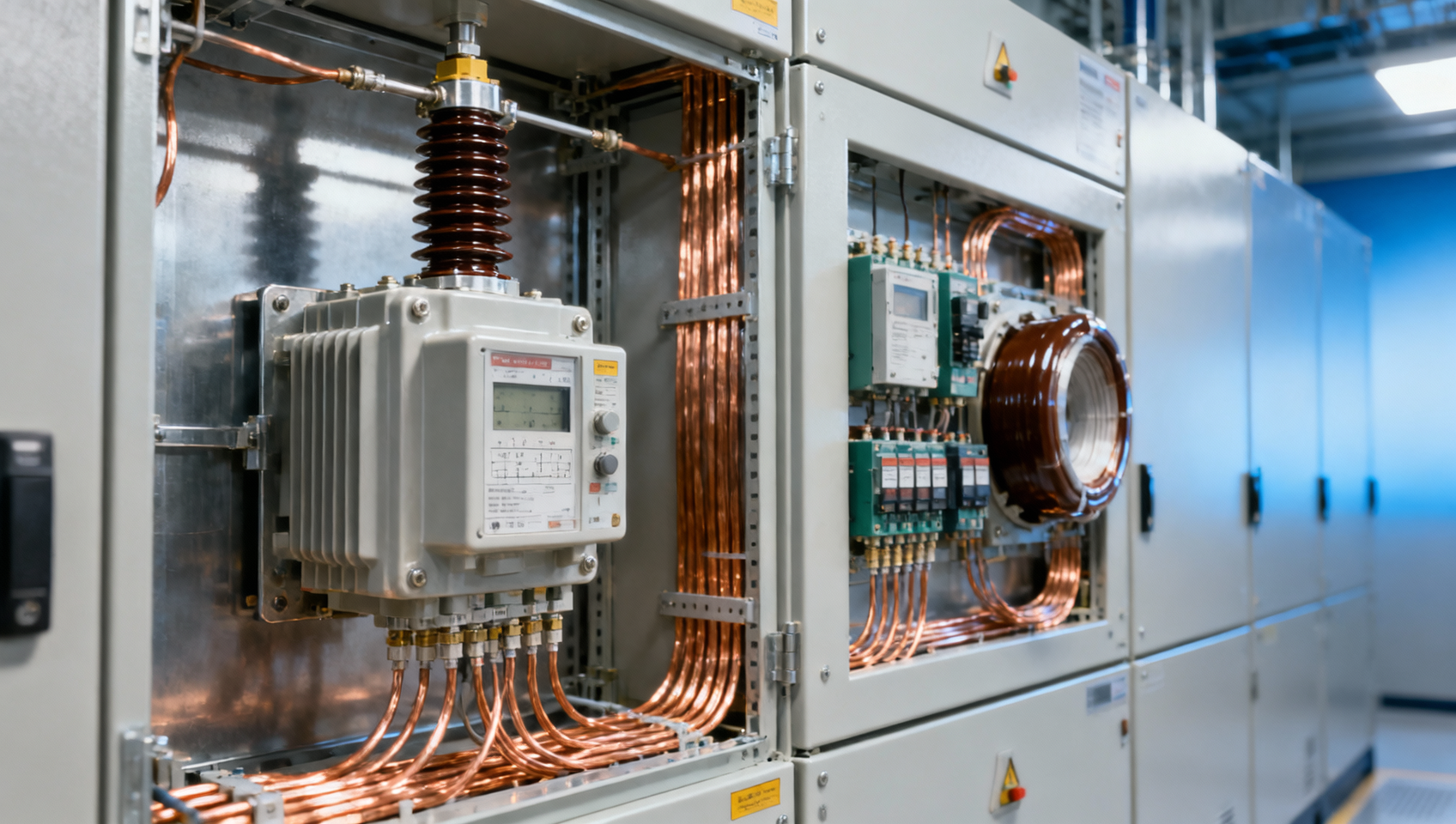
- Cast resin dry type transformer: often selected for indoor environments, fire-sensitive areas, commercial buildings, hospitals, tunnels, or data-related infrastructure; buyers should verify resin quality, thermal class, and partial discharge performance
- Distribution transformers wholesale: buyers managing fleet-scale procurement should focus on consistency, logistics, test repeatability, and documentation standardization across units
A good manufacturer does not force one standard product into every use case. They confirm fit first.
Which Certifications and Standards Actually Matter?
Certifications matter, but only when they are relevant, current, and verifiable. Procurement teams should not stop at seeing a logo on a brochure. They should request certificate numbers, issuing bodies, applicable model scope, and expiration dates.
Common areas to review include:
- ISO 9001: quality management system
- ISO 14001: environmental management, where relevant
- ISO 45001: occupational health and safety management
- CE marking: where applicable for target markets
- UL or other market-specific approvals: depending on destination and application
- IEC / IEEE / ANSI compliance: technical design and testing basis
For power transformers, the most important question is not “Do you have certificates?” but “Do your products meet the exact standards required for this project and this market?” A manufacturer may be compliant in one region or product range and still be unsuitable for another.
Ask for:
- Type test reports from recognized laboratories
- Routine factory test procedures
- Material compliance declarations
- Quality manuals or inspection process summaries
- References for similar voltage class and application
Authentic suppliers are usually transparent here. Weak suppliers tend to provide incomplete, outdated, or overly generic documents.
How to Evaluate Manufacturing Quality Beyond the Sales Presentation
Factory capability is one of the clearest differentiators between a dependable manufacturer and a trading-led supplier with limited production control. If possible, conduct a factory audit—either on-site or through a qualified third-party inspection partner.
Key areas to inspect include:
- Core processing: steel grade, cutting precision, stacking process, burr control
- Winding process: conductor quality, winding tension control, insulation placement, joint quality
- Drying and impregnation: vacuum drying systems, moisture control, resin process control for dry type units
- Tank and enclosure fabrication: weld quality, anti-corrosion treatment, sealing integrity, coating quality
- Cleanliness and organization: disciplined production environments often correlate with better quality consistency
- Traceability: serial tracking for core materials, copper or aluminum conductors, insulation systems, and test records
For cast resin dry type transformer production, pay particular attention to resin mixing, curing consistency, crack prevention, and partial discharge control. For oil immersed transformer manufacturing, inspect oil handling procedures, sealing systems, radiator quality, leak prevention, and moisture management.
A polished catalog cannot replace visible process control.
What Factory Testing Should You Expect Before Shipment?
Testing is where manufacturers prove performance. A serious supplier should have a defined final inspection and test sequence for every transformer shipped. Buyers should request sample reports and confirm whether testing is done in-house, witnessed, or independently verified.
Typical review points include:
- Turns ratio test
- Winding resistance measurement
- Insulation resistance testing
- No-load loss and current measurement
- Load loss and impedance voltage measurement
- Applied voltage and induced voltage tests
- Temperature rise test, where required
- Partial discharge test, especially relevant for dry type transformers
- Leak test and pressure-related checks for oil immersed units
Do not just ask whether the transformer is tested. Ask:
- Which tests are routine, type, and optional?
- Are test methods aligned with IEC or IEEE requirements?
- Can we witness FAT (Factory Acceptance Testing)?
- Will serial-number-specific reports be included in the handover package?
Reliable documentation is essential for commissioning, insurance, compliance audits, and future maintenance planning.
How to Vet Commercial Reliability, Delivery Capability, and After-Sales Support
Even technically capable manufacturers can become risky suppliers if they are weak in execution. Procurement teams should evaluate whether the company can manage schedules, exports, packaging, documentation, and post-delivery support at the level the project requires.
Review these practical questions:
- What is the real production lead time under current factory load?
- How do they handle urgent orders or schedule changes?
- What export markets do they already serve?
- Can they provide packing standards suitable for long-distance or harsh-climate shipping?
- What warranty terms are included, and what is excluded?
- How quickly do they respond to technical claims or field failures?
- Do they provide installation manuals, commissioning support, or remote technical assistance?
- Are spare parts and replacement components available over the long term?
For enterprise buyers and EPC contractors, this matters because a transformer is not only a product purchase—it is part of project delivery risk. A low-cost supplier that misses deadlines or disappears after shipment can create far more cost than it saves.
Questions Procurement Teams Should Ask Before Approving a Supplier
To make vendor comparison more objective, use a structured qualification checklist. Here are practical questions worth asking during RFQ and supplier review:
- What percentage of your business comes from transformer manufacturing versus trading?
- Can you share references for projects with similar capacity, voltage, and environment?
- Which international standards do this exact model range comply with?
- Can you provide recent routine and type test reports?
- What are your standard raw material brands or grades for core steel, conductors, insulation, and resin?
- How do you control quality deviations during production?
- What is your rejection or rework rate?
- Can we audit your factory or appoint a third-party inspector?
- What documentation will be delivered with the unit?
- How do you support installation, commissioning, and warranty claims internationally?
These questions quickly reveal whether the manufacturer is process-driven, technically mature, and ready for serious industrial work.
Warning Signs That a Transformer Supplier May Not Be Reliable
Some red flags appear early if buyers know what to look for. Be cautious if a supplier:
- Provides vague answers to technical questions
- Cannot explain differences between application scenarios
- Offers unusually low prices without clear specification alignment
- Shares certificates that do not match the quoted product
- Refuses factory audits or delays test-report disclosure
- Shows inconsistent lead times across departments
- Has no meaningful export or project reference history
- Pushes immediate payment without technical closure
- Lacks a clear service process after delivery
Not every low-price quote is risky, but every low-price quote should be investigated carefully. In transformer procurement, hidden quality problems often appear only after energization or sustained loading—when correction becomes far more expensive.
A Practical Vetting Framework for Shortlisting Manufacturers
For many organizations, the most effective approach is to score suppliers across weighted criteria instead of relying on impression-based decisions. A simple framework may include:
- Technical suitability: 30%
- Compliance and testing credibility: 20%
- Manufacturing quality and audit results: 20%
- Commercial execution and lead time: 15%
- After-sales support and warranty strength: 10%
- Price: 5% to 15%, depending on project sensitivity
This kind of model helps procurement leaders defend decisions internally, especially when stakeholders from engineering, operations, finance, and management have different priorities.
For critical infrastructure, the best manufacturer is rarely the one with the cheapest initial quote. It is the one that offers the lowest realistic risk-adjusted lifecycle cost.
Final Takeaway
If you want to know how to vet a power transformer manufacturer, focus on proof over promises. The right supplier should be able to demonstrate technical fit, credible certifications, controlled manufacturing, documented testing, dependable delivery, and responsive long-term support.
For buyers evaluating oil immersed transformer suppliers, cast resin dry type transformer producers, or distribution transformers wholesale partners, the key is to treat supplier selection as both an engineering decision and a business risk decision. Price matters—but reliability, compliance, and service matter more when the transformer will support critical operations for years.
A strong manufacturer makes your project safer, smoother, and more predictable. A weak one can turn a simple purchase into a long-term operational liability.
Technical Specifications
- Canton Fair Phase II 2026: Industrial Components Booking Rate Hits 98%Author :Heavy Industry Strategist
- TÜV Rheinland Updates EMC Guide for Industrial Optics EquipmentAuthor :Precision Metrology Expert
- Copper Price Surges 6.8%: Impact on Cables, Breakers & BOM CostsAuthor :Grid Infrastructure Analyst
Expert Insights

Chief Security Architect
Dr. Thorne specializes in the intersection of structural engineering and digital resilience. He has advised three G7 governments on industrial infrastructure security.
Related Analysis
- Apr 21, 2026Canton Fair Phase II 2026: Industrial Components Booking Rate Hits 98%Author :Heavy Industry Strategist
- Apr 21, 2026TÜV Rheinland Updates EMC Guide for Industrial Optics EquipmentAuthor :Precision Metrology Expert
- Apr 21, 2026Copper Price Surges 6.8%: Impact on Cables, Breakers & BOM CostsAuthor :Grid Infrastructure Analyst
Core Sector // 01
Security & Safety
- Shanghai Yangshan Port Launches Green Clearance for Industrial EquipmentAuthor :Grid Infrastructure Analyst
![]()
- How to Vet a Power Transformer ManufacturerAuthor :Grid Infrastructure Analyst

- How to Source Distribution TransformersAuthor :Grid Infrastructure Analyst

- Cast Resin Dry Type Transformer UsesAuthor :Grid Infrastructure Analyst

- Oil Immersed Transformer vs Dry TypeAuthor :Grid Infrastructure Analyst

- Current Transformers CT Buying ChecklistAuthor :Grid Infrastructure Analyst

- Potential Transformers PT Selection GuideAuthor :Grid Infrastructure Analyst

- How to Compare Medium Voltage SwitchgearAuthor :Grid Infrastructure Analyst