Shanghai Yangshan Port Launches Green Clearance for Industrial Equipment
Author
Date Published
Reading Time

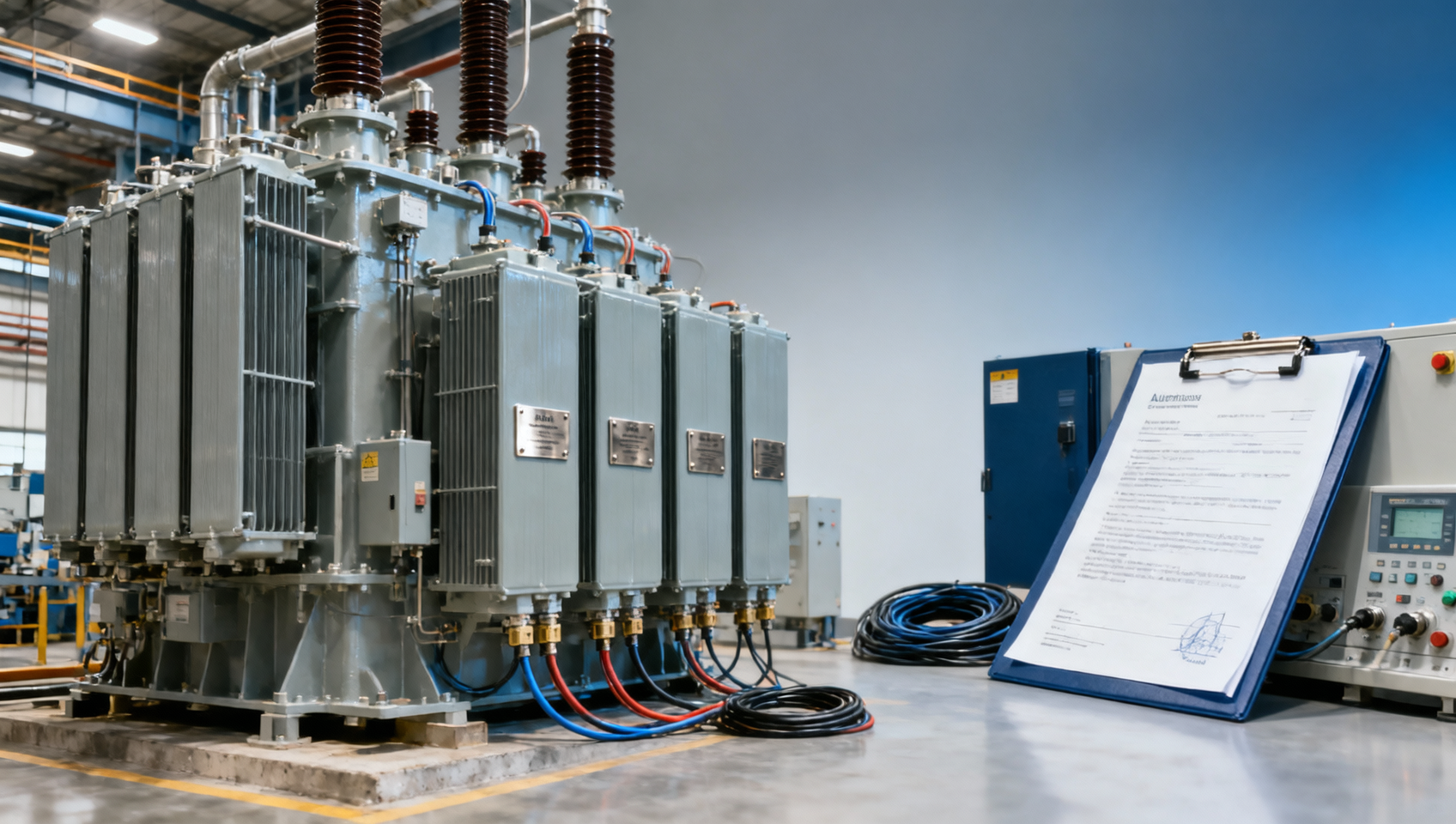
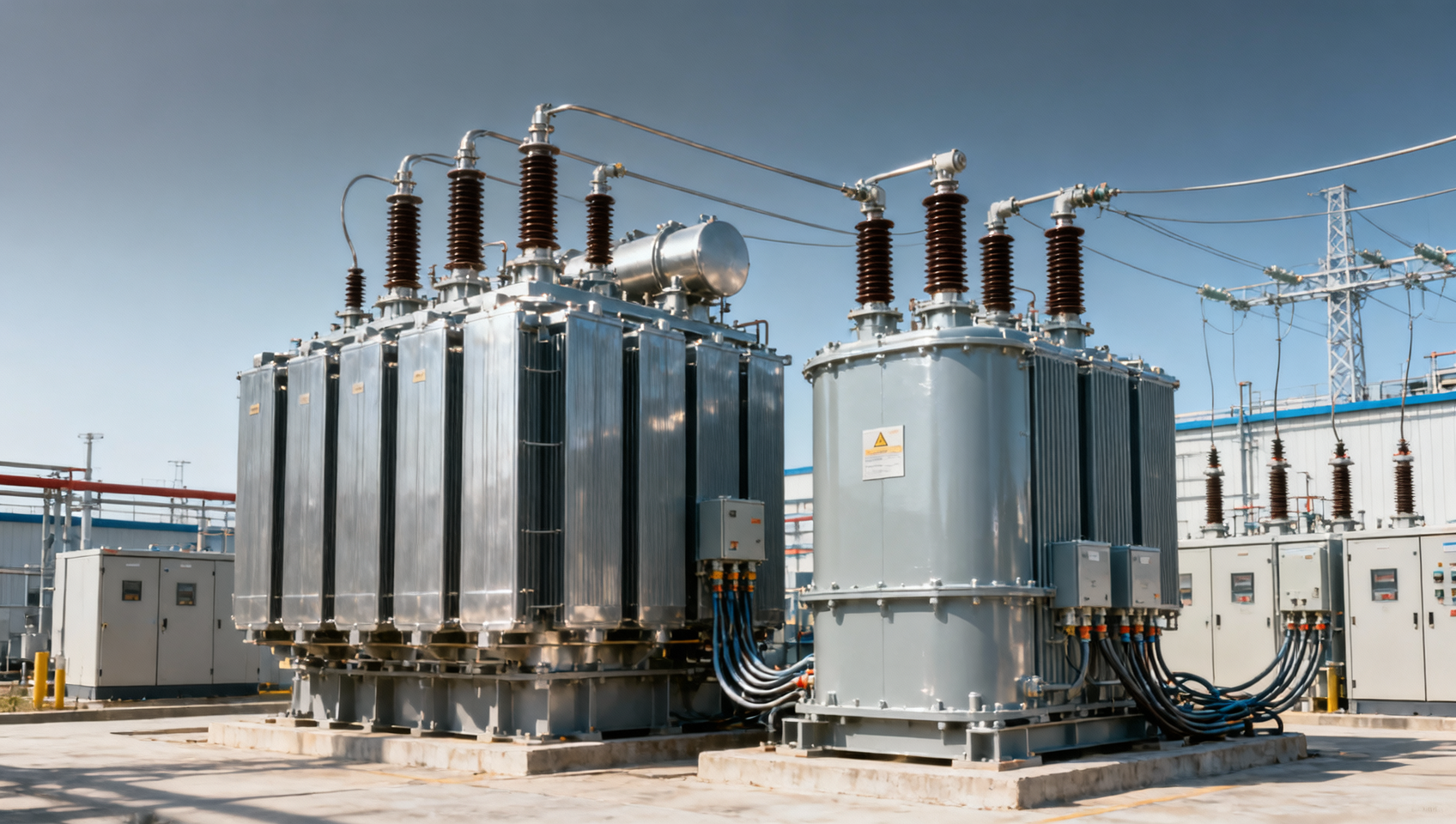
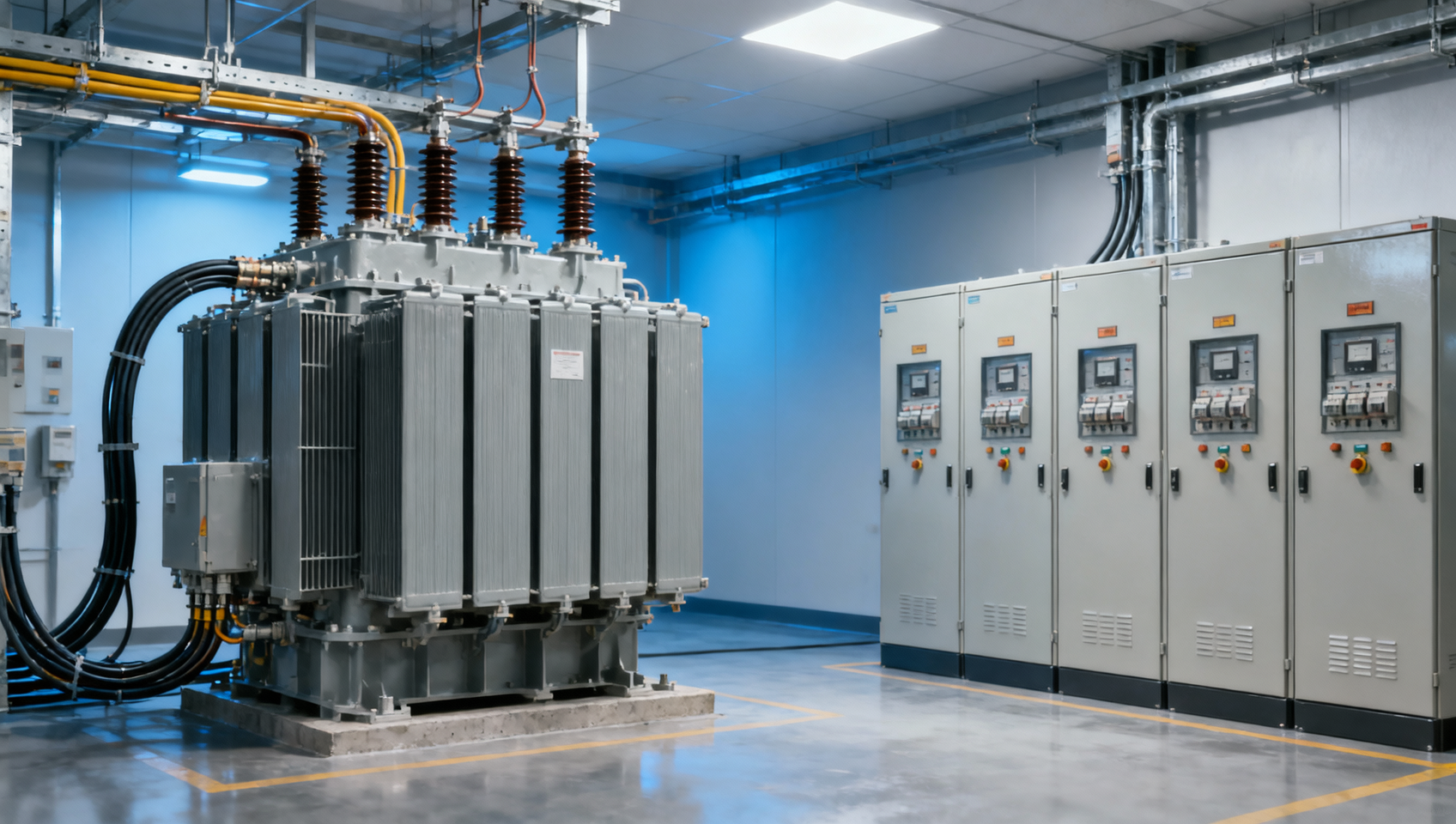
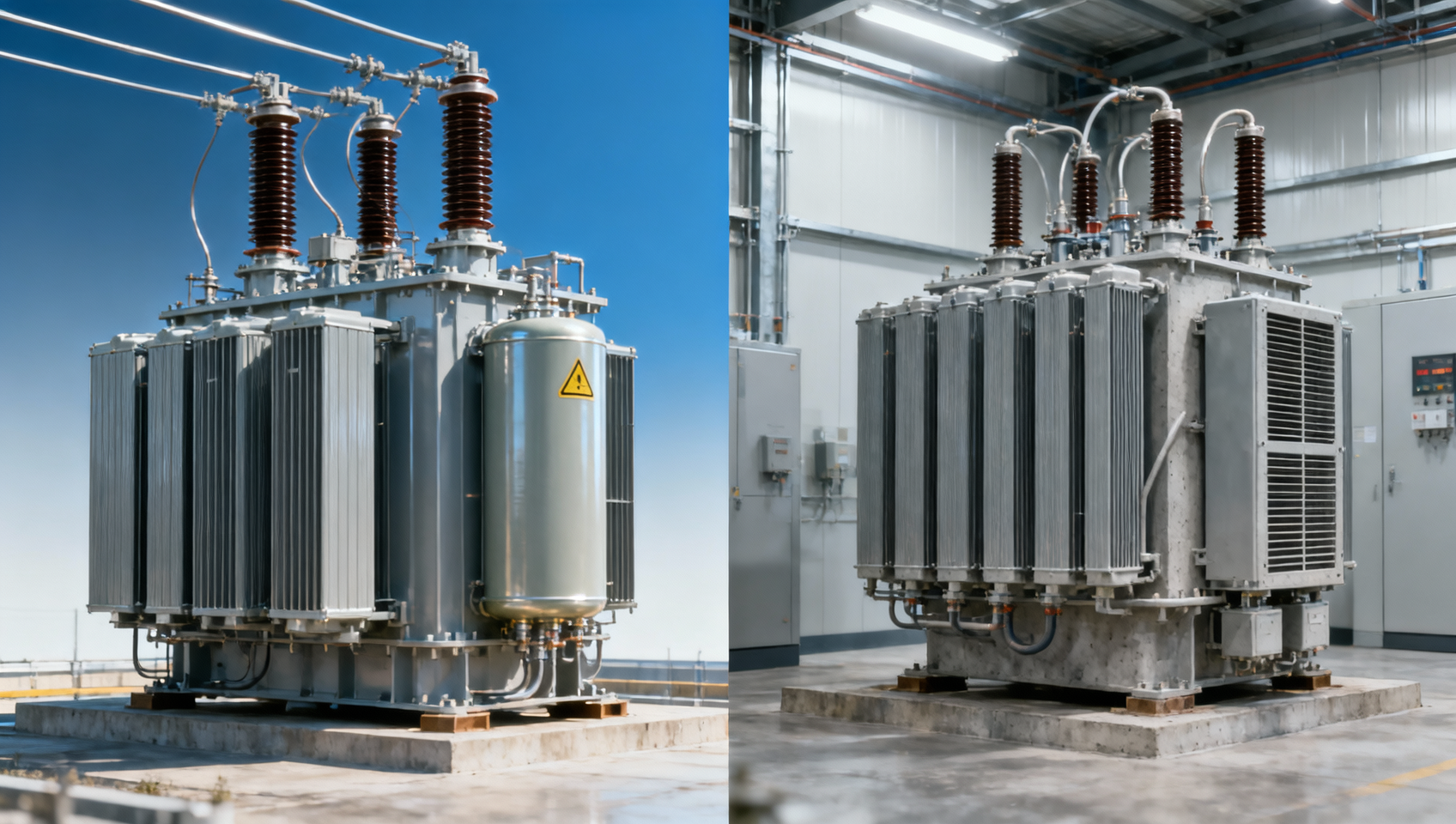
Starting April 20, 2026, Shanghai Yangshan Port will pilot a ‘Green Clearance Channel’ for high-value industrial equipment—including industrial water treatment units and power transformers & switchgears—aimed at improving delivery certainty to customers in Europe, the Middle East, and Latin America. This initiative directly impacts manufacturers, exporters, and logistics providers engaged in cross-border trade of certified industrial capital goods.
Event Overview
Shanghai Customs and the Lingang New Area Management Committee jointly launched the ‘Green Clearance Channel’ for industrial equipment on April 20, 2026. Eligible goods include Industrial Water Treatment systems, Transformers & Switchgears. The channel applies a streamlined clearance model: ‘advance declaration + off-site inspection + immediate release’. To qualify, enterprises must hold both ISO 14001 (Environmental Management) and IEC 61000-6-4 (EMC immunity) certifications. Under this arrangement, customs inspection turnaround time for covered equipment is compressed to within 24 hours.
Industries Affected
Direct Exporters of Industrial Equipment
Exporters shipping transformers or water treatment units from Yangshan Port will experience faster customs release—provided their products and internal systems meet dual certification requirements. Impact centers on reduced port dwell time, lower demurrage exposure, and improved order fulfillment predictability for overseas buyers—especially where contractual delivery windows are tight (e.g., EPC project timelines).
Manufacturers of Certified Capital Goods
Producers of transformers and water treatment systems must verify whether their current ISO 14001 and IEC 61000-6-4 certifications remain valid and scope-appropriate for export batches. Certification gaps may delay eligibility—even if product specifications align. Impact includes potential re-certification lead time and documentation alignment with customs filing requirements.
Supply Chain & Logistics Service Providers
Fulfillment partners handling Yangshan-bound shipments of covered equipment must adjust operational workflows to support advance declaration and remote inspection protocols. Impact manifests in revised documentation handoffs, tighter coordination windows between factory, freight forwarder, and customs broker, and possible need for updated compliance training for frontline staff.
What Enterprises Should Monitor and Do Now
Confirm certification validity and coverage scope
Enterprises should verify that their existing ISO 14001 and IEC 61000-6-4 certificates explicitly cover the specific transformer or water treatment unit models being exported—and that certificates remain unexpired. Scope mismatches (e.g., certification covering only design phase, not production) disqualify eligibility.
Align internal declaration timing with ‘advance’ requirement
The ‘advance declaration’ component requires submission of complete customs data before vessel arrival. Companies should assess current ERP or customs management system capabilities to support pre-arrival filing—particularly for consolidated shipments or multi-batch orders.
Prepare for remote verification readiness
‘Off-site inspection’ implies customs may request real-time access to production records, test reports, or facility photos. Firms should ensure traceability documentation (e.g., material certifications, EMC test logs) is digitally organized, timestamped, and readily retrievable—not just archived.
Track official rollout details beyond the pilot launch date
The initiative begins April 20, 2026, but full eligibility criteria, application procedures, and list of accepted certification bodies have not yet been published. Enterprises should monitor announcements from Shanghai Customs and Lingang New Area authorities—not rely solely on initial press summaries.
Editorial Observation / Industry Perspective
From an industry perspective, this pilot is best understood as a targeted process optimization—not a broad regulatory relaxation. It reflects growing emphasis on environmental and electromagnetic compatibility compliance as de facto trade enablers for industrial exports. Analysis来看, the linkage between dual certification and expedited clearance signals a shift toward using technical standards as both quality gateways and efficiency levers. Observation来看, early adoption will likely be limited to firms already operating under stringent EU or GCC market entry requirements—making the channel less about new capability and more about formal recognition of existing rigor. Current more appropriate interpretation is that it serves as a signal of institutional alignment between environmental policy and trade facilitation—not yet a scalable framework across all ports or equipment categories.
It remains to be seen whether the 24-hour inspection target holds under volume pressure or expands to include additional equipment types (e.g., HVAC chillers, CNC machine tools). For now, the initiative functions primarily as a validation mechanism for exporters who have already invested in internationally recognized conformity infrastructure.
Concluding, this measure enhances operational predictability—not market access—for a narrow set of high-compliance industrial exporters. Its significance lies not in opening new markets, but in reducing friction for those already meeting demanding technical thresholds. Currently, it is more accurately interpreted as a procedural upgrade for qualified participants, rather than a structural change in China’s industrial export regime.
Source: Official announcement jointly issued by Shanghai Customs and Lingang New Area Management Committee (April 2026). Note: Specific implementation guidelines—including application portal, certificate verification workflow, and list of designated testing labs—remain pending public release and require ongoing monitoring.
Technical Specifications
- Canton Fair Phase II 2026: Industrial Components Booking Rate Hits 98%Author :Heavy Industry Strategist
- TÜV Rheinland Updates EMC Guide for Industrial Optics EquipmentAuthor :Precision Metrology Expert
- Copper Price Surges 6.8%: Impact on Cables, Breakers & BOM CostsAuthor :Grid Infrastructure Analyst
Expert Insights

Chief Security Architect
Dr. Thorne specializes in the intersection of structural engineering and digital resilience. He has advised three G7 governments on industrial infrastructure security.
Related Analysis
- Apr 21, 2026Canton Fair Phase II 2026: Industrial Components Booking Rate Hits 98%Author :Heavy Industry Strategist
- Apr 21, 2026TÜV Rheinland Updates EMC Guide for Industrial Optics EquipmentAuthor :Precision Metrology Expert
- Apr 21, 2026Copper Price Surges 6.8%: Impact on Cables, Breakers & BOM CostsAuthor :Grid Infrastructure Analyst
Core Sector // 01
Security & Safety
- Shanghai Yangshan Port Launches Green Clearance for Industrial EquipmentAuthor :Grid Infrastructure Analyst
![]()
- How to Vet a Power Transformer ManufacturerAuthor :Grid Infrastructure Analyst

- How to Source Distribution TransformersAuthor :Grid Infrastructure Analyst

- Cast Resin Dry Type Transformer UsesAuthor :Grid Infrastructure Analyst

- Oil Immersed Transformer vs Dry TypeAuthor :Grid Infrastructure Analyst

- Current Transformers CT Buying ChecklistAuthor :Grid Infrastructure Analyst

- Potential Transformers PT Selection GuideAuthor :Grid Infrastructure Analyst

- How to Compare Medium Voltage SwitchgearAuthor :Grid Infrastructure Analyst