Copper Price Surges 6.8%: Impact on Cables, Breakers & BOM Costs
Author
Date Published
Reading Time

On April 20, 2026, LME copper futures jumped 6.8% to $9,840/ton amid heightened geopolitical risk from the U.S.–Iran conflict and labor action at Chilean mines. This sharp move directly affects manufacturers and exporters of industrial cables, wiring systems, circuit breakers, and relays—sectors where copper accounts for over 65% of bill-of-materials (BOM) cost. The price surge signals near-term margin pressure and pricing recalibration across global supply chains.
Event Overview
On April 20, 2026, London Metal Exchange (LME) copper futures closed at $9,840 per metric ton, up 6.8% from the previous trading day. This movement followed two concurrent developments: escalating geopolitical tensions between the U.S. and Iran, which increased investor demand for industrial metals as a hedge; and reported strike activity at major copper mines in Chile—a key global supplier. No further official updates on mine output or policy interventions were confirmed as of the close.
Industries Affected by Segment
Manufacturers of Industrial Cables & Wiring Systems
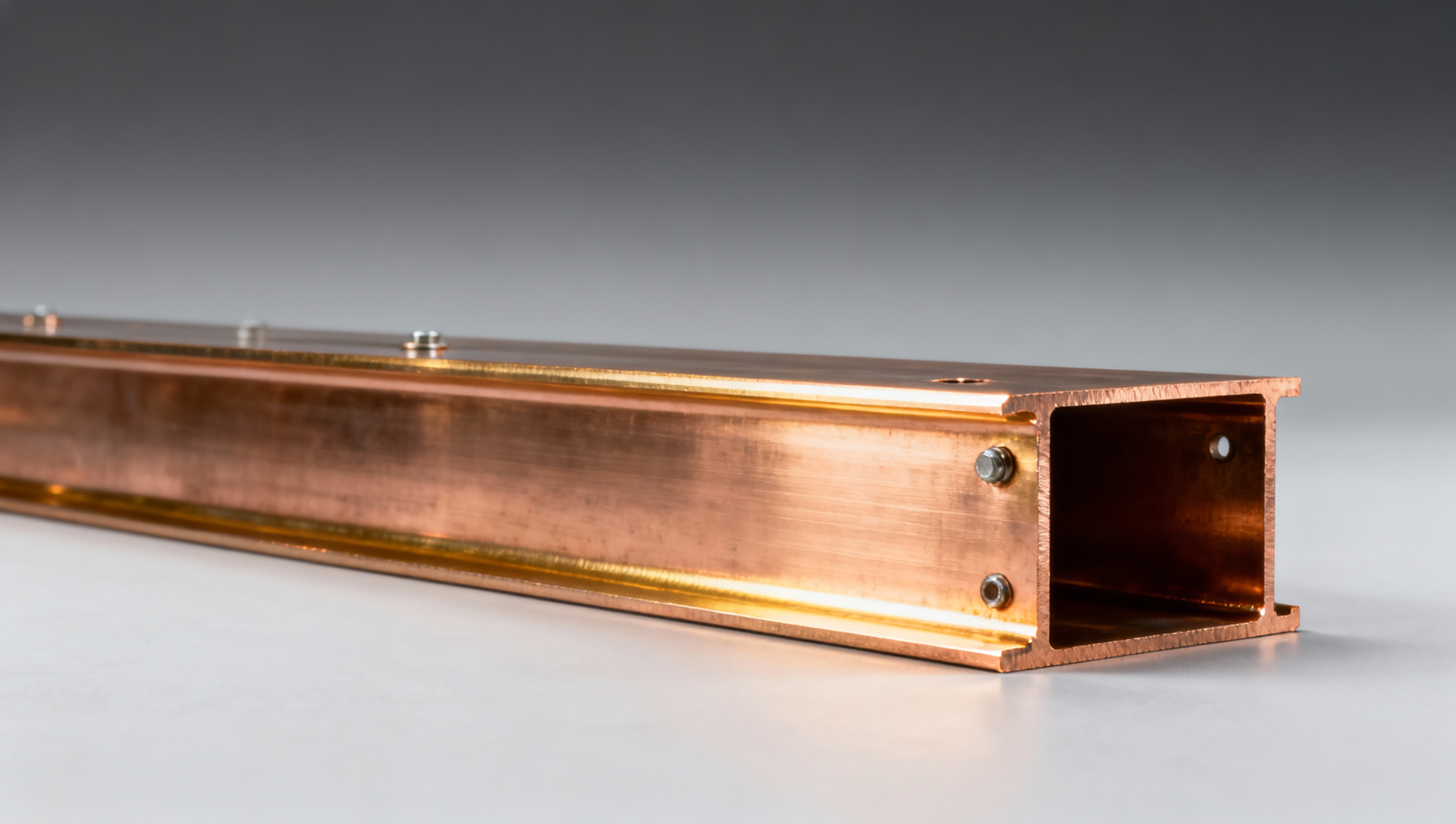
Copper constitutes over 65% of raw material cost for insulated cables, busbars, and wiring harnesses used in power distribution and infrastructure projects. A 6.8% copper price increase translates directly into higher production costs—especially for standard-grade, high-copper-content products. Margins will be compressed unless pricing adjustments are implemented promptly.
Manufacturers of Circuit Breakers & Protective Relays
Copper is critical in conductor paths, contact materials, and coil windings within low- and medium-voltage breakers and relays. Given its structural and functional role—and high material weight share—this segment faces immediate BOM cost inflation. Product families with higher copper density (e.g., molded-case circuit breakers, air-circuit breakers) are more exposed than solid-state or hybrid alternatives.
Export-Oriented OEMs & Contract Manufacturers (China-based)
Chinese producers supplying cables and breakers to international markets—including EU, Southeast Asia, and Middle East—are likely to face order renegotiation pressure. Per the event summary, price increases of 3–5% are expected to roll out within 4–6 weeks. Already-signed export contracts—particularly those with fixed-price terms and no indexation clauses—may require bilateral re-discussion of cost-sharing mechanisms.
Procurement & Supply Chain Teams (Global)
Buyers sourcing copper-intensive components face tighter vendor lead times and reduced flexibility on volume commitments. Spot procurement costs have risen abruptly, while forward cover availability may decline if hedging activity intensifies among metal traders. Inventory carrying costs also rise, especially for safety-stock positions held in finished goods or semi-finished copper stock.
What Relevant Enterprises or Practitioners Should Monitor and Do
Track official updates on Chilean mining operations and U.S.–Iran diplomatic developments
Analysis来看, this price jump reflects short-term sentiment rather than structural supply deficit. Continued escalation—or de-escalation—in either driver could materially alter the duration and magnitude of copper price pressure. Monitoring government statements, union announcements, and trade ministry advisories remains essential.
Review contract language for existing orders, especially price adjustment and force majeure clauses
From industry perspective, contracts signed prior to April 20, 2026 without copper-indexed pricing or cost-pass-through provisions are now at risk of margin erosion. Legal and commercial teams should prioritize audit of open orders with delivery windows falling between May and July 2026.
Assess inventory exposure and evaluate near-term copper purchasing strategy
Current more suitable approach is to avoid speculative bulk buying, but selectively secure limited forward cover for high-priority production runs—especially where copper content exceeds 70% and lead times exceed eight weeks. Avoid holding large volumes of raw copper or unprocessed rod unless backed by firm downstream commitments.
Prepare customer-facing communication on upcoming price adjustments
Observation shows that transparency on cost drivers—citing LME data, geographic origin of raw material, and typical BOM copper share—helps maintain buyer trust during repricing cycles. Drafting standardized messaging templates for sales teams, aligned with April–June 2026 implementation timelines, supports consistent market positioning.
Editorial Perspective / Industry Observation
This copper price move is best understood as a near-term signal—not yet a sustained trend. Analysis来看, it reflects reactive market behavior to exogenous shocks rather than underlying supply-demand imbalance. However, given copper’s central role in electrification infrastructure, any repeated volatility in the $9,500–$10,000/ton range warrants attention from procurement, product engineering, and strategic sourcing functions. It highlights growing sensitivity of electrical equipment BOMs to commodity markets—and underscores why material substitution studies and design-for-cost initiatives remain relevant longer-term priorities.
Consequently, this event is less about immediate crisis response and more about reinforcing operational discipline around input cost monitoring, contract structuring, and cross-functional alignment between finance, procurement, and sales.
Conclusion
The April 20, 2026 copper price surge is a material cost signal—not a systemic disruption—for cable and breaker manufacturers. Its primary impact lies in near-term margin compression and the need for disciplined pricing execution across export channels. It does not indicate a fundamental shift in copper supply or long-term price trajectory, but it does reinforce the importance of proactive BOM cost governance in capital-intensive electrical equipment sectors.
Information Sources
Main source: Publicly reported LME settlement data and event timeline (April 20, 2026); referenced supply-chain impact details are drawn exclusively from the provided event summary. Ongoing developments regarding Chilean mine operations and U.S.–Iran diplomatic status remain subject to official confirmation and are noted as areas requiring continued observation.
Technical Specifications
- Canton Fair Phase II 2026: Industrial Components Booking Rate Hits 98%Author :Heavy Industry Strategist
- TÜV Rheinland Updates EMC Guide for Industrial Optics EquipmentAuthor :Precision Metrology Expert
- Copper Price Surges 6.8%: Impact on Cables, Breakers & BOM CostsAuthor :Grid Infrastructure Analyst
Expert Insights

Chief Security Architect
Dr. Thorne specializes in the intersection of structural engineering and digital resilience. He has advised three G7 governments on industrial infrastructure security.
Related Analysis
- Apr 21, 2026Canton Fair Phase II 2026: Industrial Components Booking Rate Hits 98%Author :Heavy Industry Strategist
- Apr 21, 2026TÜV Rheinland Updates EMC Guide for Industrial Optics EquipmentAuthor :Precision Metrology Expert
- Apr 21, 2026Copper Price Surges 6.8%: Impact on Cables, Breakers & BOM CostsAuthor :Grid Infrastructure Analyst
Core Sector // 01
Security & Safety
- Copper Price Surges 6.8%: Impact on Cables, Breakers & BOM CostsAuthor :Grid Infrastructure Analyst
![]()
- CEE form plugs and sockets heat up at 80% load — is your pin plating thickness adequate?Author :Grid Infrastructure Analyst

- Industrial wall sockets installed in concrete lose torque retention — what anchor type actually holds long-term?Author :Grid Infrastructure Analyst

- Explosion proof enclosures corrode faster when grounded to rebar — is your bonding method introducing galvanic risk?Author :Grid Infrastructure Analyst

- Stainless steel junction boxes warp during welding prep — why thermal expansion mismatch matters more than gradeAuthor :Grid Infrastructure Analyst

- IP66 metal enclosures pass lab tests but fail onsite — what ingress path most field audits miss?Author :Grid Infrastructure Analyst

- Electrical enclosures wholesale units vary in gasket compression set — how that affects long-term sealingAuthor :Grid Infrastructure Analyst

- Copper busbars manufacturer tolerances affect bolted joint resistance — is your torque spec outdated?Author :Grid Infrastructure Analyst