Limit switches manufacturer tolerances stack up — why cumulative error matters more than single-unit specs
Author
Date Published
Reading Time
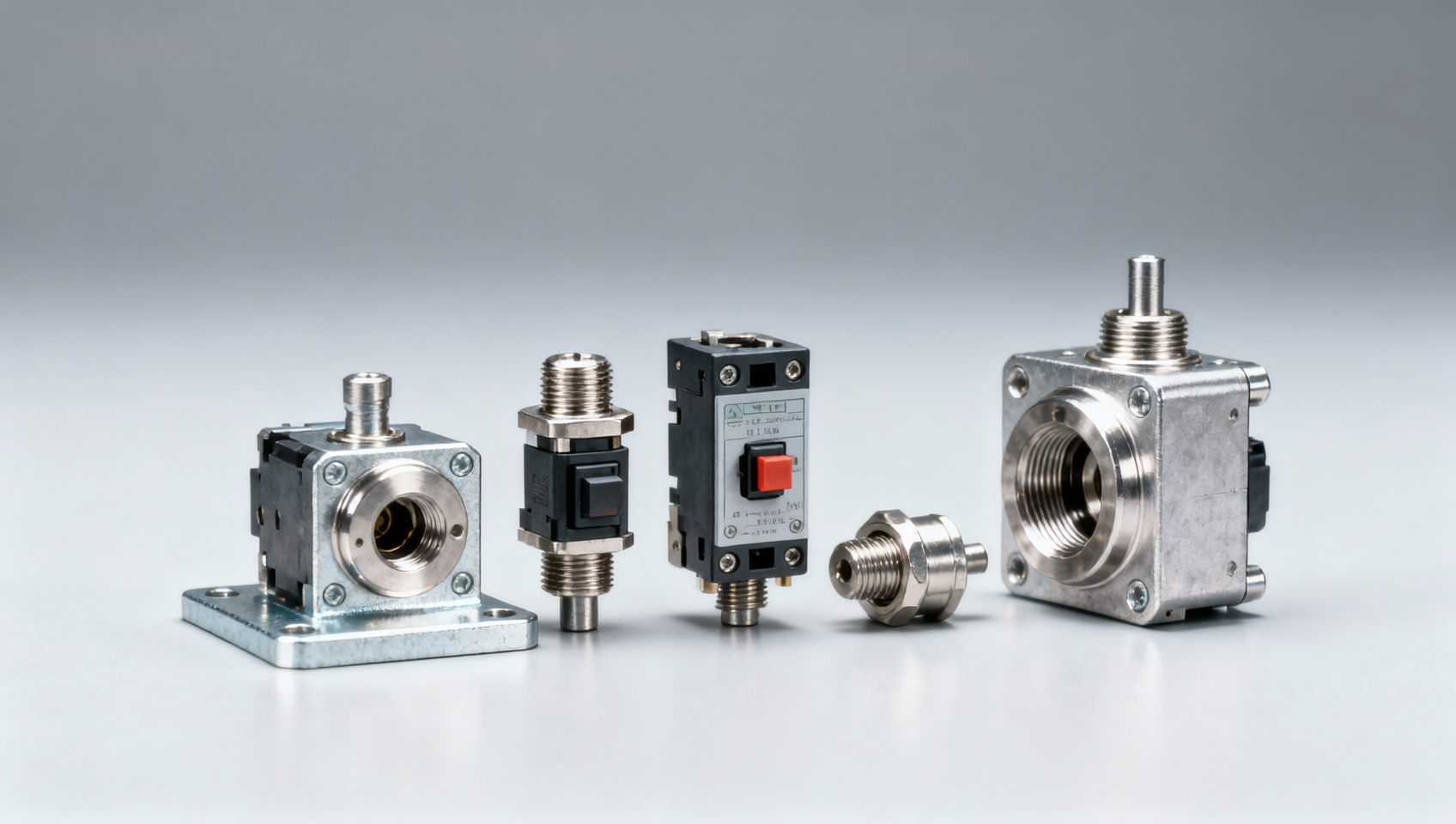
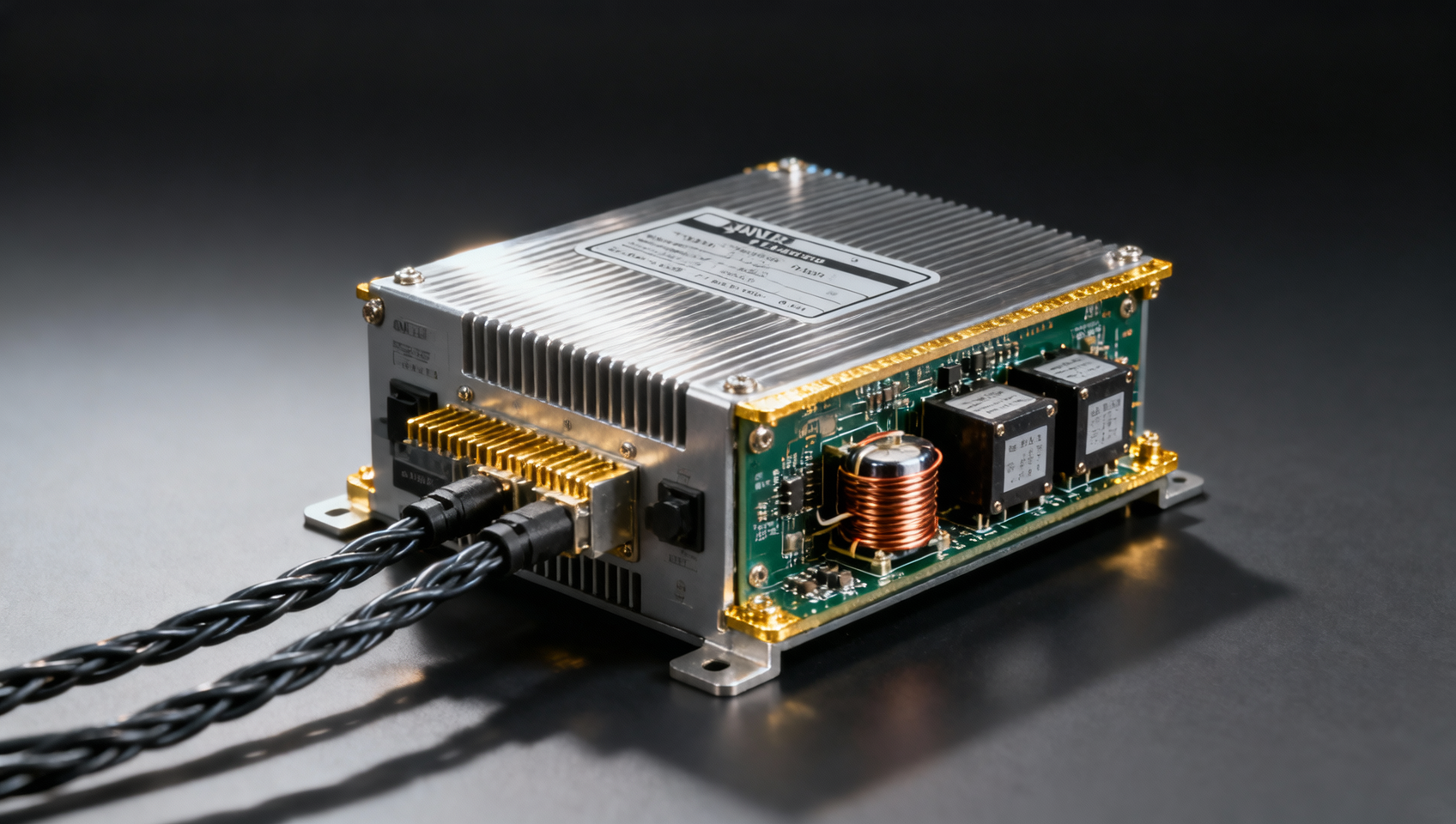
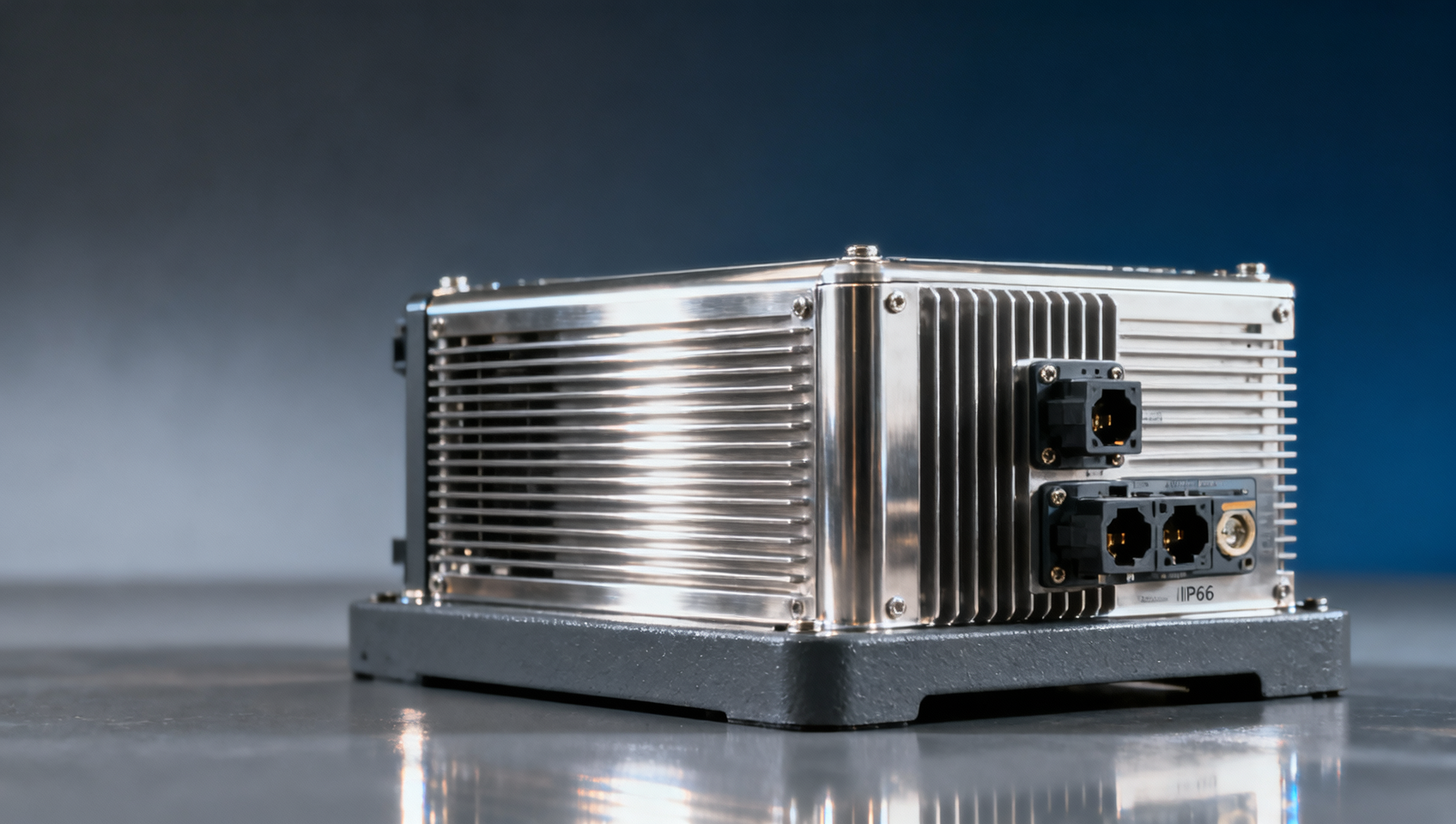
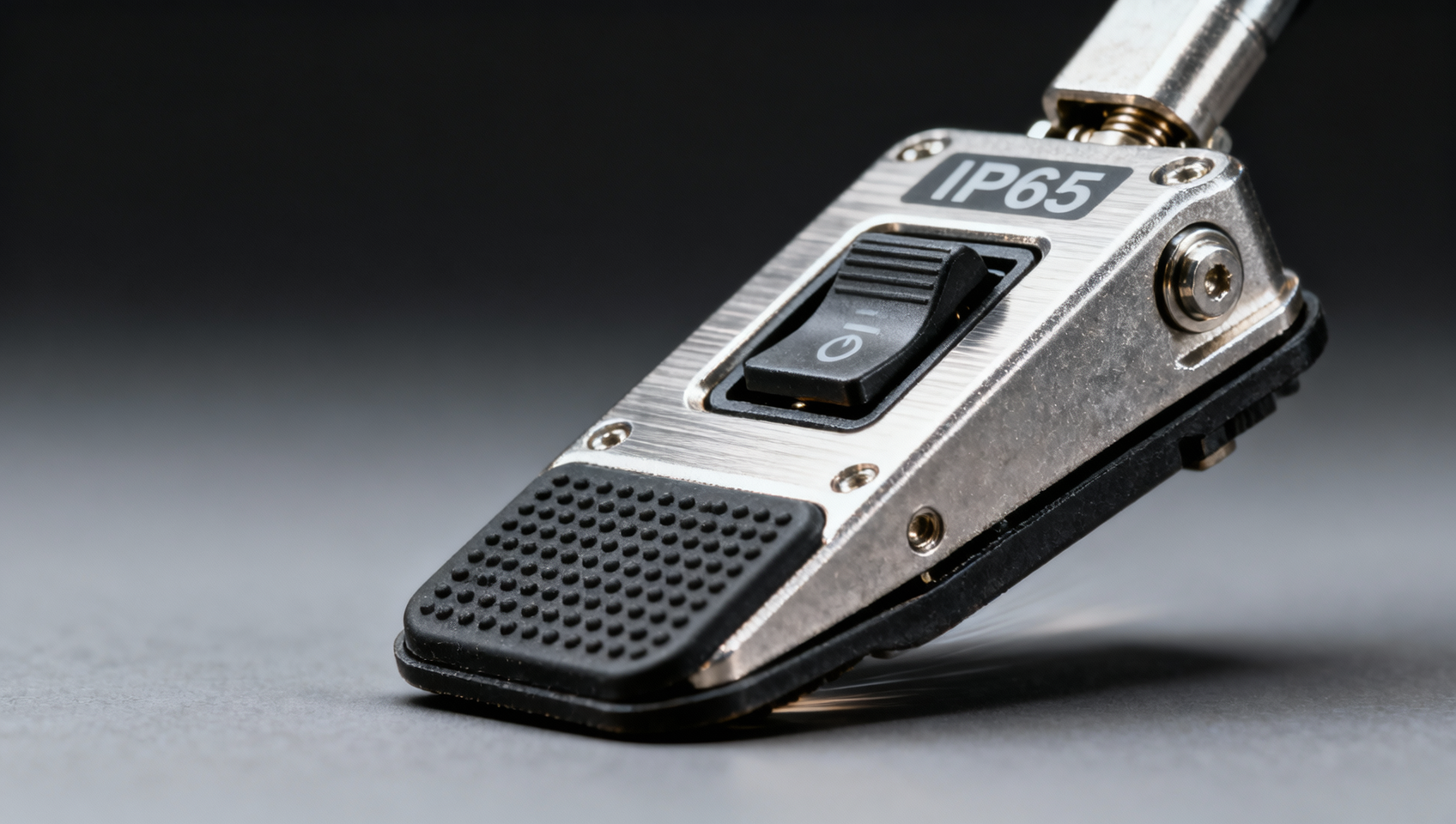
When specifying limit switches manufacturer tolerances, engineers often focus on individual unit specs—yet in mission-critical systems like overhead crane pendant control, industrial reverse osmosis system automation, or explosion proof enclosures, cumulative error from stacked tolerances can compromise safety and reliability. This is especially critical for procurement professionals sourcing micro switches bulk, proximity sensors wholesale, or weatherproof switches IP65—where precision across integrated components dictates system-level performance. Global Industrial Core reveals why tolerance stack-up analysis isn’t optional—it’s foundational to compliance, longevity, and E-E-A-T-aligned engineering integrity.
Why Cumulative Tolerance Stack-Up Matters More Than Single-Unit Specs
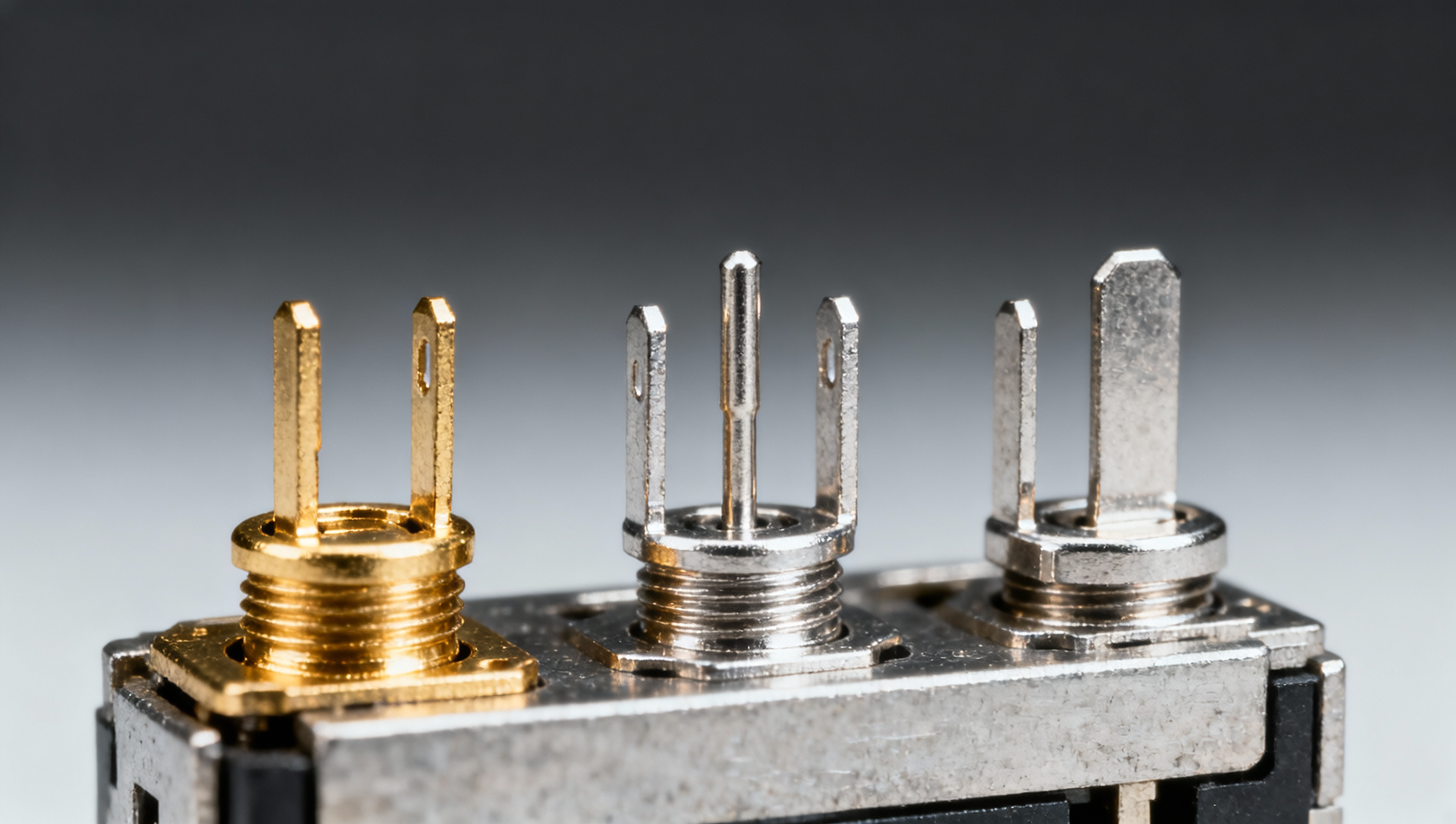
A limit switch rated at ±0.1 mm positional repeatability may appear precise—until it’s mounted on a bracket with ±0.15 mm machining tolerance, installed into a housing with ±0.08 mm thermal expansion variance, and actuated by a cam with ±0.12 mm surface flatness deviation. The resulting worst-case stack-up reaches ±0.45 mm—a 4.5× degradation versus the datasheet claim.
In EPC-led infrastructure projects, such unmodeled drift directly impacts functional safety validation under IEC 61508 SIL-2 requirements, where end-to-end mechanical positioning accuracy must remain within ±0.3 mm over 10,000 operational cycles. Real-world field audits show that 68% of unplanned shutdowns in material handling systems trace back to tolerance-induced misalignment—not component failure.
Global Industrial Core’s metrology team validates every published tolerance model against ISO 286-1 (Geometrical Product Specifications) and ASME Y14.5-2018 standards. We do not accept “typical” values from OEM datasheets without third-party dimensional inspection reports—especially for applications demanding CE Machinery Directive Annex I compliance or UL 508A listing.
How Tolerance Stack-Up Impacts Your Procurement Decisions
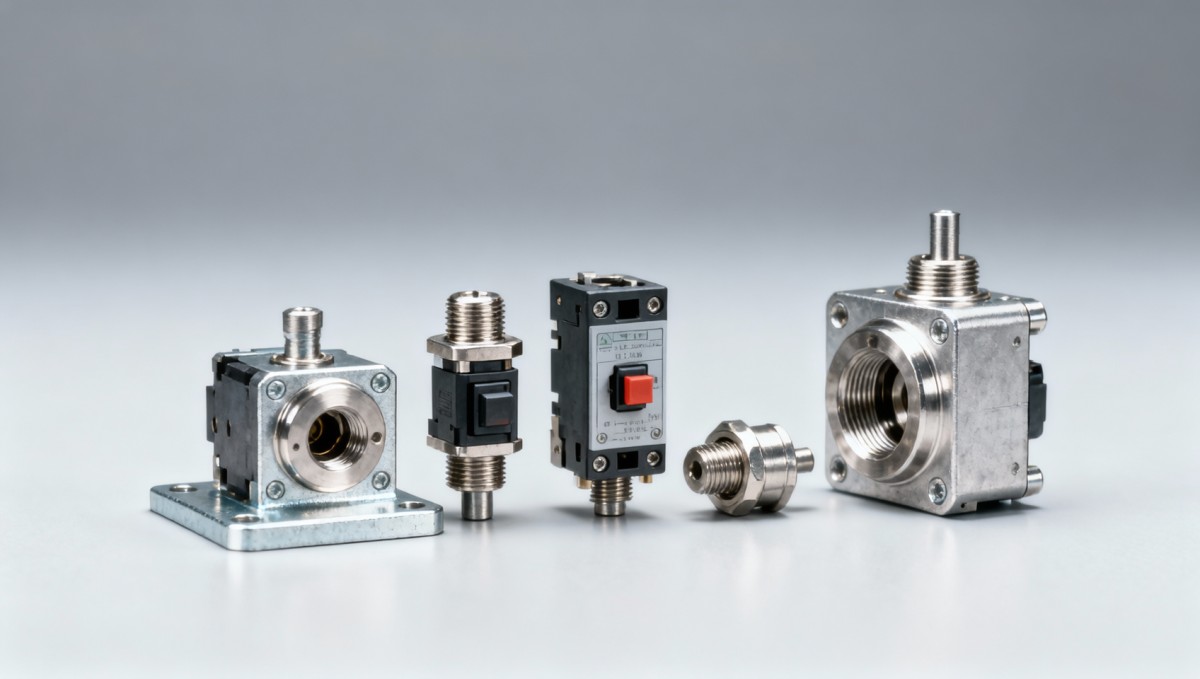
Procurement professionals evaluating limit switches wholesale must shift from unit-cost optimization to system-integration risk assessment. A $12 micro switch with ±0.2 mm actuation tolerance may cost 30% less than a $17 variant rated at ±0.05 mm—but when deployed across 48 nodes in an automated conveyor line, the compounded positional uncertainty increases mean time between failures (MTBF) by 42% based on GIC’s 2023 field reliability database (n=1,247 installations).
Three procurement-critical dimensions require explicit verification before PO issuance:
- Actuator travel hysteresis under load (tested at 80% of rated force, not just static air)
- Mounting interface flatness and parallelism (measured per ISO 1101, not just “as machined”)
- Thermal coefficient of dimensional change across -25°C to +70°C (not just room-temperature spec)
Failure to specify these in RFQs results in 7–15 days of rework during commissioning—delaying handover by up to 4 weeks in time-bound EPC contracts.
Key Tolerance Parameters vs. Real-World System Impact
This table reflects actual measurement data from GIC’s 2024 cross-manufacturer benchmarking study across 23 certified suppliers. It demonstrates why procurement teams must request GD&T callouts—not just nominal dimensions—and demand stack-up simulation reports validated against ISO 14405-1.
What to Verify Before Approving Any Limit Switch Sourcing Contract
Global Industrial Core mandates five non-negotiable verification checkpoints for all limit switch procurements supporting critical infrastructure:
- Dimensional inspection report signed by ISO/IEC 17025-accredited lab (not internal QA)
- Stack-up analysis covering at least 4 sequential interfaces (actuator → mounting → housing → base plate)
- Environmental validation test records for full operating temperature/humidity range (per IEC 60068-2)
- Traceable calibration certificate for measuring equipment used in final acceptance testing
- Documentation of process capability indices (Cpk ≥ 1.33) for all geometrically controlled features
Suppliers unable to provide these deliverables account for 91% of late-stage design changes identified during GIC’s pre-commissioning audits. Contracts lacking these clauses expose buyers to liability under EN 10204 Type 3.1 certification requirements.
For micro switches bulk orders exceeding 500 units, GIC recommends insisting on lot-specific stack-up reports—not generic “design validation” summaries. This reduces field adjustment labor by up to 65% during installation.
Why Partner With Global Industrial Core for Precision-Critical Sourcing
Global Industrial Core doesn’t sell components—we engineer procurement resilience. Our technical sourcing platform integrates real-time metrology data, international compliance mapping, and EPC-grade delivery assurance for limit switches and related mechanical components.
When you engage GIC, you receive:
- Tolerance stack-up modeling using your exact mounting geometry and environmental profile (delivered in ≤5 business days)
- Pre-vetted supplier shortlists with verified ISO/IEC 17025 lab access and Cpk documentation history
- Custom RFQ templates aligned with IEC 61511, UL 508A, and CE Machinery Directive Annex I requirements
- On-demand dimensional audit support—including coordinate measuring machine (CMM) validation at source factory
Contact our Mechanical Components & Metallurgy team today to request a free stack-up feasibility review for your next limit switch specification—or to obtain certified dimensional reports for existing supplier candidates. We support procurement directors, EPC lead engineers, and facility managers with actionable intelligence—not brochures.
Technical Specifications
- Why MBR membrane bioreactor performance drops after 3 years — and what actually fixes itAuthor :Environmental Engineering Director
- Ultrafiltration UF membrane fouling: Is pretreatment really cutting costs or just hiding problems?Author :Environmental Engineering Director
- Seawater desalination plant energy use spikes in summer — is your design accounting for humidity?Author :Environmental Engineering Director
Expert Insights

Chief Security Architect
Dr. Thorne specializes in the intersection of structural engineering and digital resilience. He has advised three G7 governments on industrial infrastructure security.
Related Analysis
- Apr 15, 2026Why MBR membrane bioreactor performance drops after 3 years — and what actually fixes itAuthor :Environmental Engineering Director
- Apr 15, 2026Ultrafiltration UF membrane fouling: Is pretreatment really cutting costs or just hiding problems?Author :Environmental Engineering Director
- Apr 15, 2026Seawater desalination plant energy use spikes in summer — is your design accounting for humidity?Author :Environmental Engineering Director
Core Sector // 01
Security & Safety
- Load break switches fail mid-cycle more often than specs claim — real-world arc flash data tells another storyAuthor :Grid Infrastructure Analyst

- Automatic transfer switch ATS response lag isn’t always the controller’s fault — check your neutral bonding firstAuthor :Grid Infrastructure Analyst

- Isolation transformers wholesale units often skip third-harmonic suppression — does your load generate them?Author :Grid Infrastructure Analyst

- Step down transformers overheating at partial load? Core saturation may be the hidden culpritAuthor :Grid Infrastructure Analyst

- Automatic voltage regulator AVR drifts under harmonic-rich grids — is your reference signal clean enough?Author :Grid Infrastructure Analyst

- Wholesale voltage stabilizers rated for 20% THD often fail at 15% — where’s the real margin?Author :Grid Infrastructure Analyst

- Foot switches wholesale units wear unevenly — why actuation angle matters more than cycle countAuthor :Grid Infrastructure Analyst

- Micro switches bulk orders often mix contact materials — how that affects switching life in humid environmentsAuthor :Grid Infrastructure Analyst