IEC 61850-90-15:2026 Released — Time Stamp Precision Upgrade Impacts Power Equipment Exports
Author
Date Published
Reading Time

On 21 April 2026, the International Electrotechnical Commission (IEC) published IEC 61850-90-15:2026, mandating ±100 ns timestamp accuracy for GOOSE and SV messages in transformers, switchgears, breakers, and relays deployed in smart substations. Exporters of power equipment from China — particularly those targeting Saudi Arabia, Brazil, and South Africa — must adapt by December 2026 to remain eligible for new smart grid projects.
Event Overview
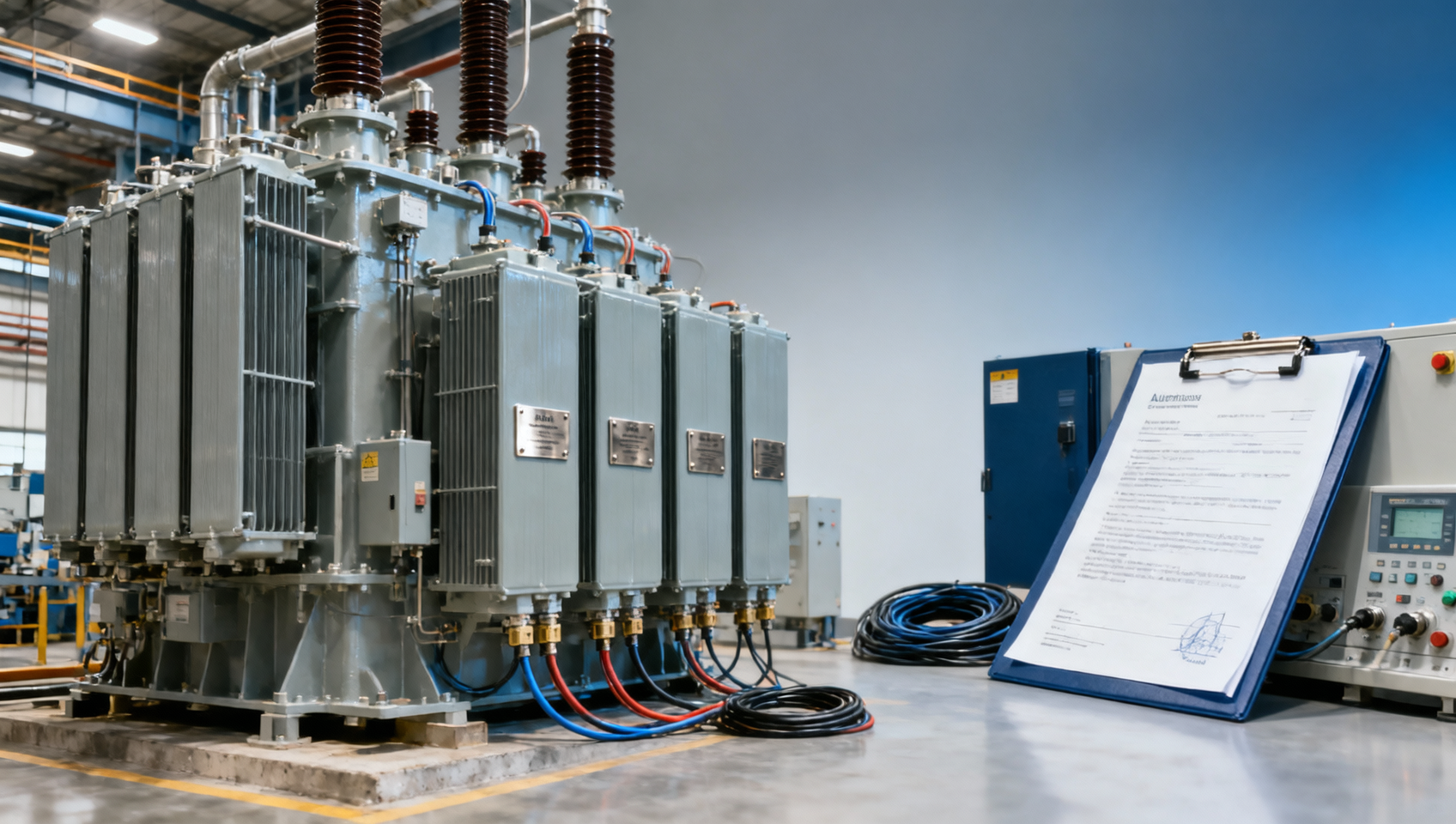
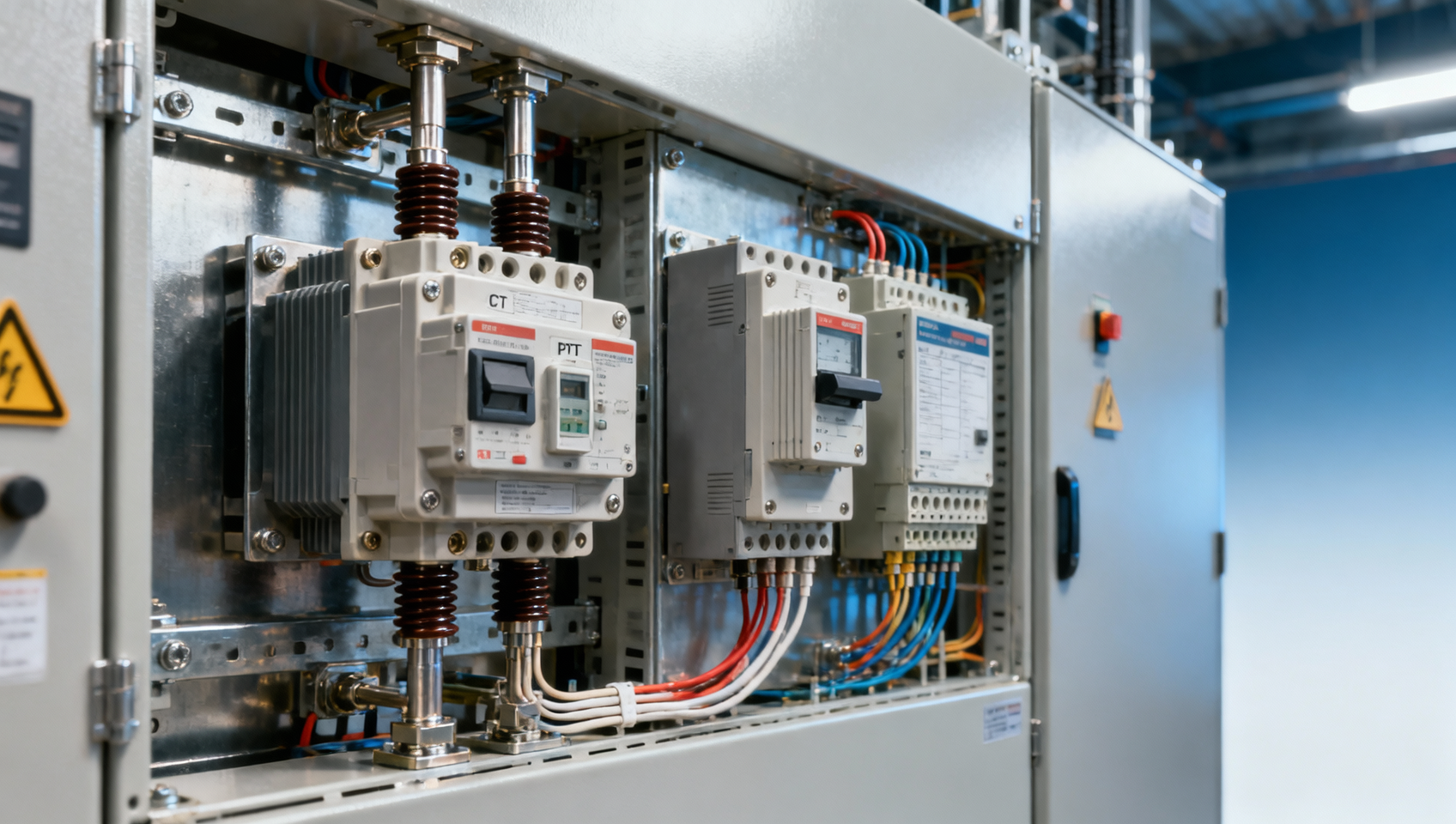
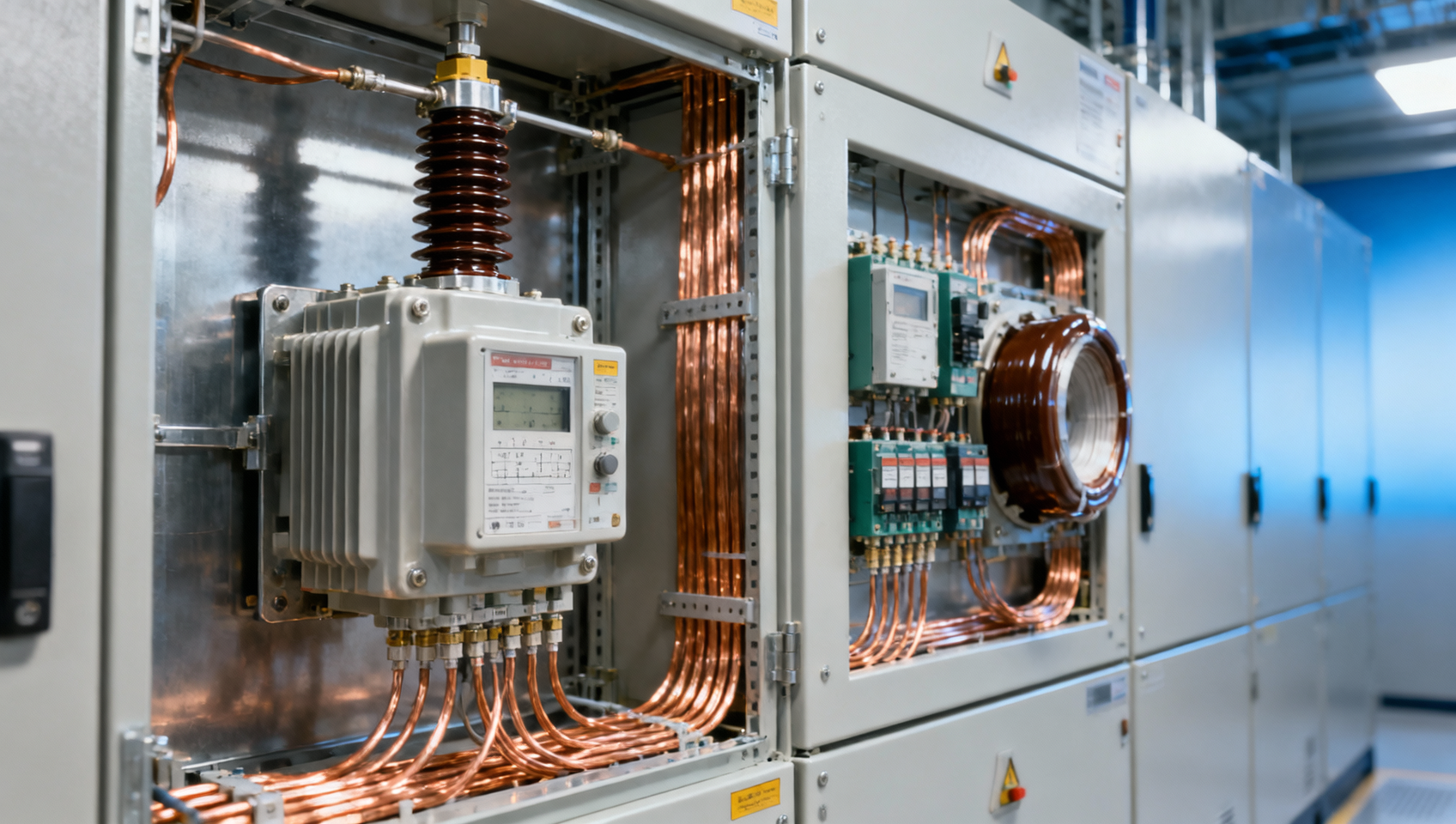
The IEC officially released IEC 61850-90-15:2026 on 21 April 2026. The standard specifies a tightened time stamp precision requirement of ±100 nanoseconds for GOOSE (Generic Object Oriented Substation Event) and SV (Sampled Values) messages used in intelligent substation communication. This replaces the previous tolerance of ±1 microsecond. The scope explicitly covers transformers & switchgears, and breakers & relays intended for smart substation applications. Compliance verification via firmware updates and third-party testing is required before 31 December 2026 for market access in specified countries including Saudi Arabia, Brazil, and South Africa.
Industries Affected
Direct Exporters of Power Equipment
Manufacturers exporting transformers, switchgears, circuit breakers, or protective relays to smart grid projects in Saudi Arabia, Brazil, or South Africa are directly affected. These firms must ensure their products meet the new timestamp accuracy requirement — not only in design but also in delivered firmware and verified performance. Non-compliance risks exclusion from tender processes and project integration after December 2026.
Embedded Systems & Firmware Development Providers
Suppliers supporting Chinese OEMs with real-time operating systems, timestamp synchronization modules (e.g., IEEE 1588 PTP stack integration), or hardware timestamping logic face increased demand for validation-ready solutions. Their deliverables must now support sub-microsecond timing stability under operational load — a shift beyond legacy ±1 μs calibration practices.
Third-Party Certification & Testing Laboratories
Laboratories accredited for IEC 61850 conformance testing must update test procedures and measurement setups to verify ±100 ns accuracy. This includes upgrading time interval analyzers, improving reference clock stability, and validating end-to-end path delay consistency across device configurations — all within existing accreditation scopes or pending scope extensions.
Key Focus Areas and Recommended Actions
Monitor official implementation guidance from national standards bodies
While IEC 61850-90-15:2026 is published, national adoption timelines and certification pathways (e.g., SASO in Saudi Arabia, INMETRO in Brazil, SABS in South Africa) remain pending. Exporters should track announcements from these authorities — especially regarding transitional arrangements or grandfathering clauses — as they may differ from the IEC’s publication date.
Prioritize firmware upgrade and validation for high-volume export SKUs
Not all product variants require immediate revision. Firms should identify models currently tendered or scheduled for delivery in Saudi Arabia, Brazil, or South Africa between Q1 2027 and Q3 2027. These SKUs warrant priority allocation of engineering resources and lab time for firmware adaptation and third-party verification.
Distinguish between compliance signal and enforceable requirement
The IEC standard itself is not legally binding; its enforceability depends on incorporation into national regulations or procurement specifications. Current tenders issued before mid-2026 may still reference earlier editions. Therefore, verifying the referenced standard version in each RFP — rather than assuming universal applicability — is essential before initiating costly upgrades.
Initiate cross-functional alignment on hardware-software co-validation
Achieving ±100 ns requires coordinated tuning of FPGA timestamp logic, PHY layer jitter control, software interrupt latency, and PTP grandmaster synchronization. Engineering, QA, and supply chain teams should jointly map dependencies — especially for components with known timing variability (e.g., certain Ethernet PHYs or crystal oscillators) — and secure alternative sourcing if needed.
Editorial Perspective / Industry Observation
From an industry perspective, IEC 61850-90-15:2026 signals a convergence of substation automation and precision timing infrastructure — moving beyond functional interoperability toward deterministic behavior. Analysis来看, this reflects growing reliance on synchrophasor-based protection and wide-area control, where microsecond-level misalignment can trigger false trips or delayed responses. Observation来看, the December 2026 deadline appears tight for full ecosystem readiness, especially given limited public documentation on test methodology. It is更适合理解为 a de facto market access gate for next-generation smart grid deployments — not merely a technical refinement. Continued attention is warranted as national regulators begin publishing enforcement interpretations.
Conclusion: IEC 61850-90-15:2026 introduces a technically significant tightening of timestamp accuracy for smart substation devices, with direct implications for Chinese exporters targeting key emerging markets. Its impact is neither theoretical nor distant — it defines a concrete, time-bound compliance threshold affecting product design, firmware release cycles, and certification logistics. Currently, it is best understood as a market access prerequisite tied to specific geographies and project timelines, rather than a global mandate applicable to all deployments.
Source: International Electrotechnical Commission (IEC), IEC 61850-90-15:2026 edition published 21 April 2026.
Note: National adoption status, certification roadmaps, and testing protocol details remain subject to ongoing updates by respective regulatory authorities and are not yet publicly confirmed.
Technical Specifications
- RCEP Launches Industrial Waste Equipment Mutual RecognitionAuthor :Environmental Engineering Director
- IEC 61850-90-15:2026 Released — Time Stamp Precision Upgrade Impacts Power Equipment ExportsAuthor :Grid Infrastructure Analyst
- Copper Price Surge Impacts BOM Costs for Industrial Breakers & TransformersAuthor :Grid Infrastructure Analyst
Expert Insights

Chief Security Architect
Dr. Thorne specializes in the intersection of structural engineering and digital resilience. He has advised three G7 governments on industrial infrastructure security.
Related Analysis
- Apr 22, 2026RCEP Launches Industrial Waste Equipment Mutual RecognitionAuthor :Environmental Engineering Director
- Apr 22, 2026IEC 61850-90-15:2026 Released — Time Stamp Precision Upgrade Impacts Power Equipment ExportsAuthor :Grid Infrastructure Analyst
- Apr 22, 2026Copper Price Surge Impacts BOM Costs for Industrial Breakers & TransformersAuthor :Grid Infrastructure Analyst
Core Sector // 01
Security & Safety
- IEC 61850-90-15:2026 Released — Time Stamp Precision Upgrade Impacts Power Equipment ExportsAuthor :Grid Infrastructure Analyst
![]()
- Shanghai Yangshan Port Launches Green Clearance for Industrial EquipmentAuthor :Grid Infrastructure Analyst
![]()
- How to Vet a Power Transformer ManufacturerAuthor :Grid Infrastructure Analyst

- How to Source Distribution TransformersAuthor :Grid Infrastructure Analyst

- Cast Resin Dry Type Transformer UsesAuthor :Grid Infrastructure Analyst

- Oil Immersed Transformer vs Dry TypeAuthor :Grid Infrastructure Analyst

- Current Transformers CT Buying ChecklistAuthor :Grid Infrastructure Analyst

- Potential Transformers PT Selection GuideAuthor :Grid Infrastructure Analyst