Engineering procurement best practices for avoiding late-stage delays
Author
Date Published
Reading Time
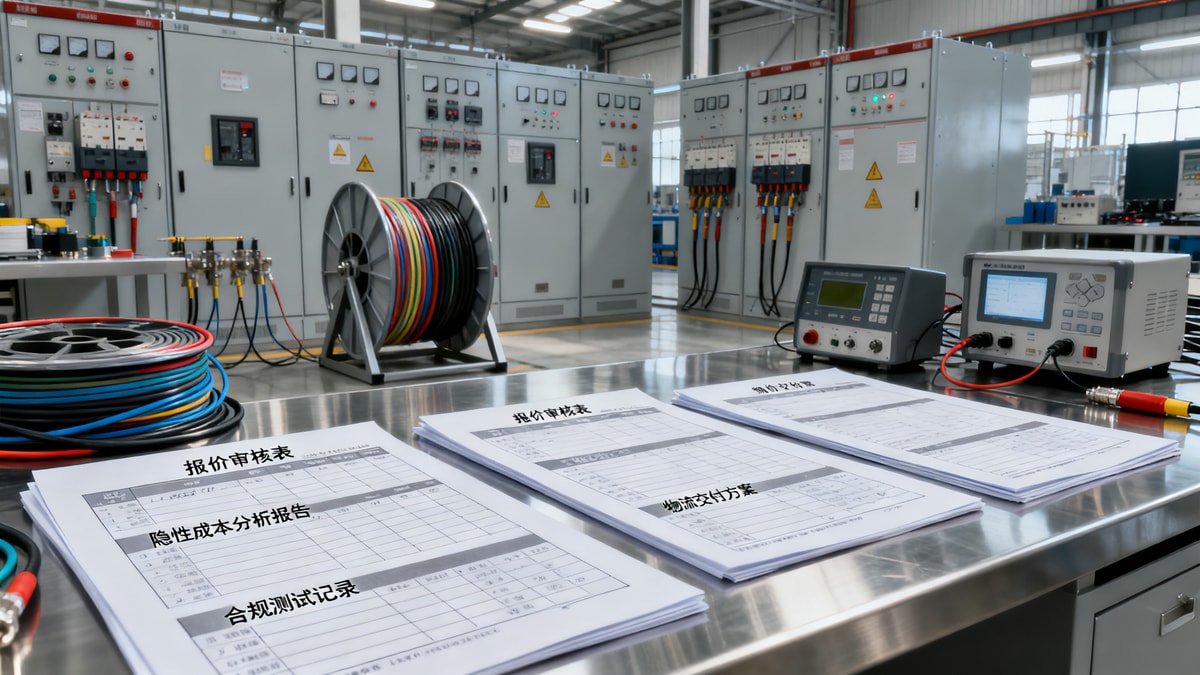
Late-stage delays can erode margins, disrupt commissioning, and expose procurement teams to costly compliance and supply risks. For buyers managing complex industrial projects, engineering procurement best practices are essential for aligning technical specifications, supplier qualification, lead-time control, and documentation from the start. This article outlines practical strategies to help procurement professionals reduce uncertainty, strengthen supplier performance, and keep critical projects on schedule.
Why scenario differences matter in engineering procurement
Procurement teams rarely fail because they do not know the basics. More often, delays appear when buyers apply the same sourcing logic to very different project environments. A power distribution upgrade, a wastewater treatment expansion, a greenfield manufacturing plant, and a safety retrofit may all require formal RFQs, technical reviews, and supplier negotiations, but the risk profile behind each purchase is different. That is why engineering procurement best practices must be adapted to the application scenario rather than treated as a universal checklist.
In industrial settings, late-stage disruption usually starts much earlier than teams realize. A specification that seemed “good enough” can later block installation. A supplier that offered a short lead time may fail to deliver traceability documents. A low-cost substitute can trigger re-approval from engineering, quality, EHS, or the end client. Procurement professionals therefore need a scenario-based framework: what is being purchased, where it will be used, how critical it is to commissioning, and which compliance path governs acceptance.
For buyers in EPC, facility operations, and industrial expansion programs, the most effective engineering procurement best practices combine technical clarity, supplier discipline, and timing control. The aim is not only to place a purchase order, but to secure an installable, compliant, and documented outcome that arrives when the project can still benefit from it.
Common project scenarios where late-stage delays emerge
Different project scenarios create different procurement failure points. Understanding these patterns helps buyers prioritize what to verify first and what to escalate early.
The table shows why engineering procurement best practices should never begin with price comparison alone. In one scenario, the issue is production capacity; in another, it is certificate completeness or shutdown timing. Procurement teams that diagnose the scenario correctly can prevent delays before they become schedule claims.
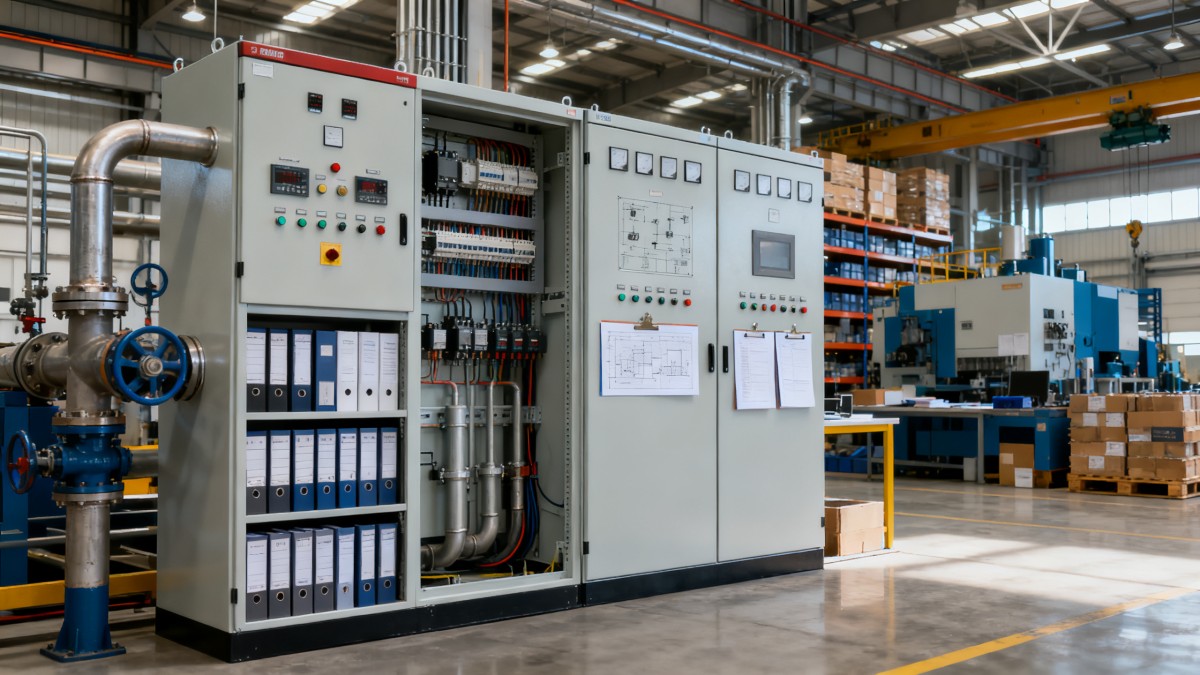
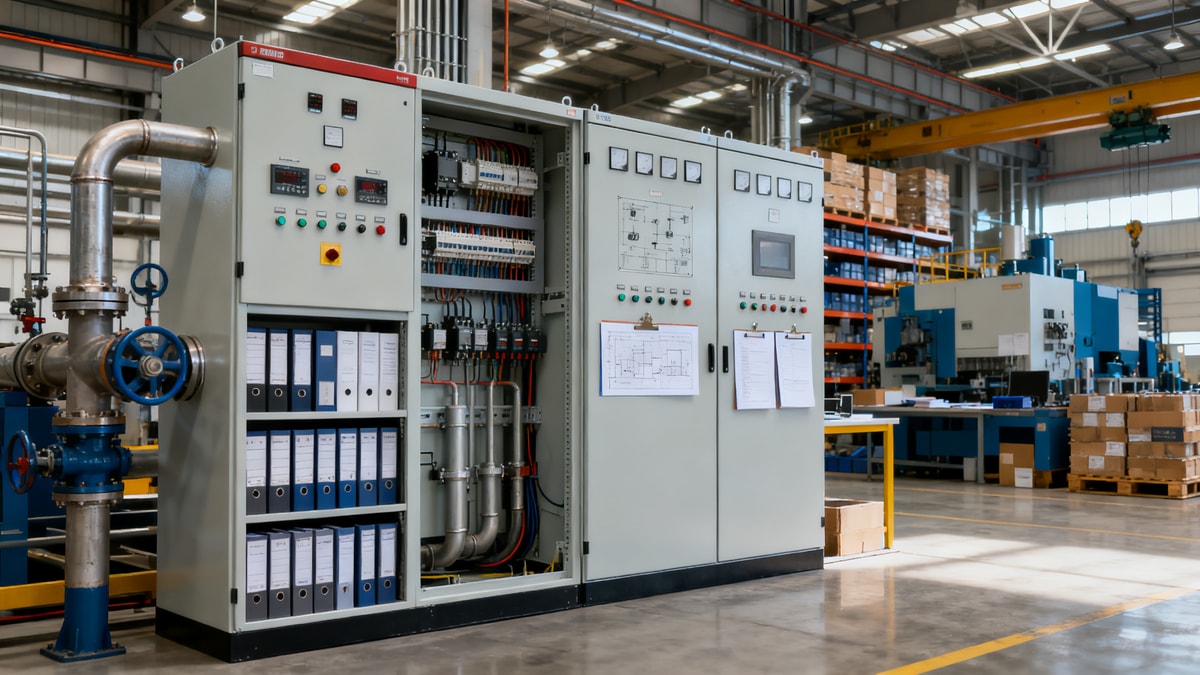
Scenario 1: Greenfield industrial projects need early technical-commercial alignment
In greenfield projects, procurement usually starts while engineering packages are still evolving. This creates a classic delay trap: buyers push for early commitments to protect long lead times, while engineering continues to revise duty conditions, interfaces, or material requirements. If the procurement process is not structured well, the project may receive equipment that is contractually purchased but operationally unusable.
Here, engineering procurement best practices should focus on bid package discipline. Every RFQ for critical equipment should clearly distinguish between frozen requirements, provisional assumptions, and bidder clarifications. Procurement should not release a PO on the basis of marketing datasheets alone. It needs reviewed GA drawings, utility requirements, inspection points, and required certification deliverables.
Buyers in this scenario should also classify long-lead items by schedule impact. Transformers, switchgear, control panels, specialty valves, instrumentation assemblies, and fabricated mechanical packages often deserve dedicated expediting from the moment of award. The goal is to connect supplier production milestones to project engineering approvals, not to treat delivery as a single final date.
What to verify before purchase order release
- Critical technical parameters are approved by engineering and operations.
- Vendor deviations are logged, reviewed, and accepted in writing.
- Documentation requirements include drawings, manuals, test reports, and compliance certificates.
- Manufacturing and FAT dates are tied to project milestones.
Scenario 2: Brownfield retrofit projects depend on field reality, not only drawings
Brownfield projects often appear smaller on paper, yet they carry a higher risk of late-stage delay because site conditions are less predictable. Existing cable routing, legacy interfaces, undocumented modifications, and restricted installation windows can quickly invalidate standard sourcing assumptions. In this scenario, engineering procurement best practices must be grounded in verification, compatibility, and execution timing.
For example, a replacement motor control assembly may match electrical ratings but fail to fit the available enclosure space. A new instrument may meet process requirements but not the plant’s communication protocol. A piping component may satisfy pressure class requirements yet create welding or corrosion compatibility problems. These are not minor issues. They can delay shutdown completion, restart approval, and contractor demobilization.
Buyers should therefore request field-confirmed dimensions, connection details, legacy equipment references, and required tie-in methods before finalizing purchases. When shutdown windows are short, it is also wise to pre-position critical spares or approved alternates. In brownfield work, the cheapest item is rarely the one that minimizes schedule risk.
Scenario 3: Compliance-driven purchases rise or fall on documentation quality
Some procurement events are triggered not by capacity expansion, but by safety, environmental, or regulatory obligations. These include electrical upgrades, emissions control systems, safety barriers, measurement devices, and certified components for hazardous or high-risk environments. In such cases, engineering procurement best practices are inseparable from compliance management.
A frequent late-stage mistake is assuming a compliant product and a compliant submittal are the same thing. They are not. Even when the item itself is technically acceptable, missing declarations, incomplete test records, inconsistent model numbers, or outdated certificates can stop inspection, customs clearance, site acceptance, or client approval. Documentation failure is one of the most avoidable sources of project delay.
Procurement teams should define required certificates and records at RFQ stage, not after award. They should also identify which documents must be reviewed before manufacturing, before shipment, and before site installation. This is especially important for multinational projects where end users, EPC contractors, and regulators may each require different evidence formats.
Best practice for compliance-sensitive sourcing
Use a document register as a commercial control tool, not only an engineering archive. If a supplier cannot commit to the required quality dossier, traceability records, and certification package, that risk should affect selection decisions just as much as unit pricing and lead time.
How supplier selection changes by scenario
One of the most practical engineering procurement best practices is to stop evaluating all suppliers through the same lens. Different scenarios require different forms of supplier strength. A vendor that performs well for standard consumables may be the wrong choice for engineered assemblies or audited safety systems.
For schedule-sensitive greenfield projects, capacity visibility, engineering responsiveness, and milestone reporting matter most. For retrofit work, application knowledge and flexibility around field modifications may be more important. For compliance-led purchases, traceability, testing discipline, and documentation maturity should lead the decision.
This means procurement should qualify suppliers by use case. A category strategy for mechanical components, power systems, instruments, environmental equipment, or safety products should include technical capability, quality systems, prior project references, and escalation pathways. Supplier scorecards are useful only when they reflect the real delivery risk of the application.
Frequent misjudgments that cause avoidable delays
Many late-stage issues come from misjudgments that seem small during sourcing but become expensive during execution. Procurement professionals can reduce these failures by recognizing several common warning signs.
- Assuming “or equal” language is enough without a defined approval route for substitutions.
- Accepting supplier lead times without checking raw material, subcomponent, or test-slot constraints.
- Treating documentation as a post-shipment activity instead of part of deliverable readiness.
- Ignoring logistics details such as export packaging, lifting points, customs codes, or special handling.
- Escalating only after a delay occurs rather than using milestone-based supplier reviews.
These mistakes are especially costly in industrial projects because they trigger cross-functional rework. Engineering must recheck data, quality must reopen review, project teams must revise schedules, and site teams may lose valuable installation windows. Strong engineering procurement best practices aim to prevent this chain reaction.
A practical framework for matching best practices to your buying situation
If your team wants a repeatable method, start by asking five scenario-based questions before every critical purchase. First, is this item long lead, high criticality, or difficult to substitute? Second, is the application new-build, retrofit, compliance-driven, or maintenance-critical? Third, what has to be approved before manufacture can start? Fourth, which documents are mandatory for shipment and acceptance? Fifth, what supplier behavior would create the biggest schedule risk if it failed?
The answers will tell you which controls deserve the most attention. In some cases, the right action is early framework engagement with approved suppliers. In others, it is a detailed pre-award technical clarification, a source inspection plan, or a stronger expediting cadence. The principle behind engineering procurement best practices is simple: apply more control where failure has the highest downstream cost.
FAQ: scenario-based questions procurement teams often ask
Which projects benefit most from formal engineering procurement best practices?
Projects with engineered equipment, strict compliance requirements, shutdown constraints, or multinational supply chains benefit the most. The more interfaces, approvals, and technical dependencies involved, the more value structured procurement controls provide.
How early should procurement get involved?
As early as possible, ideally during specification development for critical packages. Early involvement helps identify long-lead risks, supplier limitations, and documentation needs before they affect the schedule.
What is the biggest cause of late-stage delay?
In many industrial projects, it is not a single cause but a mismatch between the procurement method and the application scenario. Incomplete specifications, weak supplier qualification, and missing compliance documents often combine to create the delay.
Final takeaway for buyers managing complex industrial schedules
The most reliable engineering procurement best practices are not generic rules copied from one project to another. They are scenario-aware decisions that reflect the technical, commercial, and compliance realities of each purchase. For procurement teams in industrial environments, that means aligning sourcing strategy with project type, installation context, supplier capability, and document obligations from the start.
If you are buying for a greenfield build, protect the schedule through early package clarity and milestone control. If you are sourcing for a brownfield retrofit, verify field conditions and compatibility before award. If your purchase is compliance-driven, treat documentation readiness as part of product readiness. Buyers who make these distinctions early are far more likely to avoid rework, preserve margins, and deliver on time.
For organizations seeking stronger supplier performance across safety systems, instrumentation, electrical infrastructure, environmental solutions, and mechanical components, the next step is to review your current sourcing workflow against your most common project scenarios. That is where engineering procurement best practices move from theory to measurable schedule protection.
Technical Specifications
- Hidden Environment & Ecology cost after project approvalAuthor :Environmental Engineering Director
- When does an Environment & Ecology impact assessment need updating?Author :Environmental Engineering Director
- Security & Safety standards that affect product approval speedAuthor :Safety Compliance Lead
Expert Insights

Chief Security Architect
Dr. Thorne specializes in the intersection of structural engineering and digital resilience. He has advised three G7 governments on industrial infrastructure security.
Related Analysis
- May 07, 2026Hidden Environment & Ecology cost after project approvalAuthor :Environmental Engineering Director
- May 07, 2026When does an Environment & Ecology impact assessment need updating?Author :Environmental Engineering Director
- May 07, 2026Security & Safety standards that affect product approval speedAuthor :Safety Compliance Lead
Core Sector // 01
Security & Safety
- How to read an Electrical & Power quotation without missing extrasAuthor :Grid Infrastructure Analyst

- Electrical & Power manufacturers facing the fastest standards shiftAuthor :Grid Infrastructure Analyst

- How to shortlist EPC contractors for renewable energy projectsAuthor :Grid Infrastructure Analyst

- Engineering procurement best practices for avoiding late-stage delaysAuthor :Grid Infrastructure Analyst

- US DOE Level 3 Transformer Efficiency Rule Takes Effect July 1, 2026Author :Grid Infrastructure Analyst

- US DOE Level 3 Transformer Efficiency Rule Takes Effect July 1, 2026Author :Grid Infrastructure Analyst

- SASO Mandates Dual Energy Label for Industrial Transformers in Saudi Arabia from May 2026Author :Grid Infrastructure Analyst

- US DOE Level 3 Transformer Efficiency Standard Effective July 1, 2026Author :Grid Infrastructure Analyst