Electrical & Power manufacturers facing the fastest standards shift
Author
Date Published
Reading Time
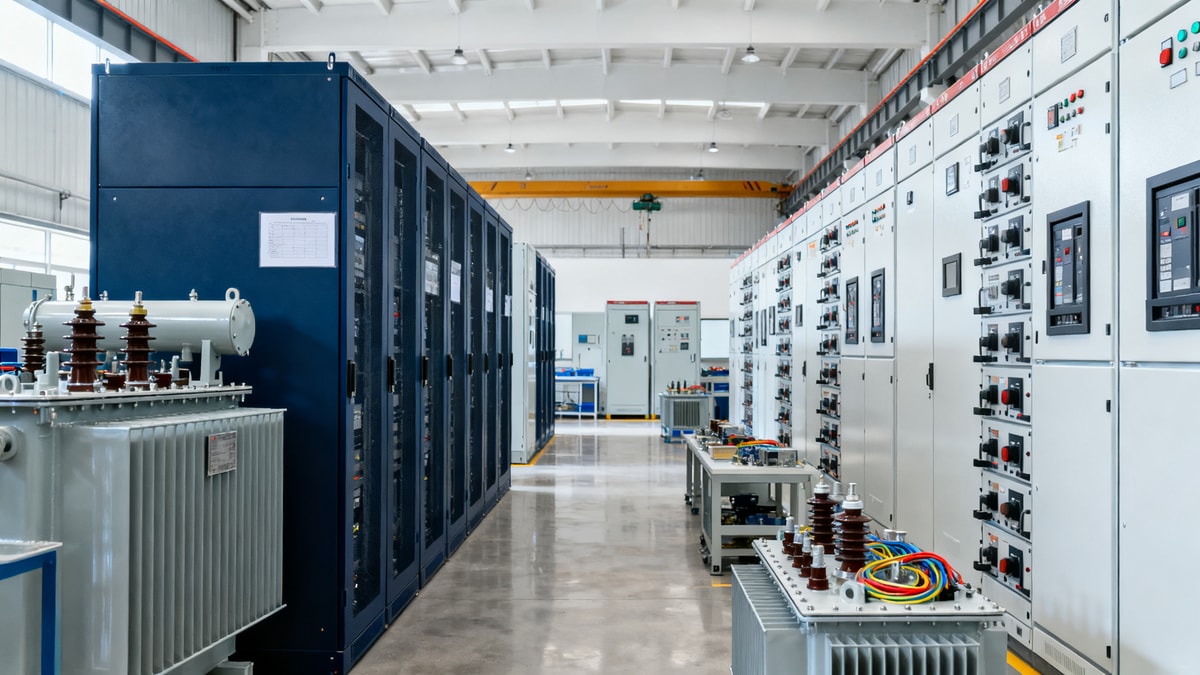
For every Electrical & Power manufacturer, the pace of standards change is now a direct market risk. As grid modernization, safety compliance, and cross-border certification demands accelerate, distributors, agents, and channel partners need sharper insight to evaluate supply reliability, product readiness, and long-term competitiveness. This article explores why manufacturers must adapt faster than ever—and what that means for partners building resilient industrial portfolios.
Why are standards changing so quickly for every Electrical & Power manufacturer?
The short answer is that the market is no longer driven by product output alone. It is driven by compliance velocity. An Electrical & Power manufacturer now operates in a world shaped by grid digitization, energy transition targets, industrial electrification, cyber-physical safety expectations, and tighter product accountability across regions. Standards once updated gradually now shift in response to faster technology cycles, climate policy, utility modernization, and stricter procurement rules from EPC firms and industrial buyers.
For distributors and agents, this matters because standards are not just technical paperwork. They influence product eligibility, project timelines, customs clearance, insurance acceptance, and after-sales support. A manufacturer that fails to align with revised IEC, UL, CE, ISO, RoHS, REACH, or grid-specific requirements can create hidden channel risk. Even if the product performs well in the field, delayed certification updates or incomplete test documentation can block market access.
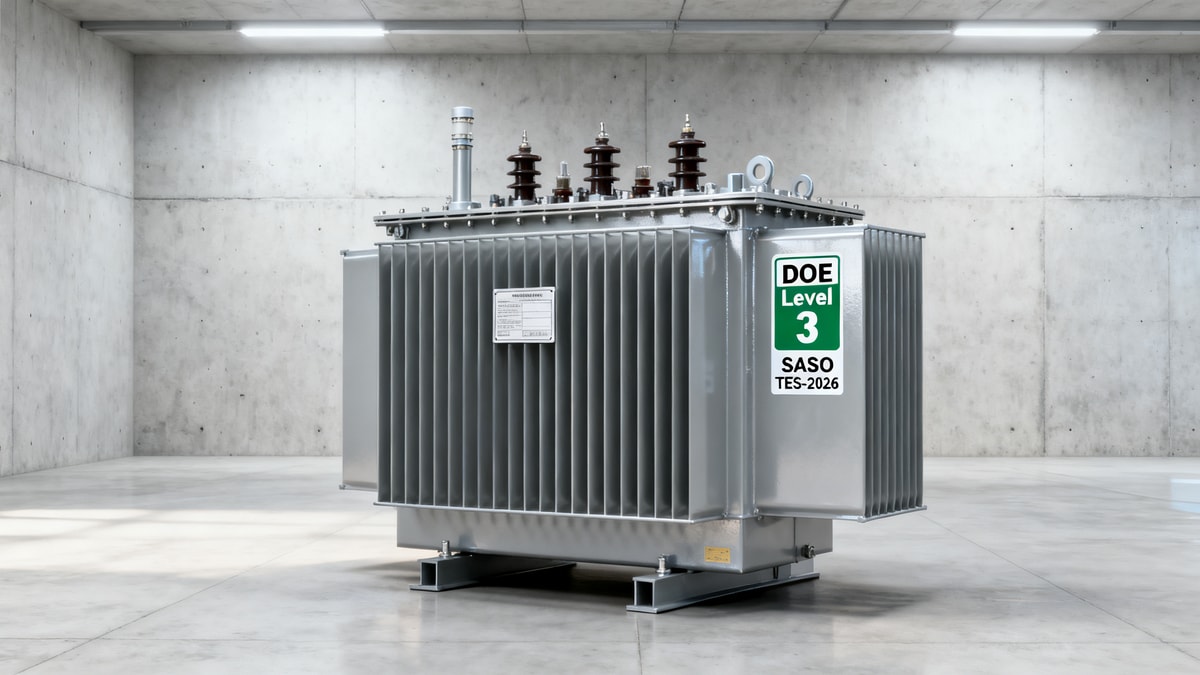
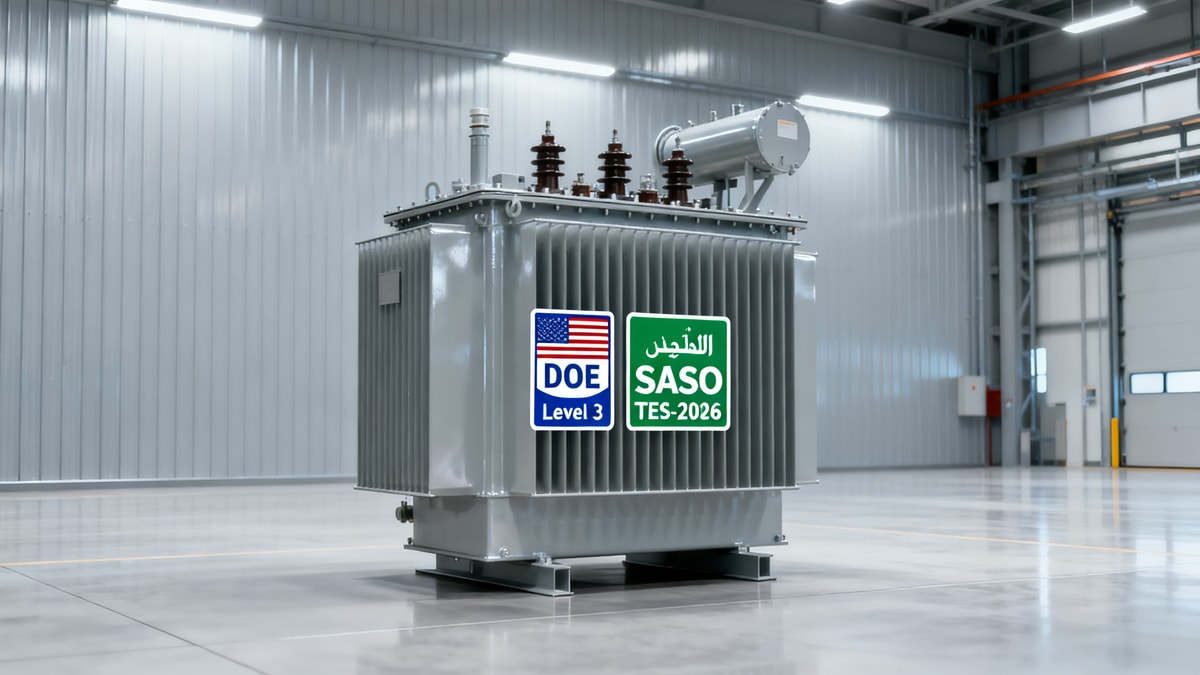
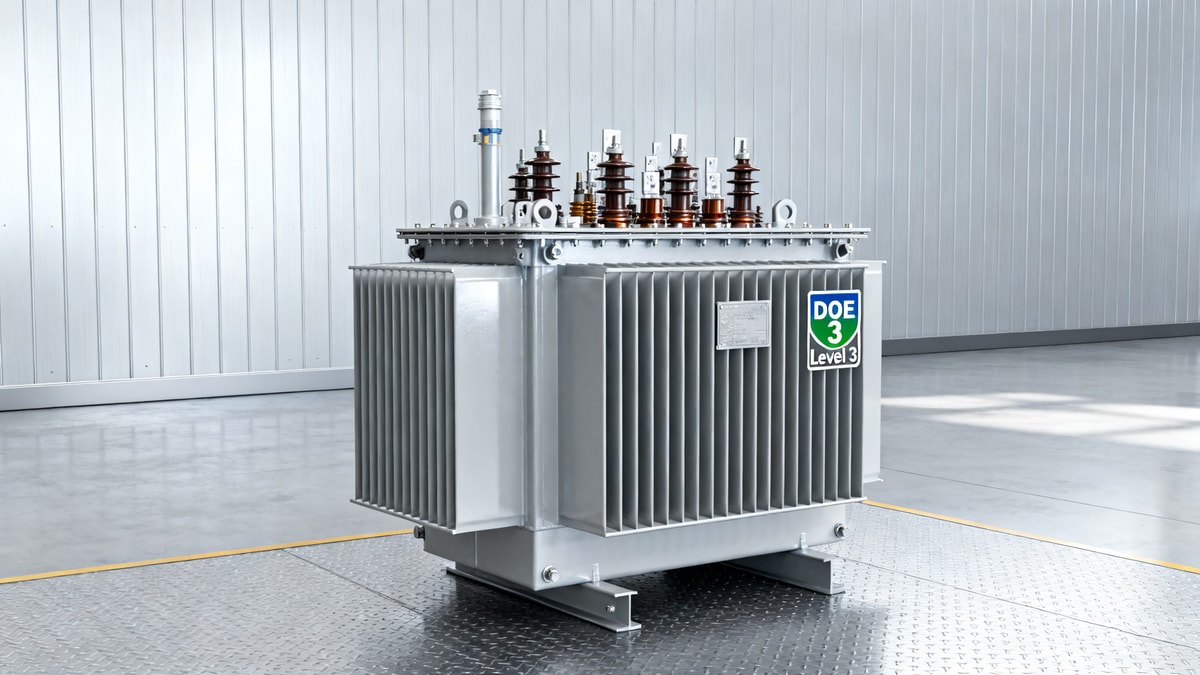
The fastest shifts are often happening where electrical safety, energy efficiency, interoperability, and resilience overlap. This includes switchgear, transformers, power distribution assemblies, monitoring devices, cable systems, protection relays, and control hardware integrated into smart infrastructure. For an Electrical & Power manufacturer, the challenge is no longer whether standards will change, but whether internal engineering, sourcing, testing, and compliance teams can respond before channel partners feel the impact.
Which standards changes matter most to distributors, dealers, and industrial agents?
Not every update has the same commercial weight. Channel partners should focus on the changes that directly affect resale viability, project qualification, and lifecycle support. In practice, five categories deserve immediate attention when evaluating any Electrical & Power manufacturer.
- Safety certification changes: Updates to UL, CE, IEC, or national electrical codes can alter where and how a product can be sold.
- Performance and efficiency requirements: New benchmarks may affect transformers, drives, power supplies, and energy management systems.
- Material and environmental compliance: Restrictions on hazardous substances, recyclability expectations, and sustainability declarations are becoming procurement checkpoints.
- Interoperability and digital communication: Grid-connected and monitored devices increasingly need to work within connected industrial ecosystems.
- Documentation and traceability: Buyers now expect test reports, declarations of conformity, serial traceability, and revision control to be audit-ready.
For channel businesses, the key issue is not simply whether a manufacturer holds certifications today. It is whether that manufacturer has a repeatable system to maintain compliance across product lines, variants, and destination markets. A certificate that cannot be refreshed quickly becomes a sales bottleneck.
How can you tell if an Electrical & Power manufacturer is truly ready for fast standards shifts?
A strong supplier will show readiness through process maturity, not marketing claims. Distributors often overvalue brand familiarity and undervalue compliance operations. In a fast-moving environment, the most dependable Electrical & Power manufacturer is usually the one that can prove disciplined control over engineering changes, supplier qualification, documentation, and retesting cycles.
Start by asking how standards updates are monitored. Serious manufacturers usually maintain internal compliance teams or work with accredited testing partners that track regulatory developments by region. Next, examine their engineering change management. If a cable insulation material, breaker component, enclosure coating, or PCB layout changes, can they explain whether recertification is required? If the answer is vague, channel risk rises quickly.
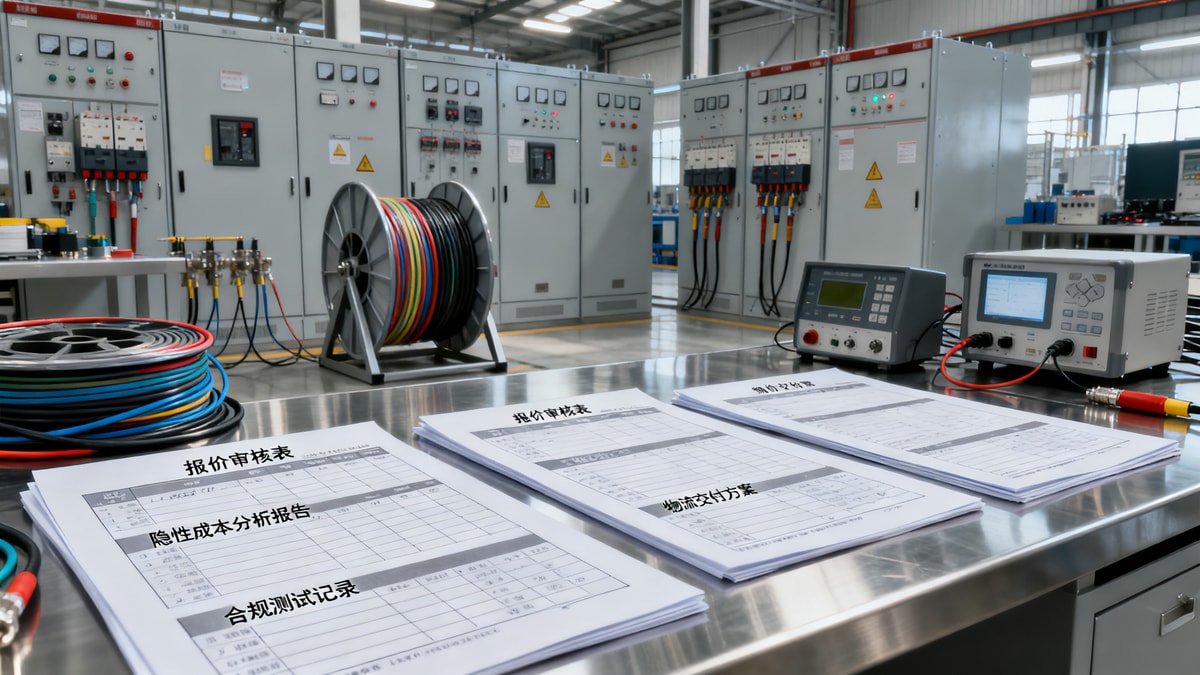
Another signal is document quality. A prepared Electrical & Power manufacturer should be able to provide clear declarations of conformity, current test reports, revision histories, installation guidance, and market-specific compliance files without delays. Fast response is not just a service benefit; it is evidence that compliance is integrated into operations.
Quick evaluation table for channel partners
Use the checklist below when screening manufacturers for long-term distribution or agency relationships.
What are the biggest risks if a manufacturer adapts too slowly?
Slow adaptation creates more than technical inconvenience. It can damage channel economics. For distributors, one of the first consequences is inventory exposure. Stock that was compliant when ordered may become harder to place if standards evolve or customer specifications tighten. The problem is especially serious in project-based sectors where approval lists, consultant specifications, and utility requirements are updated mid-cycle.
Another risk is quote instability. If an Electrical & Power manufacturer must redesign a product, switch materials, or repeat testing, lead times can extend and prices can move unexpectedly. That weakens dealer credibility with contractors and industrial end users. In complex bids, missing one certificate or one tested configuration can eliminate an otherwise competitive offer.
There is also reputational risk. Agents and resellers are increasingly expected to understand what they sell. If a partner repeatedly introduces products that face approval delays, document inconsistencies, or installation disputes, buyers may begin to question the reliability of the entire portfolio. In a market where industrial procurement teams value predictability, compliance failure can be more damaging than a higher unit price.
Finally, after-sales obligations become harder to manage. Replacement components, retrofits, and warranty support may require updated parts that align with current requirements. A lagging Electrical & Power manufacturer may keep shipping legacy configurations, leaving channel partners to handle field frustration and technical clarification.
Are larger manufacturers always better at handling standards transitions?
Not always. Larger companies often have stronger testing budgets, wider regulatory coverage, and more structured compliance teams. That can be a major advantage, especially for multinational projects. However, size does not automatically mean speed. Some large manufacturers have slower change approval cycles, more legacy product complexity, and longer internal coordination paths.
A smaller or mid-sized Electrical & Power manufacturer can sometimes adapt faster because decision-making is tighter and engineering teams are closer to production. If the company has disciplined quality systems, reliable component sourcing, and strong external certification partnerships, it may outperform a larger rival in niche categories or fast-evolving export segments.
The better question for channel partners is not “How big is the manufacturer?” but “How fast and how consistently can this manufacturer translate standards change into approved, documented, deliverable products?” Responsiveness, evidence, and repeatability matter more than scale alone.
What mistakes do distributors make when selecting an Electrical & Power manufacturer?
One common mistake is relying too heavily on price without evaluating certification sustainability. Low-cost sourcing may look attractive until new compliance requirements trigger rework, shipment delays, relabeling costs, or end-customer rejection. Another mistake is assuming that one certificate covers all model variants or all destination markets. In practice, scope details matter. Ratings, accessories, enclosure options, and regional wiring differences can affect compliance status.
A third mistake is ignoring supply chain transparency. Standards readiness depends not only on final assembly, but also on controlled sourcing of critical components, insulation materials, metals, coatings, and electronic subassemblies. If the manufacturer cannot explain supplier qualification and substitution controls, future compliance drift is likely.
Distributors also sometimes underestimate the sales value of technical support. A capable Electrical & Power manufacturer equips channel partners with approval documents, application guidance, and specification support that shorten sales cycles. Weak technical backing can turn routine bids into risky manual effort, especially in industrial, infrastructure, and utility-linked projects.
How should channel partners compare manufacturers in a market shaped by constant standards updates?
The best comparison method is to move beyond catalog features and build a readiness scorecard. Compare each Electrical & Power manufacturer across five dimensions: certification coverage, update responsiveness, documentation quality, engineering flexibility, and post-sale support. This creates a clearer view of long-term channel value than comparing unit price alone.
It is also useful to segment manufacturers by market role. Some are ideal for mature domestic channels where standards are stable and product familiarity is high. Others are better suited for export growth, regulated infrastructure projects, renewable integration, or smart facility upgrades where compliance complexity is rising. The right choice depends on your customer mix, bid intensity, and service model.
When possible, test the relationship with a limited product group before broad portfolio expansion. Review how quickly the manufacturer answers technical questions, supplies revised documents, handles variant requests, and responds to compliance clarifications. In many cases, operational behavior during pre-sales evaluation tells you more than branding materials ever will.
What should you confirm before starting cooperation or expanding a product line?
Before signing distribution terms or adding new SKUs, ask a focused set of questions. Confirm which certifications apply to which exact models. Request the latest test records and declaration formats used for your target markets. Clarify whether the Electrical & Power manufacturer has active plans for standards monitoring and whether product updates are communicated proactively.
You should also confirm lead times for recertification-related changes, spare parts continuity, and the process for handling component substitutions. If your customers include EPC firms, utilities, panel builders, or industrial facility managers, ask whether project documents can be tailored for tender packages, inspections, and commissioning support. These details directly affect bid success and service burden.
In today’s environment, the most resilient channel partnerships are built with manufacturers that treat standards change as a core business function rather than a reactive compliance task. For any distributor, dealer, or agent evaluating an Electrical & Power manufacturer, the real priority is simple: verify not only what the supplier is certified for now, but how reliably it can stay ready for what comes next. If you need to confirm product direction, certification scope, rollout timing, pricing implications, or cooperation terms, start the conversation with those questions first.
Technical Specifications
- Hidden Environment & Ecology cost after project approvalAuthor :Environmental Engineering Director
- When does an Environment & Ecology impact assessment need updating?Author :Environmental Engineering Director
- Security & Safety standards that affect product approval speedAuthor :Safety Compliance Lead
Expert Insights

Chief Security Architect
Dr. Thorne specializes in the intersection of structural engineering and digital resilience. He has advised three G7 governments on industrial infrastructure security.
Related Analysis
- May 07, 2026Hidden Environment & Ecology cost after project approvalAuthor :Environmental Engineering Director
- May 07, 2026When does an Environment & Ecology impact assessment need updating?Author :Environmental Engineering Director
- May 07, 2026Security & Safety standards that affect product approval speedAuthor :Safety Compliance Lead
Core Sector // 01
Security & Safety
- How to read an Electrical & Power quotation without missing extrasAuthor :Grid Infrastructure Analyst

- Electrical & Power manufacturers facing the fastest standards shiftAuthor :Grid Infrastructure Analyst

- How to shortlist EPC contractors for renewable energy projectsAuthor :Grid Infrastructure Analyst

- Engineering procurement best practices for avoiding late-stage delaysAuthor :Grid Infrastructure Analyst

- US DOE Level 3 Transformer Efficiency Rule Takes Effect July 1, 2026Author :Grid Infrastructure Analyst

- US DOE Level 3 Transformer Efficiency Rule Takes Effect July 1, 2026Author :Grid Infrastructure Analyst

- SASO Mandates Dual Energy Label for Industrial Transformers in Saudi Arabia from May 2026Author :Grid Infrastructure Analyst

- US DOE Level 3 Transformer Efficiency Standard Effective July 1, 2026Author :Grid Infrastructure Analyst