US DOE Level 3 Transformer Efficiency Rule Takes Effect July 1, 2026
Author
Date Published
Reading Time
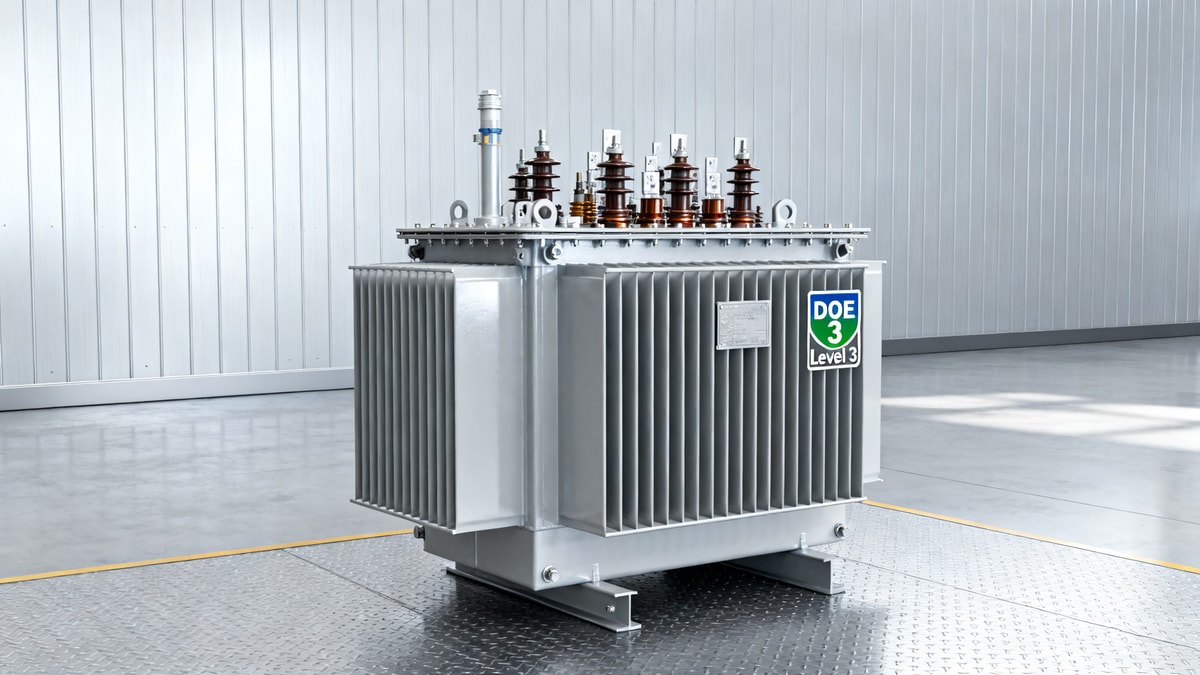
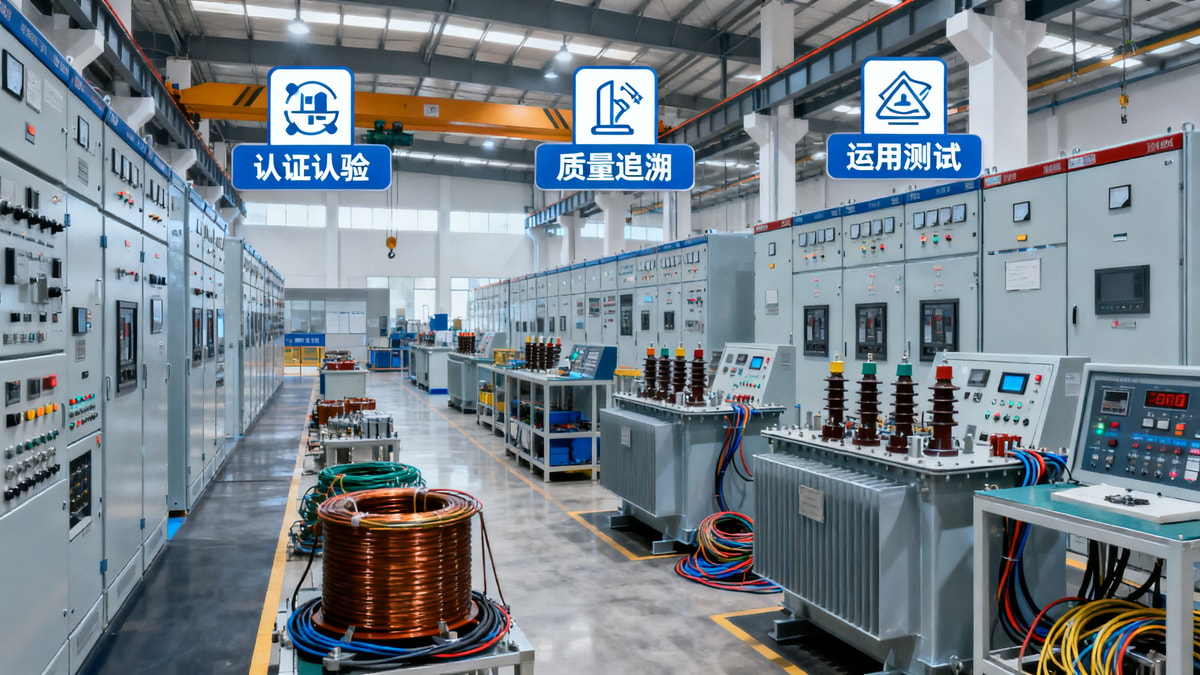
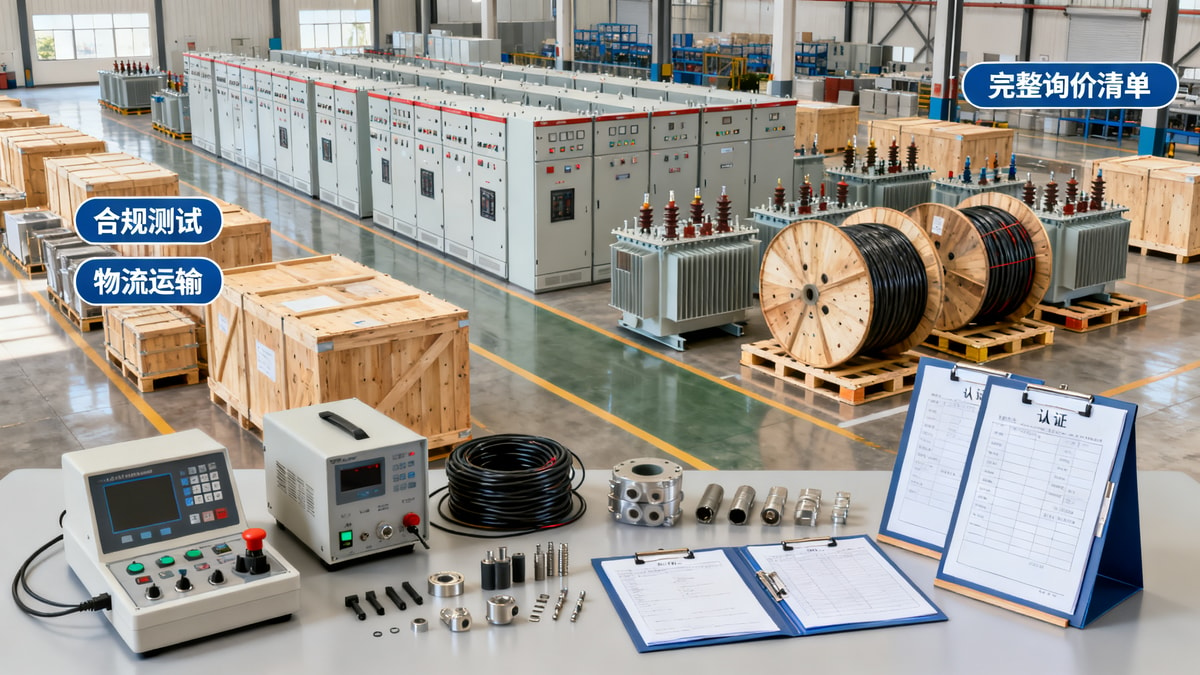
Starting July 1, 2026, the U.S. Department of Energy (DOE) Level 3 energy efficiency standard for industrial dry-type and liquid-immersed transformers will become mandatory for all models entering the U.S. market. This requirement directly impacts Chinese transformer manufacturers exporting to the United States, particularly those supplying industrial power infrastructure, renewable energy integration systems, and commercial building electrical systems — sectors where compliance timing and certification readiness are now critical operational factors.
Event Overview
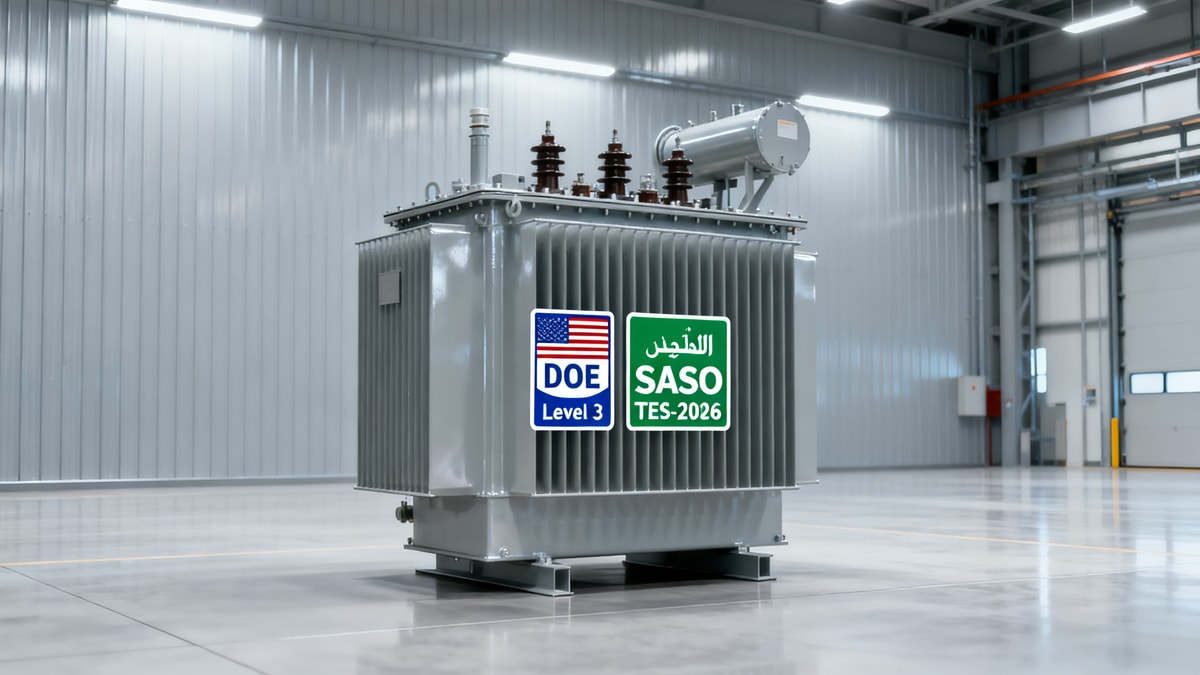
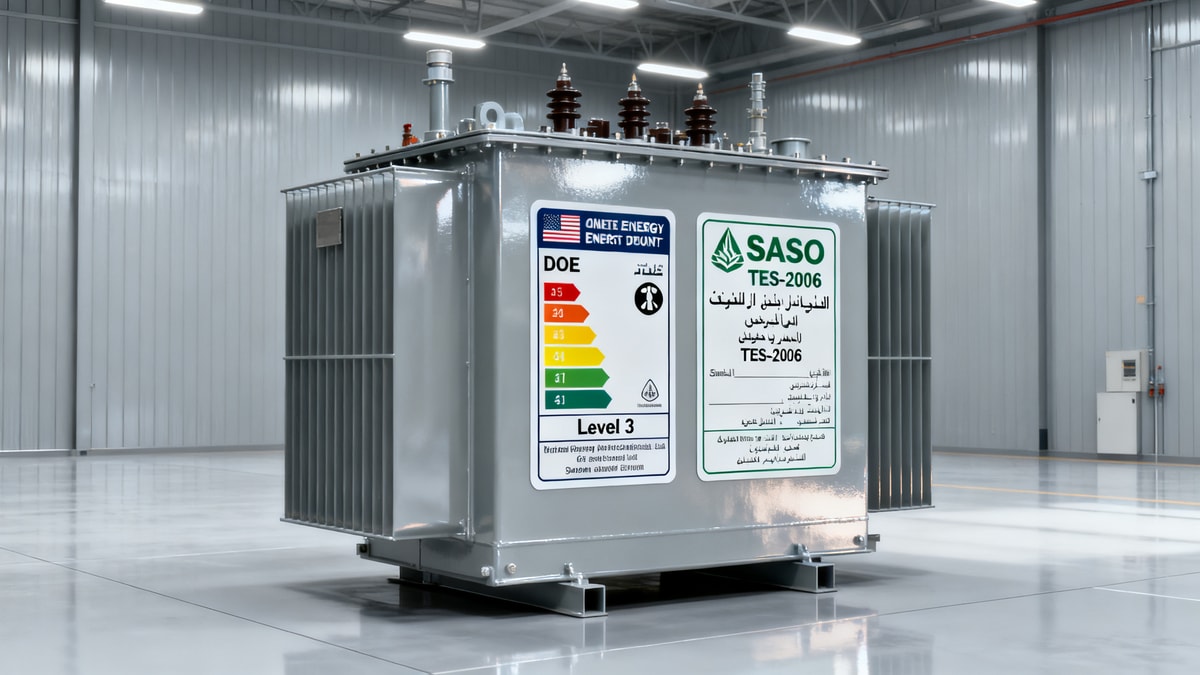
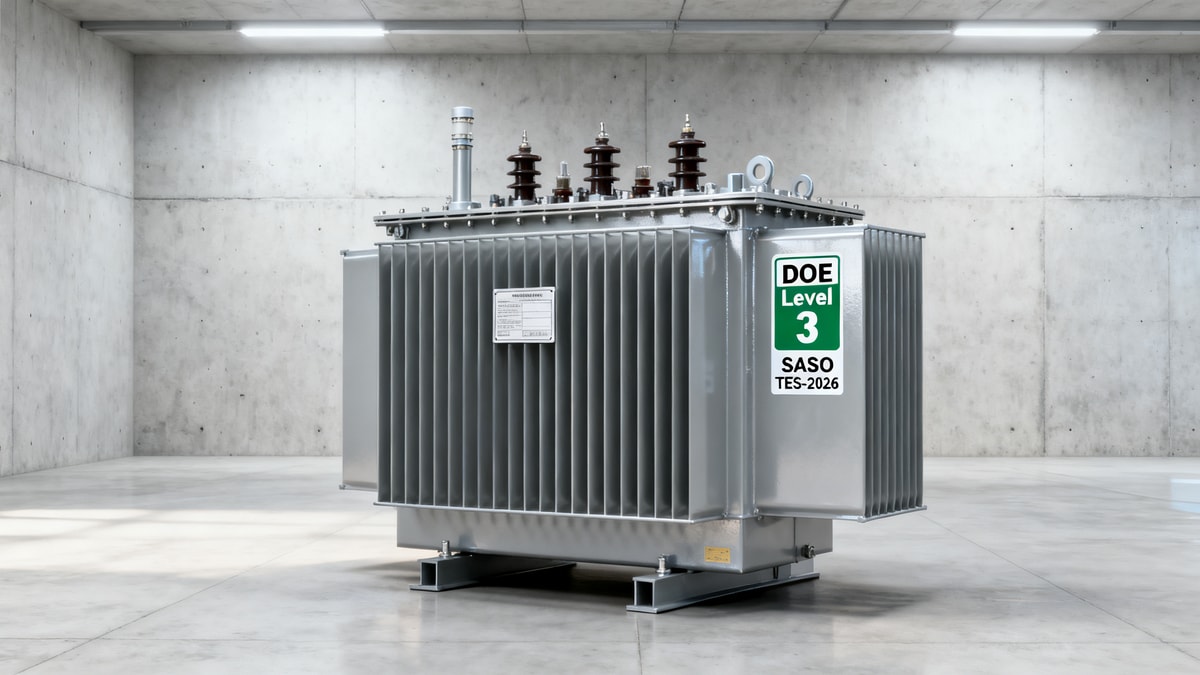
The U.S. Department of Energy has confirmed that its Level 3 energy efficiency standard for industrial dry-type and liquid-immersed transformers will enter into full force on July 1, 2026. As of that date, all transformer models imported into the U.S. must meet both the DOE Level 3 requirements and the Saudi Arabian Standards Organization (SASO) TES-2026 labeling requirements simultaneously. Products failing to complete third-party testing and label registration in advance will be denied entry by U.S. Customs and Border Protection (CBP). Independent testing laboratories—including UL and Intertek—currently report certification scheduling delays of up to eight weeks.
Industries Affected by Segment
Direct Exporters (U.S.-bound transformer manufacturers)
Chinese manufacturers exporting dry-type or oil-immersed transformers to the U.S. face immediate compliance pressure. The dual-label mandate means product lines must pass two distinct regulatory verification pathways before shipment — increasing time-to-market risk and requiring updated technical documentation, test reports, and labeling files for each model variant.
Contract Manufacturers & OEMs
Firms producing transformers under private labels or OEM agreements for U.S.-based brands must align with their clients’ compliance timelines. Since final labeling and CBP clearance responsibility rests with the importer of record, OEM partners may face contractual liability if certification delays trigger delivery shortfalls or customs rejections.
Testing & Certification Service Providers
Third-party labs and certification bodies serving Chinese exporters are experiencing capacity constraints: current lead times for DOE Level 3 + SASO TES-2026 joint assessments have extended to eight weeks. This bottleneck affects not only scheduling but also sample submission planning, revision cycles, and post-test labeling coordination.
Supply Chain & Logistics Operators
Cargo forwarders and customs brokers handling transformer shipments must verify valid DOE Level 3 test reports and SASO-compliant labels prior to U.S. entry. Absence of either document triggers automatic hold or refusal at port — introducing new pre-clearance checkpoints and documentation review steps for air and ocean freight operations.
Key Priorities and Recommended Actions for Stakeholders
Monitor official DOE and SASO implementation guidance
While the July 1, 2026 effective date is confirmed, detailed enforcement protocols — including acceptable test methodologies, label format specifications, and transitional provisions for existing inventory — remain subject to further notice. Stakeholders should subscribe to updates from DOE’s Appliance and Equipment Standards Program and SASO’s Technical Regulation Portal.
Confirm model-level certification status ahead of production planning
Given eight-week lab backlogs, manufacturers should prioritize DOE Level 3 + SASO TES-2026 testing for high-volume or long-lead-time models first. Batch-level certification is not permitted; each discrete model number requires individual validation and label registration.
Distinguish between policy signal and operational reality
The rule’s effective date is fixed, but actual enforcement rigor — such as frequency of CBP label audits or sampling for retesting — is not yet publicly defined. Analysis shows early enforcement may focus on high-value shipments or repeat importers with prior noncompliance records, rather than blanket inspection of all entries.
Adjust procurement and documentation workflows now
Manufacturers should revise internal quality checklists to include DOE Level 3 efficiency data verification and SASO TES-2026 label file generation as mandatory pre-shipment steps. Coordination with logistics partners on updated commercial invoice and packing list fields — specifically for DOE certification ID and SASO registration number — should begin no later than Q4 2025.
Editorial Perspective / Industry Observation
Observably, this regulation functions less as a sudden compliance shock and more as a formalized milestone in an ongoing global tightening of transformer efficiency requirements. It consolidates prior voluntary programs and aligns U.S. standards more closely with international benchmarks like IEC 60076-20. From an industry perspective, the dual-label requirement reflects growing cross-jurisdictional harmonization pressure — where one market’s regulatory upgrade increasingly triggers cascading certification needs across export destinations. Current lead times at major labs suggest the policy is already shaping near-term capacity allocation, not just future product design.
Analysis shows that while the July 2026 deadline is firm, the broader implication lies in how it accelerates structural shifts: toward standardized efficiency reporting, integrated testing workflows, and earlier engagement between engineering, compliance, and logistics teams. It is better understood as a procedural inflection point — not merely a regulatory checkbox.
Consequently, the rule signals a shift from reactive compliance to embedded regulatory intelligence within export-oriented manufacturing operations.
Conclusion
This update marks a binding step in the regulatory maturation of energy-efficient transformer trade between China and the U.S. Its significance lies not in novelty — DOE efficiency tiers have evolved incrementally since 2016 — but in the hardening of enforcement conditions and the explicit coupling with a second jurisdiction’s labeling regime. For affected stakeholders, the most rational interpretation is that July 2026 represents a firm operational deadline, not a distant policy horizon. Preparedness now centers on sequencing certification activities, validating label formats, and integrating compliance checks into existing production and shipping workflows — not on awaiting further clarification.
Information Sources
Main source: U.S. Department of Energy (DOE) Appliance and Equipment Standards Program public notice, confirmed effective date of July 1, 2026 for Level 3 transformer standards. SASO TES-2026 regulation referenced per publicly available draft technical regulation issued by the Saudi Arabian Standards Organization. Third-party lab lead times cited from current service advisories published by UL and Intertek as of Q2 2025. Areas requiring continued observation include official DOE/SASO joint guidance documents and CBP enforcement implementation notices — neither of which have been released as of publication date.
Technical Specifications
- Global Industrial Air Filter Lead Times Extend to 24 WeeksAuthor :Environmental Engineering Director
- UL 62841-2-11:2026 Effective: AI Overload Prediction Required for Industrial ACBsAuthor :Grid Infrastructure Analyst
- Indonesia BPOM Fast-Tracks Chinese Dust PurifiersAuthor :Environmental Engineering Director
Expert Insights

Chief Security Architect
Dr. Thorne specializes in the intersection of structural engineering and digital resilience. He has advised three G7 governments on industrial infrastructure security.
Related Analysis
- May 07, 2026Global Industrial Air Filter Lead Times Extend to 24 WeeksAuthor :Environmental Engineering Director
- May 07, 2026UL 62841-2-11:2026 Effective: AI Overload Prediction Required for Industrial ACBsAuthor :Grid Infrastructure Analyst
- May 07, 2026Indonesia BPOM Fast-Tracks Chinese Dust PurifiersAuthor :Environmental Engineering Director
Core Sector // 01
Security & Safety
- US DOE Level 3 Transformer Efficiency Rule Takes Effect July 1, 2026Author :Grid Infrastructure Analyst

- SASO Mandates Dual Energy Label for Industrial Transformers in Saudi Arabia from May 2026Author :Grid Infrastructure Analyst

- US DOE Level 3 Transformer Efficiency Standard Effective July 1, 2026Author :Grid Infrastructure Analyst

- SASO Mandates Dual Energy Labels for Industrial Transformers in Saudi Arabia from May 2026Author :Grid Infrastructure Analyst

- US DOE Level 3 Transformer Efficiency Rule Takes Effect July 1, 2026Author :Grid Infrastructure Analyst

- How to assess an Electrical & Power manufacturer beyond catalog claimsAuthor :Grid Infrastructure Analyst

- How to request an Electrical & Power quotation without missing costsAuthor :Grid Infrastructure Analyst

- What to check before hiring EPC contractors for power plantsAuthor :Grid Infrastructure Analyst