Preventing belt slip in mechanical engineering
Author
Date Published
Reading Time
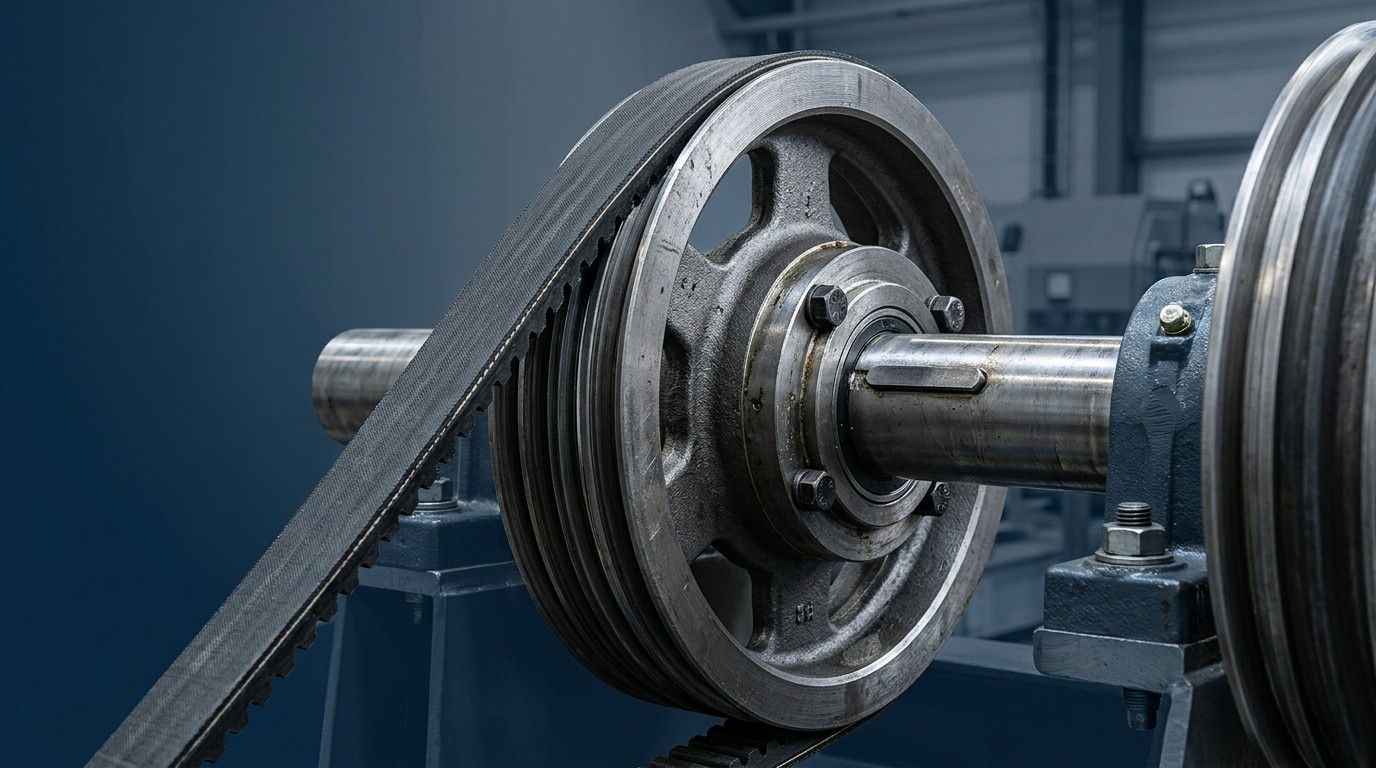
In the complex landscape of mechanical engineering, preventing belt slip is a critical priority for ensuring operational continuity and electrical safety. For professionals in facility management and project managers overseeing power distribution, mechanical failures can lead to significant downtime and safety risks. Adhering to rigorous industrial standards is essential across disciplines, from metallurgical engineering to environmental engineering. This guide provides mission-critical insights for technical evaluators and decision-makers on optimizing transmission systems and selecting the right safety equipment. By prioritizing precision within your Electrical & Power infrastructure, you uphold the highest levels of Security & Safety, ensuring your industrial facility remains resilient, efficient, and compliant with global engineering benchmarks.
The Fundamental Mechanics of Belt Slippage in Heavy Industry
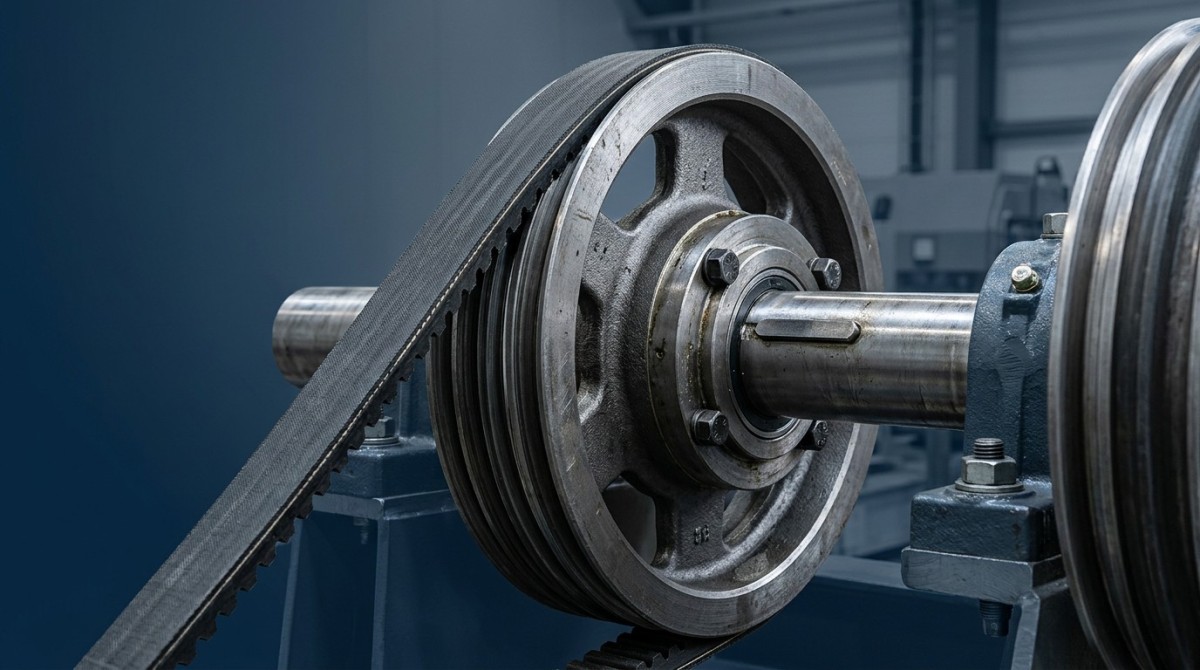
Belt slip occurs when the frictional force between a drive pulley and a transmission belt is insufficient to overcome the resistance of the driven load. In heavy mechanical engineering, this phenomenon is not merely a minor inefficiency; it represents a systemic failure that converts kinetic energy into destructive thermal energy. When a belt slides across the pulley surface, the resulting friction generates localized heat that can exceed the material's thermal threshold within seconds. This rapid temperature spike compromises the elastomer's molecular structure, leading to "glazing," a process where the belt surface hardens and loses its coefficient of friction, further exacerbating the slipping cycle and potentially leading to catastrophic component failure.
From a technical evaluation standpoint, understanding the difference between "creep" and "slip" is paramount for maintenance teams. Creep is a natural, microscopic movement of the belt as it stretches and contracts while passing over pulleys, typically accounting for less than 0.5% of the drive's total velocity. Slip, however, is a macro-mechanical failure where the belt's speed deviates significantly from the pulley's peripheral speed. For project managers, this translates into lost throughput and increased energy consumption. In high-power applications, such as those found in metallurgical processing or large-scale HVAC systems, even a 2% slip rate can result in thousands of dollars in wasted electricity and premature hardware replacement annually.
Safety managers must also recognize that belt slip is a primary precursor to industrial fire hazards. The heat generated by a slipping belt in a confined mechanical room or near flammable materials can ignite dust, lubricants, or the belt material itself. In environments governed by strict Security & Safety protocols, preventing slip is a mandatory compliance requirement. Modern engineering audits often utilize thermal imaging to detect "hot spots" on pulley interfaces, identifying slip before it manifests as audible noise or visible smoke. Ensuring that all mechanical components are operating within their specified friction parameters is a cornerstone of maintaining a resilient and safe industrial infrastructure.
Addressing the root causes of slip requires a multi-faceted approach involving precision tensioning, environmental control, and correct material selection. For decision-makers, the goal is to shift from reactive maintenance—replacing belts after they fail—to a proactive engineering strategy that optimizes the entire drive system. By implementing rigorous procurement standards that demand high-friction coatings and precision-machined pulleys, enterprises can significantly reduce the risk of unplanned downtime. This strategic focus on mechanical integrity ensures that the foundational systems powering global industry remain stable under the most demanding operational conditions.
Critical Technical Parameters for Slip Prevention
To effectively mitigate belt slip, engineers must analyze the interaction between the belt and the pulley using the Euler-Eytelwein formula. This relationship demonstrates that the power transmission capacity is exponentially related to the coefficient of friction and the angle of wrap. In practical industrial applications, a minimum wrap angle of 180 degrees is often targeted to ensure sufficient contact area. When layout constraints limit the wrap angle to less than 150 degrees, technical evaluators must specify idler pulleys or high-performance materials to compensate for the reduced contact surface, ensuring the system can handle peak torque without slippage.
Tensioning is the most influential variable under the operator's control. A belt that is under-tensioned will lack the normal force required to maintain grip, while an over-tensioned belt will cause excessive wear on bearings and shafts, leading to premature mechanical failure. For standard V-belt systems, a typical tensioning target involves a deflection of approximately 1/64th of an inch per inch of span length when a specific force is applied. Maintenance personnel should utilize sonic tension meters, which measure the vibration frequency of the belt span, to achieve a precision of ±5% of the target tension, ensuring consistency across all drive units within a facility.
The following table outlines the key technical parameters that procurement and engineering teams must consider when evaluating drive system stability:
This data underscores the importance of precise calibration. For instance, an alignment deviation exceeding 0.5mm can induce uneven load distribution across the belt width, causing one edge to slip while the other overstretches. This not only reduces the life of the belt by up to 50% but also creates harmonic vibrations that can damage sensitive instruments and measurement tools nearby. In the context of Global Industrial Core's mission, these micron-level details are what separate resilient infrastructure from systems prone to frequent outages. Decision-makers must ensure their technical teams have the training and equipment to monitor these parameters during every maintenance cycle.
Material Selection and Environmental Hardening
The environment in which a mechanical system operates is often the primary driver of belt slip. In industries such as environmental engineering or chemical processing, belts are frequently exposed to moisture, oils, and particulate matter. Oil contamination is particularly detrimental, as it acts as a lubricant that drastically lowers the coefficient of friction. For such scenarios, procurement directors should prioritize belts made from Ethylene Propylene Diene Monomer (EPDM) rather than standard chloroprene. EPDM offers superior resistance to heat, ozone, and weather, maintaining its grip and structural integrity over a much wider temperature range, typically from -40°C to +150°C in specialized configurations.
Furthermore, the physical profile of the belt plays a vital role in traction. Synchronous (toothed) belts are often preferred in mission-critical applications where zero slip is required, such as in timing mechanisms or precise metrology equipment. Unlike friction-based V-belts, synchronous belts rely on mechanical engagement between the belt teeth and pulley grooves. However, for high-torque startups found in heavy electrical and power grid applications, high-performance V-belts with "notched" profiles can provide better flexibility and heat dissipation, allowing for higher power density without the risk of slip-induced glazing.
When selecting materials for harsh industrial environments, technical evaluators should use the following comparison to guide their strategic sourcing:
This comparison highlights that there is no "one-size-fits-all" solution for preventing belt slip. A business evaluator must weigh the higher upfront cost of PU or EPDM against the long-term savings in maintenance and the reduction in downtime risk. In large-scale EPC projects, where the cost of a single hour of downtime can reach tens of thousands of dollars, investing in chemically resistant and thermally stable belt materials is a fiscally responsible decision. By aligning material specifications with the specific environmental stressors of the facility, engineering teams can ensure long-term operational resilience.
Beyond the polymer itself, the tensile cord material (e.g., polyester, aramid, or carbon fiber) determines the belt's resistance to stretching over time. Aramid cords, for example, exhibit significantly less elongation than polyester, meaning they maintain their preset tension longer and require fewer adjustments. For project managers overseeing remote installations where frequent maintenance is logistically challenging, selecting low-stretch aramid-reinforced belts is a key strategy for maintaining "set-and-forget" reliability in critical power transmission paths.
Strategic Maintenance Protocols for Engineering Teams
To achieve maximum uptime, maintenance protocols must evolve from reactive fixes to a structured 4-step implementation flow. This systematic approach ensures that every variable contributing to belt slip is monitored and controlled. The first stage involves a comprehensive inspection of the pulley grooves using precision gauges. Over time, the abrasive action of dust and the belt itself can wear down the pulley sidewalls, creating a "bottoming out" effect where the belt rests on the pulley's base rather than the sides. This leads to a total loss of wedging action and inevitable slip, regardless of the tension applied. Pulleys should be replaced if more than 0.8mm of wear is detected on the sidewall surface.
The second stage is the implementation of laser alignment tools. Traditional string or straight-edge methods are often insufficient for the high-speed drives found in modern electrical grids. Laser alignment provides real-time feedback on angular and parallel misalignment, allowing technicians to achieve tolerances within ±0.25 degrees. Proper alignment ensures that the belt enters and exits the pulley grooves cleanly, preventing the lateral scrubbing that generates heat and reduces friction. This precision is vital for high-efficiency systems where every fraction of a percent in transmission efficiency counts toward overall sustainability goals.
The third and fourth stages focus on environment and tension monitoring. Establishing a clean environment is critical; even a thin layer of sawdust or metallic grit can act as a lubricant or an abrasive. Automated tensioning systems, such as spring-loaded motor bases, can provide a consistent force throughout the life of the belt, automatically compensating for initial "run-in" stretch. For manually tensioned drives, a mandatory 24-hour retensioning check after a new belt installation is a vital procedural step that prevents the most common cause of early-life slip. These steps form a robust framework for operational safety and mechanical reliability.
- Visual Audit: Inspect for glazing, cracks, or "pilling" of the belt material every 3 months.
- Pulley Gauging: Measure groove wear using calibrated V-profile templates to ensure proper wedging.
- Thermal Mapping: Use infrared cameras to detect temperature deltas of >15°C between the belt and ambient air.
- Sonic Tensioning: Utilize frequency-based measurement to confirm tension within ±5% of engineering specs.
- Contaminant Control: Ensure drive guards are properly sealed to prevent oil or water ingress.
FAQ: Technical Clarifications for Decision Makers
Should I use belt dressing to stop a belt from slipping?
In professional mechanical engineering, the use of "belt dressing" is generally discouraged for modern V-belts. While these sprays provide a temporary increase in "tackiness," they often contain chemicals that can soften the belt's polymer, leading to accelerated wear and attracting abrasive dust. Furthermore, the sticky residue can hide the actual symptoms of a mechanical problem, such as worn pulleys or incorrect tension. Instead of using dressings, the engineering team should identify the root cause—be it environmental contamination or mechanical wear—and address it through proper cleaning or component replacement.
How often should belts be replaced in a heavy-duty environment?
The replacement interval depends heavily on the operating hours and load conditions. Typically, a high-quality industrial belt in a well-maintained drive system should last between 3 to 5 years (approximately 25,000 hours of operation). However, in extreme environments such as mining or metallurgical plants, where temperatures exceed 60°C or abrasive dust is present, this interval can drop to 12–18 months. Relying on a fixed schedule can be risky; instead, use a condition-based approach, replacing components whenever wear gauges indicate more than 10% deviation from original profiles.
What are the primary safety risks associated with belt slip?
The most immediate safety risk is fire. A slipping belt can quickly reach the auto-ignition temperature of industrial materials. Additionally, slip-induced heat can cause belts to snap unexpectedly, potentially damaging the drive guard or injuring personnel in the vicinity. In systems powering ventilation or cooling for critical infrastructure, belt slip can lead to systemic overheating and secondary failures of more expensive assets like transformers or heavy motors. From a Security & Safety perspective, ensuring belt integrity is a foundational requirement for risk mitigation in any heavy industrial facility.
Conclusion: Partnering with Global Industrial Core for Mechanical Excellence
Preventing belt slip is an exercise in engineering precision and strategic procurement. By moving beyond basic unit economics and focusing on the total cost of ownership, facility managers and EPC contractors can build systems that are not only efficient but also inherently safe. The integration of high-performance materials, rigorous maintenance standards, and precise technical calibration forms a triad of defense against the risks of mechanical failure. At Global Industrial Core (GIC), we understand that the strength of a global supply chain is built on the reliability of its smallest components—down to the micron of a pulley groove or the friction of a V-belt.
Our elite B2B intelligence hub provides the mission-critical insights required to navigate the complexities of modern industrial infrastructure. Whether you are conducting technical evaluations for a new power grid installation or optimizing the maintenance cycle of a metallurgical plant, GIC connects you with the data-driven expertise needed to dominate the global infrastructural supply chain. Our commitment to E-E-A-T principles ensures that every piece of guidance we provide is backed by verified engineering standards and real-world industrial experience.
For technical evaluators, project managers, and enterprise decision-makers looking to enhance their operational resilience, now is the time to act. Don't let preventable mechanical failures compromise your safety or productivity. Contact the experts at Global Industrial Core today to discuss your specific infrastructure needs. We provide comprehensive support for:
• Detailed product selection and technical parameter verification to ensure compatibility with extreme environments.
• Guidance on international safety certification (CE, UL, ISO) compliance for power transmission components.
• Custom procurement strategies for high-torque and mission-critical mechanical systems.
• Access to engineering whitepapers and real-world case studies on large-scale infrastructural optimization.
Reach out to our strategic sourcing team to elevate your technical standards and secure your operational future. Together, we can architect the foundation of a more resilient global industry.
Technical Specifications
Expert Insights

Chief Security Architect
Dr. Thorne specializes in the intersection of structural engineering and digital resilience. He has advised three G7 governments on industrial infrastructure security.
Related Analysis
- Apr 25, 2026China Launches World's Largest Agri-Meteorological Observation NetworkAuthor :Precision Metrology Expert
- Apr 25, 2026Binggang Group & AHUT Advance Steel Slag Valorization TechAuthor :Heavy Industry Strategist
- Apr 25, 2026China Leads First ISO Standard for Zero-Carbon CitiesAuthor :Environmental Engineering Director
Core Sector // 01
Security & Safety
- Preventing belt slip in mechanical engineeringAuthor :Heavy Industry Strategist

- Ball Screws Manufacturer Selection Gets Harder in 2026Author :Heavy Industry Strategist

- Heat sink aluminum profile: Does anodizing reduce thermal conductivity?Author :Heavy Industry Strategist

- T-slot aluminum framing: What slot tolerance causes misalignment in modular assembly?Author :Heavy Industry Strategist

- Pneumatic actuator valves: What supply pressure drop kills response time?Author :Heavy Industry Strategist

- Hydraulic hoses bulk: Why SAE 100R15 isn’t always better than 100R16 for pulse fatigueAuthor :Heavy Industry Strategist

- Piston pumps wholesale: What oil viscosity range avoids cavitation at startup?Author :Heavy Industry Strategist

- Hydraulic gear pumps: How shaft runout tolerance impacts bearing wear in 2026 modelsAuthor :Heavy Industry Strategist