How heavy industry machinery manufacturers are adapting to lead times
Author
Date Published
Reading Time
As supply chains remain volatile and project schedules tighten, heavy industry machinery manufacturers are rethinking how they manage lead times to stay competitive. From localized sourcing and modular design to digital forecasting and supplier diversification, the sector is shifting from reactive procurement to strategic resilience. For business decision-makers, understanding these adaptations is essential to reducing risk, controlling costs, and securing long-term operational continuity.
Why lead-time strategy now varies by business scenario
For enterprise buyers, EPC contractors, plant operators, and procurement leaders, lead time is no longer a simple vendor KPI. It has become a scenario-dependent risk variable. Heavy industry machinery manufacturers serve very different project environments: greenfield industrial builds, brownfield retrofits, emergency replacement programs, regulated utility upgrades, and export-driven infrastructure packages. Each setting changes what “acceptable lead time” actually means.
This matters because the same supplier may perform well in one context and fail in another. A manufacturer optimized for large-batch, long-horizon orders may be ideal for planned capacity expansion but unsuitable for outage recovery. Likewise, a company with premium inventory buffers may support urgent mining or power applications, yet price itself out of standard procurement cycles. The key for decision-makers is not asking whether heavy industry machinery manufacturers are adapting, but how their adaptation aligns with the operating scenario.
In today’s market, successful heavy industry machinery manufacturers are redesigning sourcing models, product architectures, and supplier networks around use-case realities. That shift creates both opportunity and complexity for buyers who must compare partners not only on price and technical capability, but also on resilience, compliance, and delivery predictability.
Where lead-time pressure shows up most in industrial operations
Lead-time pressure tends to be highest where shutdown costs are large, compliance windows are fixed, or commissioning sequences are tightly interdependent. For business decision-makers, understanding these environments helps clarify which adaptation strategies from heavy industry machinery manufacturers are most valuable.
Scenario comparison for procurement and operations teams
This comparison shows why heavy industry machinery manufacturers increasingly segment their operations. Rather than offering one uniform lead-time model, the strongest suppliers now build differentiated pathways for standard production, urgent projects, engineered-to-order systems, and compliance-heavy deliveries.
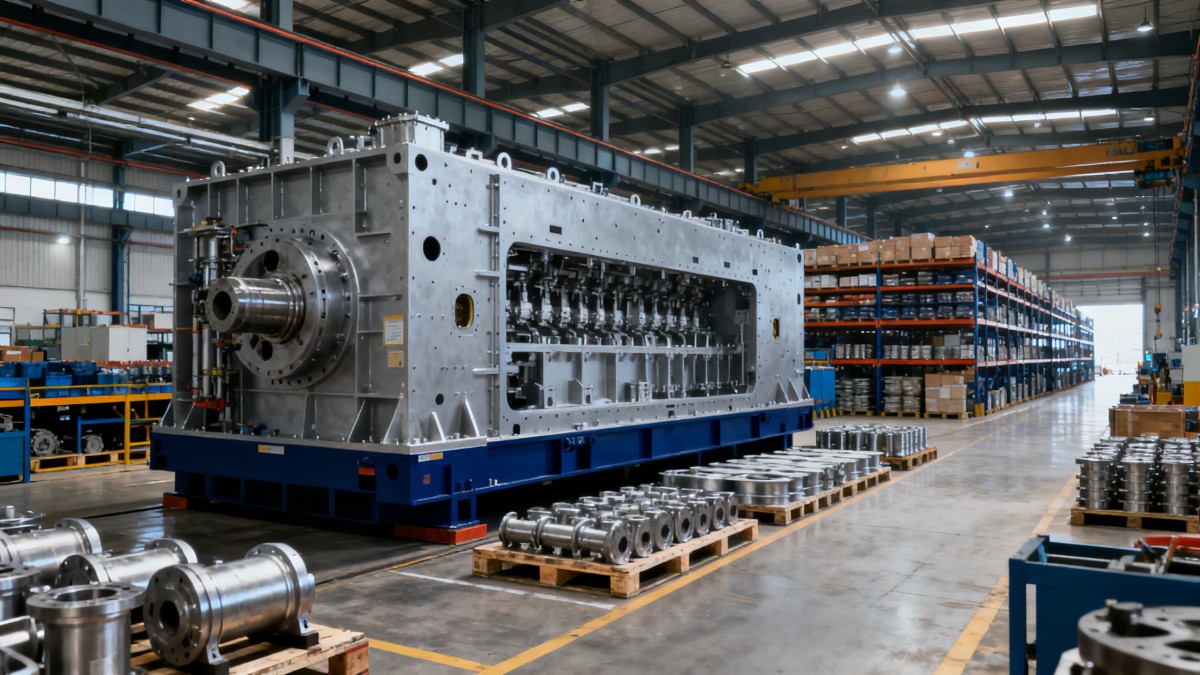
How heavy industry machinery manufacturers are adapting in real-world scenarios
The response from heavy industry machinery manufacturers is practical rather than theoretical. Most adaptations fall into several operational categories, but their value depends on where and how the machinery will be used.
1. Localized sourcing for projects exposed to freight and geopolitical risk
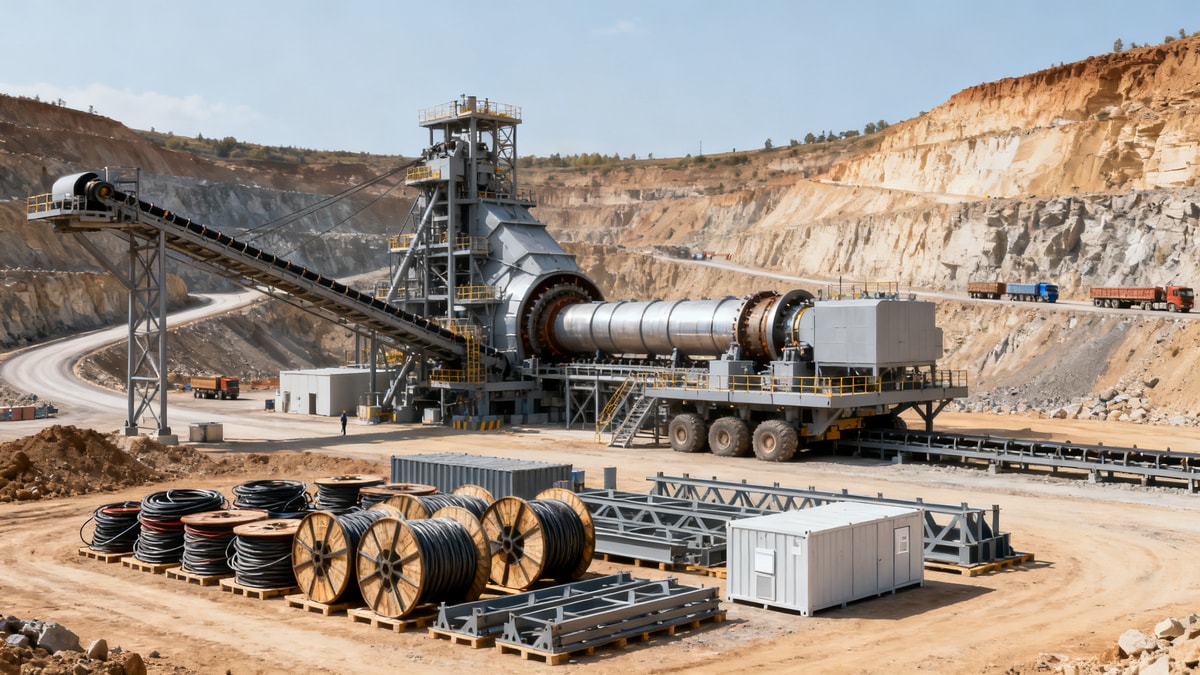
In sectors such as power generation, mining, water treatment, and large-scale manufacturing, one overseas bottleneck can delay an entire package. To reduce exposure, heavy industry machinery manufacturers are qualifying regional suppliers for castings, fabricated assemblies, electrical subcomponents, and service parts. This strategy is especially relevant for projects in regions where port congestion, sanctions, or customs uncertainty can undermine planning assumptions.
For buyers, localized sourcing is most valuable when project continuity outweighs unit cost optimization. The right question is whether the supplier has true local production or only local warehousing. Decision-makers should ask for supplier maps, qualification processes, and evidence of alternate approved sources.
2. Modular product architecture for brownfield and phased expansion
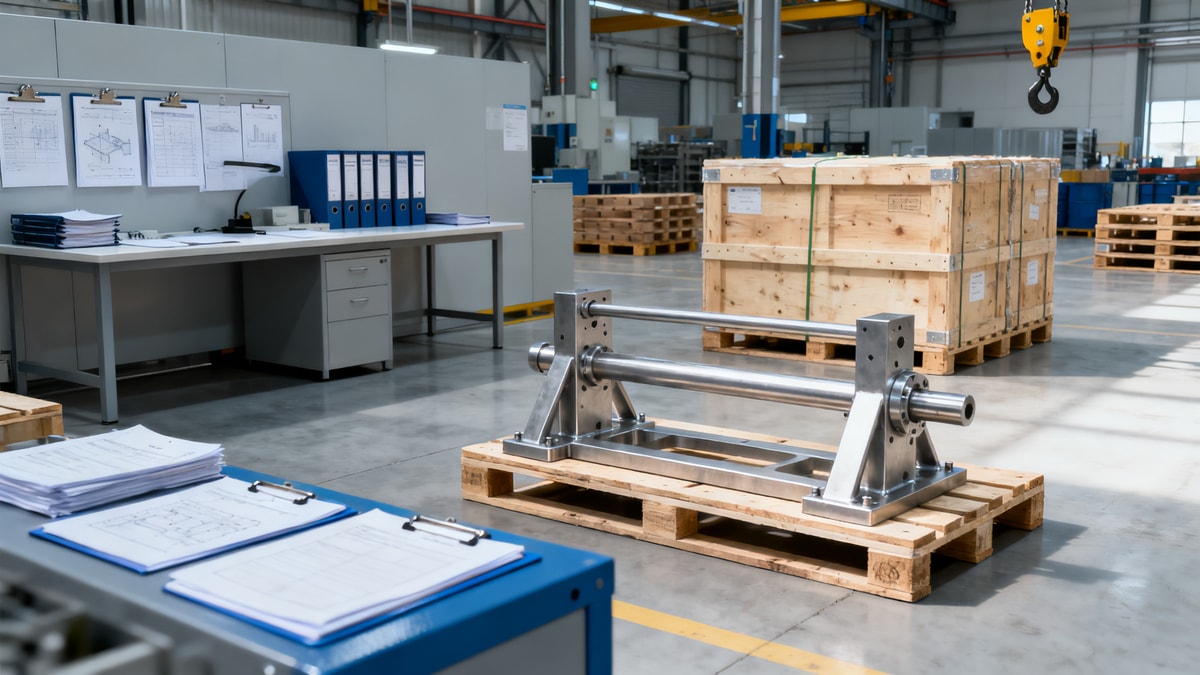
A growing number of heavy industry machinery manufacturers are redesigning equipment around modular assemblies. Instead of waiting for one fully bespoke system, buyers can secure standardized modules earlier and finalize application-specific elements later. This is particularly useful in brownfield upgrades, where field measurements, interfaces, and site constraints often evolve during engineering.
Modularity also improves serviceability and spare parts planning. In practical terms, this means less dependence on one long-lead custom component and more ability to sequence installation according to outage windows. For EPC teams, modularity can protect commissioning schedules when civil works or utility connections shift unexpectedly.
3. Digital forecasting for demand-volatile sectors
Heavy industry machinery manufacturers increasingly use digital demand forecasting tied to project pipelines, service consumption, and historical replacement cycles. This is highly relevant in industries with uneven procurement waves, such as metals processing, petrochemical maintenance, and utility grid reinforcement. Better forecasting allows suppliers to pre-book capacity, hold strategic raw material, and align fabrication slots with customer demand.
For procurement directors, the implication is clear: suppliers with stronger forecasting systems can often provide more accurate delivery commitments than suppliers with nominally shorter quoted lead times. A realistic date supported by planning data is usually more valuable than an aggressive promise that later slips.
4. Supplier diversification for compliance-sensitive applications
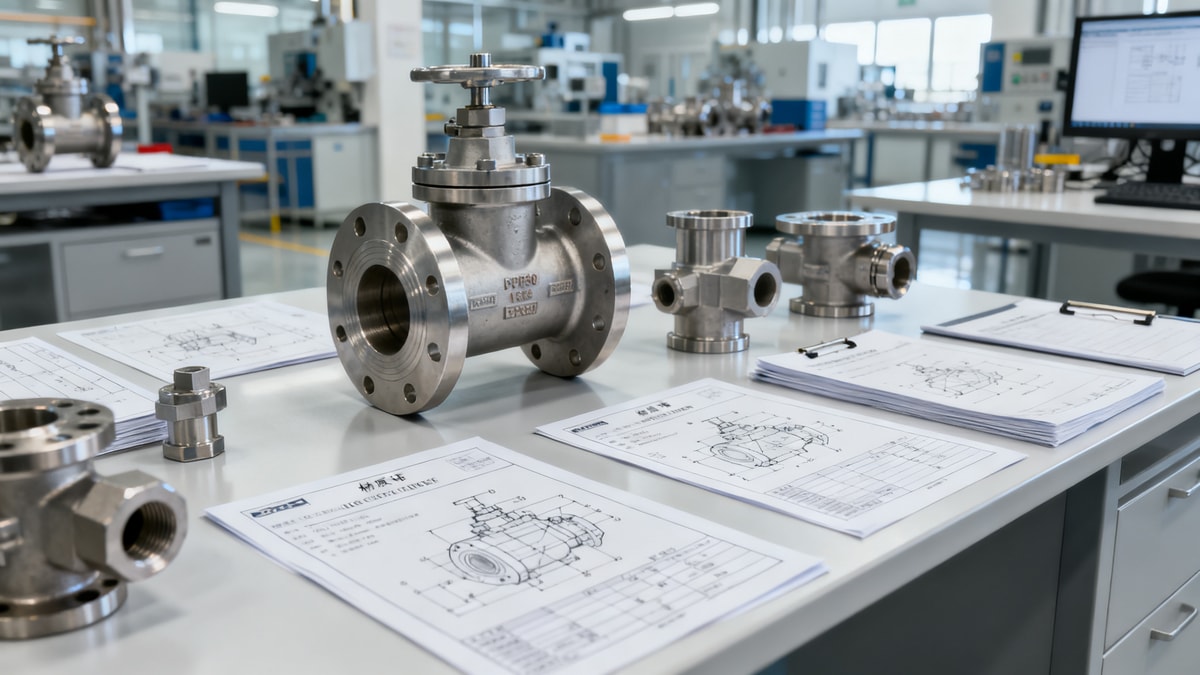
In heavily regulated operating environments, a second source is only helpful if it is technically and legally interchangeable. That is why leading heavy industry machinery manufacturers are building dual-source or multi-source frameworks around certified materials, tested subassemblies, and documented quality pathways. This adaptation matters most where CE, UL, ISO, or client-specific approval requirements can block substitutions late in the project.
Business leaders should verify whether diversification includes complete validation, not just a purchasing backup. In compliance-led sectors, poorly governed substitution creates more delay than it prevents.
Different buyers need different lead-time answers
One reason lead-time decisions are often mishandled is that different stakeholders define urgency differently. Heavy industry machinery manufacturers are adapting their commercial and technical engagement models to reflect this gap, and buyers should do the same internally.
For EPC contractors
EPC firms typically care about milestone alignment, drawing release timing, documentation readiness, and shipping coordination. In this scenario, the best manufacturing partner is one that integrates engineering review with supply planning. Pure speed is less important than reliability across the entire project workflow.
For plant operators and facility managers
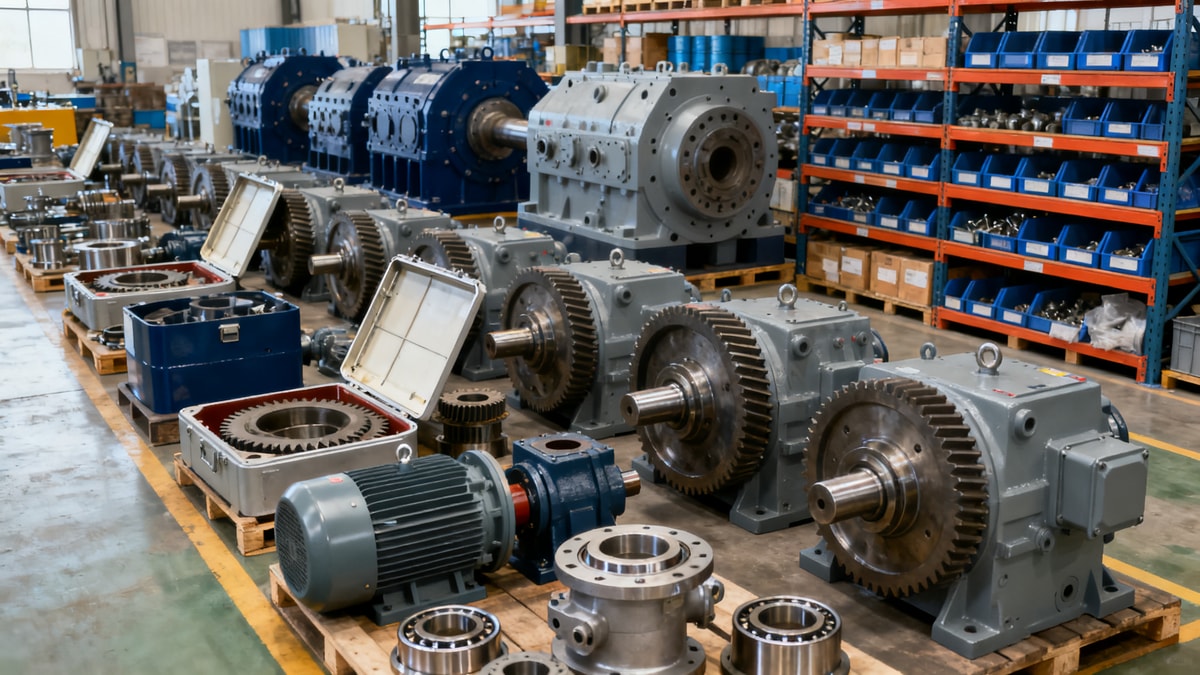
Operations teams often prioritize uptime, maintainability, and access to critical spares. Here, heavy industry machinery manufacturers with regional service networks, stocked replacement kits, and retrofit capability are often more suitable than lower-cost suppliers with long transportation chains.
For procurement directors
Procurement leaders must balance landed cost, risk concentration, contractual leverage, and supplier performance. They should evaluate whether lead-time resilience is embedded in the supplier’s operating model or depends on ad hoc escalation. The distinction affects long-term sourcing security.
How to evaluate supplier fit by scenario
To assess heavy industry machinery manufacturers effectively, buyers need criteria tied to project reality rather than generic sales claims. The checklist below can improve supplier selection and negotiation quality.
Common misjudgments when comparing heavy industry machinery manufacturers
Many organizations still treat lead time as a commercial negotiation issue rather than a systems issue. That creates avoidable errors.
- Choosing the shortest quoted lead time without reviewing source dependency or certification constraints.
- Assuming global scale automatically means resilience, when some large suppliers remain concentrated in a few production nodes.
- Overlooking engineering freeze dates, which often drive actual delivery more than factory throughput.
- Failing to separate urgent spare-part needs from long-horizon project procurement, even though each requires a different supplier profile.
- Ignoring aftermarket capability, which is often where lead-time risk reappears after commissioning.
For decision-makers, the lesson is straightforward: the best heavy industry machinery manufacturers are not merely shipping faster. They are building delivery systems that match the risk pattern of each customer environment.
FAQ for business decision-makers
Are localized suppliers always better for lead times?
Not always. Local supply can reduce freight and customs risk, but only if quality, technical capability, and documentation standards are equivalent. For safety-critical systems, local sourcing without full qualification may increase project risk.
When does modular design create the most value?
It is especially useful in brownfield upgrades, multi-phase expansions, and projects where final interfaces may shift during execution. In these settings, modularity gives heavy industry machinery manufacturers more scheduling flexibility and gives buyers more installation control.
How should procurement compare two similar suppliers?
Look beyond quoted delivery. Compare source diversification, engineering responsiveness, compliance documentation speed, spare support, and historical schedule adherence. These indicators often reveal which supplier is truly more resilient.
A practical next step for industrial buyers
For organizations sourcing mission-critical equipment, the smartest next move is to align supplier evaluation with actual operating scenarios. Map purchases into categories such as planned capital expansion, outage-driven retrofit, urgent replacement, or compliance-led upgrade. Then assess which heavy industry machinery manufacturers have adapted their sourcing, design, inventory, and service models to fit that category.
Global Industrial Core supports this decision process by focusing on the foundational systems that power industrial continuity: safety, measurement, electrical reliability, environmental performance, and mechanical integrity. In complex procurement environments, decision-makers need more than product brochures. They need trusted intelligence that connects technical standards, sourcing risk, and operational reality. The manufacturers best positioned for long-term partnership are those that treat lead time as part of total industrial resilience, not just as a sales promise.
Technical Specifications
- SASO Mandates Dual Energy Label for Industrial Transformers in Saudi Arabia from May 2026Author :Grid Infrastructure Analyst
- EN 61000-4-30:2026 Enforced: Class A Harmonic Traceability Mandatory for EU PQ AnalyzersAuthor :Precision Metrology Expert
- US DOE Level 3 Transformer Efficiency Standard Effective July 1, 2026Author :Grid Infrastructure Analyst
Expert Insights

Chief Security Architect
Dr. Thorne specializes in the intersection of structural engineering and digital resilience. He has advised three G7 governments on industrial infrastructure security.
Related Analysis
- May 06, 2026SASO Mandates Dual Energy Label for Industrial Transformers in Saudi Arabia from May 2026Author :Grid Infrastructure Analyst
- May 06, 2026EN 61000-4-30:2026 Enforced: Class A Harmonic Traceability Mandatory for EU PQ AnalyzersAuthor :Precision Metrology Expert
- May 06, 2026US DOE Level 3 Transformer Efficiency Standard Effective July 1, 2026Author :Grid Infrastructure Analyst
Core Sector // 01
Security & Safety
- EPC contractors for mining projects: what causes budget driftAuthor :Heavy Industry Strategist

- Heavy industry equipment suppliers and the spare parts gapAuthor :Heavy Industry Strategist

- How heavy industry machinery manufacturers are adapting to lead timesAuthor :Heavy Industry Strategist

- Mechanical Engineering Standards That Commonly Delay ApprovalAuthor :Heavy Industry Strategist

- When a mechanical engineering supplier becomes a project riskAuthor :Heavy Industry Strategist

- Conveyor Roller Belts: Early Wear Signs You Should Not IgnoreAuthor :Heavy Industry Strategist

- Gear Rack and Pinion Backlash Problems Often Start HereAuthor :Heavy Industry Strategist

- PU Timing Belts Wholesale: Why Cheap Belts Cost More LaterAuthor :Heavy Industry Strategist