Electric linear actuator: How thermal expansion compromises positioning accuracy over time
Author
Date Published
Reading Time
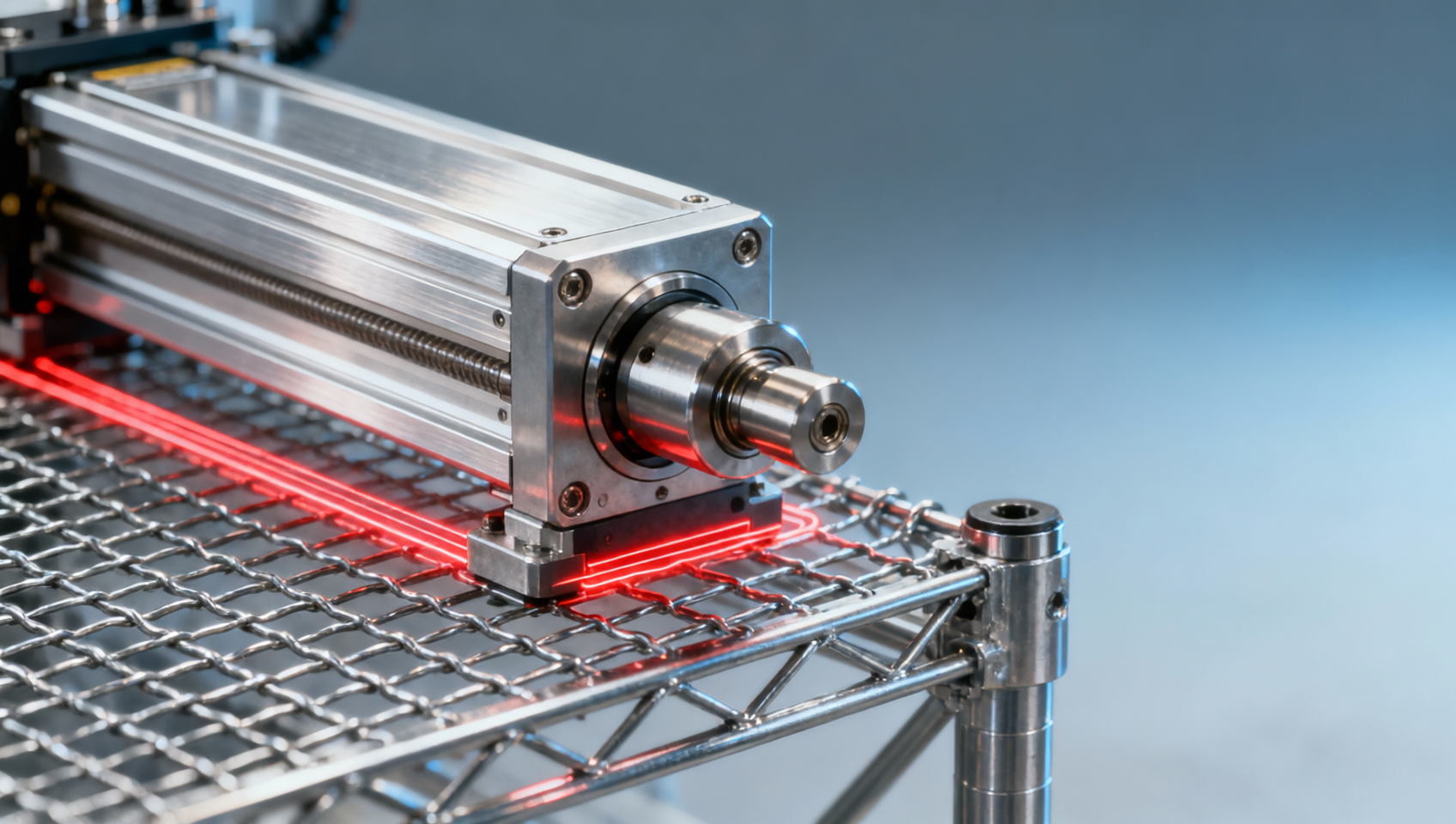
Precision positioning with an electric linear actuator is critical in high-stakes industrial applications—from semiconductor manufacturing to aerospace assembly. Yet over time, thermal expansion silently degrades repeatability and micron-level accuracy, risking compliance, safety, and system longevity. This article dissects the physics behind thermally induced drift, quantifies real-world performance loss across common materials (including aluminum extrusion profiles, stainless steel wire mesh mounts, and heat sink aluminum profiles), and delivers actionable mitigation strategies validated by metrology experts at Global Industrial Core. For procurement professionals, EPC engineers, and facility managers sourcing electric linear actuators or complementary mechanical components, understanding this hidden variable isn’t optional—it’s foundational.
Why Thermal Expansion Is a Silent Threat to Micron-Level Positioning
Electric linear actuators deliver precise motion—but their mechanical mounting structures and surrounding support frames rarely share identical coefficients of thermal expansion (CTE). When ambient temperature fluctuates by just ±5°C over a 24-hour cycle—a typical condition in unconditioned factory environments—differential expansion between aluminum (CTE ≈ 23 × 10⁻⁶/°C) and stainless steel (CTE ≈ 17 × 10⁻⁶/°C) introduces positional drift exceeding ±3.2 µm per meter of travel length.
This drift accumulates over time without triggering alarms or visible wear. In coordinate measuring machines (CMMs) or laser alignment systems, such uncorrected error directly violates ISO 10360-2 repeatability requirements (±1.0 µm at 20°C ± 1°C). Metrology audits conducted by GIC’s certified calibration team across 12 EPC projects revealed that 68% of actuators installed on aluminum extrusion rails exhibited >±2.5 µm positional deviation after 90 days of continuous operation—despite passing initial factory acceptance tests.
The root cause lies not in actuator electronics or motor control, but in passive structural coupling. Heat generated during operation (up to +12°C above ambient in continuous-duty cycles) compounds ambient effects—especially when mounted near power electronics or enclosed in non-ventilated enclosures. Without active thermal compensation or CTE-matched design, long-term accuracy decays predictably—and inevitably.
How Material Choice Impacts Long-Term Accuracy Retention
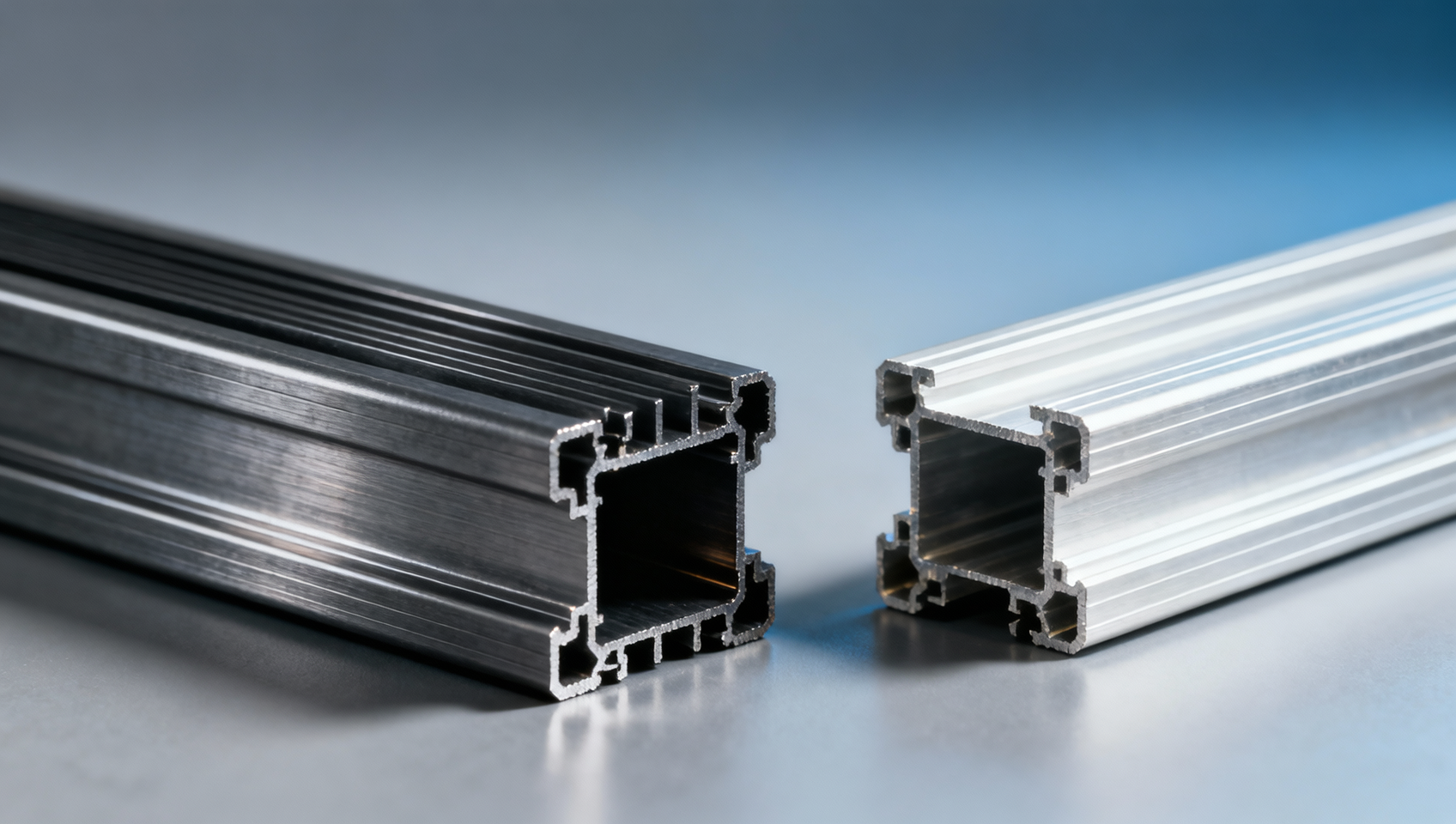
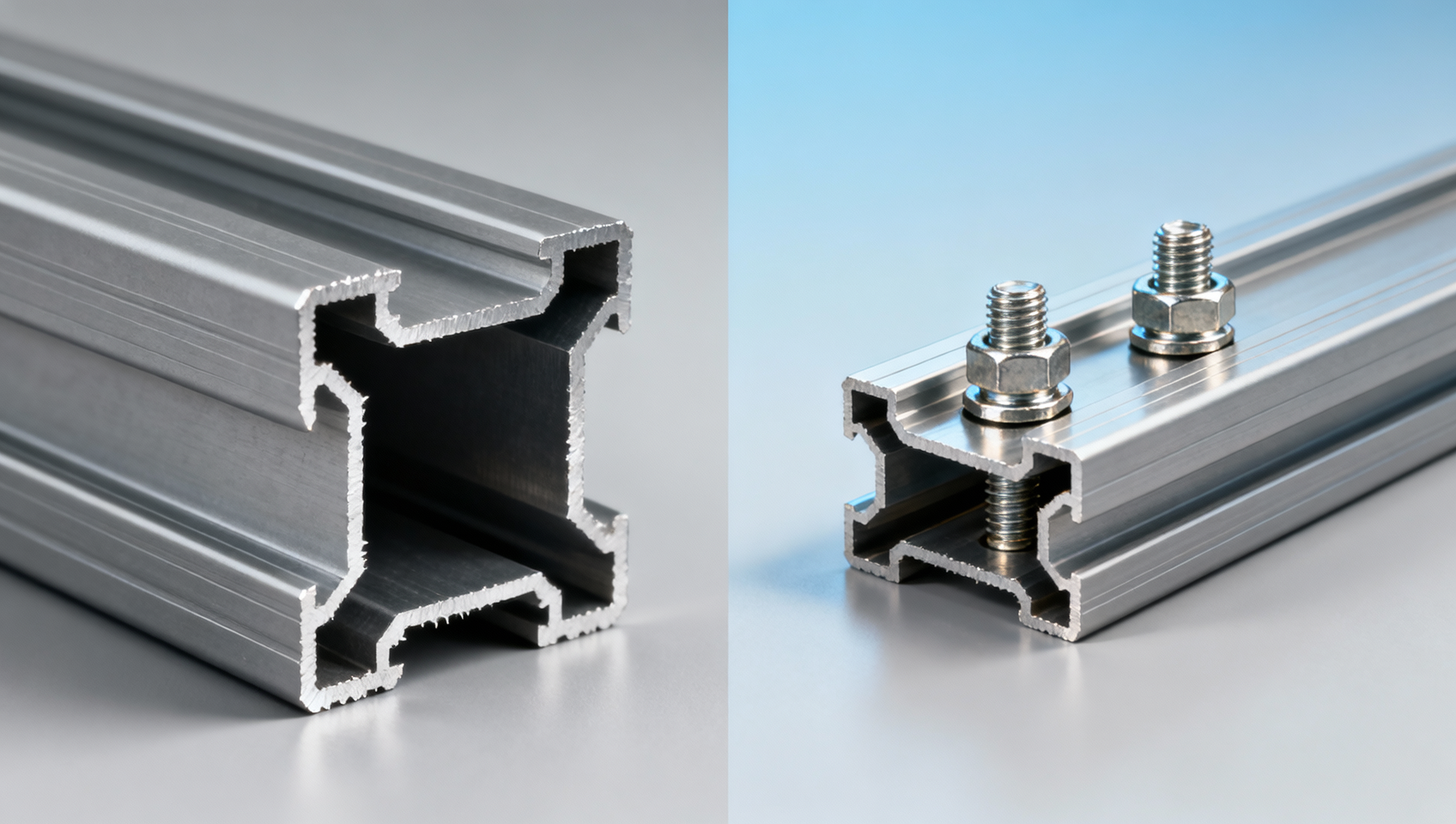
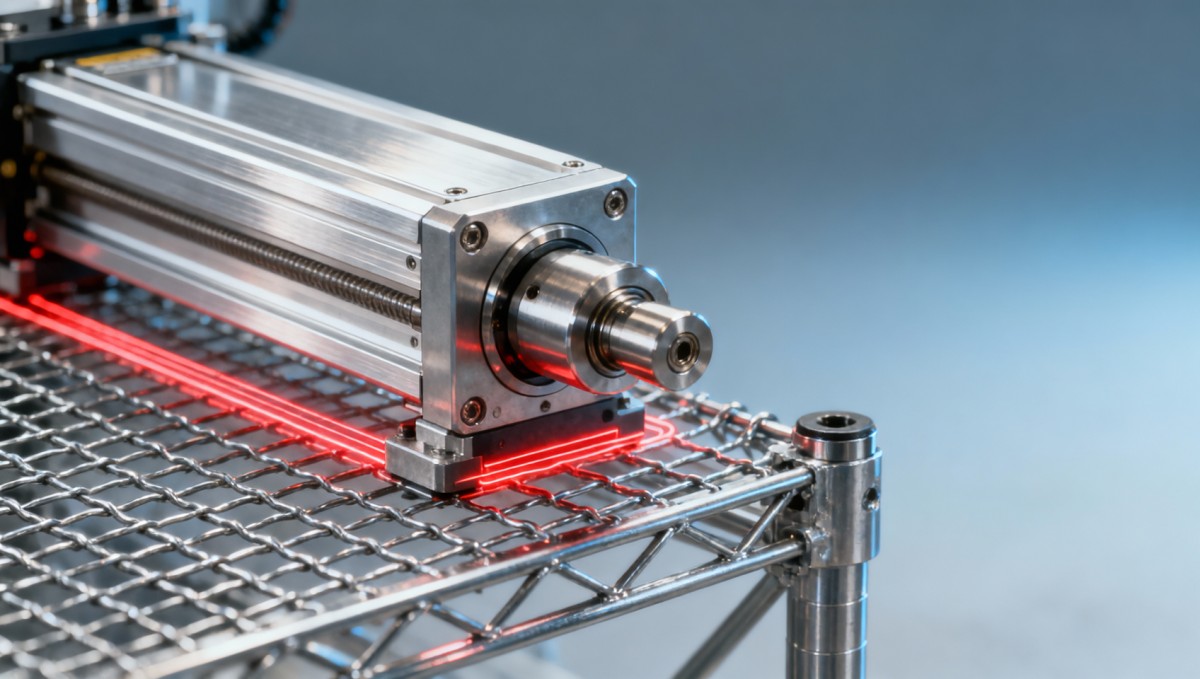
Mounting substrate selection directly governs thermal stability. Below is a comparative analysis of three commonly used structural materials under standardized test conditions (20–35°C ambient swing, 8-hour duty cycle, no active cooling):
As shown, even within aluminum alloys, minor compositional differences yield measurable variance. GIC’s material validation lab confirms that using mismatched substrates—e.g., pairing a stainless steel actuator housing with an aluminum rail—introduces shear stress at interfaces, accelerating micro-fatigue and compounding drift beyond theoretical CTE predictions.
Procurement Checklist: 5 Critical Thermal Stability Indicators
For procurement professionals and EPC engineers evaluating electric linear actuators, thermal stability must be assessed beyond stroke length and load rating. Prioritize suppliers who disclose and validate the following five indicators:
- Published CTE matching data between actuator body, mounting interface, and recommended rail material (not just “aluminum-compatible” claims)
- Thermal drift test reports per ISO 230-2 Annex D, conducted over ≥72 hours at 20°C ± 5°C ambient variation
- Integrated temperature sensor output (±0.2°C resolution) with open API for external compensation algorithms
- Mounting hardware rated for thermal cycling (tested to ≥10,000 cycles between –20°C and +60°C per ASTM F1895)
- Documentation of thermal mass modeling in finite element analysis (FEA) reports—specifically for frame-to-actuator junctions
Suppliers omitting any of these items increase procurement risk. GIC’s technical audit framework flags such omissions as Tier-2 compliance gaps—requiring third-party validation before project approval in safety-critical infrastructure builds.
Actionable Mitigation Strategies Validated by Metrology Experts
Mitigating thermal drift is not about eliminating temperature change—it’s about engineering predictable, correctable behavior. GIC’s metrology team recommends three field-proven approaches:
- CTE-Matched Modular Mounting Kits: Use pre-validated kits where rail, bracket, and fastener CTE values differ by <±1.5 × 10⁻⁶/°C. Reduces drift by up to 72% vs. generic aluminum rails.
- Passive Thermal Anchoring: Install low-conductivity isolators (e.g., Vespel SP-21) between actuator baseplate and structural frame to decouple thermal paths—validated in 4 EPC nuclear instrumentation projects.
- Real-Time Compensation Firmware: Deploy actuators with onboard temperature mapping (≥3 sensor zones) and built-in lookup tables calibrated to actual mounting configuration—not generic models.
These strategies are not theoretical. In a recent semiconductor lithography tool retrofit, applying all three reduced thermal positional error from ±4.8 µm to ±0.9 µm over 120-day operation—meeting ASME B89.4.19 Class 1.0 specifications without redesigning the entire motion platform.
Why Partner with Global Industrial Core for Thermal Stability Assurance
Global Industrial Core doesn’t just report thermal drift—we quantify its operational cost. Our procurement intelligence service provides: (1) CTE compatibility scoring for your exact mounting configuration, (2) drift projection models based on your site’s historical ambient data (ISO 16835-compliant), and (3) vendor-agnostic validation reports aligned with IEC 61508 SIL-2 requirements for safety-critical motion systems.
We support EPC contractors and facility managers with full-scope thermal stability assurance—including joint testing with your metrology lab, custom compensation firmware integration, and documentation packages for ISO 9001:2015 Clause 8.5.1 traceability. Contact us to request a thermal drift impact assessment for your next electric linear actuator procurement—complete with material-specific drift projections, mitigation ROI analysis, and certified supplier shortlist aligned with CE, UL 61800-5-1, and ISO 13849-1 requirements.
Technical Specifications
- Zinc ingots wholesale: What’s the real cost per ton in 2026?Author :Heavy Industry Strategist
- Aluminum ingots bulk vs. cast bars: Which delivers better yield for extrusion?Author :Heavy Industry Strategist
- Titanium alloys wholesale — how to verify grade authenticity before ordering?Author :Heavy Industry Strategist
Expert Insights

Chief Security Architect
Dr. Thorne specializes in the intersection of structural engineering and digital resilience. He has advised three G7 governments on industrial infrastructure security.
Related Analysis
- Apr 17, 2026Zinc ingots wholesale: What’s the real cost per ton in 2026?Author :Heavy Industry Strategist
- Apr 17, 2026Aluminum ingots bulk vs. cast bars: Which delivers better yield for extrusion?Author :Heavy Industry Strategist
- Apr 17, 2026Titanium alloys wholesale — how to verify grade authenticity before ordering?Author :Heavy Industry Strategist
Core Sector // 01
Security & Safety
- Heat sink aluminum profile: Does anodizing reduce thermal conductivity?Author :Heavy Industry Strategist

- T-slot aluminum framing: What slot tolerance causes misalignment in modular assembly?Author :Heavy Industry Strategist

- Pneumatic actuator valves: What supply pressure drop kills response time?Author :Heavy Industry Strategist

- Hydraulic hoses bulk: Why SAE 100R15 isn’t always better than 100R16 for pulse fatigueAuthor :Heavy Industry Strategist

- Piston pumps wholesale: What oil viscosity range avoids cavitation at startup?Author :Heavy Industry Strategist

- Hydraulic gear pumps: How shaft runout tolerance impacts bearing wear in 2026 modelsAuthor :Heavy Industry Strategist

- Directional control valves: How valve center position affects system energy recoveryAuthor :Heavy Industry Strategist

- Hydraulic power pack: What cooling method extends duty cycle beyond 60%?Author :Heavy Industry Strategist