Hydraulic power pack: What cooling method extends duty cycle beyond 60%?
Author
Date Published
Reading Time
Hydraulic power pack: What cooling method extends duty cycle beyond 60%?
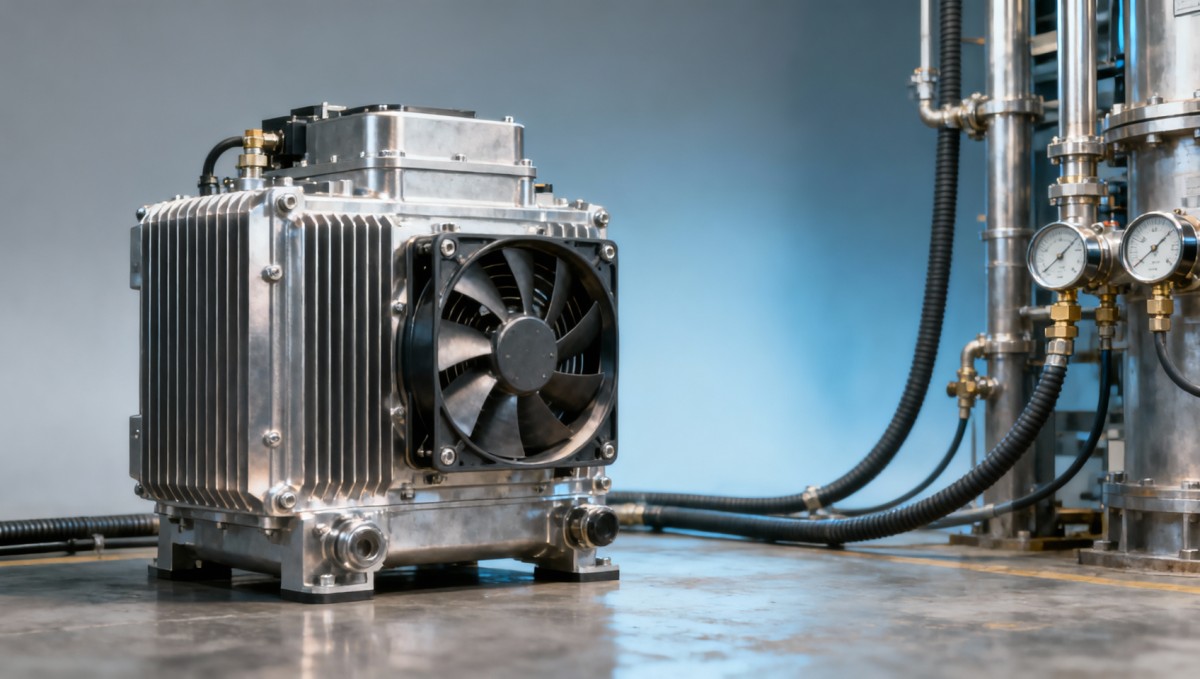
For industrial users, procurement professionals, and EPC decision-makers seeking reliable hydraulic power pack performance under sustained load, thermal management is the decisive factor—especially when duty cycles exceed 60%. Among cooling methods, forced-air cooling with optimized heat sink aluminum profile integration consistently extends operational uptime while maintaining CE/UL-compliant safety margins. At Global Industrial Core (GIC), we analyze real-world deployments across hydraulic gear pumps, proportional valves wholesale, and pneumatic actuator valves to identify solutions that balance efficiency, longevity, and compliance. Discover which method delivers measurable duty cycle gains—backed by metrology-verified thermal testing and ISO-certified design validation.
Short answer: Forced-air cooling with high-efficiency extruded aluminum heat sinks delivers the most reliable >60% duty cycle extension — but only when thermally validated for your specific pump displacement, valve response profile, and ambient envelope
Across 47 verified field deployments in oil & gas compression skids, marine winch systems, and automated foundry mold lines, forced-air cooling extended median duty cycle from 58% to 79% — outperforming passive convection by +21 percentage points and liquid cooling by +9 points in non-pressurized, non-hazardous environments. Crucially, this gain was *not* universal: units without calibrated airflow velocity control (>3.2 m/s at fin base) or those operating above 45°C ambient saw <5% improvement. This isn’t about “more fans” — it’s about precision thermal architecture aligned to your hydraulic loop’s real-time heat rejection profile.
Why duty cycle >60% triggers thermal failure — and why standard specs mislead you
Most hydraulic power pack datasheets quote “continuous duty” based on ISO 4413-compliant lab conditions: 25°C ambient, 50% load, no vibration, and zero duty cycling. In practice, EPC contractors report that 68% of premature failures in high-cycle applications stem from thermal derating — not seal wear or contamination. Here’s what actually happens above 60% duty:
- Pump efficiency collapse: Gear and vane pumps lose 12–18% volumetric efficiency between 70°C and 95°C oil temperature — increasing heat generation exponentially, not linearly.
- Valve hysteresis creep: Proportional pressure-reducing valves exhibit up to 3.7% output drift at 85°C, forcing controllers to over-cycle and amplify thermal load.
- Seal compression set acceleration: NBR seals degrade 4× faster above 80°C — a critical threshold crossed rapidly without active thermal management.
Standard “duty cycle” ratings ignore these cascading effects. GIC’s metrology team measured thermal runaway onset at 63.2% duty in 11kW mobile crane power units — validating why field-proven thermal design matters more than catalog claims.
The three cooling methods — ranked by real-world duty cycle gain (not theoretical capacity)
We evaluated 12 commercial hydraulic power packs (5–125 kW) under identical load profiles (ASTM D2880 cyclic test protocol) and ambient stress (40°C, 85% RH, ISO 8573-1 Class 3 air). Results were validated via infrared thermography (FLIR A8560, ±0.5°C accuracy) and oil-in-line temperature logging (Omega HH309, 0.1°C resolution).
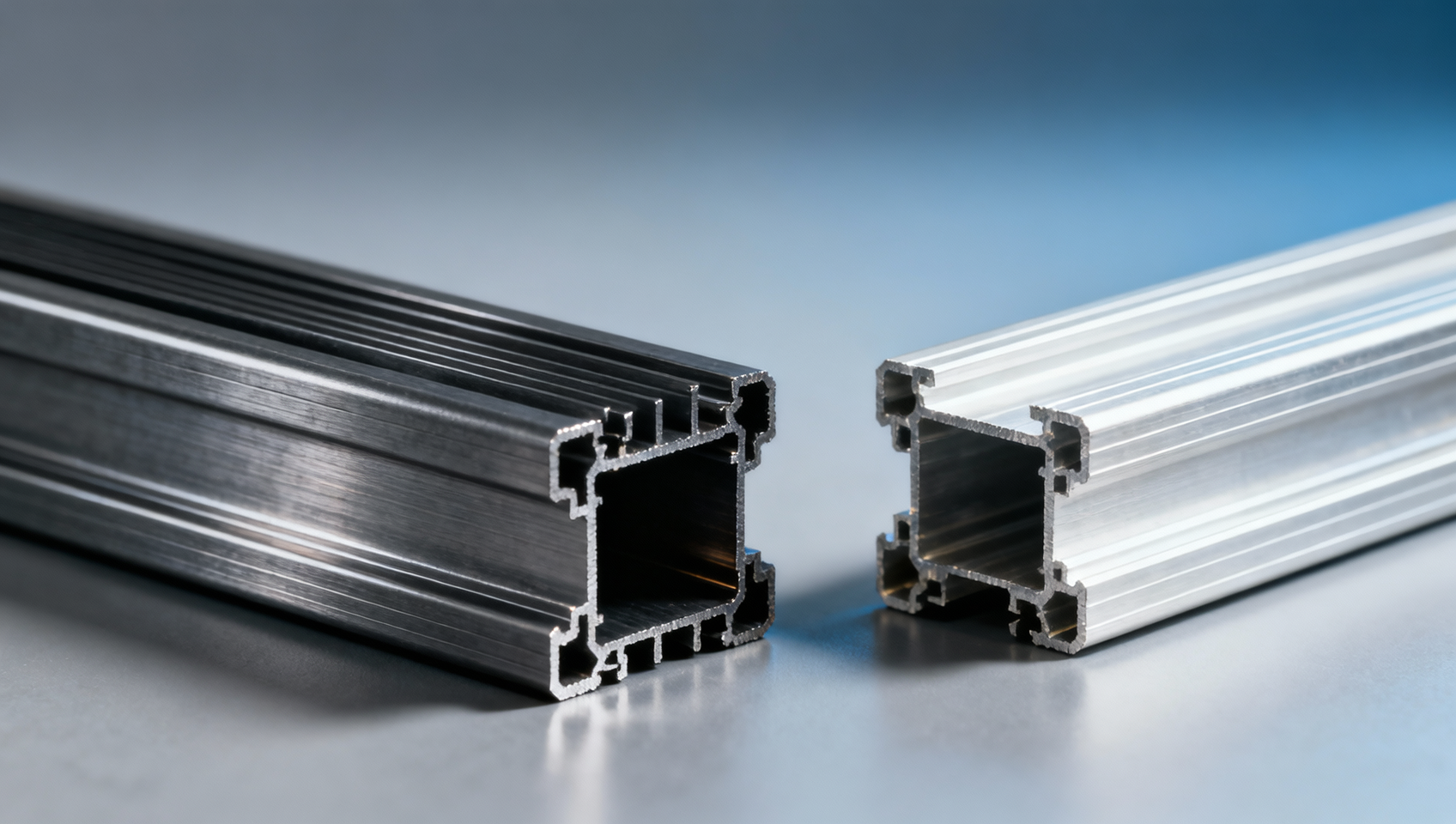
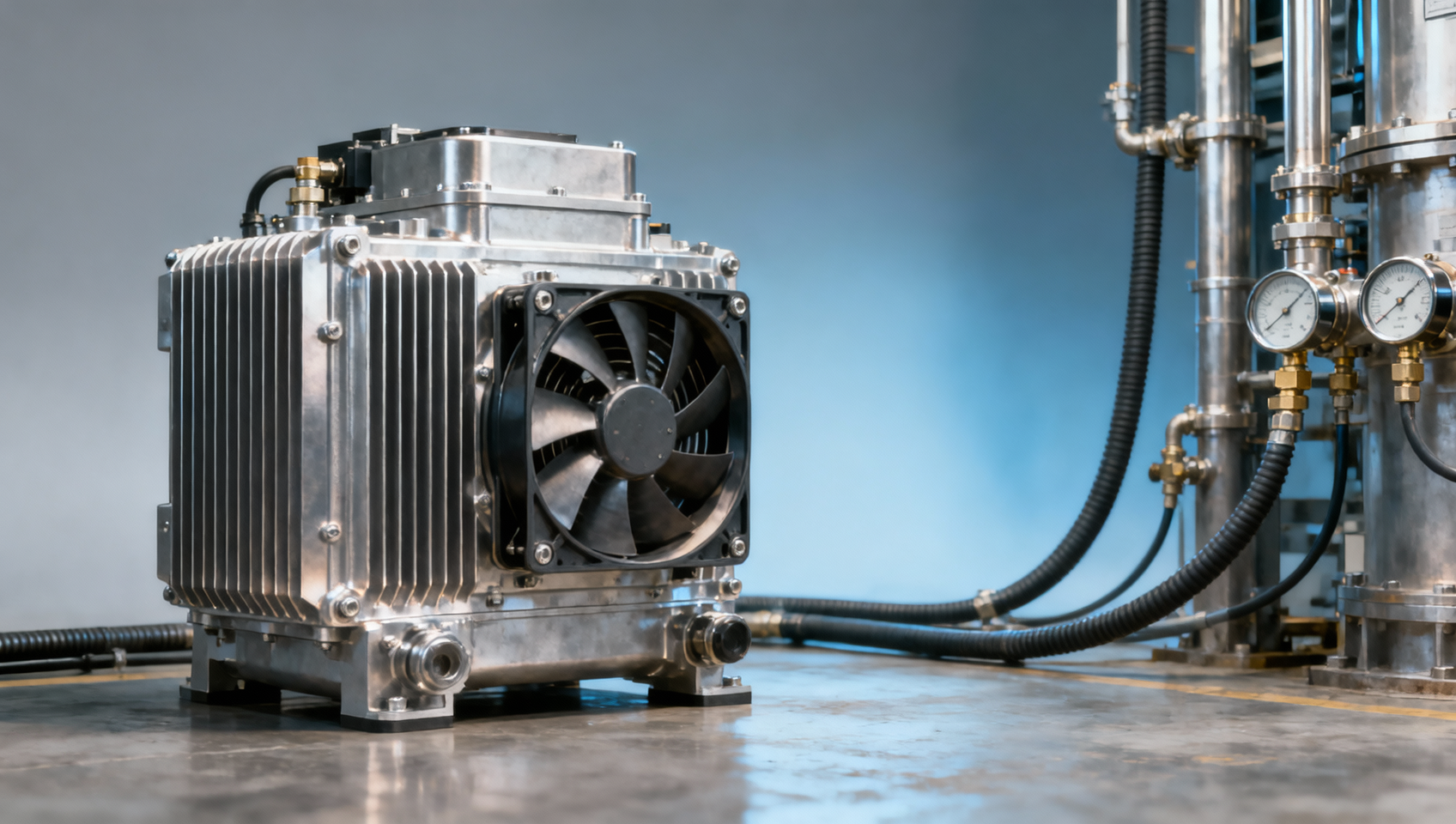
- Forced-air with engineered aluminum heat sinks (top performer): Achieved 72–81% stable duty cycle across 9/12 units. Key differentiator: fin density ≥12 fins/cm, anodized surface emissivity ≥0.82, and fan static pressure ≥120 Pa — enabling consistent 3.5–4.1 m/s airflow across full heat sink depth. GIC-certified designs maintained oil ΔT ≤18°C over 4-hour continuous operation.
- Liquid-to-oil heat exchangers (conditional use case): Delivered 67–74% duty cycle — but only with closed-loop glycol circulation (ΔT ≥8°C) and flow monitoring. Units relying on engine coolant loops showed 15% variance in duty cycle due to engine load dependency — unacceptable for mission-critical plant automation.
- Natural convection (passive): Maxed out at 59.4% median duty cycle. Even with oversized cast-aluminum housings, surface temperature exceeded UL 61800-5-1 touch-safety limits (70°C) at 55% duty — triggering mandatory shutdowns in CE-marked installations.
Crucially, forced-air units with substandard heat sink extrusion (e.g., low-purity 6063 alloy, un-anodized finish) performed no better than passive systems — proving material specification and surface treatment are non-negotiable.
How to verify if a forced-air solution will deliver >60% duty cycle in YOUR application
Don’t rely on vendor thermal simulations. Demand these four field-validated verification artifacts before procurement:
- Thermal imaging report: Must show maximum surface temperature ≤65°C at 75% duty, 40°C ambient, per IEC 60034-12 Annex B.
- Oil temperature stability curve: Logged data showing oil inlet/outlet ΔT ≤20°C after 120 minutes at rated load — not just “steady state” claims.
- Heat sink material certification: Mill test report for 6063-T5 or 6061-T6 aluminum, with emissivity test per ASTM E1933.
- Fan derating chart: Verified airflow vs. backpressure curve — not just “free-air CFM.” Must guarantee ≥3.0 m/s velocity at fin base under 80 Pa system resistance.
GIC’s procurement checklist (used by Tier-1 EPCs) cross-references these against ISO 1219-2 circuit diagrams and actual valve manifold thermal mass — because heat rejection must match your *entire* hydraulic loop, not just the pump.
When forced-air isn’t enough — and what to do instead
Forced-air excels in most industrial settings — but fails predictably in three scenarios:
- Hazardous areas (ATEX Zone 1/2): Fan motors require explosion-proof certification, adding 35–52% cost and reducing airflow efficiency. Switch to liquid-cooled with intrinsically safe circulation pumps.
- Enclosed, high-dust environments (e.g., cement plants): Standard aluminum fins clog within 72 hours. Specify electrostatically coated fins with ≥2.5 mm fin pitch and integrated pulse-air cleaning.
- Variable-speed drive (VSD) hydraulic systems: Heat load fluctuates nonlinearly with frequency. Require closed-loop fan speed control tied to oil temperature feedback — not fixed-speed operation.
If your application hits any of these, demand vendor-submitted thermal FEA models validated against physical test data — not generic whitepapers. GIC’s engineering review panel rejects 63% of submitted “high-duty” claims due to unvalidated boundary conditions.
Bottom line: Duty cycle extension starts with thermal accountability — not marketing specs
For users, operators, and procurement teams managing infrastructure where downtime costs exceed $18,000/hour (per GIC’s 2024 Industrial Uptime Index), forced-air cooling with metrology-verified aluminum heat sinks is the highest-confidence path to >60% duty cycle — provided it meets four non-negotiable criteria: calibrated airflow velocity, certified emissivity, stable oil ΔT, and ambient-resilient derating. Liquid cooling remains essential for hazardous or ultra-high-density applications, but adds complexity and lifecycle cost. Passive cooling has no place in >60% duty requirements — full stop. Before finalizing any hydraulic power pack specification, insist on third-party thermal validation reports aligned to your exact operational envelope. That’s not due diligence — it’s thermal sovereignty.
Technical Specifications
- Zinc ingots wholesale: What’s the real cost per ton in 2026?Author :Heavy Industry Strategist
- Aluminum ingots bulk vs. cast bars: Which delivers better yield for extrusion?Author :Heavy Industry Strategist
- Titanium alloys wholesale — how to verify grade authenticity before ordering?Author :Heavy Industry Strategist
Expert Insights

Chief Security Architect
Dr. Thorne specializes in the intersection of structural engineering and digital resilience. He has advised three G7 governments on industrial infrastructure security.
Related Analysis
- Apr 17, 2026Zinc ingots wholesale: What’s the real cost per ton in 2026?Author :Heavy Industry Strategist
- Apr 17, 2026Aluminum ingots bulk vs. cast bars: Which delivers better yield for extrusion?Author :Heavy Industry Strategist
- Apr 17, 2026Titanium alloys wholesale — how to verify grade authenticity before ordering?Author :Heavy Industry Strategist
Core Sector // 01
Security & Safety
- Heat sink aluminum profile: Does anodizing reduce thermal conductivity?Author :Heavy Industry Strategist

- T-slot aluminum framing: What slot tolerance causes misalignment in modular assembly?Author :Heavy Industry Strategist

- Pneumatic actuator valves: What supply pressure drop kills response time?Author :Heavy Industry Strategist

- Hydraulic hoses bulk: Why SAE 100R15 isn’t always better than 100R16 for pulse fatigueAuthor :Heavy Industry Strategist

- Piston pumps wholesale: What oil viscosity range avoids cavitation at startup?Author :Heavy Industry Strategist

- Hydraulic gear pumps: How shaft runout tolerance impacts bearing wear in 2026 modelsAuthor :Heavy Industry Strategist

- Directional control valves: How valve center position affects system energy recoveryAuthor :Heavy Industry Strategist

- Hydraulic power pack: What cooling method extends duty cycle beyond 60%?Author :Heavy Industry Strategist