Canton Fair Phase II 2026: Industrial Components Zone Fully Booked
Author
Date Published
Reading Time

On April 21, 2026, the conclusion of Phase II of the 139th Canton Fair (focused on Industrial Consumer Goods and Basic Industrial Components) revealed full occupancy for the Steel & Metal Profiles and Bearings & Seals exhibition zones, with pre-signed order rates for metal profiles and high-end sealing components reaching 82.3%—primarily directed toward new industrial park projects in Vietnam, Mexico, and Egypt. This outcome signals notable shifts in global sourcing patterns for foundational industrial parts, warranting attention from manufacturers, suppliers, and procurement professionals active in metal fabrication, sealing solutions, and cross-border industrial supply chains.
Event Overview
On April 21, 2026, the China Import and Export Fair (Canton Fair) concluded its Phase II session, dedicated to Industrial Consumer Goods and Basic Industrial Components. Official data indicated 100% booth booking rates for the Steel & Metal Profiles and Bearings & Seals exhibition zones. Among on-site意向 orders, the pre-signing rate for metal profiles and high-end sealing components stood at 82.3%. These pre-signed orders are predominantly allocated to new industrial park developments in Vietnam, Mexico, and Egypt.
Impact on Specific Industry Segments
Direct Export-Oriented Trading Enterprises: These firms face heightened competition for booth allocation in future Canton Fair industrial components sessions. The 100% booking rate reflects constrained access to premium exhibition space—potentially affecting visibility and lead generation for new buyers in target markets.
Raw Material Procurement Enterprises: Rising demand for metal profiles and sealing components—especially those meeting international industrial park specifications—may pressure upstream material availability and lead times. Sourcing strategies may need adjustment if order volumes translate into sustained production ramp-ups.
Contract Manufacturing & Component Fabrication Firms: Firms supplying metal profiles or precision seals may see increased inbound inquiries from buyers linked to Vietnamese, Mexican, and Egyptian infrastructure projects. However, pre-signed orders do not guarantee final contract execution—delivery timelines, certification compliance (e.g., ISO, ASTM), and logistics readiness remain critical variables.
Distribution & Channel Intermediaries: Distributors specializing in industrial hardware may experience shifting regional demand emphasis. The concentration of pre-signed orders in three specific countries suggests potential for localized inventory planning or partnership development—but only if aligned with verified project timelines and procurement cycles.
Supply Chain Service Providers (logistics, customs, certification): Increased order volume targeting emerging industrial hubs implies higher demand for cross-border documentation support, origin certification, and technical compliance verification—particularly for export-controlled or specification-sensitive sealing products.
What Relevant Enterprises or Practitioners Should Focus On
Monitor official follow-up data and policy guidance
The Canton Fair Organizing Committee has not yet released detailed breakdowns of pre-signed order conversion rates, delivery schedules, or buyer nationality distribution beyond the three named countries. Enterprises should track subsequent announcements for clarity on whether this reflects a structural shift or a concentrated short-term opportunity.
Track demand signals by product category and destination market
Metal profiles and high-end sealing components were explicitly highlighted—not general fasteners or standard bearings. Attention should be directed to sub-categories with documented traction (e.g., corrosion-resistant aluminum extrusions, elastomeric static seals for HVAC or process equipment), particularly as referenced in Vietnamese, Mexican, and Egyptian industrial park tender documents or procurement notices.
Distinguish between exhibition momentum and commercial execution
A 82.3% pre-signing rate indicates strong initial buyer intent but does not equate to confirmed purchase orders or shipped goods. Enterprises should avoid scaling production or committing capital solely on pre-sign data; instead, prioritize verifying end-project status, payment terms, and technical specifications before operational commitments.
Prepare for documentation and compliance readiness
Industrial park projects in emerging markets often require certified test reports, material traceability, and bilingual technical documentation. Firms intending to pursue these opportunities should audit current compliance capabilities—including third-party testing capacity and multilingual technical support—to reduce time-to-contract delays.
Editorial Observation / Industry Perspective
From industry perspective, this outcome is best understood as an early demand signal—not yet a confirmed market inflection point. The concentration of pre-signed orders in three geographies aligns with known government-led industrial zone expansions, suggesting coordinated procurement rather than organic buyer-driven demand. Analysis来看, the full booth occupancy reflects both pent-up post-pandemic participation and strategic buyer prioritization of foundational components amid global supply chain recalibration. Current more suitable interpretation is that this represents a tactical sourcing trend tied to specific infrastructure programs—not yet evidence of broad-based, long-term regional manufacturing relocation.
Conclusion
This Canton Fair outcome underscores how targeted infrastructure investment in emerging economies can rapidly concentrate demand for specific industrial components—even within a traditionally broad-spectrum trade fair. It does not indicate universal growth across all basic industrial parts, nor does it confirm immediate revenue uplift. Rather, it highlights a narrow, time-bound opportunity requiring precise technical alignment, documentation preparedness, and cautious validation of downstream project viability. For stakeholders, the event serves less as a market forecast and more as a directional indicator demanding focused due diligence—not wholesale strategic repositioning.
Information Source Note
Main source: Official closing data release from the China Import and Export Fair (Canton Fair) Organizing Committee, dated April 21, 2026. Ongoing observation is recommended for official updates on order conversion rates, buyer country breakdowns beyond Vietnam/Mexico/Egypt, and any related export facilitation measures announced by Chinese or host-country trade authorities.
Technical Specifications
- RCEP Launches Industrial Waste Equipment Mutual RecognitionAuthor :Environmental Engineering Director
- IEC 61850-90-15:2026 Released — Time Stamp Precision Upgrade Impacts Power Equipment ExportsAuthor :Grid Infrastructure Analyst
- Copper Price Surge Impacts BOM Costs for Industrial Breakers & TransformersAuthor :Grid Infrastructure Analyst
Expert Insights

Chief Security Architect
Dr. Thorne specializes in the intersection of structural engineering and digital resilience. He has advised three G7 governments on industrial infrastructure security.
Related Analysis
- Apr 22, 2026RCEP Launches Industrial Waste Equipment Mutual RecognitionAuthor :Environmental Engineering Director
- Apr 22, 2026IEC 61850-90-15:2026 Released — Time Stamp Precision Upgrade Impacts Power Equipment ExportsAuthor :Grid Infrastructure Analyst
- Apr 22, 2026Copper Price Surge Impacts BOM Costs for Industrial Breakers & TransformersAuthor :Grid Infrastructure Analyst
Core Sector // 01
Security & Safety
- Canton Fair Phase II 2026: Industrial Components Zone Fully BookedAuthor :Heavy Industry Strategist
![]()
- Zinc ingots wholesale: What’s the real cost per ton in 2026?Author :Heavy Industry Strategist

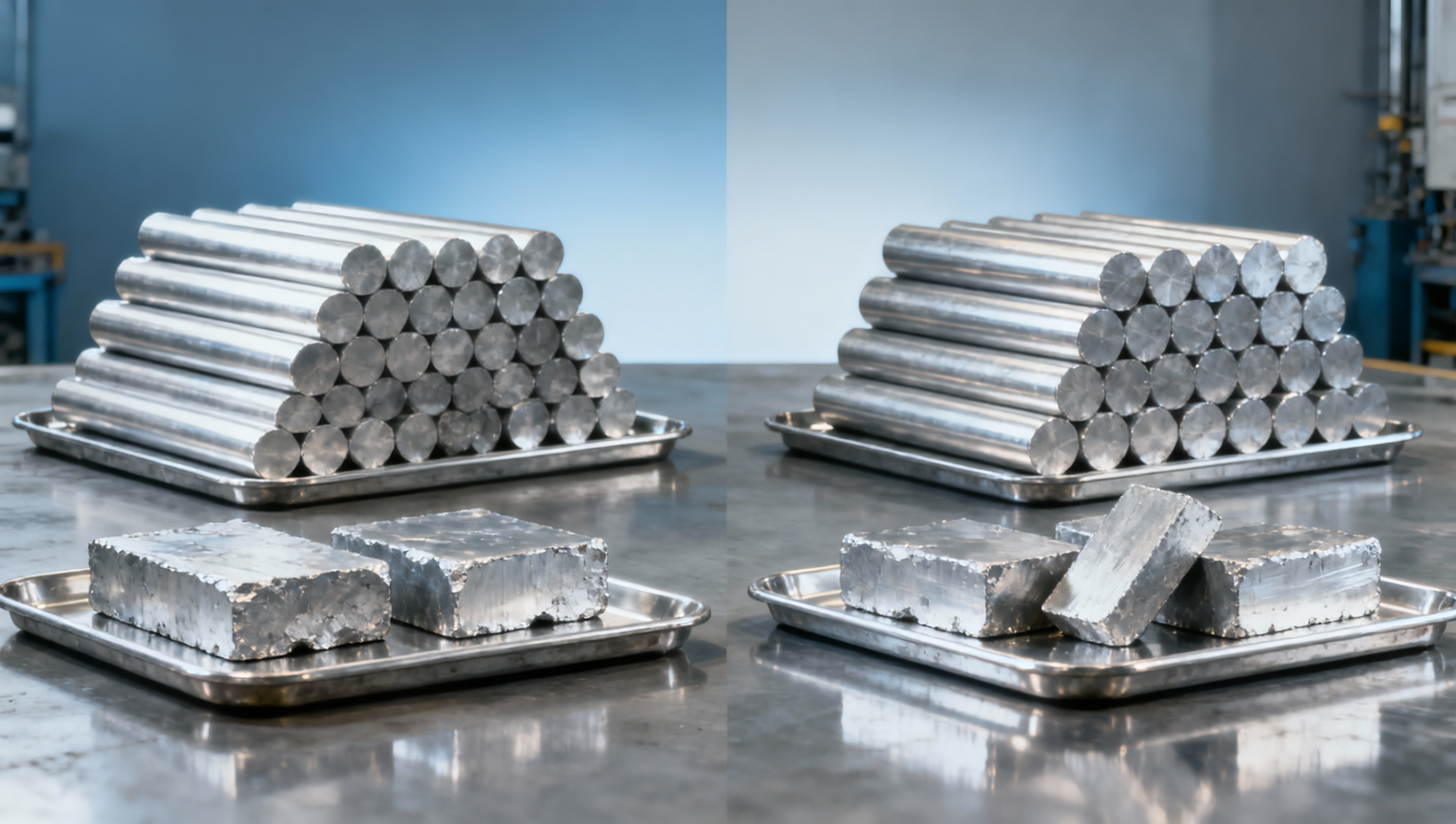
- Aluminum ingots bulk vs. cast bars: Which delivers better yield for extrusion?Author :Heavy Industry Strategist

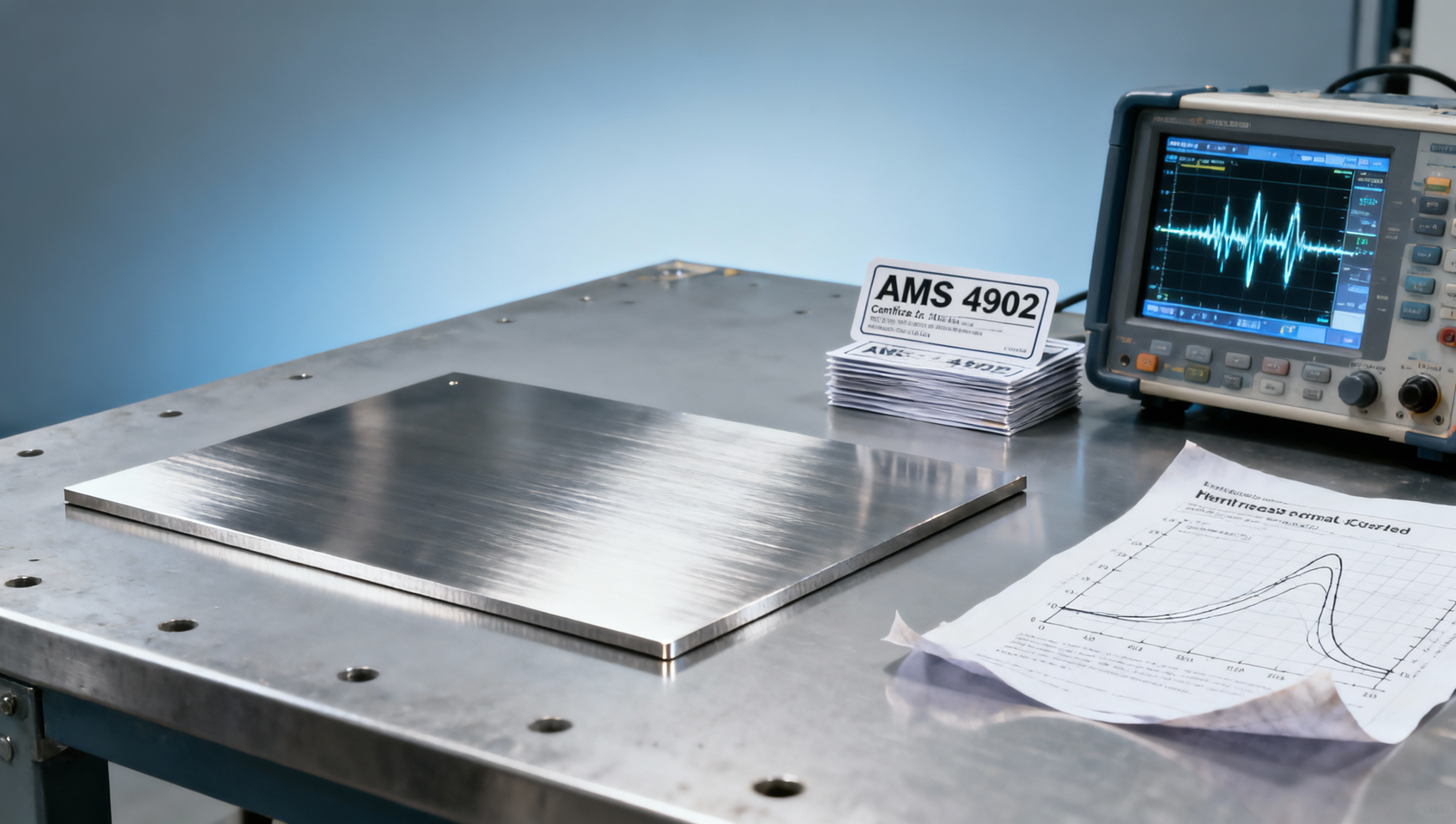
- Titanium alloys wholesale — how to verify grade authenticity before ordering?Author :Heavy Industry Strategist

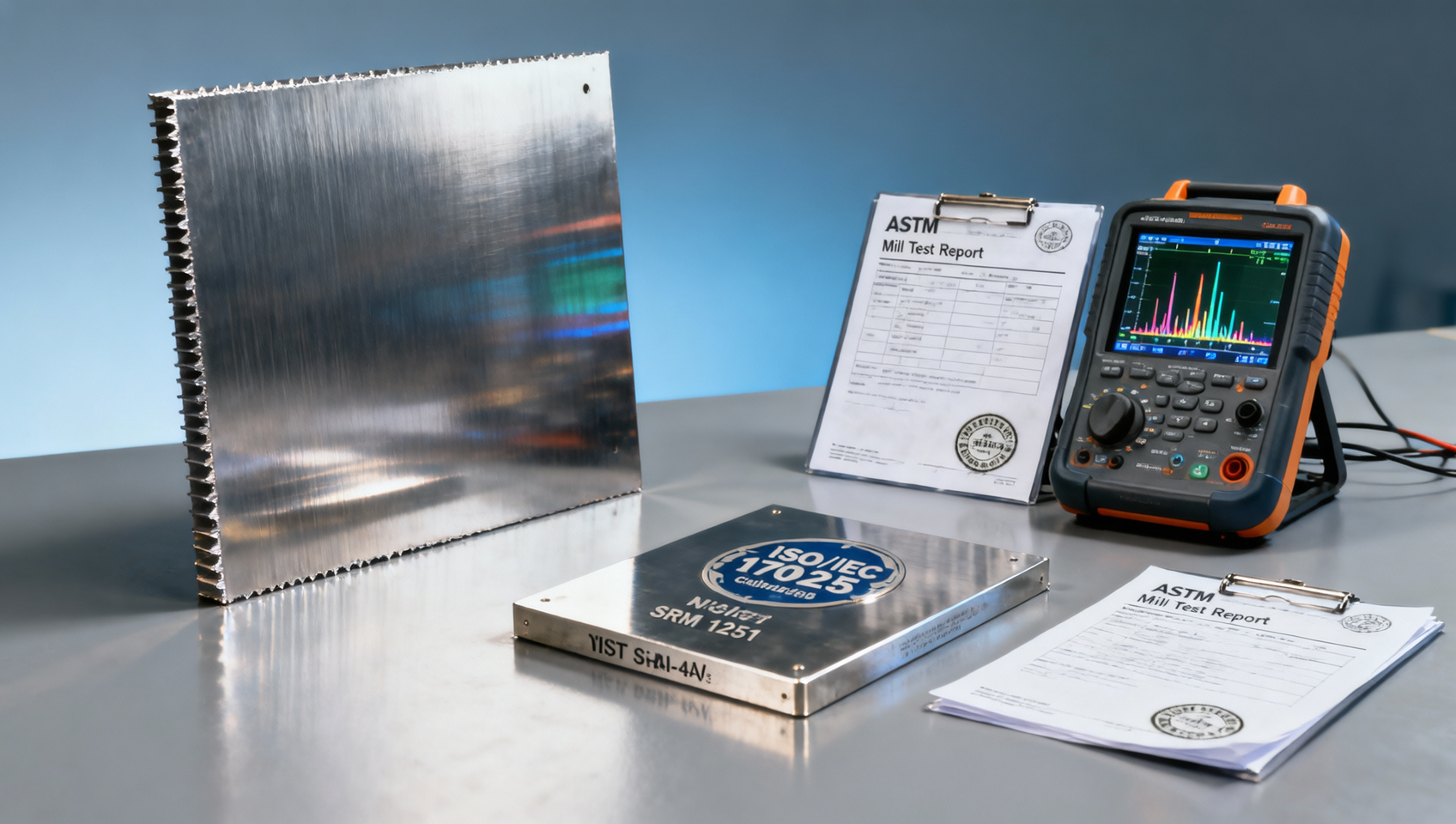
- Titanium Grade 2 sheet: Is mill test report enough for aerospace use?Author :Heavy Industry Strategist

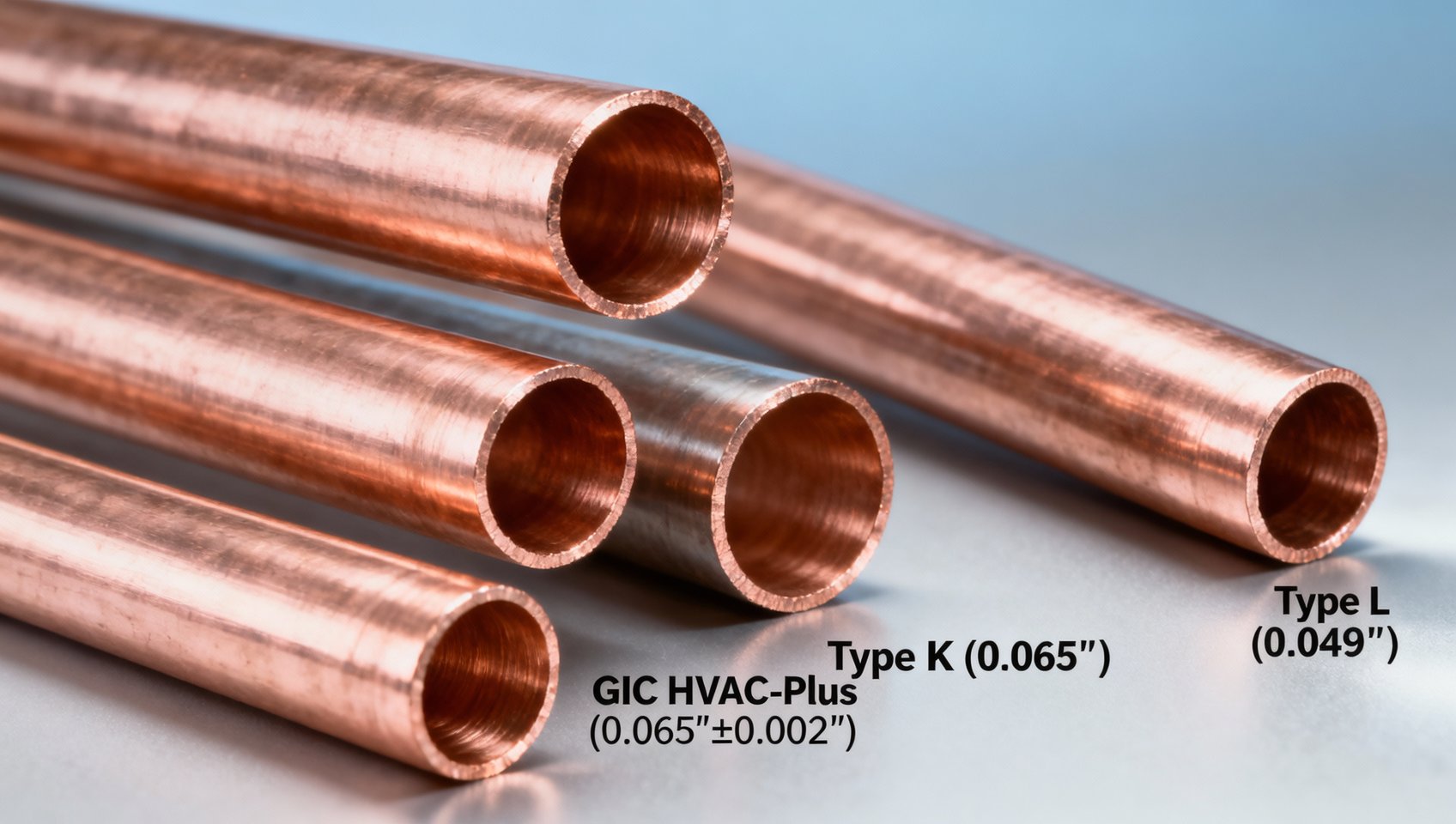
- Copper tubes for AC: Why wall thickness matters more than price aloneAuthor :Heavy Industry Strategist

- Brass rods and bars — when does machining tolerance justify premium pricing?Author :Heavy Industry Strategist

- Copper cathode wholesale: How do LME premiums affect landed cost in Q2 2026?Author :Heavy Industry Strategist