Copper Price Surge Impacts BOM Costs for Industrial Breakers & Transformers
Author
Date Published
Reading Time

Global copper prices rose 5.2% in a single day on April 21, 2026, driving up bill-of-materials (BOM) costs for industrial circuit breakers, relays, transformers, and switchgear—key components in power infrastructure and industrial automation.
Event Overview
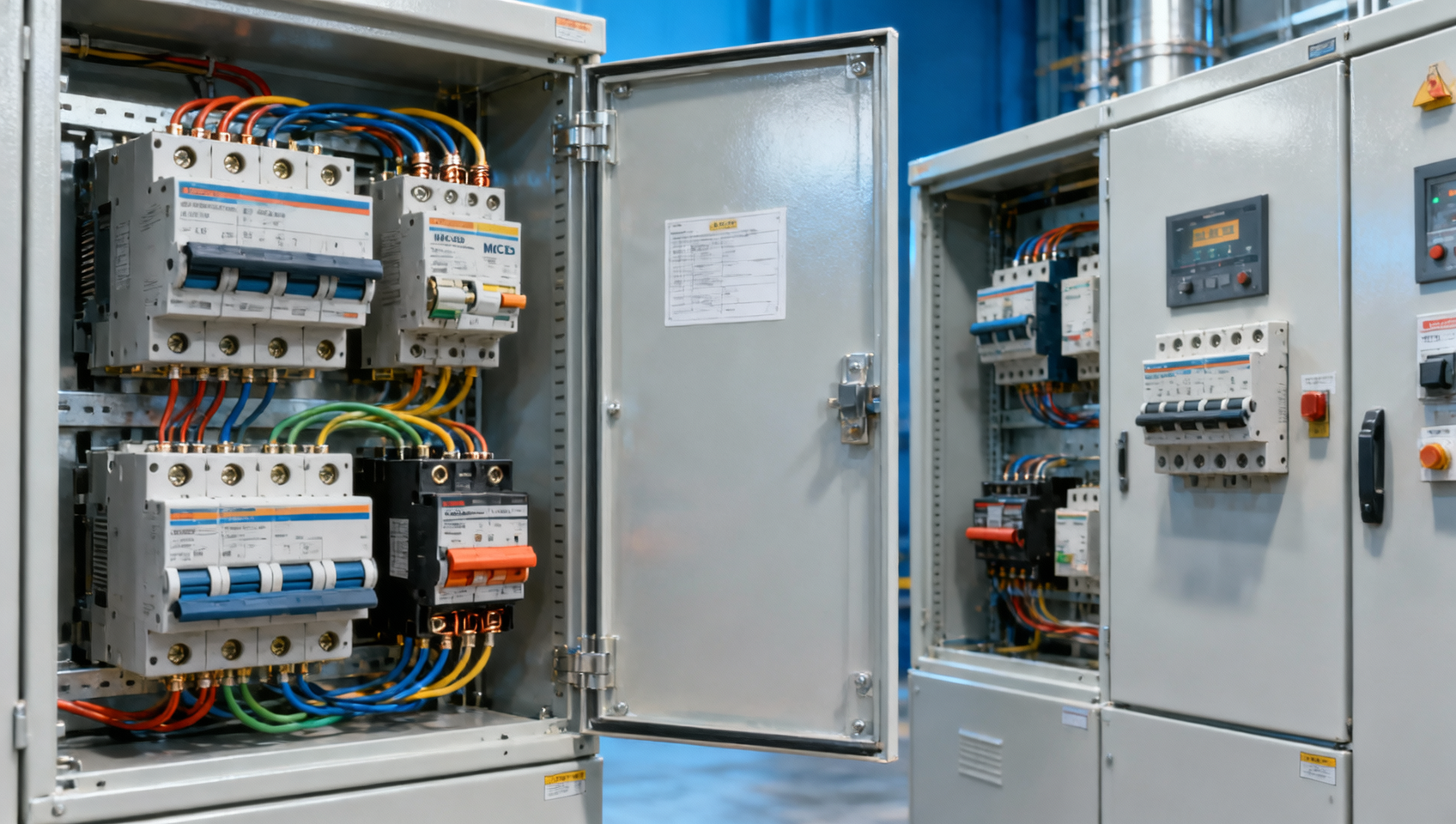
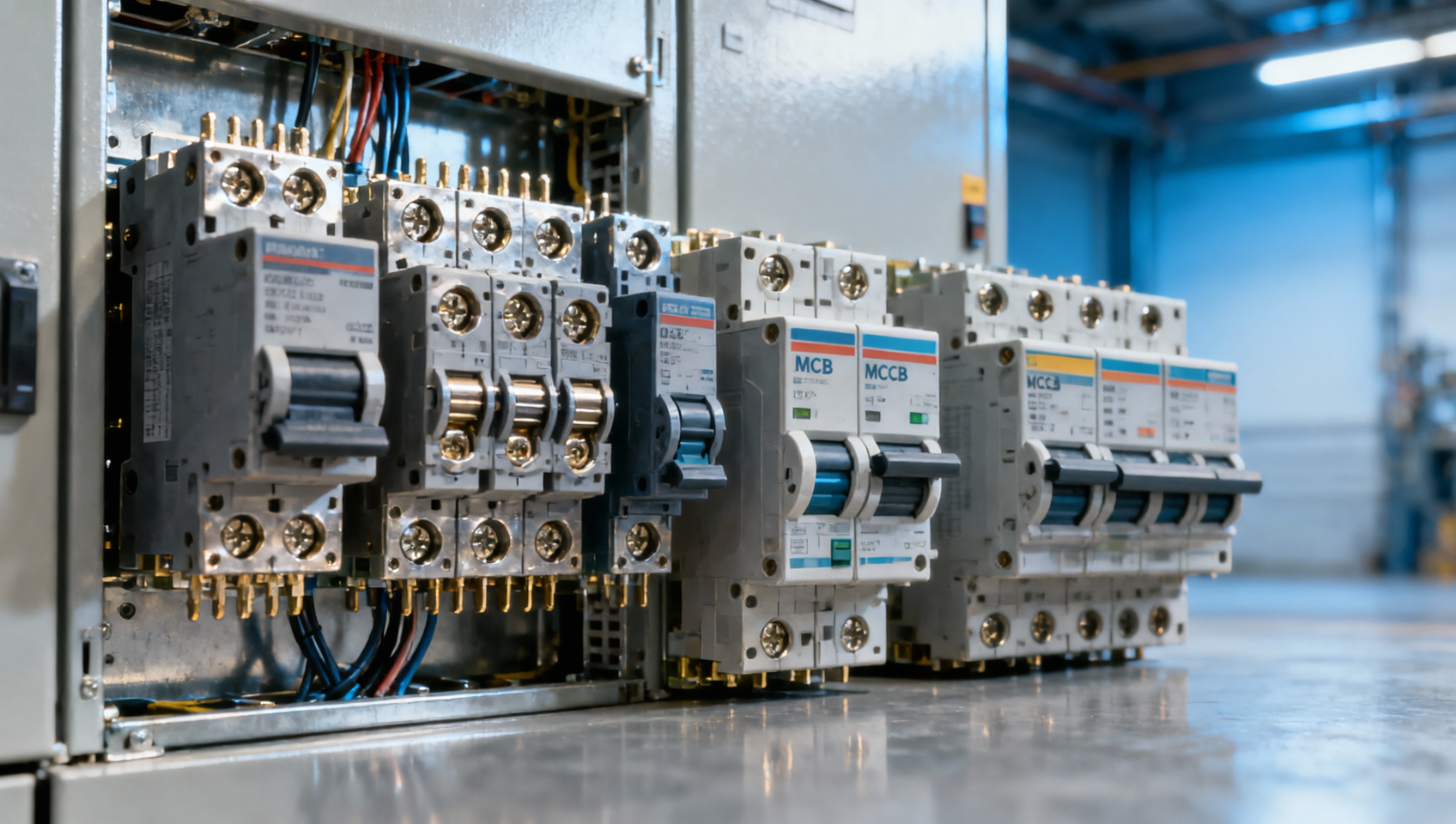
On April 21, 2026, LME copper futures closed at $9,840 per metric ton, marking a 5.2% daily increase and the highest level since November 2025. As a result, BOM costs for Breakers & Relays and Transformers & Switchgears—products where copper accounts for over 65% of material cost—rose 9.4% compared to early April. Multiple leading Chinese manufacturers have issued Q2 price adjustment notices to overseas customers.
Which Subsectors Are Affected
Direct Trading Enterprises
Trading firms handling copper-intensive electrical equipment face compressed margins due to sudden input cost volatility. The impact manifests primarily in pricing uncertainty for forward contracts and increased risk exposure in fixed-price export orders signed before mid-April.
Raw Material Procurement Units
Procurement teams sourcing copper or copper-based components (e.g., windings, busbars, contacts) are directly exposed to spot price fluctuations. Rising LME benchmarks trigger upward pressure on supplier quotations and may constrain lead-time flexibility for long-lead items.
Electrical Equipment Manufacturers
Manufacturers of industrial breakers, relays, transformers, and switchgear experience immediate BOM cost inflation. With copper representing more than two-thirds of key material inputs, even modest price shifts translate into double-digit percentage impacts on unit-level material cost—prompting formal price revisions for Q2 shipments.
Supply Chain & Logistics Service Providers
Third-party logistics and supply chain integrators supporting cross-border delivery of finished equipment must anticipate revised commercial terms—including updated landed cost calculations, revised Incoterms negotiations, and potential delays in customer acceptance tied to price reconfirmation.
What Relevant Enterprises or Practitioners Should Monitor and Do Now
Track LME copper futures and regional premium developments closely
Current volatility suggests near-term sensitivity to supply-side cues (e.g., mine output reports, port inventory data) and macro drivers (e.g., USD strength, China’s infrastructure policy signals). Daily monitoring helps calibrate hedging decisions and procurement timing.
Review active contracts for copper-linked pricing clauses or indexation mechanisms
Identify which export contracts include material cost pass-through provisions—or lack them entirely. Prioritize renegotiation or supplemental agreements for orders with delivery windows extending beyond Q2, especially where copper exposure exceeds 60% of BOM value.
Assess inventory positions for copper-heavy subassemblies and raw stock
Quantify existing copper-based component inventories (e.g., transformer windings, breaker contacts) by acquisition date and cost basis. Determine whether holding or accelerating consumption better aligns with current and projected cost trajectories.
Prepare internal communication and external notification templates for pricing updates
Standardize messaging for sales, procurement, and finance teams—particularly around justification language referencing LME benchmark changes and BOM recalculations. Ensure consistency across customer-facing materials to support transparent, defensible adjustments.
Editorial Perspective / Industry Observation
From an industry perspective, this copper price move is best understood not as an isolated commodity spike but as a signal of tightening physical availability amid sustained demand from energy transition infrastructure. Analysis来看, the 9.4% BOM cost rise reflects both direct metal cost impact and secondary effects such as higher scrap premiums and tighter supplier capacity. Current more appropriately represents a short-to-medium-term cost reset rather than a transient anomaly—especially given the absence of near-term supply additions flagged in public mining guidance. Observation来看, downstream electrical equipment makers are now entering a phase where quarterly BOM reviews may need to shift toward monthly cadence during periods of sustained LME volatility above $9,500/ton.
This event underscores how tightly coupled global base metal markets remain with industrial electrification supply chains—and why copper intensity metrics are becoming essential operational KPIs for procurement and product engineering teams alike.
It remains to be seen whether this price level triggers renewed substitution efforts (e.g., aluminum winding trials, contact material reformulation), though no such initiatives are confirmed in available disclosures.
Conclusion
The April 21 copper surge is not merely a headline statistic: it has already translated into measurable, quantified BOM cost increases for core power distribution hardware. For affected enterprises, the priority is not forecasting the next price move—but systematically identifying exposure points, validating contractual safeguards, and aligning internal processes to a new baseline of material cost volatility. This development is better interpreted as an operational inflection point than a one-off market event.
Information Sources
LME official settlement data (April 21, 2026); publicly disclosed BOM cost impact figures from multiple Tier-1 Chinese manufacturers (Q2 2026 price adjustment notices); verified copper content thresholds for Breakers & Relays and Transformers & Switchgears per IEC standard-aligned design documentation. Ongoing observation required for subsequent LME copper session behavior and any official statements from major copper producers or trade associations regarding supply outlook.
Technical Specifications
- RCEP Launches Industrial Waste Equipment Mutual RecognitionAuthor :Environmental Engineering Director
- IEC 61850-90-15:2026 Released — Time Stamp Precision Upgrade Impacts Power Equipment ExportsAuthor :Grid Infrastructure Analyst
- Copper Price Surge Impacts BOM Costs for Industrial Breakers & TransformersAuthor :Grid Infrastructure Analyst
Expert Insights

Chief Security Architect
Dr. Thorne specializes in the intersection of structural engineering and digital resilience. He has advised three G7 governments on industrial infrastructure security.
Related Analysis
- Apr 22, 2026RCEP Launches Industrial Waste Equipment Mutual RecognitionAuthor :Environmental Engineering Director
- Apr 22, 2026IEC 61850-90-15:2026 Released — Time Stamp Precision Upgrade Impacts Power Equipment ExportsAuthor :Grid Infrastructure Analyst
- Apr 22, 2026Copper Price Surge Impacts BOM Costs for Industrial Breakers & TransformersAuthor :Grid Infrastructure Analyst
Core Sector // 01
Security & Safety
- Copper Price Surge Impacts BOM Costs for Industrial Breakers & TransformersAuthor :Grid Infrastructure Analyst
![]()
- Earth Leakage Circuit Breaker vs RCDAuthor :Grid Infrastructure Analyst

- Why Magnetic Contactors Fail EarlyAuthor :Grid Infrastructure Analyst

- Wholesale Magnetic Contactors Buying GuideAuthor :Grid Infrastructure Analyst

- When to Replace a Thermal Overload RelayAuthor :Grid Infrastructure Analyst

- How to Choose Thermal Overload RelaysAuthor :Grid Infrastructure Analyst

- Safety relief valves: Why set pressure drift matters more than initial calibrationAuthor :Grid Infrastructure Analyst

- Solenoid valves wholesale: How coil voltage tolerance affects field reliabilityAuthor :Grid Infrastructure Analyst