2026 China Bike Expo Opens in Shanghai: Lightweight Bearings, Smart Locks, Carbon Frames Drive Export Growth
Author
Date Published
Reading Time
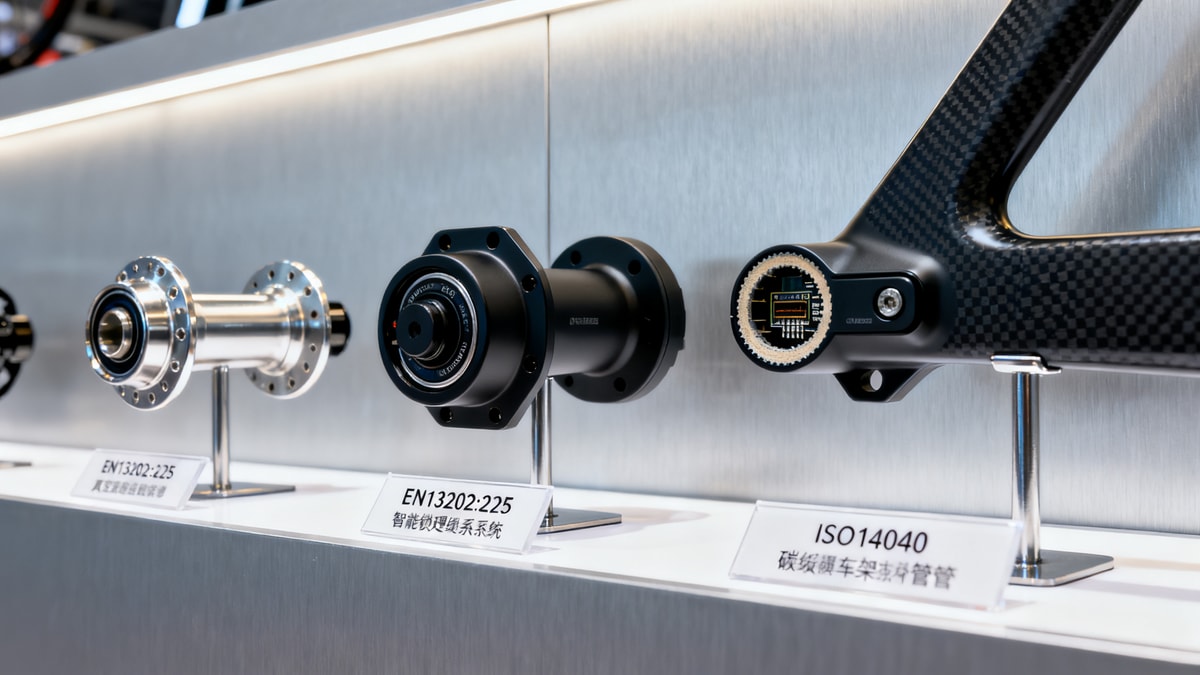
China Bike Expo 2026 opens in Shanghai on May 5–8, 2026 — a key indicator for global demand shifts in high-performance, sustainability-certified bicycle components. Export-oriented manufacturers of vacuum-heat-treated bearings, EN 13202:2025–compliant smart lock systems, and ISO 14040–assessed carbon fiber profiles are seeing notable traction, particularly in European and Australian markets. This signals evolving procurement priorities among international buyers and warrants attention from supply chain participants across materials, componentry, and compliance services.
Event Overview
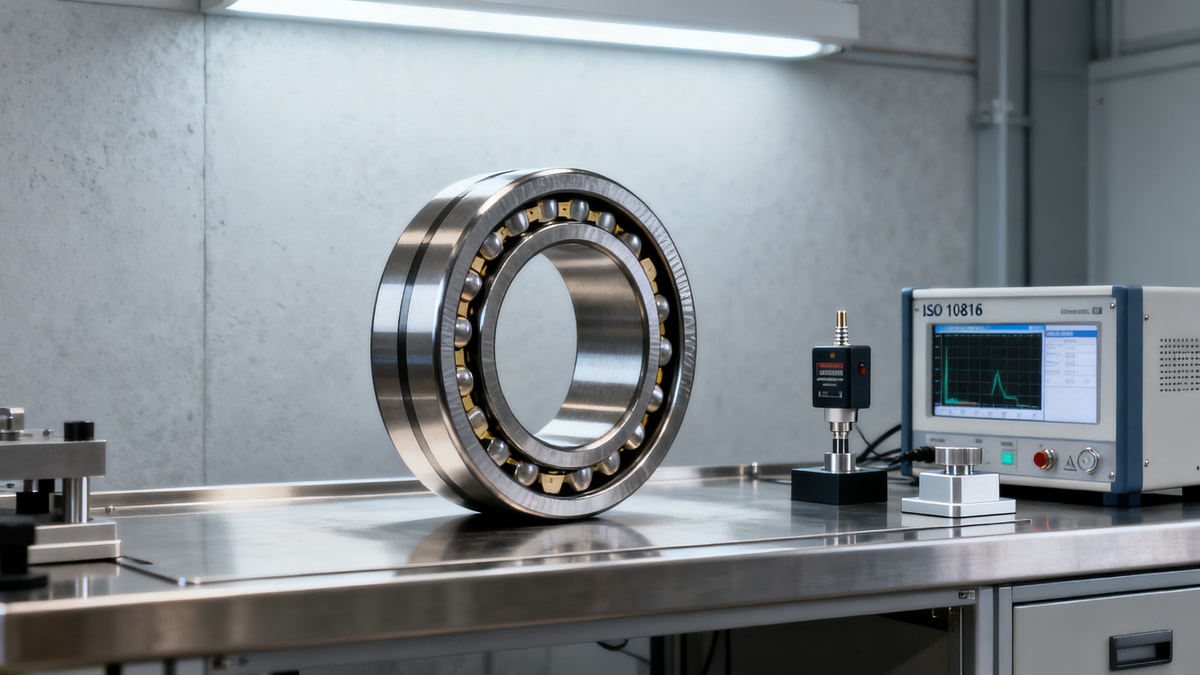
The 2026 China International Bicycle Exhibition will be held in Shanghai from May 5 to 8, 2026, occupying 160,000 square meters. According to official exhibition data, export-focused enterprises reporting inquiries for vacuum heat-treated bearings (Bearings & Seals), smart lock systems certified to EN 13202:2025 (CCTV & Access Control), and carbon fiber profiles assessed under ISO 14040 (Steel & Metal Profiles) recorded a 120% year-on-year increase in inquiry volume.
Industries Affected
Direct Trade Enterprises
These companies face shifting buyer expectations: technical specifications now routinely include thermal treatment process documentation, third-party anti-theft certification evidence, and lifecycle assessment reports. The 120% inquiry growth reflects not just volume but rising scrutiny on verifiable compliance — affecting quotation cycles, documentation readiness, and post-sale support requirements.
Raw Material Suppliers
Suppliers of base alloys, pre-preg carbon fiber, and precision steel billets are indirectly impacted as downstream fabricators increasingly request traceable material certifications aligned with ISO 14040 or EN 13202:2025 prerequisites. Demand for batch-level environmental data and heat-treatment validation records is becoming a de facto requirement for qualification.
Component Manufacturing Firms
Firms producing bearings, locking mechanisms, or carbon frames must now integrate compliance verification into core production workflows — including thermal process logging, certified testing lab coordination, and LCA data collection. Absence of these capabilities may limit access to high-margin export orders, even if product performance meets functional standards.
Supply Chain & Certification Service Providers
Third-party testing labs, certification bodies, and logistics partners handling documentation-intensive shipments (e.g., EN-compliant lock kits requiring CE marking support) are seeing increased service requests. The inquiry surge implies higher demand for bilingual technical documentation support and audit-readiness preparation.
What Relevant Enterprises or Practitioners Should Focus On
Monitor Official Updates on EN 13202:2025 Implementation Timelines
EN 13202:2025 is a newly revised standard; national transposition deadlines and enforcement dates vary across EU member states. Enterprises should track official notifications from notified bodies and national metrology institutes — not assume immediate mandatory application across all markets.
Prioritize Verification Readiness for Three Key Product Categories
Focus internal resources on ensuring documented compliance for vacuum heat-treated bearings, EN 13202:2025–aligned smart locks, and ISO 14040–based carbon fiber profile declarations. Avoid broad compliance overhauls; instead, align documentation, test reports, and labeling specifically with these three high-inquiry categories.
Distinguish Between Inquiry Volume and Order Conversion
The 120% inquiry growth reflects initial market interest — not confirmed purchase commitments. Enterprises should assess whether inbound requests include formal RFQs with specification annexes, or remain exploratory. Prioritize follow-up on inquiries referencing specific clauses of EN 13202:2025 or ISO 14040 methodology.
Prepare Technical Documentation Packages Ahead of Exhibition Follow-Ups
Buyers attending the Shanghai show will likely request full compliance dossiers post-event. Assemble standardized packages including: (1) heat treatment process validation records, (2) EN 13202:2025 test reports from accredited labs, and (3) ISO 14040 summary statements with scope and boundary definitions — all in English and EU/AU-market-ready formats.
Editorial Perspective / Industry Observation
Observably, this inquiry surge functions less as an immediate sales signal and more as a leading indicator of tightening regulatory and commercial expectations in mature bicycle markets. The concentration across three technically specific, certification-heavy categories suggests buyers are moving beyond price and aesthetics toward verifiable engineering and sustainability attributes. Analysis shows that the 120% growth is concentrated among firms already engaged in export compliance — not broad-based industry-wide adoption. From an industry perspective, this reflects a structural shift in how performance and responsibility are co-defined in procurement criteria, rather than a short-term trend.
Conclusion: This development underscores a growing divergence between domestic and export compliance baselines — especially for component suppliers targeting Europe and Australia. It is not yet a market-wide mandate, but it is becoming a prerequisite for competitive positioning in high-value segments. Current interpretation should emphasize preparedness over urgency: treat the Shanghai Expo as a diagnostic moment, not a deadline.
Source: Official data released by China Bike Expo 2026 organizing committee. Note: EN 13202:2025 enforcement status and ISO 14040 application scope in bicycle component contexts remain subject to ongoing national regulatory updates — continued observation recommended.
Technical Specifications
- ILAC Recognizes CNAS Bearing Vibration ReportsAuthor :Heavy Industry Strategist
- ESMA Mandates EN 14181 QA/QC Level 3 for Industrial Water Sensors in UAEAuthor :Environmental Engineering Director
- JIS T 8201-2026 Enforces New Low-Temp Impact Test for Fire Respirator MasksAuthor :Safety Compliance Lead
Expert Insights

Chief Security Architect
Dr. Thorne specializes in the intersection of structural engineering and digital resilience. He has advised three G7 governments on industrial infrastructure security.
Related Analysis
- May 01, 2026ILAC Recognizes CNAS Bearing Vibration ReportsAuthor :Heavy Industry Strategist
- May 01, 2026ESMA Mandates EN 14181 QA/QC Level 3 for Industrial Water Sensors in UAEAuthor :Environmental Engineering Director
- May 01, 2026JIS T 8201-2026 Enforces New Low-Temp Impact Test for Fire Respirator MasksAuthor :Safety Compliance Lead
Core Sector // 01
Security & Safety
- ILAC Recognizes CNAS Bearing Vibration ReportsAuthor :Heavy Industry Strategist

- Indonesia Opens Bearings & Seals Sector to 100% Foreign OwnershipAuthor :Heavy Industry Strategist

- Vietnam Requires VILAS-Certified Heat Treatment Reports for Imported BearingsAuthor :Heavy Industry Strategist

- 2026 China Bike Expo Opens in Shanghai: Lightweight Bearings, Smart Locks, Carbon Frames Drive Export GrowthAuthor :Heavy Industry Strategist

- LME Nickel Surges 5.2% on April 29, 2026: Impact on Stainless Bearings & SealsAuthor :Heavy Industry Strategist

- ILAC Recognizes CNAS Bearing Vibration ReportsAuthor :Heavy Industry Strategist

- Indonesia Opens Bearings & Seals Sector to 100% Foreign OwnershipAuthor :Heavy Industry Strategist

- Vietnam MOIT Mandates VILAS-Certified Heat Treatment Reports for Bearing ImportsAuthor :Heavy Industry Strategist