Why one Security & Safety price can vary so much
Author
Date Published
Reading Time
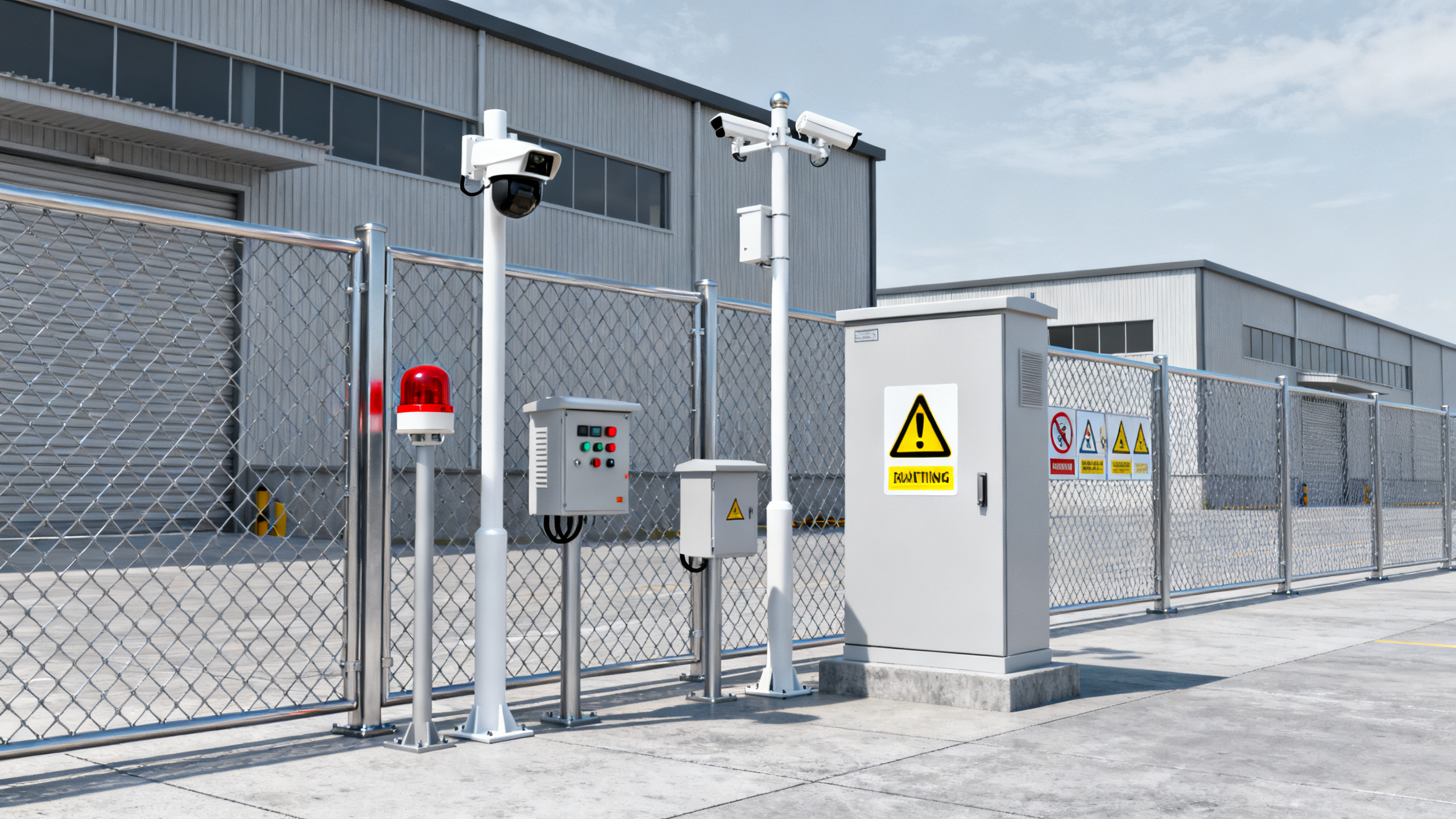
Why can one Security & Safety price differ so dramatically from another? In industrial procurement, the number on a quotation rarely reflects the full decision. A lower Security & Safety price may exclude certification, traceability, endurance testing, or after-sales accountability. A higher quote may include engineered reliability, stronger materials, and lower lifecycle risk. Understanding these hidden cost drivers helps evaluate true value, not just visible spend.
Why a checklist matters when comparing Security & Safety price
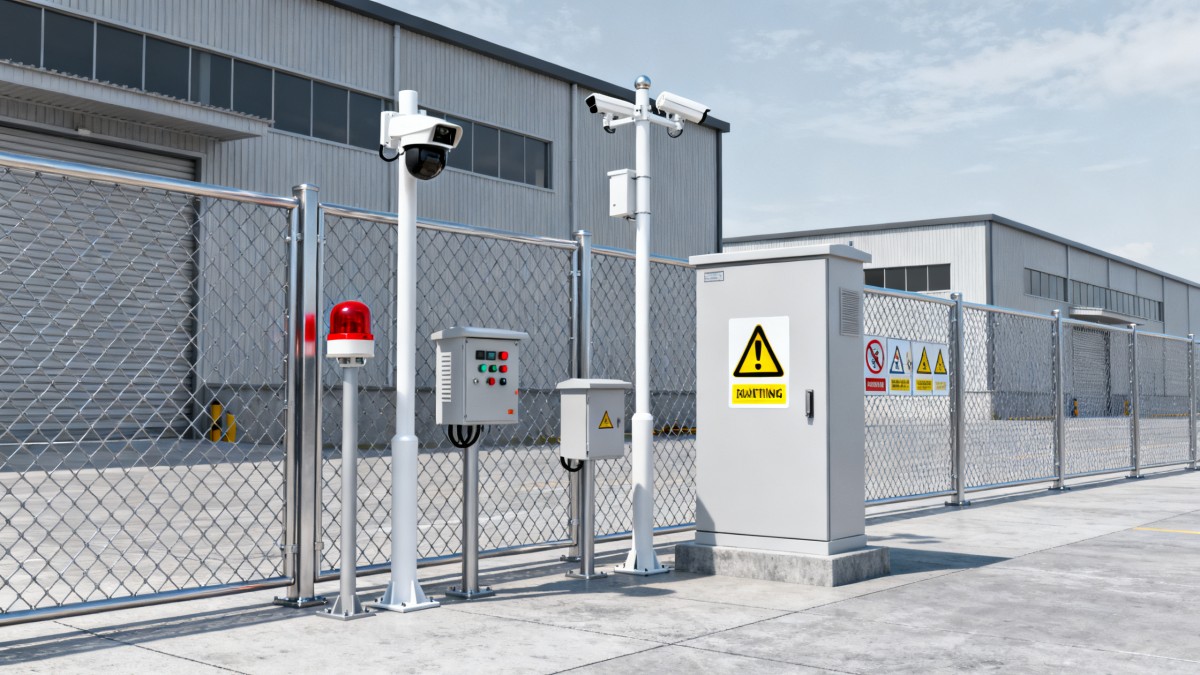
Industrial safety products sit inside systems where failure can stop production, trigger compliance issues, or create injury exposure. That is why Security & Safety price should be reviewed through a structured checklist rather than unit cost alone.
In a combined industrial environment, products may serve plants, utilities, logistics hubs, workshops, warehouses, and infrastructure assets. Each setting changes performance requirements, inspection scope, and documentation needs, which directly affect pricing.
A checklist also creates consistency. It allows fair comparison between suppliers that present very different quotations, specifications, and service terms. Without it, low prices can hide expensive operational gaps.
Core checklist for evaluating Security & Safety price
- Verify certification scope before comparing price. Confirm whether CE, UL, ISO, fire rating, explosion protection, or local compliance approvals are included or still pending.
- Check material grade and build quality. Compare stainless steel type, polymer resistance, coating thickness, sealing method, and impact tolerance under real operating conditions.
- Review testing depth, not just pass statements. Ask for ingress protection tests, fatigue data, thermal cycling, corrosion exposure, and third-party validation records.
- Confirm performance consistency across batches. A low Security & Safety price can reflect weaker quality control, broader tolerances, or inconsistent sourcing of critical components.
- Measure service life against replacement cost. Longer durability often raises initial price but lowers downtime, labor, disposal, and emergency procurement expenses.
- Audit traceability and documentation. Check serial tracking, inspection logs, material certificates, calibration reports, and revision control for safety-critical items.
- Examine environmental suitability. UV exposure, washdown conditions, chemicals, dust, vibration, and temperature extremes can change the appropriate Security & Safety price level.
- Compare installation requirements. Some products need specialist commissioning, wiring changes, anchors, software integration, or protective housings that alter the actual project cost.
- Assess supplier credibility through evidence. Look for manufacturing audits, claim response history, technical support depth, and repeat supply performance on industrial projects.
- Calculate total cost of ownership. Include maintenance intervals, spare parts, inspection frequency, training needs, warranty coverage, and end-of-life replacement risk.
What usually makes one quote look cheaper
A lower Security & Safety price often results from narrower scope. The supplier may quote only the core device, while another includes mounts, cables, labels, test reports, and compliance files.
Price gaps also appear when one product is rated for harsh duty and another for light commercial use. Similar appearance does not mean equivalent industrial performance.
How Security & Safety price changes by application scenario
Hazardous or high-risk industrial zones
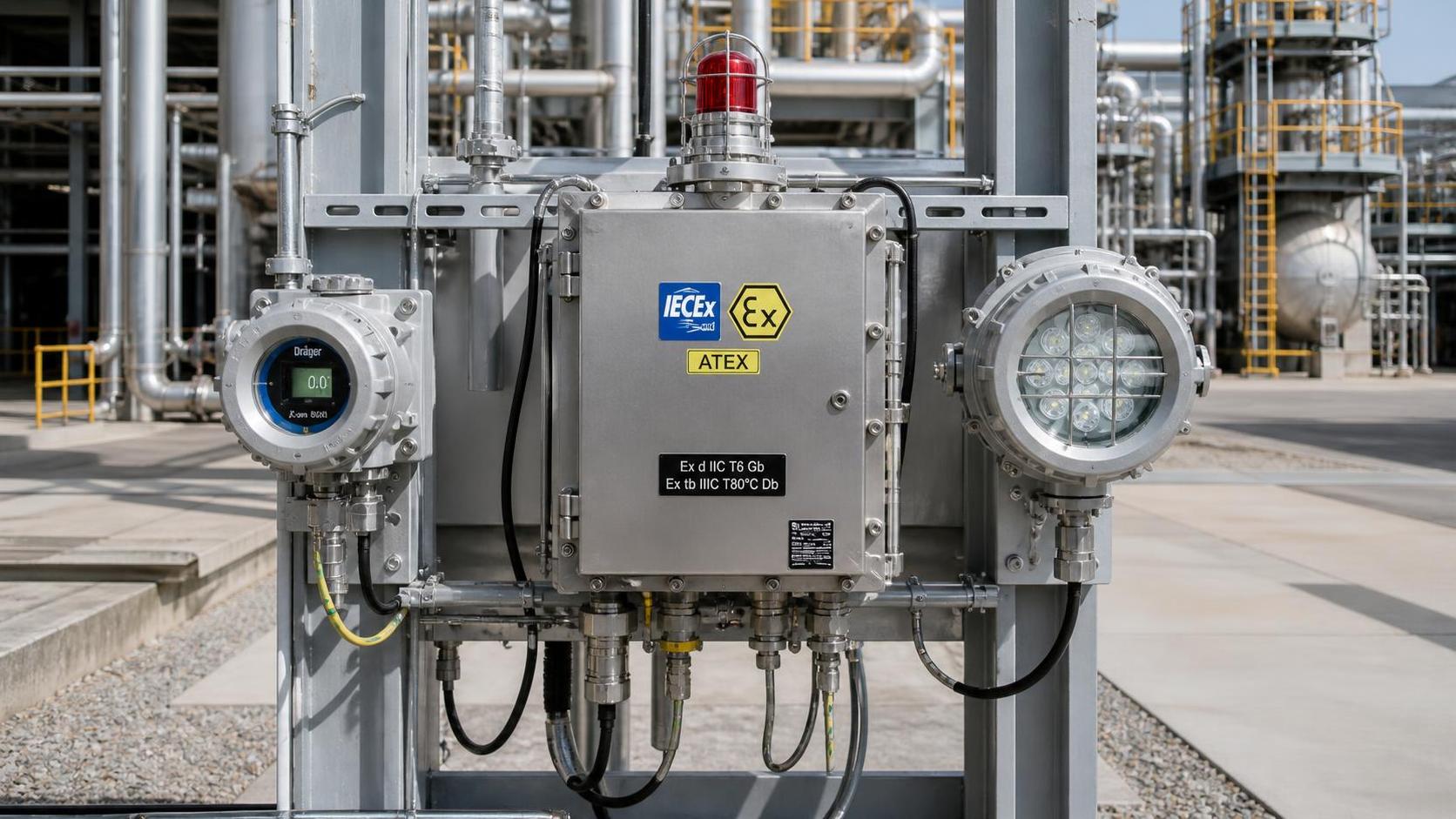
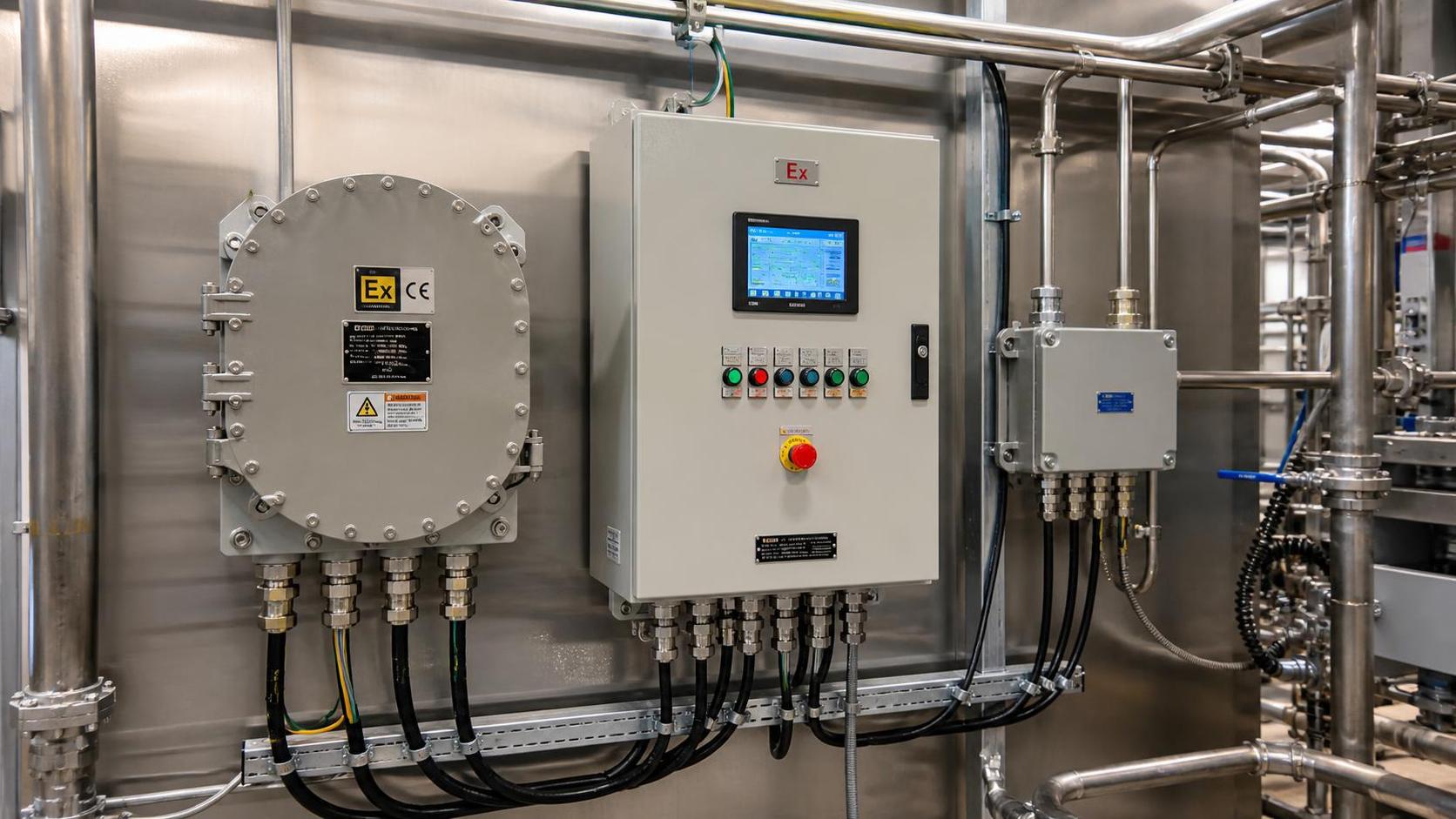
In refineries, chemical processing, fuel storage, and dust-risk areas, Security & Safety price rises because equipment must meet stricter explosion, containment, and ignition-control standards.
Documentation is also heavier. Technical files, marked components, certified enclosures, and inspection procedures add real cost but reduce regulatory and operational exposure.
General manufacturing and warehousing
For production halls and storage sites, the Security & Safety price often depends on traffic volume, impact resistance, visibility requirements, and integration with existing controls.
Products in these spaces may look simple, yet labor, mounting hardware, signage durability, and compatibility with facility standards can materially change the final quotation.
Outdoor infrastructure and utility assets
Outdoor installations face corrosion, ultraviolet degradation, condensation, and wind-driven dust. Here, Security & Safety price is shaped by enclosure rating, coating systems, and weatherproof sealing.
Remote locations usually need easier maintenance access and stronger reliability. Paying more upfront can reduce service visits, shutdown windows, and emergency replacement logistics.
Commonly overlooked factors that distort Security & Safety price decisions
Unclear compliance ownership
Some quotations assume the buyer will manage final approval, site inspection, or local certification. That can make the listed Security & Safety price seem attractive while shifting cost and liability elsewhere.
Warranty language with operational exclusions
A longer warranty is not always stronger protection. Exclusions for chemical exposure, high-cycle use, incorrect installation, or outdoor conditions can significantly reduce its practical value.
Missing interoperability checks
Security and safety devices often connect with alarms, controls, access systems, or monitoring platforms. If compatibility is ignored, integration work can erase any initial Security & Safety price advantage.
Short-term sourcing without spare strategy
Single-batch buying may secure a low quote today, but future part changes, lead time shifts, or obsolete models can create expensive maintenance and stocking problems later.
Practical steps to compare Security & Safety price more accurately
- Build a like-for-like comparison sheet covering certification, material, ingress rating, test records, warranty terms, accessories, installation scope, and delivery conditions.
- Request evidence, not claims. Ask suppliers to submit datasheets, certificates, sample reports, inspection records, and reference applications in similar operating environments.
- Score risk separately from price. Assign weighted values to compliance exposure, downtime risk, maintenance burden, and replacement complexity before ranking quotations.
- Model lifecycle cost over three to five years. Include service intervals, labor hours, spare inventory, inspection frequency, and likely failure consequences.
- Clarify responsibility in writing. State who handles certification gaps, commissioning support, training, software updates, and defect response after delivery.
A simple decision rule
If two products appear similar, compare the cost of failure before comparing the unit price. In safety applications, the cheapest option is often the most expensive decision over time.
Conclusion and next action
Security & Safety price varies because the market is not selling identical risk. It is selling different levels of compliance, durability, documentation, service support, and operational assurance.
The most reliable approach is to compare quotations through a structured checklist, then validate lifecycle impact. That method reveals whether a higher Security & Safety price is true cost inflation or justified value.
For the next evaluation, create a side-by-side matrix, request proof for every critical claim, and separate visible purchase cost from long-term risk cost. That is how better industrial buying decisions are made.
Technical Specifications
- How to Select Electronic Hotel Key Card Locks for Guest Rooms and Staff AreasAuthor :Safety Compliance Lead
- How to Select Lab Instruments for Reliable Chemical Analysis WorkflowsAuthor :Precision Metrology Expert
- How to Size a UPS for Server Rooms: Load, Runtime, and Redundancy FactorsAuthor :Grid Infrastructure Analyst
Expert Insights

Chief Security Architect
Dr. Thorne specializes in the intersection of structural engineering and digital resilience. He has advised three G7 governments on industrial infrastructure security.
Related Analysis
- Sep 17, 2026How to Select Electronic Hotel Key Card Locks for Guest Rooms and Staff AreasAuthor :Safety Compliance Lead
- Sep 16, 2026How to Select Lab Instruments for Reliable Chemical Analysis WorkflowsAuthor :Precision Metrology Expert
- Sep 15, 2026How to Size a UPS for Server Rooms: Load, Runtime, and Redundancy FactorsAuthor :Grid Infrastructure Analyst
Core Sector // 01
Security & Safety
- Can One Supplier Provide Both IEC- and ATEX-Certified Safety Equipment?Author :Safety Compliance Lead

- Are Dual IEC and NEC Safety Certifications Worth the Cost?Author :Safety Compliance Lead

- What Is the Difference Between Class I and Class II PPE?Author :Safety Compliance Lead

- Which Oil and Gas Safety Standards Should Contractors Meet Before Site Mobilization?Author :Safety Compliance Lead

- EU REACH Adds PFAS Cap for PPE WorkwearAuthor :Safety Compliance Lead

- How to Evaluate a Chemical Resistant Suit Supplier for Industrial Safety ProcurementAuthor :Safety Compliance Lead

- EU REACH Sets 50 ppb PFAS Cap for PPE WorkwearAuthor :Safety Compliance Lead

- EU Tightens PFOA Limit for PPE and Industrial Filter MediaAuthor :Safety Compliance Lead