TSE Updates TS EN 149:2026 for FFP3 Respirators
Author
Date Published
Reading Time
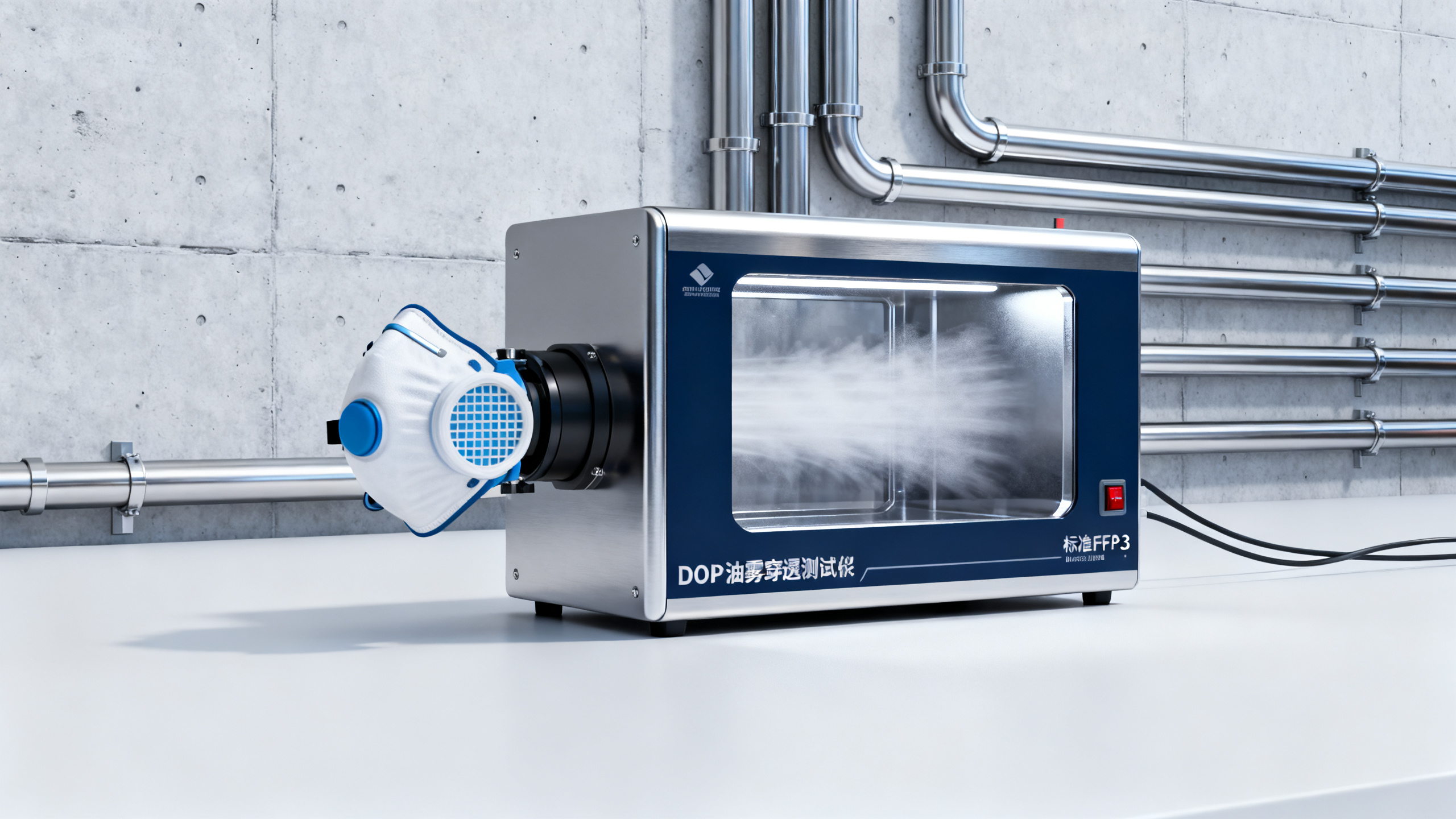
On May 8, 2026, the Turkish Standards Institution (TSE) revised TS EN 149:2026, mandating biannual retesting of industrial particulate-filtering respirators—including KN100 and FFP3 types—for oil-based aerosol (DOP) penetration rate, with the maximum allowable rate tightened from 5% to 2%. This update directly affects PPE exporters, importers, and compliance service providers serving the Turkish market.
Event Overview
The Turkish Standards Institution (TSE) published an updated version of TS EN 149:2026 on May 8, 2026. Under the revision, all imported industrial particulate-filtering respirators—regardless of classification (e.g., KN100, FFP3)—must submit a DOP (di-octyl phthalate) oil aerosol penetration test report to TSE every six months. The permissible penetration rate has been reduced from 5% to 2%. This requirement is now in force and has triggered urgent retesting activity among Chinese PPE exporters.
Which Subsectors Are Affected
Direct Trading Enterprises
Exporters and importers handling FFP3- or KN100-class respirators destined for Turkey must now manage recurring compliance documentation. The biannual submission cycle introduces operational overhead in scheduling, lab coordination, and certificate renewal—especially where lead times for accredited testing exceed four weeks.
Manufacturing Enterprises
Factories producing certified respirators face tighter internal quality control demands. A 2% DOP penetration threshold implies stricter filter media consistency, tighter sealing during assembly, and more rigorous batch-level validation—potentially affecting yield rates and production planning for Turkish-bound consignments.
Supply Chain & Certification Service Providers
Third-party testing labs, conformity assessment bodies, and regulatory consultants are seeing increased demand for DOP-specific retesting under TS EN 149:2026. Capacity constraints at accredited facilities may cause delays; providers must verify whether their current scope of accreditation explicitly covers the revised 2% limit under TSE’s enforcement framework.
What Relevant Enterprises or Practitioners Should Focus On and How to Respond
Monitor Official Updates from TSE and Turkish Customs
While TS EN 149:2026 is effective as of May 8, 2026, implementation guidance—including acceptable test methods, lab accreditation criteria, and transitional arrangements—may be issued separately. Stakeholders should subscribe to TSE’s official notifications and track Turkish customs circulars for enforcement timelines.
Prioritize Re-testing for High-Volume or High-Risk SKUs
Enterprises should identify which respirator models constitute the majority of Turkish exports or carry highest certification risk (e.g., those previously tested near the 5% threshold). These SKUs warrant immediate scheduling of DOP retesting to avoid shipment holds or market access suspension.
Distinguish Between Policy Signal and Operational Enforcement
Analysis shows that the 2% penetration limit reflects a tightening of technical stringency—not necessarily an expansion of product scope. It applies only to respirators placed on the Turkish market under TS EN 149:2026, not to other standards (e.g., GB 2626 or EN 149:2001+A1:2009) used elsewhere. Businesses should confirm whether existing certificates remain valid for non-Turkish destinations.
Prepare Documentation and Lab Coordination in Advance
Given the six-month retesting cadence, enterprises should map out testing windows, pre-select TSE-recognized laboratories, and align internal QA workflows to ensure reports are submitted before each deadline. Retaining raw test data and calibration records is advisable, as TSE may request audit support.
Editorial Perspective / Industry Observation
Observably, this revision functions primarily as a compliance signal rather than an immediate market barrier. The 2% threshold aligns more closely with high-end FFP3 performance benchmarks used in EU-type examination but exceeds the minimum EN 149:2001 requirement. From an industry perspective, it signals TSE’s intent to harmonize domestic enforcement with evolving international best practices—particularly regarding oil aerosol filtration reliability. Current attention should focus less on whether the standard is ‘stricter’ and more on how consistently and transparently it will be enforced across ports and customs offices. Continuous monitoring remains essential, as further clarifications—or phased rollout—could follow.
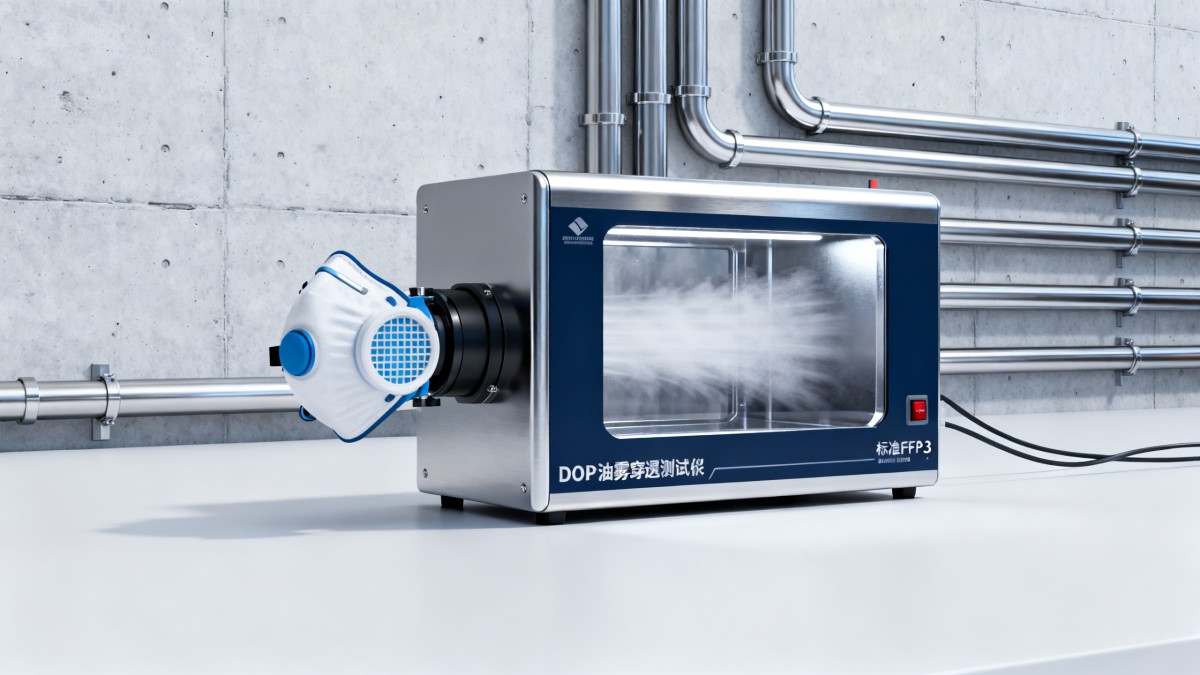
In summary, the TS EN 149:2026 revision marks a procedural and technical recalibration for respirator compliance in Turkey—not a wholesale regulatory shift. Its significance lies in the operational rhythm it imposes (biannual verification) and the precision it demands (2% DOP penetration). For stakeholders, it is better understood as a sustained compliance obligation than a one-time certification hurdle.
Source: Turkish Standards Institution (TSE), official announcement dated May 8, 2026.
Note: Implementation details—including accepted test protocols, grace periods, and lab recognition status—are still pending formal publication and remain under observation.
Technical Specifications
- Air Handling Unit Supplier Checklist: Performance Data, Lead Times, and SupportAuthor :Environmental Engineering Director
- Buying Fiberglass Water Tanks Wholesale: Compare Quotes and Delivery CostsAuthor :Environmental Engineering Director
- Choosing an XLPE Power Cable Supplier: Test Reports, Traceability, and Lead TimesAuthor :Grid Infrastructure Analyst
Expert Insights

Chief Security Architect
Dr. Thorne specializes in the intersection of structural engineering and digital resilience. He has advised three G7 governments on industrial infrastructure security.
Related Analysis
- Oct 19, 2026Air Handling Unit Supplier Checklist: Performance Data, Lead Times, and SupportAuthor :Environmental Engineering Director
- Oct 18, 2026Buying Fiberglass Water Tanks Wholesale: Compare Quotes and Delivery CostsAuthor :Environmental Engineering Director
- Oct 17, 2026Choosing an XLPE Power Cable Supplier: Test Reports, Traceability, and Lead TimesAuthor :Grid Infrastructure Analyst
Core Sector // 01
Security & Safety
- Can One Supplier Provide Both IEC- and ATEX-Certified Safety Equipment?Author :Safety Compliance Lead

- Are Dual IEC and NEC Safety Certifications Worth the Cost?Author :Safety Compliance Lead

- What Is the Difference Between Class I and Class II PPE?Author :Safety Compliance Lead

- Which Oil and Gas Safety Standards Should Contractors Meet Before Site Mobilization?Author :Safety Compliance Lead

- EU REACH Adds PFAS Cap for PPE WorkwearAuthor :Safety Compliance Lead

- How to Evaluate a Chemical Resistant Suit Supplier for Industrial Safety ProcurementAuthor :Safety Compliance Lead

- EU REACH Sets 50 ppb PFAS Cap for PPE WorkwearAuthor :Safety Compliance Lead

- EU Tightens PFOA Limit for PPE and Industrial Filter MediaAuthor :Safety Compliance Lead