Security & Safety Price Gaps Often Start with Compliance
Author
Date Published
Reading Time
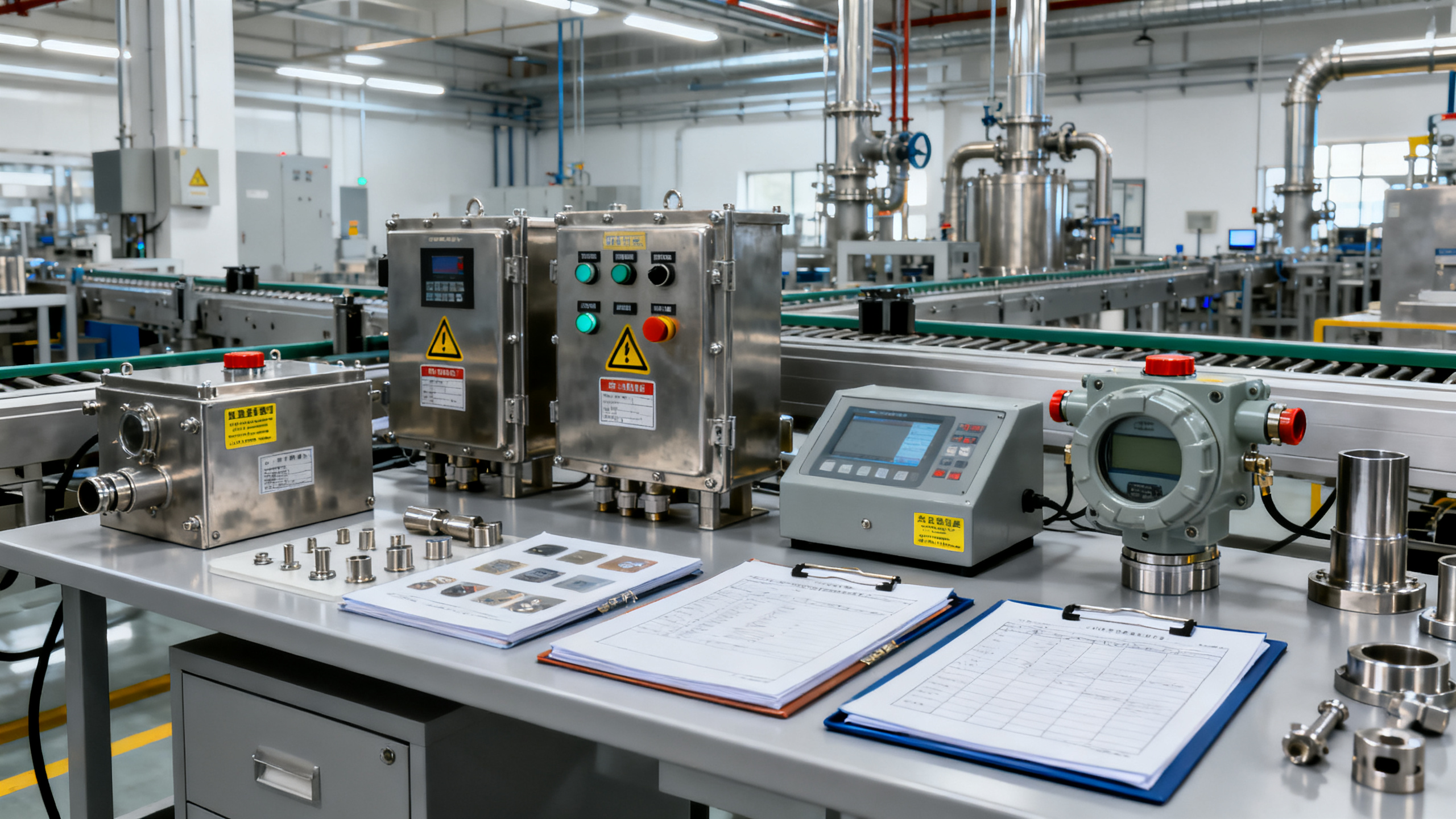
Security & Safety price differences rarely begin with the quote alone. They usually start earlier, inside compliance scope, certification pathways, testing depth, and documentation expectations.
In industrial environments, a lower initial number can hide expensive gaps. Missing approvals, weak traceability, or unsuitable materials often create higher lifecycle cost and higher operational exposure.
That is why Security & Safety price evaluation should connect finance, engineering, quality, and regulatory review. Better decisions come from checking what the quote includes, excludes, and silently transfers downstream.
Why compliance often sets the real Security & Safety price
Compliance defines whether a product can be installed, insured, audited, and safely operated. It influences design validation, component selection, factory controls, and field acceptance requirements.
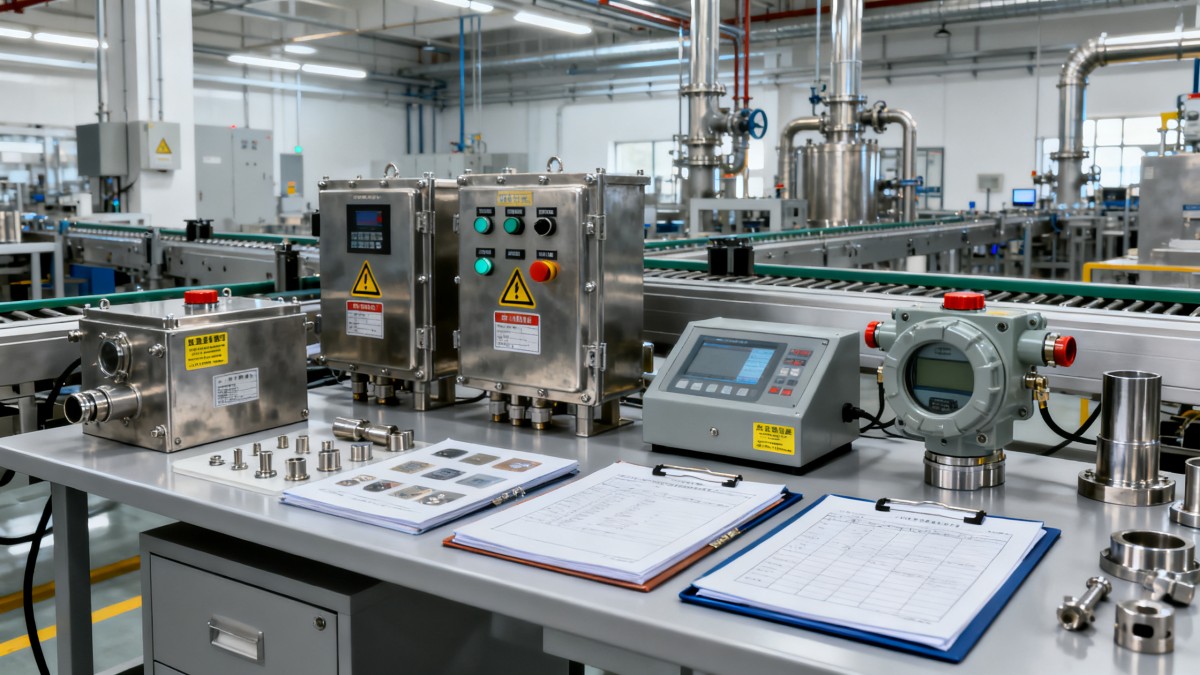
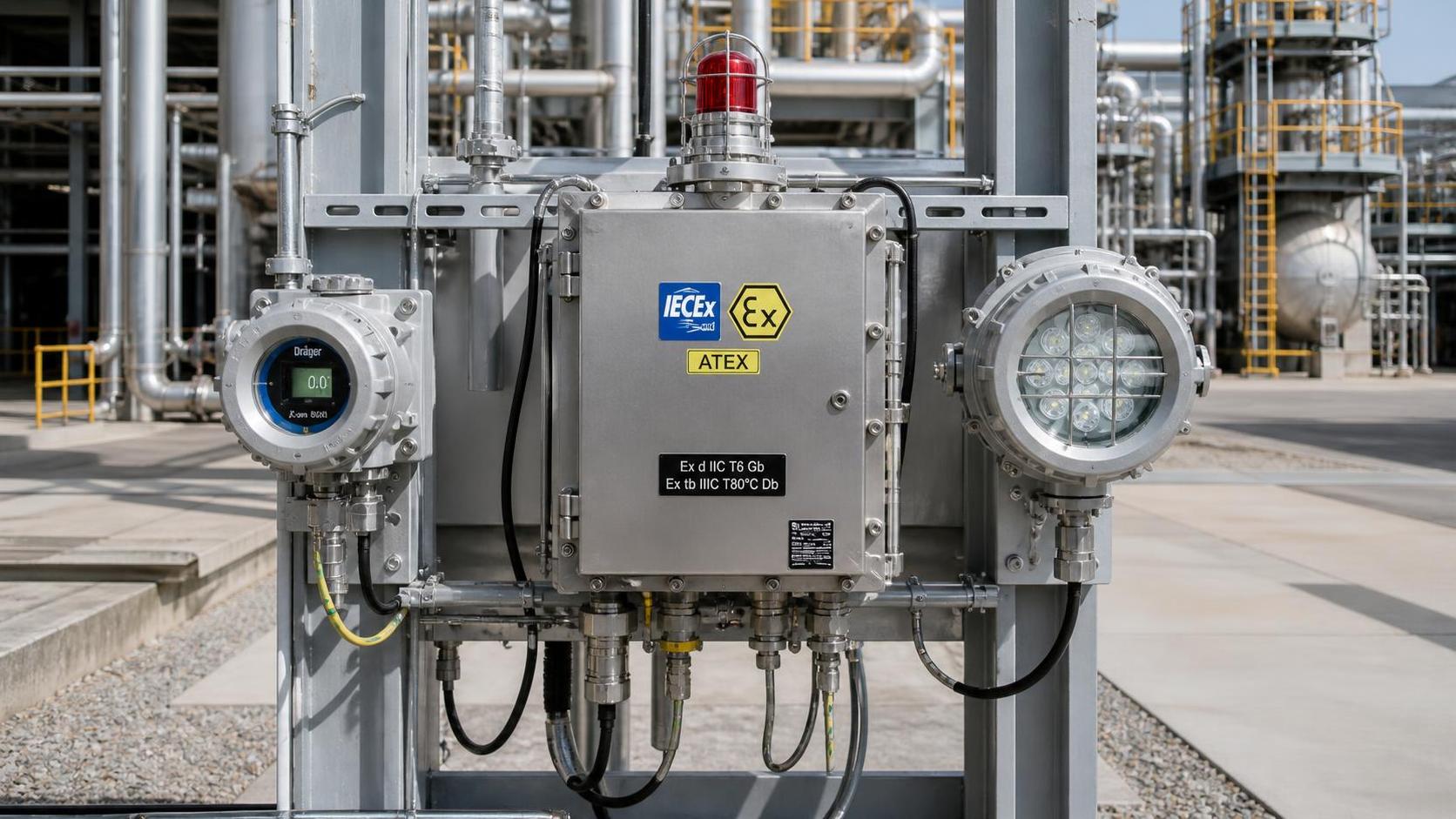
Two similar products may look comparable on paper. Yet one may carry CE, UL, ISO-aligned processes, test reports, and documented performance under extreme conditions.
The other may only meet basic functional claims. This gap explains why Security & Safety price can vary significantly, even when specifications appear close at first review.
A structured review helps separate true cost from quoted cost. It also supports better accountability when projects involve EPC contracts, inspections, commissioning deadlines, and multi-country compliance exposure.
Core points to verify before comparing any Security & Safety price
Use the following checks before approving quotations. They help reveal whether a lower Security & Safety price reflects efficiency, or simply reduced compliance coverage.
- Confirm which certifications are included, current, and valid for the destination market, installation method, voltage class, hazardous area, and intended operating environment.
- Check whether test reports come from recognized laboratories and whether the report scope matches the exact model, configuration, accessories, and final assembly.
- Review bill of materials quality, including metals, polymers, seals, coatings, and flame-retardant elements that directly affect service life and compliance stability.
- Verify ingress protection, temperature rating, corrosion resistance, vibration tolerance, and fire performance against the real site conditions, not only laboratory assumptions.
- Ask whether traceability covers serial numbers, component origins, calibration records, production batches, and change-control documentation for later audits or incident reviews.
- Review factory quality systems, including ISO alignment, incoming inspection, process validation, final testing, and nonconformance handling that protect consistency across orders.
- Confirm whether the quoted Security & Safety price includes labeling, manuals, declarations, certificates, and multilingual compliance documents required for shipment and site acceptance.
- Check spare parts availability, repairability, calibration intervals, and technical support response because low acquisition cost can become high maintenance cost quickly.
- Assess warranty terms carefully, especially exclusions linked to operating conditions, installation quality, consumables, third-party integration, or regional regulatory differences.
- Map total project risk by comparing delay exposure, reinspection probability, retrofit likelihood, and insurance implications if compliance evidence proves incomplete later.
How these checks apply across industrial situations
New facility construction
During greenfield development, Security & Safety price should be evaluated against approval timing. Incomplete compliance documents can delay commissioning more than hardware shortages.
Check design code alignment, site classification, installation method, and inspector expectations early. Rework during pre-startup verification is usually costlier than stronger initial compliance selection.
Brownfield upgrades and retrofits
Retrofit projects often face mixed legacy systems, undocumented modifications, and interface constraints. Here, Security & Safety price should include compatibility verification, not just unit replacement cost.
Look closely at mounting dimensions, signal protocols, enclosure ratings, and existing panel certifications. A cheaper product can trigger recertification work across the wider system.
Hazardous or extreme operating conditions
Sites with dust, corrosive agents, vibration, heat, or washdown stress components beyond normal duty. Security & Safety price rises when products are genuinely engineered for those realities.
Review sealing, material grades, thermal limits, spark protection, and long-duration performance evidence. Extreme-service compliance is rarely visible from appearance alone.
Cross-border sourcing and multi-region deployment
A favorable Security & Safety price in one country may become noncompliant elsewhere. Regional standards, import rules, and documentation formats can add hidden cost after award.
Validate market-specific approvals before purchase. Also confirm whether local authorities accept the exact certificates, issuing bodies, and language versions provided by the supplier.
Commonly overlooked factors that distort Security & Safety price
Certification scope mismatch
A product may be certified, but not in the exact form being purchased. Optional accessories, cable entries, or software variations can change compliance status materially.
Outdated test evidence
Old reports may not reflect current standards or current manufacturing design. This creates audit risk and can undermine the apparent value of a lower Security & Safety price.
Unpriced documentation work
Declarations, inspection dossiers, material certificates, and operation manuals require time and expertise. If not included, they often appear later as change-order costs.
Weak traceability controls
When serial mapping, calibration status, or production records are incomplete, failure investigations become harder. Insurance, warranty recovery, and root-cause analysis also become weaker.
Ignoring lifecycle service needs
The initial Security & Safety price may look attractive, yet spare parts, support delays, and recalibration burdens can raise five-year ownership cost significantly.
Practical steps for making cleaner comparisons
- Build a comparison sheet with separate columns for certifications, test scope, material grade, environmental rating, documentation package, warranty, and support commitments.
- Request evidence by exact model number, revision level, and accessory set. Avoid approving broad compliance claims without configuration-specific proof.
- Score each quote by total compliance readiness, not only by purchase value. Include installation risk, delay risk, and probable downstream engineering effort.
- Use a red-flag threshold for missing certificates, unclear laboratory origin, expired test dates, or undocumented material substitutions before commercial negotiation begins.
- Recheck high-risk items before award and before shipment. Compliance gaps discovered late usually erase any early Security & Safety price advantage.
FAQ on Security & Safety price and compliance
Why is Security & Safety price higher for similar-looking products?
Because visible similarity does not guarantee equal compliance depth. Certified design validation, higher-grade materials, and documented quality controls add real, protective cost.
Can a lower Security & Safety price still be acceptable?
Yes, if compliance evidence is complete and equivalent. Lower price is positive when it comes from efficient production, sourcing strength, or design optimization.
Which documents should be reviewed first?
Start with certificates, declarations, test reports, bill of materials highlights, environmental ratings, and quality-system evidence linked to the exact quoted configuration.
Final direction for stronger decisions
Security & Safety price should never be judged as a standalone number. In industrial settings, the true gap usually begins with compliance obligations and proof quality.
A disciplined review of certifications, testing, materials, traceability, and service support helps protect budget integrity while strengthening operational safety and regulatory confidence.
Before approving the next quote, convert assumptions into checks. That simple step often reveals whether the quoted Security & Safety price is genuinely competitive or merely incomplete.
Technical Specifications
- Air Handling Unit Supplier Checklist: Performance Data, Lead Times, and SupportAuthor :Environmental Engineering Director
- Buying Fiberglass Water Tanks Wholesale: Compare Quotes and Delivery CostsAuthor :Environmental Engineering Director
- Choosing an XLPE Power Cable Supplier: Test Reports, Traceability, and Lead TimesAuthor :Grid Infrastructure Analyst
Expert Insights

Chief Security Architect
Dr. Thorne specializes in the intersection of structural engineering and digital resilience. He has advised three G7 governments on industrial infrastructure security.
Related Analysis
- Oct 19, 2026Air Handling Unit Supplier Checklist: Performance Data, Lead Times, and SupportAuthor :Environmental Engineering Director
- Oct 18, 2026Buying Fiberglass Water Tanks Wholesale: Compare Quotes and Delivery CostsAuthor :Environmental Engineering Director
- Oct 17, 2026Choosing an XLPE Power Cable Supplier: Test Reports, Traceability, and Lead TimesAuthor :Grid Infrastructure Analyst
Core Sector // 01
Security & Safety
- Can One Supplier Provide Both IEC- and ATEX-Certified Safety Equipment?Author :Safety Compliance Lead

- Are Dual IEC and NEC Safety Certifications Worth the Cost?Author :Safety Compliance Lead

- What Is the Difference Between Class I and Class II PPE?Author :Safety Compliance Lead

- Which Oil and Gas Safety Standards Should Contractors Meet Before Site Mobilization?Author :Safety Compliance Lead

- EU REACH Adds PFAS Cap for PPE WorkwearAuthor :Safety Compliance Lead

- How to Evaluate a Chemical Resistant Suit Supplier for Industrial Safety ProcurementAuthor :Safety Compliance Lead

- EU REACH Sets 50 ppb PFAS Cap for PPE WorkwearAuthor :Safety Compliance Lead

- EU Tightens PFOA Limit for PPE and Industrial Filter MediaAuthor :Safety Compliance Lead