Security & Safety standards that affect product selection
Author
Date Published
Reading Time
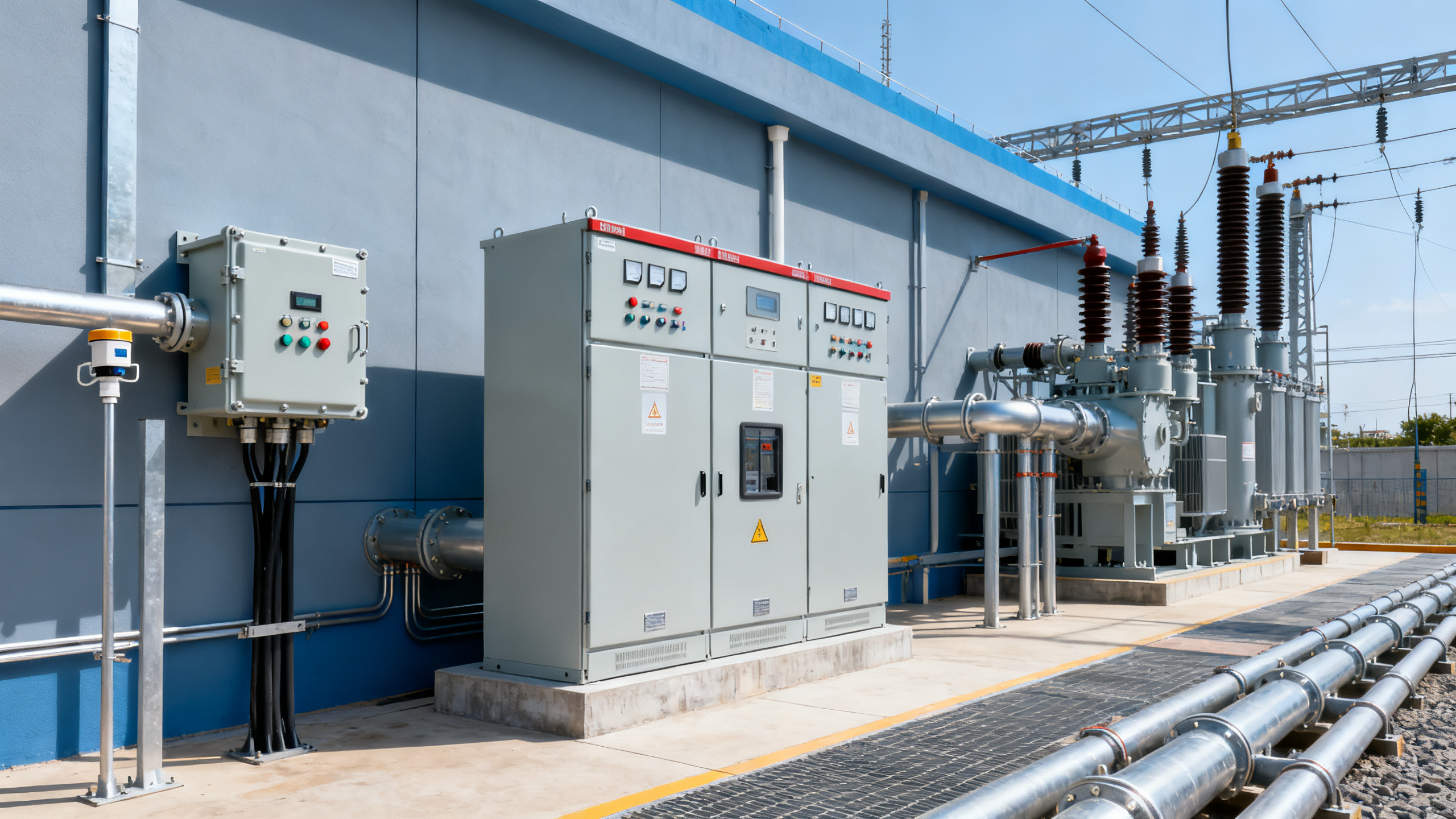
Choosing industrial products without a practical understanding of Security & Safety standards creates avoidable exposure across compliance, uptime, and lifecycle cost. In heavy industry, the right device, component, enclosure, sensor, cable, guard, or control assembly is not defined only by price or performance data on a catalog sheet. It is defined by whether it can operate safely in its intended environment, satisfy regional and sector-specific regulations, and maintain reliable performance under stress. From utility substations and process plants to water treatment sites and fabrication facilities, product selection is shaped by certification scope, ingress protection, electrical fault tolerance, hazardous area suitability, fire behavior, and human-machine risk controls.
For infrastructure projects, Security & Safety standards are not a paperwork exercise added after specification. They influence core design decisions from the beginning: what can be installed, where it can be installed, how it must be tested, and what documentation is required for commissioning and audit readiness. A product that appears technically capable may still be unsuitable if its approvals do not match voltage class, environmental conditions, process hazards, or local code expectations. Understanding these selection filters early reduces redesign, site rejection, insurance friction, and schedule disruption.
Why product selection changes across industrial operating scenarios
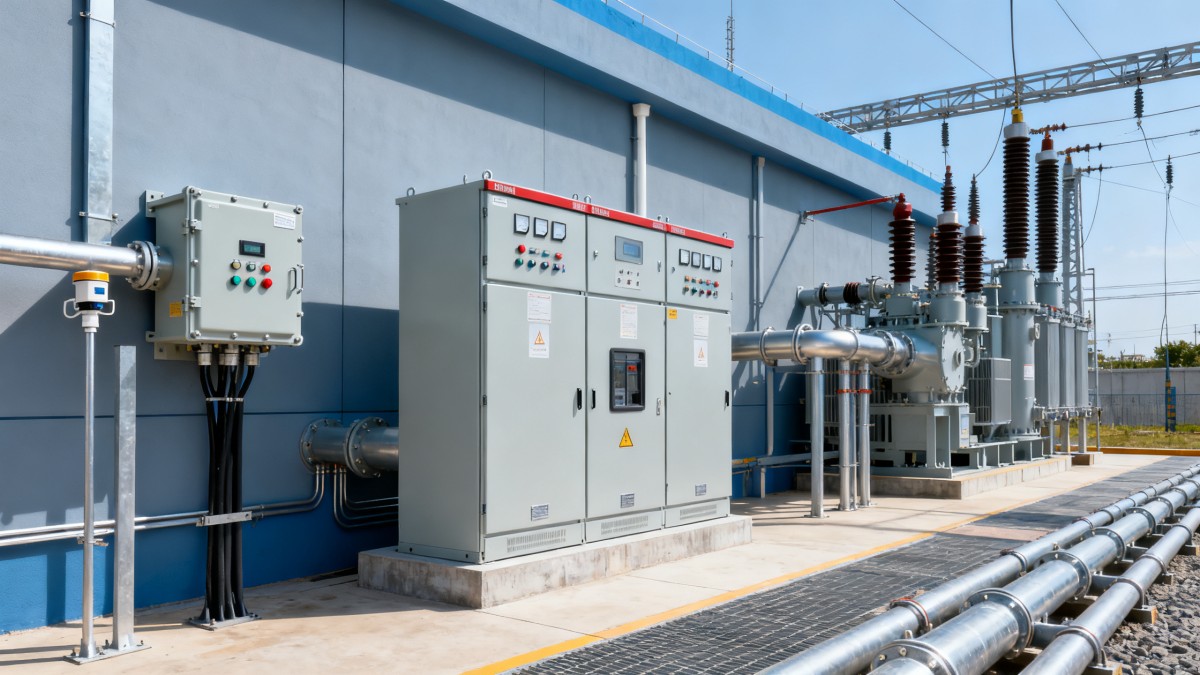
The same specification logic does not apply equally across every facility. Security & Safety standards affect product selection differently in a chemical processing unit than in a clean utility room, an outdoor grid asset, or a high-traffic logistics bay. Environmental exposure, ignition risk, operator interaction, washdown frequency, vibration, electromagnetic interference, and maintenance access all shift the acceptable compliance baseline. This is why a standards-aware selection process starts with scenario mapping rather than a generic approved vendor list.
In practical terms, scenario-based evaluation asks four questions. First, what hazards exist in the operating environment? Second, which standards govern that hazard profile? Third, what evidence proves a product conforms in actual use conditions rather than in ideal laboratory assumptions? Fourth, what are the consequences of under-specification or misapplied certification? These questions turn Security & Safety standards into a decision framework that supports resilient infrastructure, not just formal compliance.
Scenario 1: Hazardous process areas require certification beyond general industrial use
In refineries, chemical plants, gas handling systems, and solvent-rich production zones, general-purpose electrical or monitoring equipment may be immediately disqualified. Here, Security & Safety standards must address explosive atmospheres, ignition source control, surface temperature limits, and enclosure integrity. ATEX, IECEx, UL hazardous location requirements, and related zoning or division rules directly shape what can be selected for junction boxes, lighting, sensors, signaling devices, motors, and control interfaces.
The key selection judgment is not simply whether a product is “certified,” but whether the certification matches the exact gas group, dust class, temperature rating, installation method, and maintenance regime. A mismatch between area classification and product marking can trigger failed inspections or force late-stage replacement. In these environments, Security & Safety standards should be reviewed alongside ambient temperature, cable entry systems, corrosion exposure, and inspection intervals.
Core judgment points in hazardous areas
- Area classification alignment: Zone/Division and gas or dust category must match the product approval.
- Temperature class: Maximum surface temperature must remain below ignition thresholds.
- Ingress and corrosion resistance: IP/NEMA suitability matters where dust, washdown, or chemical exposure is present.
- Documentation quality: Marking, declaration, and test evidence must be complete and traceable.
Scenario 2: Power distribution and electrical rooms prioritize fault containment and continuity
Inside switch rooms, substations, MCC zones, and backup power systems, Security & Safety standards influence product selection through short-circuit performance, insulation coordination, arc resistance, grounding integrity, and thermal behavior. UL, IEC, CE-related conformity, and installation code requirements are especially important for breakers, switchgear, cables, surge protection, relays, busbar systems, and panel accessories. Products may appear interchangeable at the part-number level, yet differ significantly in tested fault performance and safe operating limits.
The most important question in this scenario is whether the product can protect people and assets during abnormal conditions, not only normal load operation. Components selected without considering interrupting capacity, insulation rating, or temperature rise limits can introduce serious operational hazards. Effective use of Security & Safety standards here means checking test standards, system coordination data, enclosure ratings, and compatibility with the full electrical architecture.
Scenario 3: Water, wastewater, and outdoor assets need environmental safety resilience
Water treatment facilities, pumping stations, flood control sites, and outdoor mechanical installations present a different standards challenge. The leading risks are often moisture ingress, UV exposure, corrosion, sanitation constraints, and intermittent maintenance access. In such cases, Security & Safety standards affect product selection through IP ratings, material compatibility, sealing performance, anti-corrosion coatings, electrical isolation, and safe cleaning procedures. For some applications, NSF-related material acceptability or environmental compliance rules also become relevant.
Products intended for indoor industrial settings can fail quickly outdoors or in high-humidity utility spaces even when their base performance specifications look adequate. A robust selection process must verify not only enclosure protection but gasket durability, drain and vent strategy, cable gland compatibility, and resistance to biofouling or chemical cleaning agents. In these applications, Security & Safety standards function as a practical filter for service life as much as formal compliance.
Scenario 4: High-interaction production lines depend on machine guarding and human safety controls
Assembly lines, packaging systems, material handling equipment, and robotic cells require a stronger focus on safeguarding, emergency intervention, and operator exposure. Here, Security & Safety standards shape product selection for interlocks, emergency stop devices, light curtains, safety relays, safety PLCs, barriers, and monitored access systems. ISO and IEC machinery safety requirements often determine whether the control architecture can achieve the required performance level or safety integrity target.
A common mistake is selecting safety components individually without validating the full safety function. An emergency stop button may be certified, but the complete chain including wiring, logic, actuator behavior, restart conditions, and diagnostic coverage may still fall short. In this scenario, Security & Safety standards must be applied at system level, especially where speed, automation density, and maintenance access create layered risk.
How scenario requirements differ when applying Security & Safety standards
Practical selection guidance for standards-fit industrial products
A better selection process starts by converting standards into screening criteria before RFQ or technical approval. Instead of evaluating only dimensions, output range, material grade, or efficiency, build a standards-fit checklist that follows actual site conditions. This keeps Security & Safety standards embedded in decision flow rather than isolated in final documentation review.
- Map the installation scenario first: indoor, outdoor, hazardous, hygienic, high-vibration, high-access, or high-fault environment.
- List mandatory standards by geography and application, including CE, UL, ISO, IEC, ATEX, or other sector-specific rules.
- Check whether certification covers the exact configuration, not merely the product family.
- Review operating limits under worst-case ambient conditions, not nominal laboratory conditions.
- Require traceable declarations, test reports, and installation instructions to support commissioning and audits.
- Validate maintenance implications, because compliant products can still become unsafe if service access or replacement practice is poor.
Common selection errors when Security & Safety standards are misunderstood
Several recurring misjudgments undermine otherwise solid engineering decisions. One is assuming a recognized mark automatically means universal acceptance. In reality, Security & Safety standards often vary by market, application class, and installation context. Another is relying on self-declared conformity without reviewing the underlying test basis. A third is focusing on the device itself while ignoring system-level interfaces such as cable entries, control logic, grounding paths, or enclosure assembly.
There is also a tendency to overvalue headline ratings and undervalue durability factors. For example, a high IP-rated enclosure may still be the wrong choice if hinges corrode, seals degrade under chemicals, or maintenance procedures compromise closure integrity. Likewise, machine safety hardware may be specified correctly but installed in ways that defeat diagnostics or reset logic. The most reliable use of Security & Safety standards comes from linking certification, environment, installation practice, and lifecycle maintenance into one evaluation path.
Next-step actions for stronger standards-based decisions
To improve selection quality, begin with a scenario register for every major product category in the project: power, control, instrumentation, protective devices, enclosures, and mechanical safety interfaces. Assign each category a standards profile, identify non-negotiable approvals, and compare supplier documentation against actual operating conditions. This method turns Security & Safety standards into a measurable procurement and engineering control rather than a late-stage review item.
Global Industrial Core supports this decision model by connecting technical evaluation with compliance intelligence across Security & Safety, instrumentation, power systems, environmental performance, and core industrial components. When product selection is guided by verified standards evidence and scenario-specific judgment, infrastructure becomes easier to approve, safer to operate, and more resilient over time. The most effective next step is simple: review critical product groups against their real installation scenarios and verify whether current approvals truly match the risk profile they are expected to manage.
Technical Specifications
- How to Select an Emissions Monitoring System Analyzer for Compliance ReportingAuthor :Precision Metrology Expert
- How to Select an Access Control Management System for Multi-Site FacilitiesAuthor :Safety Compliance Lead
- Portable Gas Monitor Calibration: How Often Is It Needed for Safe Confined-Space Work?Author :Precision Metrology Expert
Expert Insights

Chief Security Architect
Dr. Thorne specializes in the intersection of structural engineering and digital resilience. He has advised three G7 governments on industrial infrastructure security.
Related Analysis
- Sep 21, 2026How to Select an Emissions Monitoring System Analyzer for Compliance ReportingAuthor :Precision Metrology Expert
- Sep 20, 2026How to Select an Access Control Management System for Multi-Site FacilitiesAuthor :Safety Compliance Lead
- Sep 19, 2026Portable Gas Monitor Calibration: How Often Is It Needed for Safe Confined-Space Work?Author :Precision Metrology Expert
Core Sector // 01
Security & Safety
- Steel Rescue Tripods Wholesale: Key Load Ratings, Standards, and Buying MistakesAuthor :Safety Compliance Lead

- India Lifts Duty on Fire Rescue Imports to 22%Author :Safety Compliance Lead

- IEC 62061 Amendment 2 Targets Fire & Rescue ControllersAuthor :Safety Compliance Lead

- IEC 62819-2:2026 Sets New Cybersecurity CheckpointAuthor :Safety Compliance Lead

- When to Use a Quick Deployment Oil Boom for Spill Control in Ports and Inland WatersAuthor :Safety Compliance Lead

- Saudi SASO Adds Cybersecurity Annex to Fire Equipment CertificationAuthor :Safety Compliance Lead

- CBP Pre-Arrival Portal Raises Import Checks for Fire EquipmentAuthor :Safety Compliance Lead

- UAE Sets Cybersecurity Gate for Fire Control PanelsAuthor :Safety Compliance Lead