Africa Trade Rise Signals Openings for Equipment Supply
Author
Date Published
Reading Time
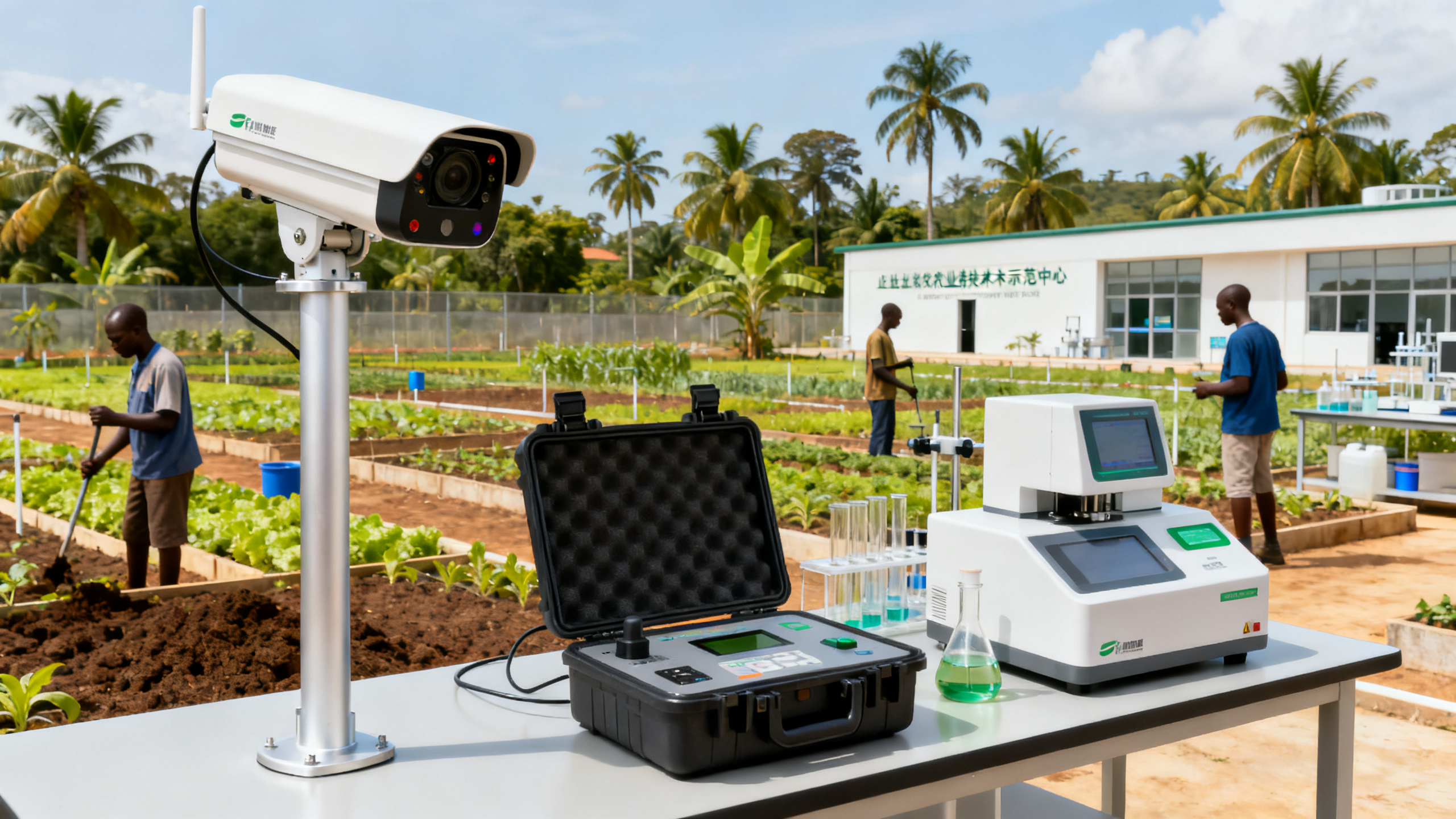
On May 29, 2026, public information tied two developments into one industry signal: China-Africa trade recorded strong year-on-year growth in the first quarter of 2026, and the China-aided agricultural technology demonstration center in Burundi held the "Chinese Ambassador Harvest Award" ceremony while deploying Chinese-made CCTV surveillance systems, portable soil heavy metal testing devices, and laboratory analysis equipment. For companies in security systems, testing instruments, laboratory equipment, project contracting, and government procurement, this is worth close attention because it points to a clearer connection between trade growth and on-the-ground equipment entry into African public and development projects.
Event Overview
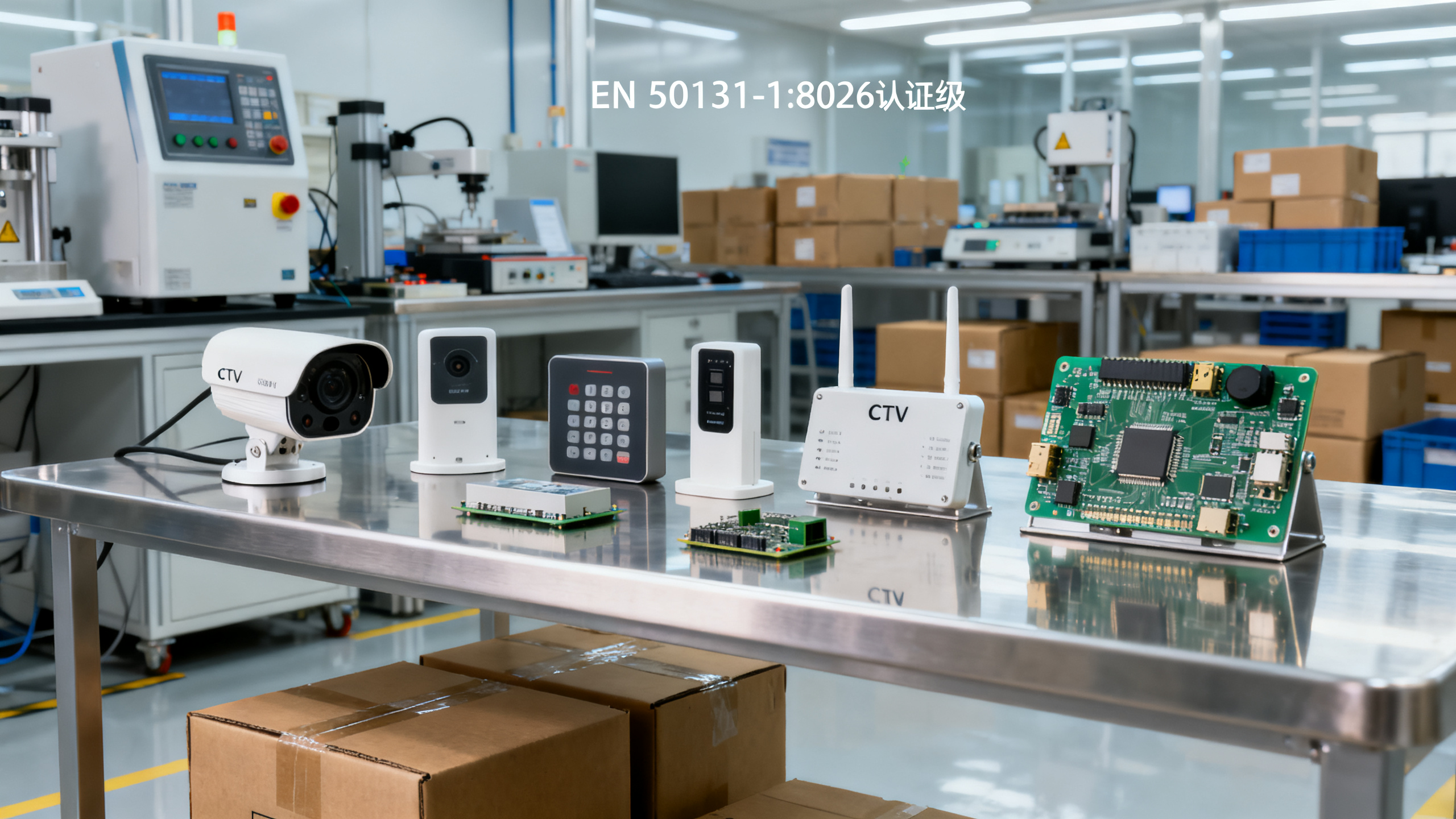
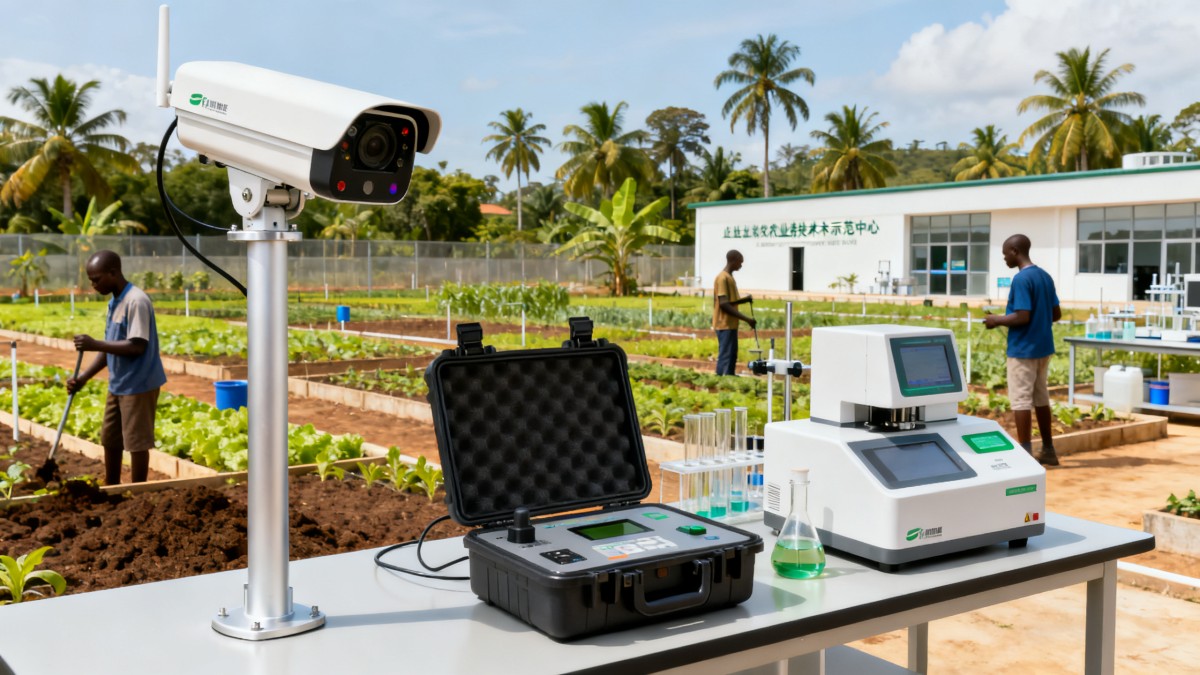
According to the provided information, China-Africa trade in the first quarter of 2026 increased significantly year on year. Separately, on May 29, 2026, the China-aided agricultural technology demonstration center in Burundi held the "Chinese Ambassador Harvest Award" ceremony. At the site, Chinese-made CCTV monitoring systems, portable soil heavy metal detectors, and laboratory analysis equipment were deployed.
The currently disclosed facts are limited to these points: the trade growth was notable, the Burundi agricultural demonstration center event took place on May 29, and the equipment deployed covered security, field testing, and laboratory analysis categories. The summary further indicates that the development sends a signal of infrastructure upgrading in Africa and suggests that access channels for security, testing, and laboratory equipment in African government procurement and EPC projects may be opening further.
Which Industry Segments Are Affected
Security equipment suppliers and system integrators
These companies are directly affected because CCTV systems were part of the equipment deployed at the Burundi site. From an industry perspective, this matters not simply as a single equipment installation, but as an indicator that security infrastructure is being included in agricultural and public-service project settings rather than treated as a separate standalone purchase.
The impact is likely to show up in three areas: first, project-based demand may increasingly bundle surveillance systems into broader facility delivery; second, suppliers may need to align more closely with government procurement and EPC bidding structures; third, integrators may face higher requirements for documentation, compatibility, and deployment support in overseas project environments.
Testing instrument manufacturers
Portable soil heavy metal testing devices were explicitly mentioned in the event summary, which makes testing instrument suppliers another directly relevant group. Observation suggests that demand attention is not only on laboratory-grade equipment but also on field-deployable devices that can support agricultural, environmental, or site-level inspection work.
The impact mainly lies in application scenarios and procurement pathways. Compared with purely commercial sales, project-linked demand may place more emphasis on portability, operational simplicity, and suitability for institutional use. It also suggests that testing equipment may enter markets through public-sector or aid-linked channels rather than only through private distributors.
Laboratory equipment and analytical device suppliers
Laboratory analysis equipment was also deployed, which expands the relevance of this development beyond field testing to fixed-site analytical capacity. Analysis shows that for laboratory equipment companies, the signal is not only about demand for individual units but about inclusion in complete facility setups tied to agricultural or public demonstration projects.
The main effects may include greater focus on package-based supply, coordination with infrastructure delivery schedules, and closer scrutiny of after-sales support, installation readiness, and operator usability. For firms already exploring overseas public-sector opportunities, this kind of deployment is more suitably understood as a market access signal rather than a simple equipment sale event.
EPC contractors and project delivery firms
The event summary specifically mentions African government procurement and EPC projects, making EPC contractors a key segment to watch. Current developments are more worth watching because equipment categories such as surveillance, testing, and laboratory systems often enter a market not only through direct trading but through bundled engineering or institutional delivery frameworks.
The impact for EPC players is that equipment sourcing may become a more strategic part of project design and bid preparation. Firms involved in agriculture facilities, public infrastructure, or demonstration centers may need to consider how security systems and testing capacity are incorporated at the planning stage rather than added later.
Government procurement service providers and cross-border trade intermediaries
Companies supporting tenders, compliance paperwork, logistics coordination, and procurement execution are also affected. Observation suggests that if access channels are indeed opening further, intermediary service providers will face growing demand for practical support around product matching, documentation, delivery coordination, and communication between suppliers and project owners.
The effect here is less about headline demand and more about process complexity. As equipment enters institutional projects, the value of procurement support services may increase, especially where multiple equipment categories are involved in one project framework.
What Companies and Practitioners Should Watch and How to Respond
Track follow-up official wording and project-level signals
Companies should closely monitor any subsequent official statements, procurement notices, or project descriptions connected to China-Africa trade, Burundi agricultural cooperation, and related equipment deployment. Analysis shows that the current information is meaningful, but it is still important to distinguish between a directional signal and confirmed large-scale procurement expansion.
Focus on the equipment categories already named in the event
Security systems, portable soil heavy metal testing devices, and laboratory analysis equipment are the most relevant categories because they were explicitly disclosed. A practical response is to review product documentation, application cases, and delivery readiness for these exact categories rather than broadening attention to unrelated product lines.
Separate policy signal from immediate sales expectations
From an industry perspective, this development should not automatically be read as proof of rapid volume growth. The more practical approach is to treat it as a possible improvement in market access conditions for government procurement and EPC channels. Companies should therefore prioritize market mapping, partner communication, and tender-readiness over aggressive revenue assumptions.
Prepare operationally for project-based entry
Current developments are more worth watching because the equipment appeared in a project setting, not just a trade announcement. Relevant firms should prepare for project-style requirements: coordinated delivery schedules, installation support, bilingual technical materials if needed, and internal alignment between sales, compliance, and service teams. This is a more suitable response than treating the development as a short-term trading opportunity alone.
Editorial View / Industry Observation
Observation suggests that this news matters less as an isolated ceremony update and more as a practical sign of how trade growth can connect with equipment deployment in African institutional projects. The combination of stronger China-Africa trade and the visible use of Chinese-made security, testing, and laboratory equipment in Burundi gives industry participants a concrete reference point.
Analysis shows that the development is better understood as a signal rather than a completed market outcome. No broad procurement scale, policy text, or confirmed pipeline data has been disclosed in the provided information. However, from an industry perspective, the event is still important because it points to the kind of product categories and project channels that may deserve closer attention next.
Current developments are more worth watching because market openings in government procurement and EPC projects often become visible first through specific deployments before they show up in larger commercial patterns. That is why security equipment makers, testing instrument suppliers, laboratory device firms, and project contractors all have reason to follow what comes next.
In summary, the significance of this update lies in the link between rising China-Africa trade and on-site deployment of Chinese equipment at a Burundi agricultural demonstration center. A rational reading is that the news indicates a possible widening of access for security, testing, and laboratory equipment in African public-sector and EPC contexts, but it should still be treated as an early signal rather than a confirmed market expansion result.
Source Note
Main sources: the provided event title, event date, and event summary information supplied for this article.
Items requiring continued observation: any follow-up official statements, procurement developments, EPC project details, or additional disclosures that would confirm how far access channels for security, testing, and laboratory equipment have materially expanded.
Technical Specifications
- How to Select Electronic Hotel Key Card Locks for Guest Rooms and Staff AreasAuthor :Safety Compliance Lead
- How to Select Lab Instruments for Reliable Chemical Analysis WorkflowsAuthor :Precision Metrology Expert
- How to Size a UPS for Server Rooms: Load, Runtime, and Redundancy FactorsAuthor :Grid Infrastructure Analyst
Expert Insights

Chief Security Architect
Dr. Thorne specializes in the intersection of structural engineering and digital resilience. He has advised three G7 governments on industrial infrastructure security.
Related Analysis
- Sep 17, 2026How to Select Electronic Hotel Key Card Locks for Guest Rooms and Staff AreasAuthor :Safety Compliance Lead
- Sep 16, 2026How to Select Lab Instruments for Reliable Chemical Analysis WorkflowsAuthor :Precision Metrology Expert
- Sep 15, 2026How to Size a UPS for Server Rooms: Load, Runtime, and Redundancy FactorsAuthor :Grid Infrastructure Analyst
Core Sector // 01
Security & Safety
- How to Select Electronic Hotel Key Card Locks for Guest Rooms and Staff AreasAuthor :Safety Compliance Lead

- How to Evaluate a Hotel Key Card Lock Supplier for Multi-Property RolloutsAuthor :Safety Compliance Lead

- Pre-Contract Audit Checklist for Verified Production Safety and Environmental ComplianceAuthor :Safety Compliance Lead

- How Can Distributors Build Procurement-Oriented Industrial Content That Drives RFQs?Author :Safety Compliance Lead

- EU Mandates EN 50131-1:2026 for Security SystemsAuthor :Safety Compliance Lead

- EU EN 50131-1:2026 Takes Effect on CCTV ComplianceAuthor :Safety Compliance Lead

- IEC Issues CCTV Interoperability Test StandardAuthor :Safety Compliance Lead

- EN 50131-4:2026 Raises EU Security Compliance BarAuthor :Safety Compliance Lead