Wholesale Moisture Meters: Pin vs Pinless, and How to Choose for Wood or Concrete
Author
Date Published
Reading Time
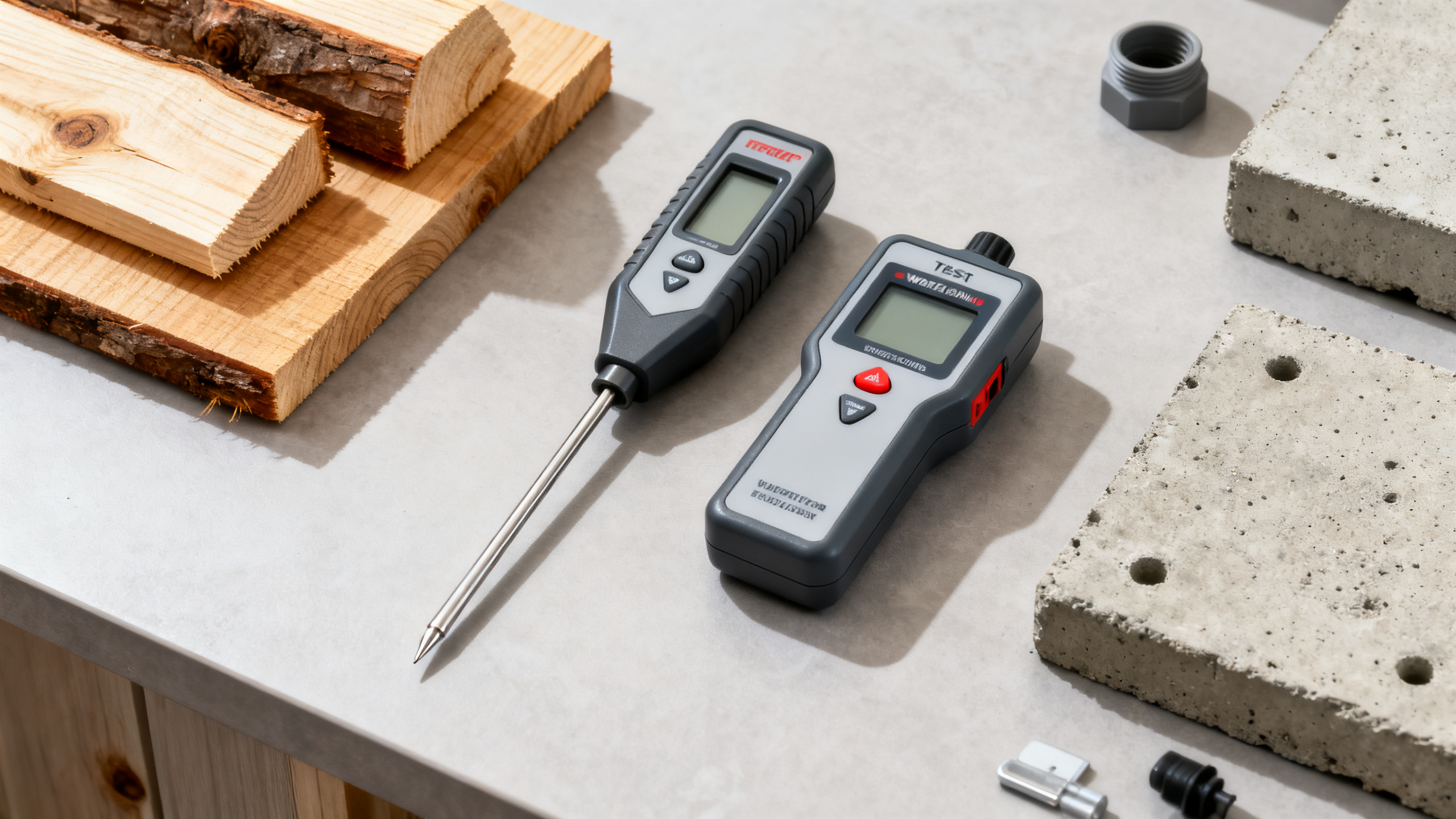
Choosing the right wholesale moisture meters can directly impact product fit, customer satisfaction, and repeat sales. For distributors, agents, and dealers serving construction and woodworking markets, understanding the differences between pin and pinless models is essential. This guide explains how each type performs on wood and concrete, helping you match inventory with real buyer needs and improve sourcing decisions.
Why do wholesale moisture meters create sourcing challenges for distributors?
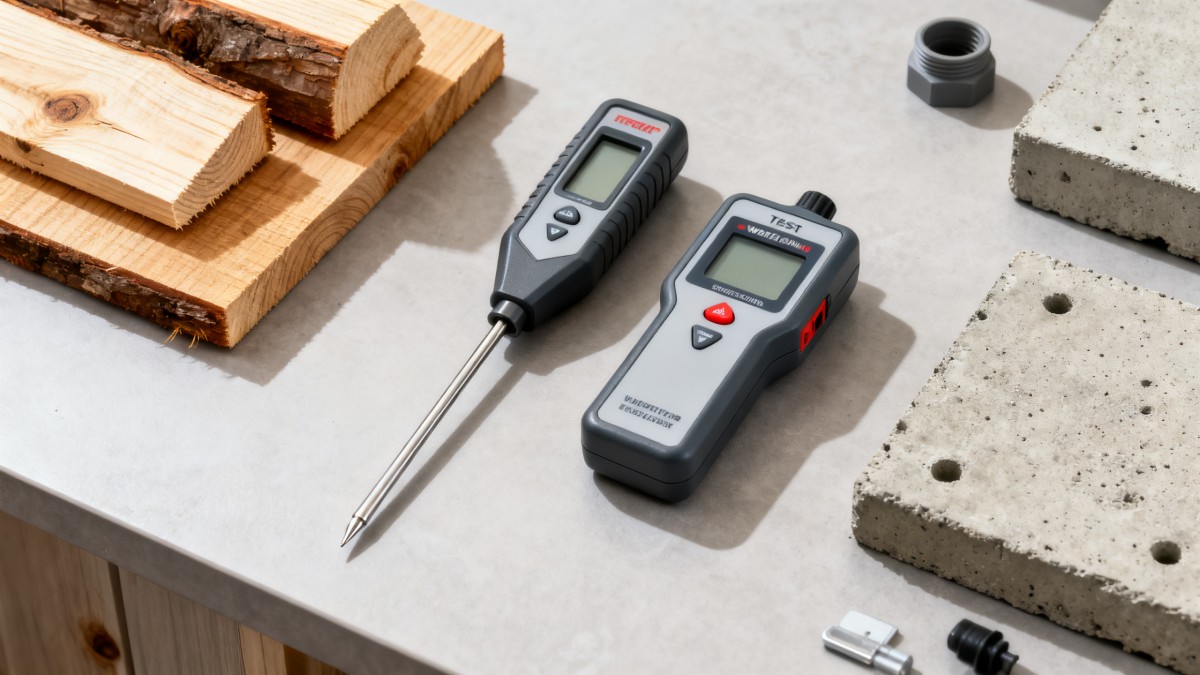
Instruments that look similar on a product sheet can behave very differently on the jobsite. That is why wholesale moisture meters often generate returns, technical questions, and price pressure when channel partners buy by appearance rather than application.
For wood processing, flooring, furniture production, and concrete inspection, buyers do not just want a reading. They want reliable decision support before installation, coating, storage, or handover. A mismatch between sensor type and substrate can damage trust quickly.
Global Industrial Core supports industrial sourcing decisions by focusing on measurement reliability, operational context, and compliance awareness. For distributors, this matters because a better stocked portfolio reduces dead inventory and shortens sales conversations with professional buyers.
- A low-cost meter may look competitive, but if it cannot distinguish surface moisture from deeper moisture, complaints will rise in flooring and concrete markets.
- A meter designed mainly for wood may not deliver meaningful readings on cementitious materials without proper scale settings or reference guidance.
- Distributors serving mixed customer groups need more than one SKU tier, because contractors, inspectors, and woodworking shops often evaluate moisture in different ways.
Pin vs pinless moisture meters: what is the real difference?
The core distinction is the sensing method. Pin meters use metal probes inserted into the material and measure electrical resistance. Pinless meters use an electromagnetic scanning field and read moisture beneath the surface without leaving holes.
For wholesale moisture meters, this difference shapes target markets, average selling price, training needs, and after-sales support. A distributor who understands these trade-offs can present a practical buying recommendation instead of pushing a generic catalog item.
The table below helps compare the two mainstream product types in terms that matter to channel sales, field usability, and substrate compatibility.
The main takeaway is simple. Pin meters often win on direct contact measurement and localized diagnosis, while pinless meters win on speed, surface protection, and broad area inspection. Neither is universally better. The right wholesale moisture meters depend on who the end user is and what material they test most often.
When do pin meters sell better?
Pin models usually fit restoration teams, sawmills, woodworking shops, and inspectors who need exact spot checks or want to compare moisture at different depths. They also appeal to buyers comfortable with correction charts and material-specific settings.
When do pinless meters sell better?
Pinless models usually fit flooring contractors, cabinet makers, finish carpenters, and building survey users who need fast scanning over large surfaces without leaving marks. They are also easier to demonstrate during distributor sales visits.
Which type works better for wood, and which for concrete?
Wood and concrete behave very differently, so the same instrument does not create the same value in both applications. For distributors handling wholesale moisture meters, substrate-specific positioning is one of the most effective ways to reduce wrong orders.
For wood applications
Wood buyers often care about moisture content before machining, joining, coating, shipping, or installation. In this segment, both pin and pinless devices are commercially relevant. The choice depends on whether the user values precision spot testing or fast, non-marking scanning.
- Pin meters are useful when species settings, moisture gradients, or suspicious wet spots need closer investigation.
- Pinless meters are preferred for finished wood surfaces, incoming board inspection, and routine production checks across larger volumes.
- High-density wood, coatings, and uneven thickness may affect readings, so user education remains part of the distributor’s value.
For concrete applications
Concrete testing is more sensitive because surface readings do not always represent internal slab conditions. In many projects, moisture meters are used for preliminary assessment, not as the only basis for major installation decisions.
Pinless-style concrete scanning tools are often more practical for field screening. They help identify wet zones, prioritize further tests, and speed up inspection routes. That said, professional buyers may still require reference methods aligned with project specifications, flooring manufacturer guidance, or jobsite protocols.
The next table shows how wholesale moisture meters should be positioned by substrate and use case rather than by price alone.
This matrix helps a distributor build a smarter assortment. Instead of treating all wholesale moisture meters as interchangeable, it organizes them by decision environment, which is how professional buyers actually purchase instruments.
What specifications matter most during wholesale procurement?
Procurement teams often focus first on price breaks and packaging quantities. That is necessary, but it is not enough. Better sell-through usually comes from selecting instruments with a balanced mix of usability, reliability, and market-fit features.
Key evaluation points for channel buyers
- Measurement range and material modes. Check whether the device supports wood species groups, concrete reference modes, and comparative scanning where relevant.
- Depth of measurement. End users need clarity on whether the reading represents surface conditions or a deeper scan zone.
- Display readability and field handling. Backlit screens, hold functions, alarm indicators, and ergonomic bodies can strongly influence contractor preference.
- Probe replacement and accessory availability. Pin meters in particular need spare pins, protective caps, and sometimes external probes for harder access points.
- Environmental protection and build quality. Industrial users often ask about durability under dust, travel, and variable site conditions.
- Calibration policy and documentation. Even when a meter is not a laboratory instrument, buyers still want consistency, traceability, and clear instructions.
GIC’s sourcing perspective is especially relevant here. In industrial and construction supply chains, a device that lacks clear technical documentation can create friction far beyond the first sale, including specification disputes, delayed approvals, and after-sales workload.
How should distributors balance cost, inventory risk, and customer demand?
A common mistake in wholesale moisture meters is overbuying one low-price category and expecting it to satisfy every buyer segment. In practice, distributors perform better with a tiered portfolio that matches basic, mid-range, and professional use cases.
Entry-level pin meters can attract price-sensitive resellers and smaller workshops. Mid-range pinless units often move well in flooring and finish carpentry channels. More advanced dual-application models may suit inspection firms, restoration buyers, and technically demanding contractors.
- Use entry-level SKUs to capture fast-moving demand, but avoid making them the only offer if your market includes commercial contractors.
- Keep at least one non-destructive model for finished wood and flooring accounts where surface damage is unacceptable.
- For concrete-related channels, prepare a clear sales script that explains the role of screening tools versus project-specific moisture verification methods.
This approach protects margin while lowering return risk. It also gives agents and dealers a stronger reason to consult with buyers instead of competing only on unit price.
What about standards, compliance, and technical documentation?
Instruments & measurement products are frequently reviewed through a compliance lens, especially when sold across borders or into project-driven procurement chains. Wholesale moisture meters should be checked not only for function but also for documentation quality.
Depending on destination market and product design, buyers may ask about CE marking, electrical safety alignment, user manuals, labeling, and packaging traceability. Industrial customers may also request inspection records, declared measurement principles, or calibration statements where applicable.
Distributors do not need to overpromise. They do need to confirm what paperwork is available before large-volume commitments. This is particularly important when supplying EPC-linked projects, facility maintenance groups, or multinational building material channels that expect procurement discipline.
Common mistakes buyers make when selecting wholesale moisture meters
Mistake 1: treating wood and concrete as the same buying category
A meter that sells well to woodworkers may disappoint a concrete contractor. The reading logic, field expectations, and project consequences are different. Product positioning must reflect that difference from the start.
Mistake 2: selling pinless as universally more advanced
Pinless models are convenient, but they are not automatically superior in every diagnostic task. Pin meters still matter when users need intrusive spot confirmation, depth comparison logic, or contact-based investigation in wood.
Mistake 3: ignoring training and user expectations
Many product complaints come from misunderstanding rather than hardware failure. If distributors provide a short application guide, recommended substrates, and a simple comparison chart, they can prevent avoidable support issues.
FAQ: questions distributors often ask before ordering
How do I choose wholesale moisture meters for mixed wood and construction customers?
Start with customer segmentation. If your accounts include flooring installers, stock a pinless model. If you serve sawmills, timber yards, or woodworking shops, add a pin model with wood settings. If you sell into restoration or inspection work, offer both types.
Are pin moisture meters suitable for concrete?
They can have limited use depending on design and reference scale, but they are generally not the first choice for broad concrete screening. For many field users, a concrete-oriented scanning approach is more practical as an initial assessment tool.
What should I ask a supplier before placing a bulk order?
Ask about supported materials, reading depth, included accessories, spare pin availability, documentation, packaging, lead time, sample policy, and whether the supplier can support private labeling or localized manuals if needed.
How can I reduce returns on wholesale moisture meters?
Use clear application labeling in your catalog. Separate wood-only models from concrete-screening models. Provide a one-page end-user guide. Demonstrate the difference between comparative scanning and exact application-specific interpretation during the sales process.
Why choose us for sourcing guidance and wholesale moisture meters?
Global Industrial Core helps distributors, dealers, and agents make better sourcing decisions by connecting product selection with real industrial use conditions. We focus on instruments and measurement priorities that matter in project supply, facility operations, woodworking, and construction distribution.
You can contact us to discuss practical procurement topics such as product type matching, parameter confirmation, suitable models for wood or concrete channels, documentation expectations, delivery cycles, sample support, packaging options, and quotation planning for multi-SKU orders.
If you are reviewing wholesale moisture meters for regional distribution or industrial resale, share your target market, customer profile, and required specification range. We can help you narrow the shortlist, reduce selection risk, and build a more saleable moisture meter portfolio.
Technical Specifications
- How to Select Electronic Hotel Key Card Locks for Guest Rooms and Staff AreasAuthor :Safety Compliance Lead
- How to Select Lab Instruments for Reliable Chemical Analysis WorkflowsAuthor :Precision Metrology Expert
- How to Size a UPS for Server Rooms: Load, Runtime, and Redundancy FactorsAuthor :Grid Infrastructure Analyst
Expert Insights

Chief Security Architect
Dr. Thorne specializes in the intersection of structural engineering and digital resilience. He has advised three G7 governments on industrial infrastructure security.
Related Analysis
- Sep 17, 2026How to Select Electronic Hotel Key Card Locks for Guest Rooms and Staff AreasAuthor :Safety Compliance Lead
- Sep 16, 2026How to Select Lab Instruments for Reliable Chemical Analysis WorkflowsAuthor :Precision Metrology Expert
- Sep 15, 2026How to Size a UPS for Server Rooms: Load, Runtime, and Redundancy FactorsAuthor :Grid Infrastructure Analyst
Core Sector // 01
Security & Safety
- What to Check When Sourcing Vibration Meters Wholesale for Industrial MaintenanceAuthor :Precision Metrology Expert

- How to Select Process Control Instruments for Accuracy, Safety, and UptimeAuthor :Precision Metrology Expert

- What Should Standards Compliance Analysis Training Cover Before an Audit?Author :Precision Metrology Expert

- Why Do Pressure Instruments Fail in High-Vibration Sites?Author :Precision Metrology Expert

- Is FM Software Integration Needed for Overseas Instrument Maintenance?Author :Precision Metrology Expert

- What Are the Differences Between Lab and Field Testing Equipment?Author :Precision Metrology Expert

- Is Independent Testing Necessary for Critical Safety Components?Author :Precision Metrology Expert

- How to Validate Industrial Application Scenarios Before ProcurementAuthor :Precision Metrology Expert