Anemometers Wholesale Buying Guide: Which Types Fit HVAC, Labs, and Field Inspections?
Author
Date Published
Reading Time
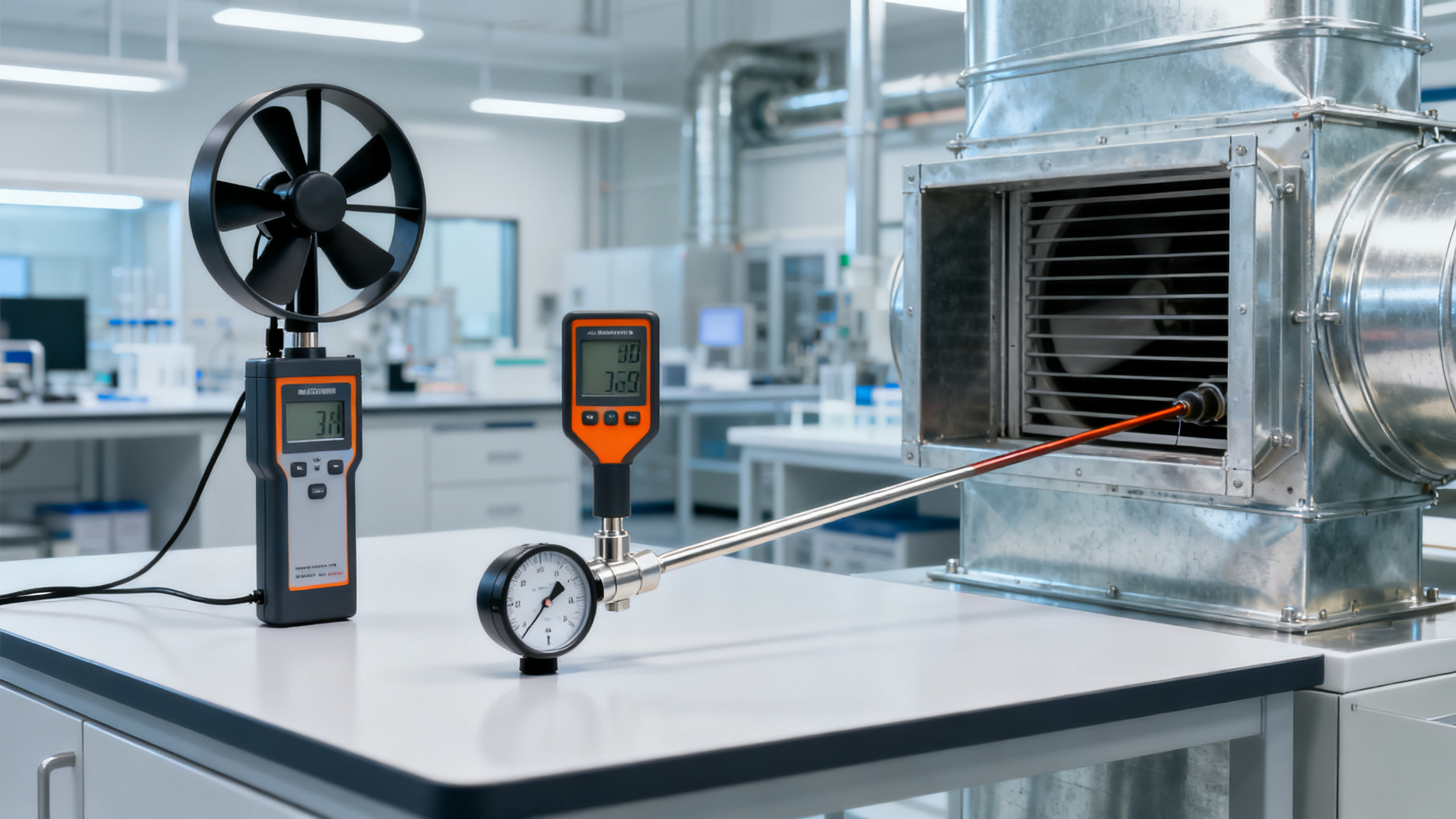
Why does anemometers wholesale sourcing require more than a simple price comparison?
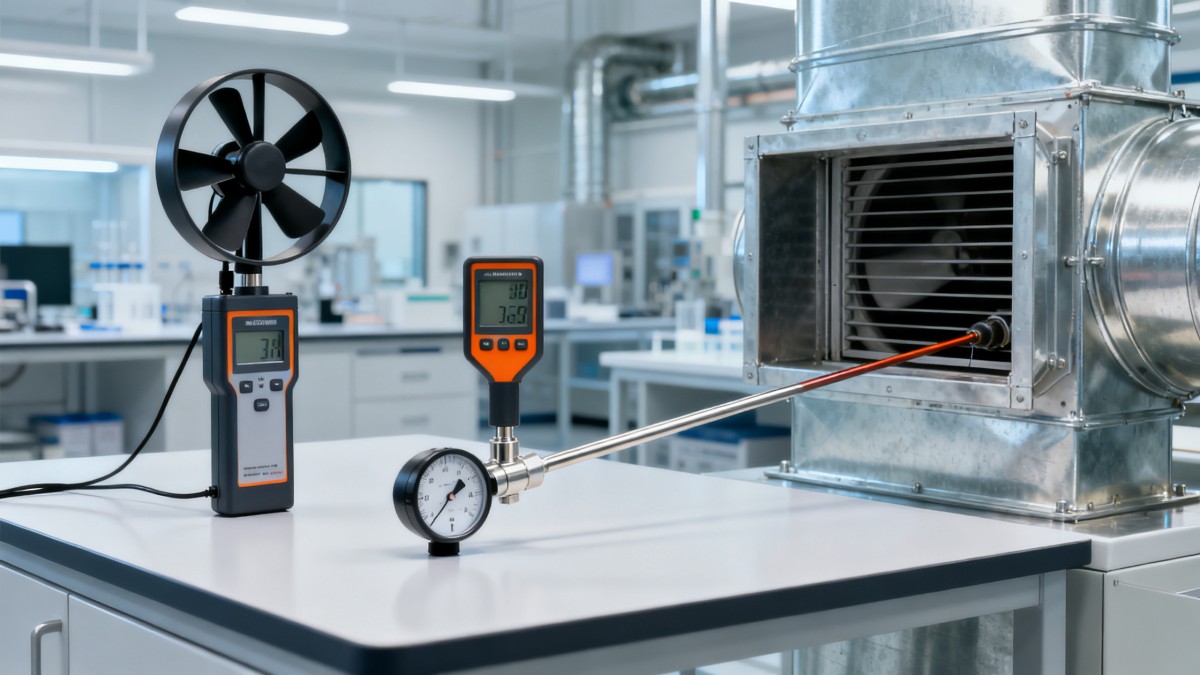
Anemometers look straightforward, but bulk buying becomes complex once the devices enter real industrial settings.
In HVAC balancing, lab validation, and field inspections, the wrong meter creates bad airflow data, delayed reporting, and unnecessary recalibration costs.
That is why anemometers wholesale decisions should start with application fit, not unit price alone.
A low-cost vane meter may work for routine duct checks, yet fail in a cleanroom where low air velocity and traceable calibration matter.
Likewise, a highly sensitive hot-wire unit may be excellent indoors, but too fragile for outdoor inspection routes.
In practice, the better question is this: what airflow conditions, reporting expectations, and handling risks will the devices face every week?
Global Industrial Core often frames industrial sourcing around resilience, compliance, and measurable performance over time.
That mindset fits anemometers wholesale planning very well, especially when the devices support safety, commissioning, environmental control, or inspection records.
Which anemometer types usually fit HVAC, labs, and field inspections best?
Most buyers are comparing three mainstream categories: vane anemometers, hot-wire anemometers, and pitot tube based solutions.
Each type has a different strength, and the match depends on airflow stability, space access, and required precision.
For HVAC balancing, vane models are often the practical starting point
Vane anemometers are widely used for supply vents, return grilles, and general duct assessments.
They are easier to train on, generally durable, and often offer acceptable accuracy for routine commercial building work.
When sourcing anemometers wholesale for maintenance teams, this type usually delivers the best balance between cost and usability.
For labs and clean environments, hot-wire units are usually preferred
Hot-wire anemometers respond well to low air velocities and subtle flow changes.
That makes them useful in cleanrooms, containment areas, research facilities, and validation work where stable readings matter.
The tradeoff is durability. Sensors can be delicate, so handling procedures and protective storage become part of the buying decision.
For field inspections and higher velocity work, pitot-based measurement may be more suitable
Pitot tube systems are common when measuring airflow in ducts with higher speeds or where differential pressure methods are already accepted.
They are less about convenience and more about controlled measurement discipline.
Outdoor inspectors may also choose rugged impeller-style devices if portability and impact resistance matter more than fine low-speed sensitivity.
How can you compare anemometers wholesale options without missing key technical details?
A useful comparison should move beyond brochure claims.
More reliable evaluation comes from checking airflow range, stated accuracy, repeatability, calibration interval, and operating environment limits together.
The table below helps organize that review before requesting quotations.
Needless variation across brands is another issue in anemometers wholesale evaluation.
Two devices may show similar ranges on paper, yet differ heavily in calibration traceability, software export, or warranty support.
That difference often becomes visible only after deployment.
What specifications matter most when accuracy and compliance are non-negotiable?
If the device supports regulated environments or formal inspection records, several specifications deserve closer scrutiny.
- Accuracy statement: check whether it is given as percentage of reading, full scale, or both.
- Calibration certificate: confirm traceability and whether the certificate is included or charged separately.
- Environmental rating: review temperature, humidity, and dust tolerance before field deployment.
- Data logging: decide whether reports require onboard memory, wireless transfer, or downloadable records.
- Compliance references: CE, ISO-related calibration practices, and any site-specific documentation needs should be checked early.
In real purchasing cycles, calibration support is often underestimated.
A device with attractive pricing can become expensive if annual recalibration is slow, overseas only, or unsupported locally.
This is where a sourcing approach aligned with GIC-style technical diligence becomes valuable.
Not every application needs premium precision, but every industrial order should clearly define what level of evidence the airflow reading must support.
If that requirement is vague, anemometers wholesale comparisons quickly become misleading.
Where do bulk orders usually go wrong on cost, lifecycle, and supplier choice?
The biggest mistakes usually happen before the purchase order is issued.
One common error is mixing all sites under one device specification, even when indoor labs and field crews work under completely different conditions.
Another issue is focusing only on the initial quote.
With anemometers wholesale sourcing, total cost often includes accessories, replacement probes, calibration downtime, batteries, cases, and software licenses.
Lead time also deserves attention. Some suppliers can ship meters quickly, but delay calibration documents or spare probes.
That creates a hidden deployment lag, especially for projects tied to commissioning deadlines.
A short checklist can reduce these risks
- Separate device groups by use case rather than forcing one model across all teams.
- Request sample calibration documents before final approval.
- Confirm spare probe availability and replacement turnaround.
- Check whether training materials and user support are included.
- Compare warranty terms for sensors, not only the main instrument body.
These steps may look basic, yet they often determine whether anemometers wholesale purchasing remains efficient six months later.
So how should you build a practical shortlist before placing an anemometers wholesale order?
Start by dividing the order into application clusters.
Typical clusters include routine HVAC balancing, low-velocity lab verification, and rugged field inspection.
Then define the minimum acceptable range, accuracy, calibration requirement, and durability level for each group.
After that, compare suppliers on more than product specs.
Review documentation quality, support responsiveness, replacement part access, and consistency across future batches.
A practical shortlist usually contains two or three models, not ten.
That keeps pilot testing manageable and makes commercial comparison more meaningful.
For organizations working across critical infrastructure, the strongest anemometers wholesale strategy is usually the one that connects measurement quality with operational risk.
In simple terms, buy the device that fits the evidence required, survives the environment, and can be supported over its full service life.
Before moving forward, it helps to document site conditions, expected inspection frequency, reporting needs, and recalibration expectations.
That turns anemometers wholesale sourcing from a catalog exercise into a controlled technical decision.
Technical Specifications
- How to Select Electronic Hotel Key Card Locks for Guest Rooms and Staff AreasAuthor :Safety Compliance Lead
- How to Select Lab Instruments for Reliable Chemical Analysis WorkflowsAuthor :Precision Metrology Expert
- How to Size a UPS for Server Rooms: Load, Runtime, and Redundancy FactorsAuthor :Grid Infrastructure Analyst
Expert Insights

Chief Security Architect
Dr. Thorne specializes in the intersection of structural engineering and digital resilience. He has advised three G7 governments on industrial infrastructure security.
Related Analysis
- Sep 17, 2026How to Select Electronic Hotel Key Card Locks for Guest Rooms and Staff AreasAuthor :Safety Compliance Lead
- Sep 16, 2026How to Select Lab Instruments for Reliable Chemical Analysis WorkflowsAuthor :Precision Metrology Expert
- Sep 15, 2026How to Size a UPS for Server Rooms: Load, Runtime, and Redundancy FactorsAuthor :Grid Infrastructure Analyst
Core Sector // 01
Security & Safety
- What to Check When Sourcing Vibration Meters Wholesale for Industrial MaintenanceAuthor :Precision Metrology Expert

- How to Select Process Control Instruments for Accuracy, Safety, and UptimeAuthor :Precision Metrology Expert

- What Should Standards Compliance Analysis Training Cover Before an Audit?Author :Precision Metrology Expert

- Why Do Pressure Instruments Fail in High-Vibration Sites?Author :Precision Metrology Expert

- Is FM Software Integration Needed for Overseas Instrument Maintenance?Author :Precision Metrology Expert

- What Are the Differences Between Lab and Field Testing Equipment?Author :Precision Metrology Expert

- Is Independent Testing Necessary for Critical Safety Components?Author :Precision Metrology Expert

- How to Validate Industrial Application Scenarios Before ProcurementAuthor :Precision Metrology Expert