MIIT Policy Pushes Smarter Industrial Test Instruments
Author
Date Published
Reading Time
The timing of the event is not clearly specified in the provided information, but the industry relevance is clear: in June, China’s Ministry of Industry and Information Technology released an implementation guideline on “AI + information and communications” innovation development for 2026–2028, identifying more than 30 high-value application scenarios and naming AI-driven on-site industrial testing and diagnostic systems as a priority direction. For companies involved in testing and measurement, instrument integration, procurement, field service, and export-oriented delivery, this is worth close attention because it signals a policy-backed move toward smarter calibration, edge-based inspection, and wireless sensor-enabled instruments.
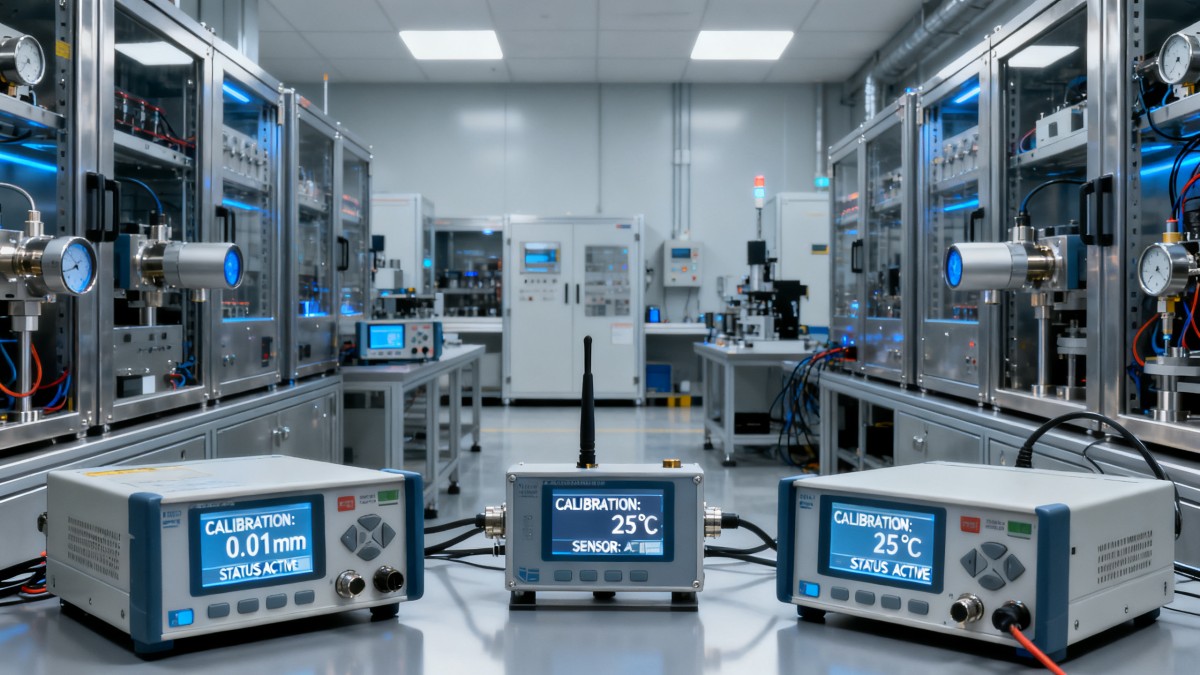
What the policy explicitly puts on the table
According to the provided summary, the June implementation opinion sets out a 2026–2028 framework for innovation in “AI + information and communications.” Within that framework, it proposes the creation of more than 30 high-value representative scenarios. One of the listed priority directions is an AI-driven industrial field testing and diagnostic system.
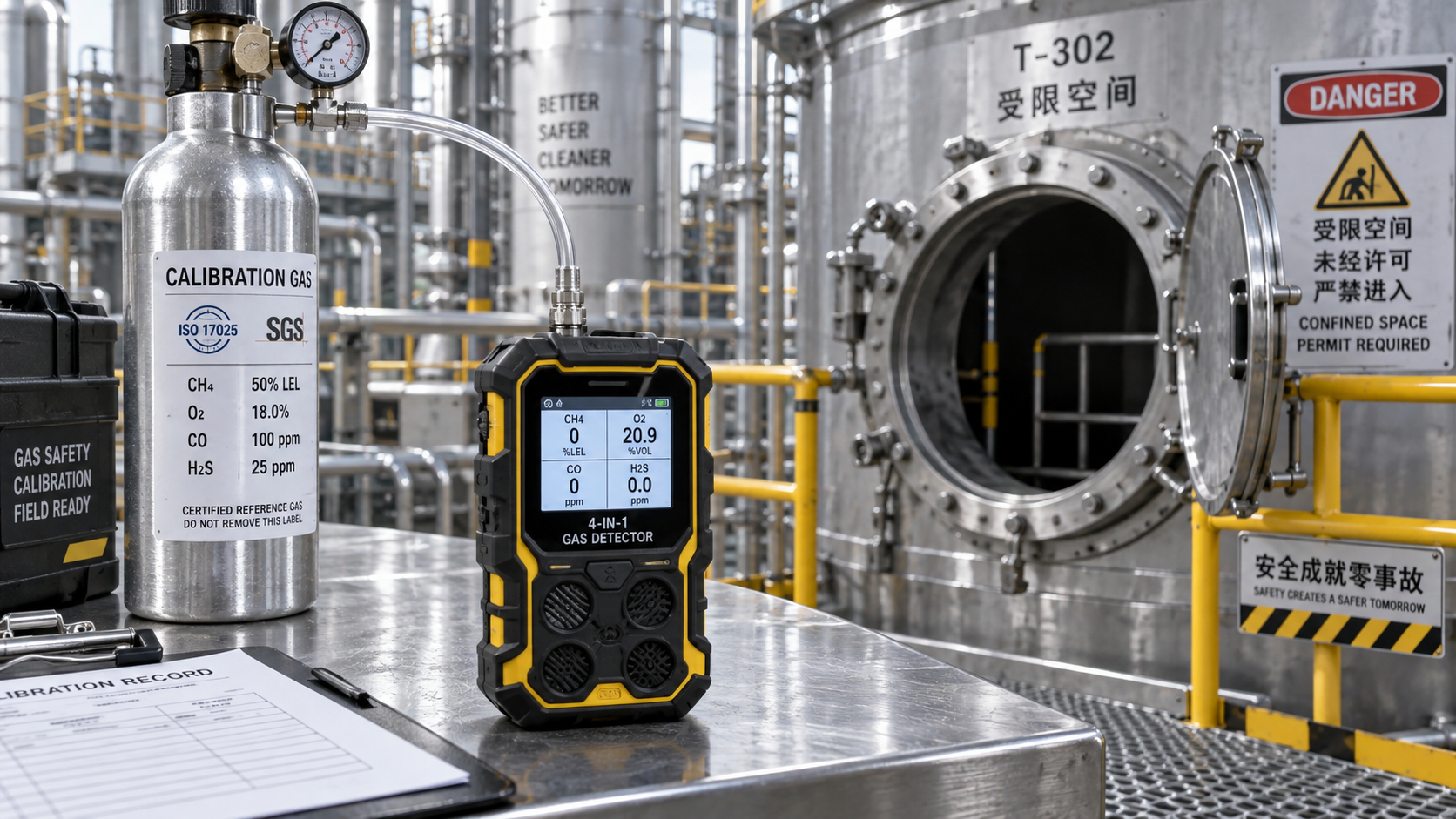
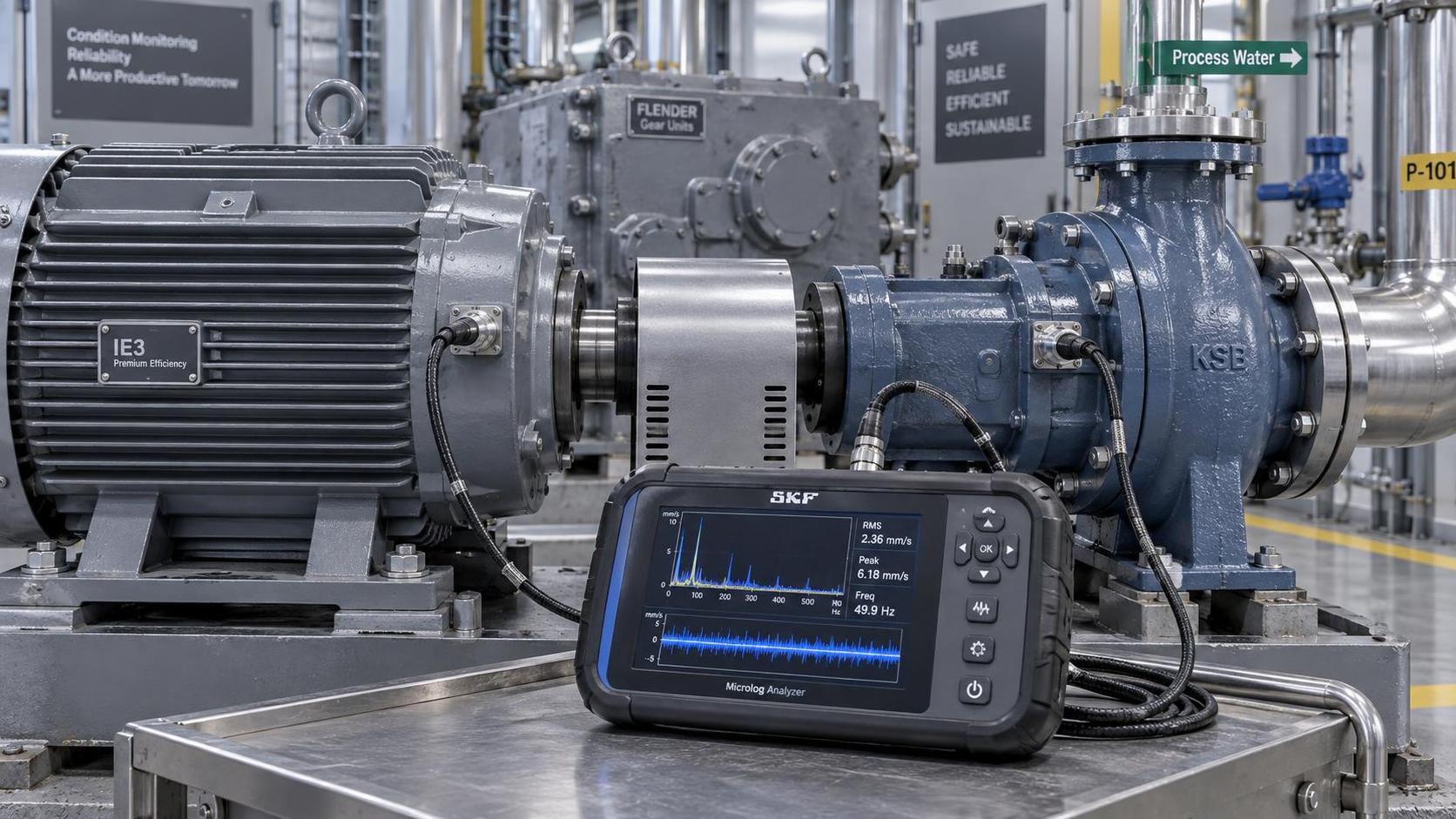
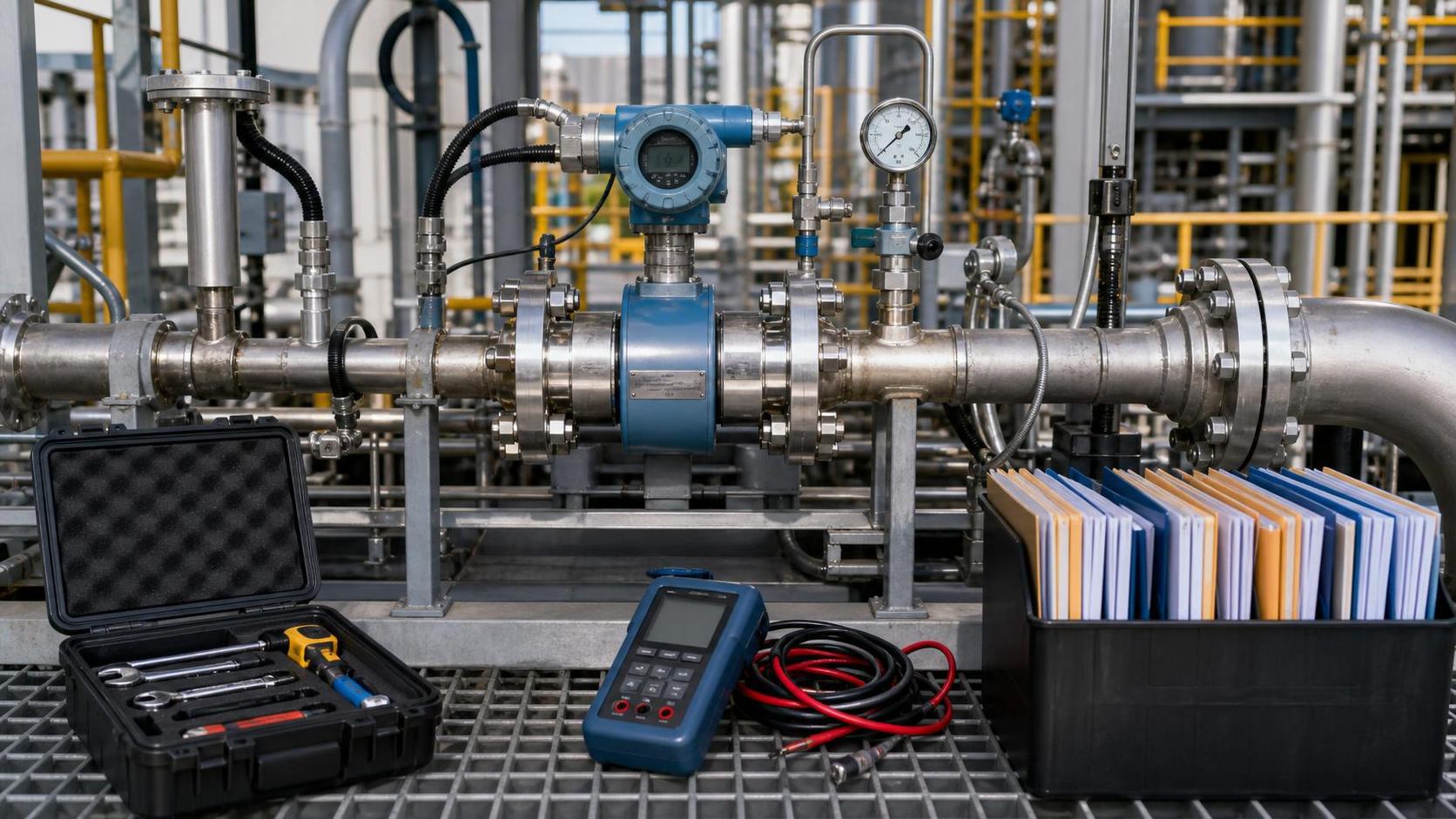
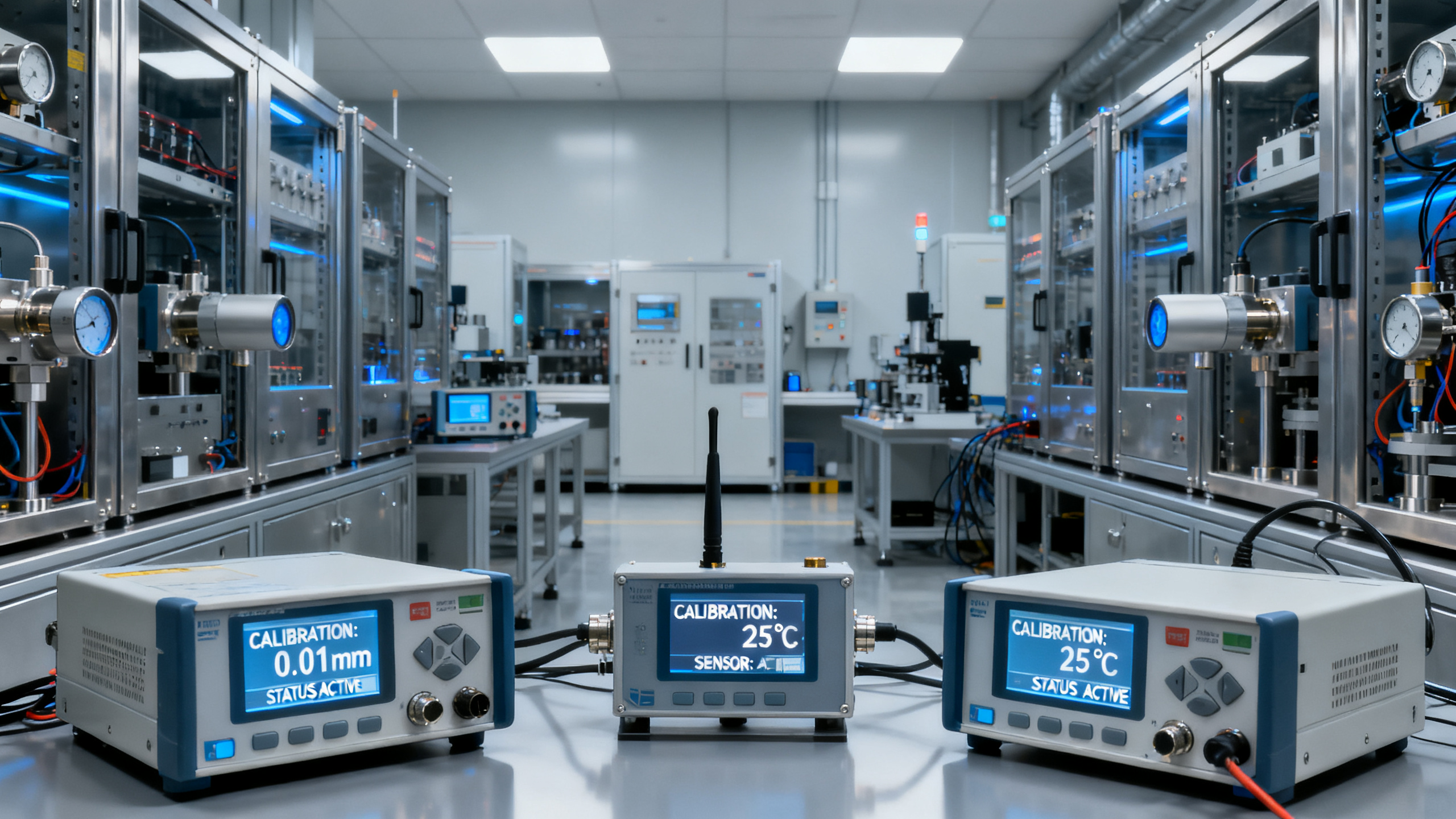
The same information indicates that the policy is expected to accelerate domestic iteration in the Testing & Measurement field, especially in intelligent calibration terminals, edge AI inspection modules, and instruments integrated with wireless sensor networks. The stated business relevance is that these developments may support next-generation testing solutions with higher precision and lower maintenance costs for overseas customers.
Where the effects may be felt first
Instrument and module manufacturers may see development priorities sharpen
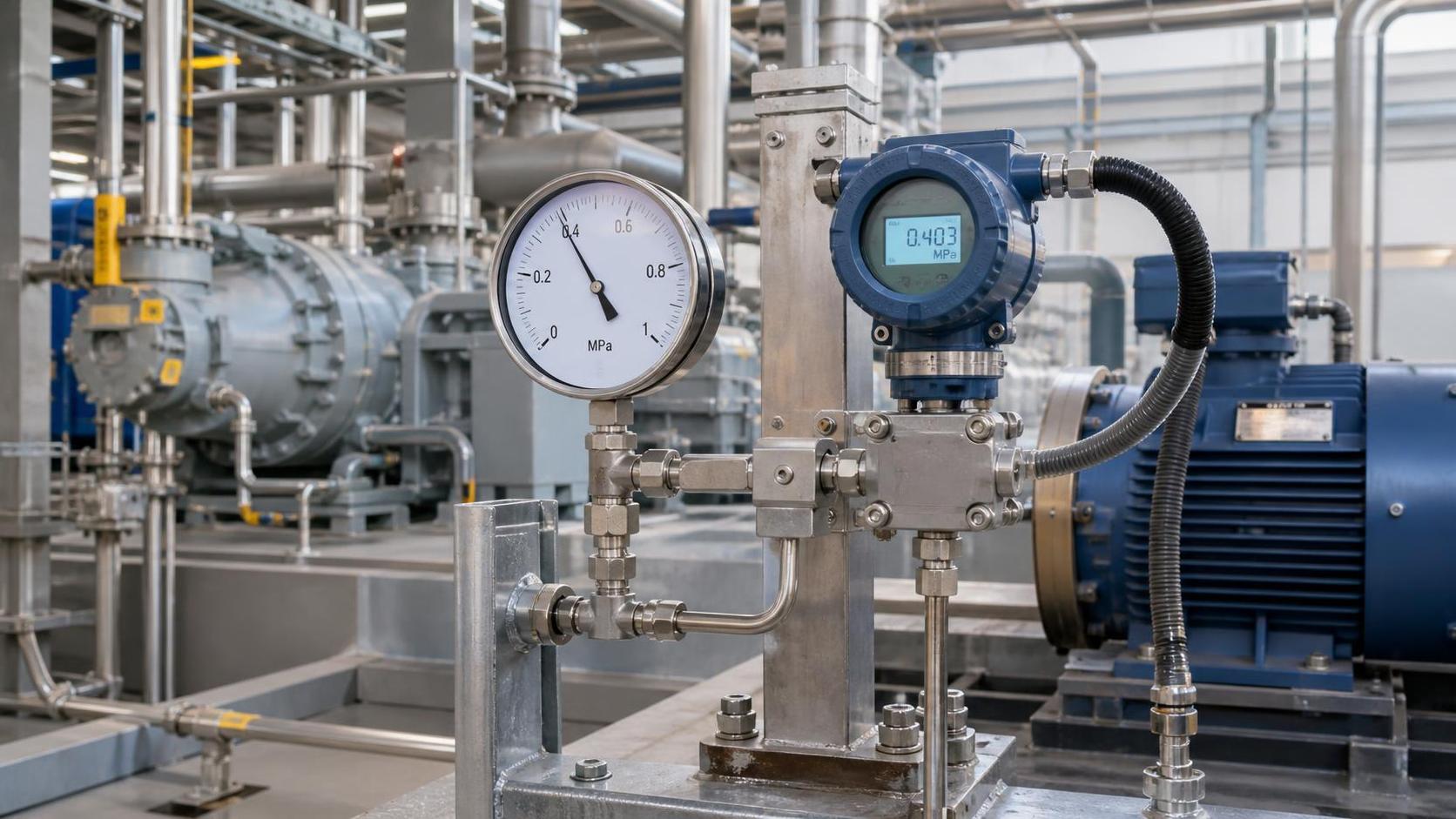
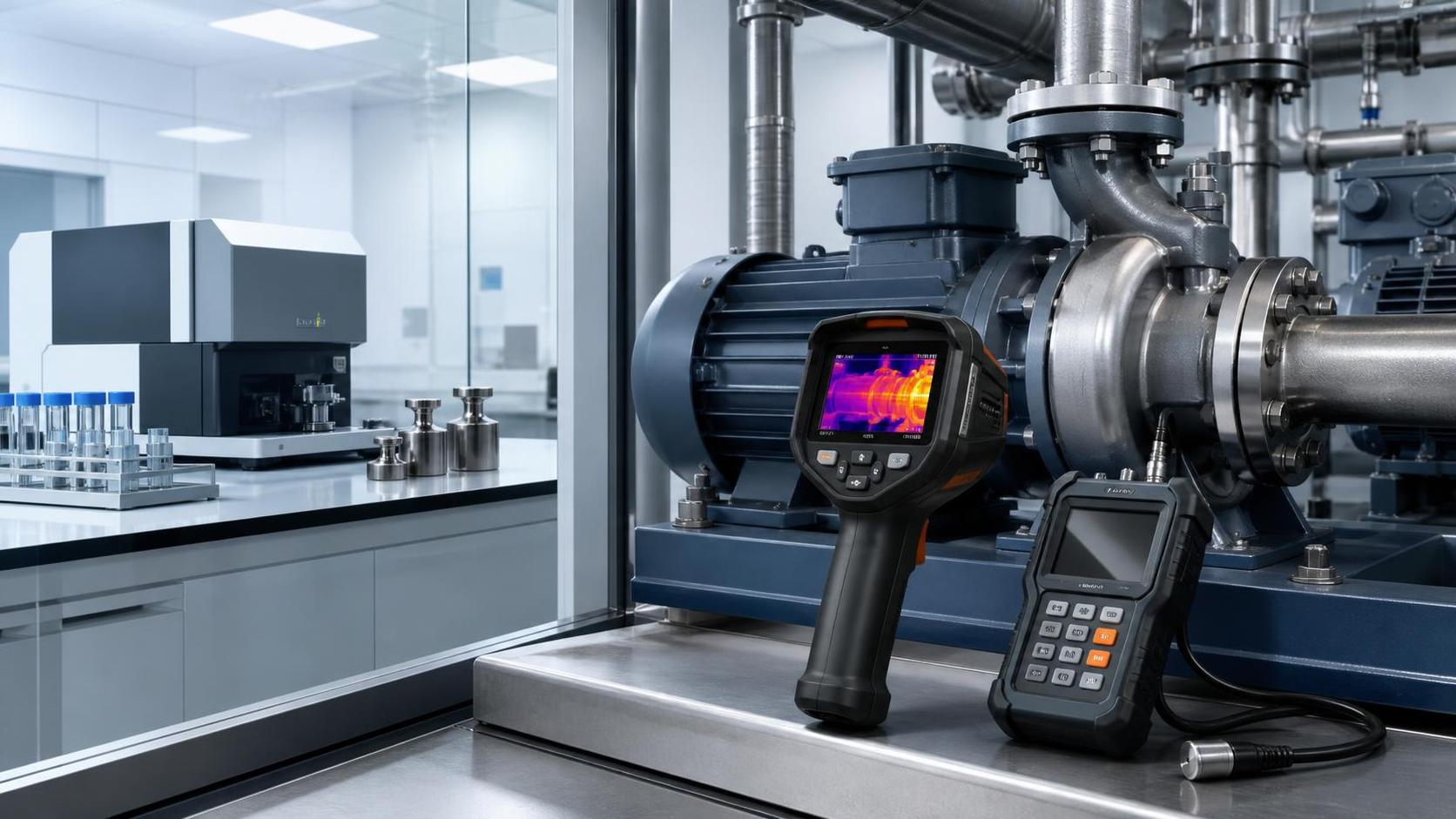
From an industry perspective, manufacturers of testing instruments, embedded detection modules, and integrated sensing equipment may be among the first to feel the impact. The reason is straightforward: the policy language points directly to field testing and diagnosis, which connects product development not only to hardware performance but also to AI capability, edge deployment, and system interoperability. What deserves closer attention is whether product roadmaps begin to shift toward calibration intelligence, distributed sensing, and diagnosis-ready architecture.
Procurement and sourcing teams may need to reassess specification criteria
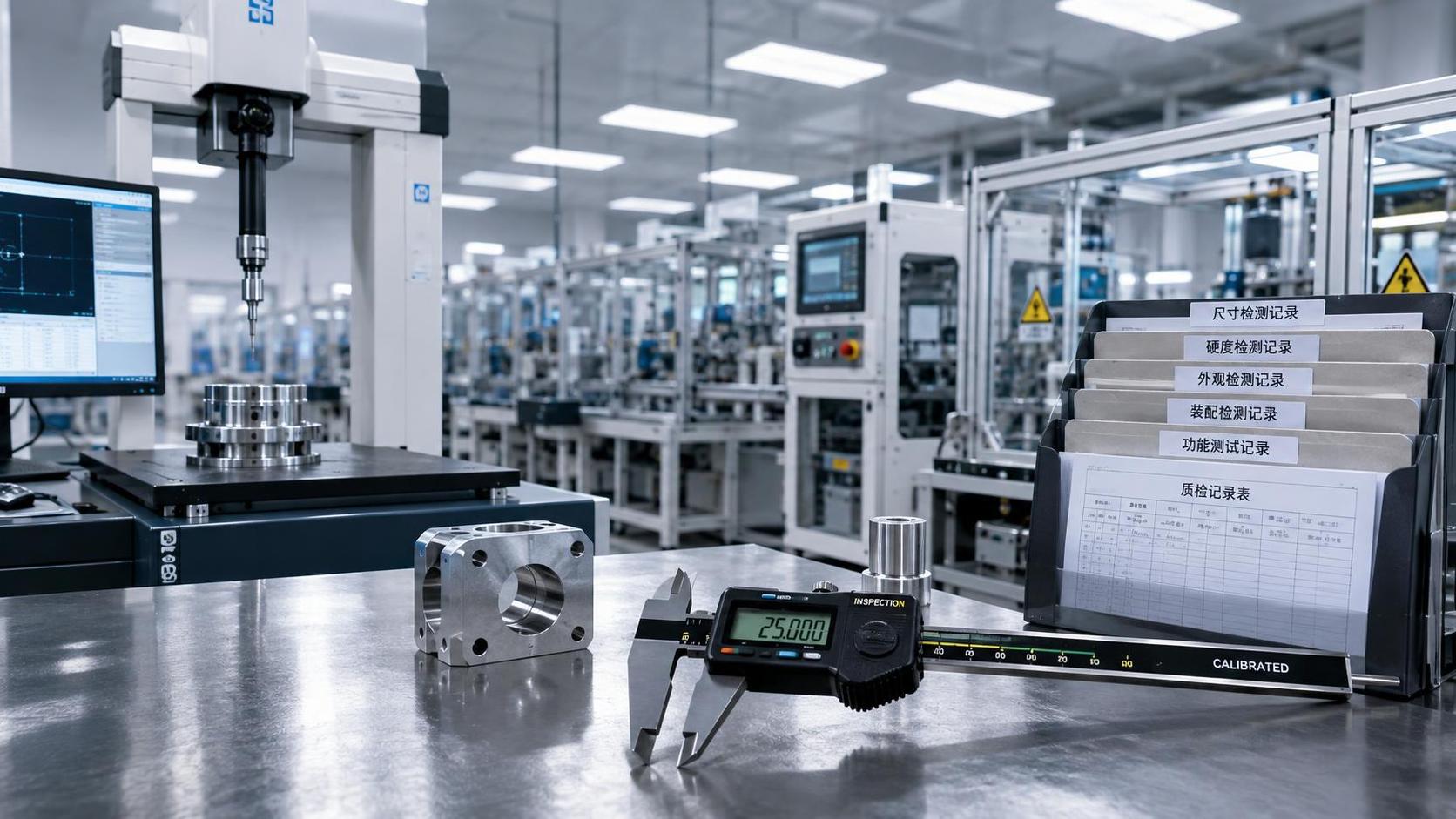
For buyers and sourcing teams, the likely effect is not simply a new product category but a change in how technical value is evaluated. Analysis shows that where traditional decisions may have focused on baseline measurement performance, future selection criteria may increasingly consider integration capability, on-site diagnostic support, and maintenance efficiency. The practical business impact would appear in tender specifications, supplier comparison, and lifecycle cost evaluation.
Service and deployment partners may face new delivery expectations
Service providers and deployment partners may also be affected because AI-enabled field testing systems typically influence installation logic, data handling, and maintenance workflows. Observably, if calibration terminals, edge inspection modules, and wireless sensor-based instruments advance together, service execution may require closer coordination between device setup, diagnostics, and ongoing support. What deserves closer attention is whether delivery models begin to require stronger system-level integration rather than standalone instrument supply.
Overseas-facing suppliers may watch the cost-precision balance more closely
For companies serving overseas customers, the provided summary highlights two potential value points: higher precision and lower maintenance cost. That does not confirm immediate market change, but it does suggest a direction that export-oriented suppliers may use when evaluating product positioning, technical communication, and after-sales planning. The business impact may therefore extend beyond manufacturing into quotation logic, support commitments, and customer-side performance expectations.
What companies should track from here
Follow how official wording translates into practical criteria
The policy signal is clear, but companies should distinguish between a named priority direction and detailed implementation rules. What deserves closer attention is whether future official communication adds clearer technical requirements, scenario definitions, or qualification expectations related to AI-driven industrial testing and diagnosis.
Focus on the named product paths rather than broad AI narratives
Based on the provided information, the most relevant categories are intelligent calibration terminals, edge AI inspection modules, and wireless sensor network integrated instruments. For enterprises, this means current attention is better placed on these concrete product paths than on generalized AI messaging. In practical terms, product planning, supplier coordination, and customer communication may need to stay tightly linked to these categories.
Separate policy momentum from immediate commercial rollout
Analysis shows that policy emphasis and business conversion do not always move at the same pace. Companies should therefore avoid reading the guideline as an immediate demand surge. A more practical approach is to prepare for possible shifts in procurement language, project requirements, and technical discussions while continuing to validate actual customer adoption and delivery feasibility.
Prepare documentation and delivery communication early
Where overseas business is involved, supplier documentation, technical explanation, and fulfillment timelines may become more important if customers begin asking how smarter testing solutions improve accuracy and reduce maintenance burden. Observably, this is less about promotional language and more about being ready to explain configuration logic, service boundaries, and implementation readiness in a consistent way.
How this signal is best understood at this stage
Analysis shows that this development is more appropriately understood as a medium- to long-term policy signal rather than a completed market outcome. The importance of the update lies in the fact that AI-driven industrial field testing and diagnostics has been explicitly named within a national implementation framework, which gives the topic clearer policy visibility. At the same time, the provided information does not confirm rollout pace, commercial scale, or finalized execution rules, so the sector still needs continued observation.
From an industry perspective, the deeper meaning is not just that AI is being discussed in broad terms, but that a specific application area within Testing & Measurement has been singled out. That makes this relevant for product planners, sourcing teams, service operators, and export-facing businesses that need to judge whether today’s instrument strategies can align with tomorrow’s scenario-based requirements.
A measured reading of the update
At this point, the most balanced interpretation is that the policy creates a clearer directional signal for intelligent upgrading in industrial testing instruments and related systems. It does not by itself prove immediate market transformation, but it does indicate where attention is likely to concentrate across product design, procurement evaluation, and solution delivery. For the industry, this is best understood as a development that merits active tracking rather than a finished result.
Basis of this article and what still needs verification
This article is based on the user-provided news title, event timing description, and event summary. The specific official source link was not provided in the input, so the exact document text and any subsequent explanatory materials still require ongoing verification.
For this type of industry update, commonly relevant source categories may include official government notices, company announcements, industry association releases, authoritative media coverage, and standards-related documents. Continued attention should be given to any follow-up official wording, scenario implementation details, and practical signals related to procurement, deployment, and export-facing application of AI-enabled testing and measurement systems.
Technical Specifications
- Portable Gas Monitor Calibration: How Often Is It Needed for Safe Confined-Space Work?Author :Precision Metrology Expert
- Wholesale Borosilicate Lab Glassware: How Buyers Verify Quality, Specs, and Supply ReliabilityAuthor :Precision Metrology Expert
- How to Select Electronic Hotel Key Card Locks for Guest Rooms and Staff AreasAuthor :Safety Compliance Lead
Expert Insights

Chief Security Architect
Dr. Thorne specializes in the intersection of structural engineering and digital resilience. He has advised three G7 governments on industrial infrastructure security.
Related Analysis
- Sep 19, 2026Portable Gas Monitor Calibration: How Often Is It Needed for Safe Confined-Space Work?Author :Precision Metrology Expert
- Sep 18, 2026Wholesale Borosilicate Lab Glassware: How Buyers Verify Quality, Specs, and Supply ReliabilityAuthor :Precision Metrology Expert
- Sep 17, 2026How to Select Electronic Hotel Key Card Locks for Guest Rooms and Staff AreasAuthor :Safety Compliance Lead
Core Sector // 01
Security & Safety
- Portable Gas Monitor Calibration: How Often Is It Needed for Safe Confined-Space Work?Author :Precision Metrology Expert

- What to Check When Sourcing Vibration Meters Wholesale for Industrial MaintenanceAuthor :Precision Metrology Expert

- How to Select Process Control Instruments for Accuracy, Safety, and UptimeAuthor :Precision Metrology Expert

- What Should Standards Compliance Analysis Training Cover Before an Audit?Author :Precision Metrology Expert

- Why Do Pressure Instruments Fail in High-Vibration Sites?Author :Precision Metrology Expert

- Is FM Software Integration Needed for Overseas Instrument Maintenance?Author :Precision Metrology Expert

- What Are the Differences Between Lab and Field Testing Equipment?Author :Precision Metrology Expert

- Is Independent Testing Necessary for Critical Safety Components?Author :Precision Metrology Expert