Laser Distance Meters Wholesale: How Buyers Compare Accuracy, MOQ, and OEM Options
Author
Date Published
Reading Time
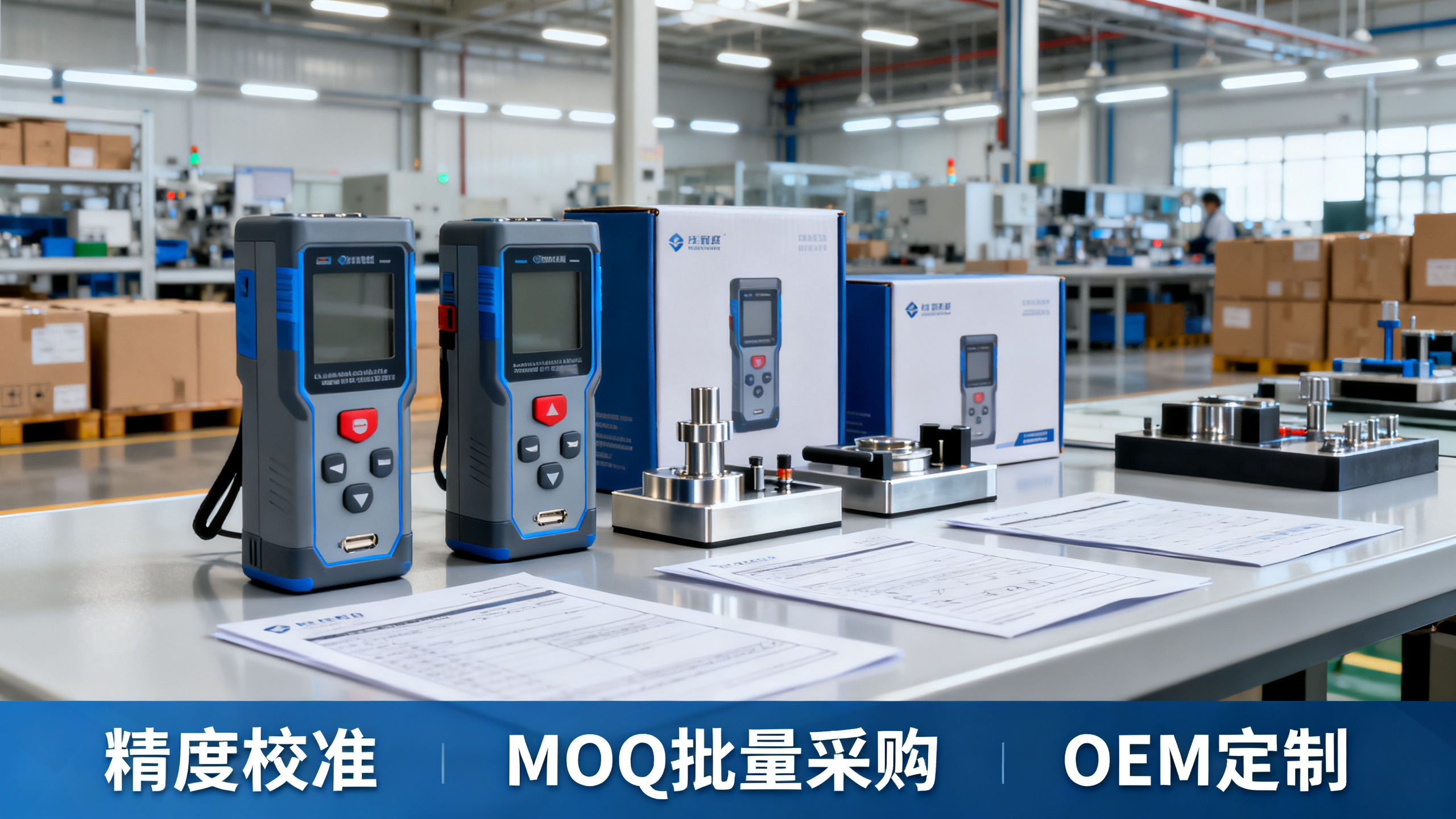
Why does laser distance meters wholesale involve more than unit price?
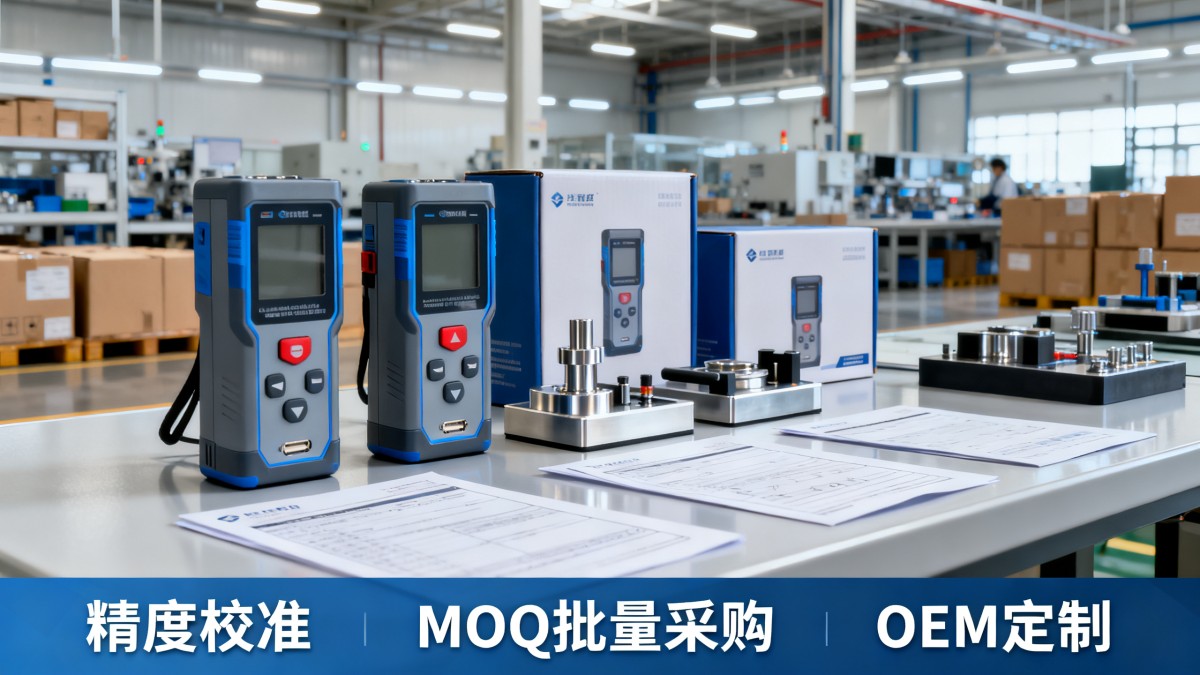
In laser distance meters wholesale, price is only the visible layer of the decision.
The real comparison usually starts with measurement accuracy, batch consistency, compliance documents, and delivery stability.
That matters even more in industrial and commercial projects, where a small reading error can affect layout, installation, inspection, or cost control.
Buyers sourcing through wholesale channels often need repeatable performance across many units, not one impressive sample.
A supplier may offer an attractive quote, yet fail on calibration records, firmware stability, or export packaging.
In practice, laser distance meters wholesale is a risk management exercise as much as a cost exercise.
This is also why data-led sourcing platforms such as Global Industrial Core emphasize verified standards, metrology discipline, and documentation quality.
For infrastructure and facility work, the goal is not simply buying meters in volume.
The goal is securing tools that keep field measurements dependable, traceable, and easy to support after delivery.
How accurate should wholesale laser distance meters really be?
This question sounds simple, but accuracy depends on use case, measuring range, and working environment.
For indoor layout work, a tolerance around plus or minus 1.5 mm may be acceptable.
For fit-out verification, equipment positioning, or engineering checks, tighter performance may be expected.
More important, stated accuracy should be read together with test conditions.
Some catalogs quote ideal results under controlled light, reflective targets, and limited distance.
Field conditions are less forgiving, especially outdoors, on dark surfaces, or in dusty environments.
A more useful way to compare laser distance meters wholesale offers is to ask for these details:
- Declared accuracy and the exact distance range covered
- Repeatability across multiple units from one batch
- Performance under bright light or low-reflectivity targets
- Calibration method and available test reports
- Measurement speed, memory, and angle or area functions
A lower-cost meter can still be a sound wholesale choice when application tolerance is broad and operating conditions are stable.
The problem appears when a general-purpose model is pushed into technical work without validating its limits.
That is where returns, field complaints, and support costs usually begin.
A quick comparison table helps narrow the shortlist
When reviewing laser distance meters wholesale options, this kind of matrix is more useful than headline pricing alone.
MOQ looks straightforward, so why does it often distort the final cost?
MOQ is rarely just one number.
In laser distance meters wholesale, suppliers may quote one MOQ for standard units and another for custom branding, color, packaging, or manuals.
A low entry MOQ can look attractive, yet the practical order threshold becomes much higher once retail box changes are added.
There is also the issue of component sourcing.
Some factories keep common boards and housings in stock, while others build only after reaching a production-efficient batch size.
That difference affects lead time, flexibility, and negotiation room.
A more grounded cost review usually includes four layers:
- Unit price at the realistic order quantity
- Tooling, artwork, or packaging setup charges
- Inspection, calibration, and compliance document costs
- Buffer stock needed for warranty or replacement use
In actual sourcing rounds, the lowest nominal MOQ does not always create the best landed cost.
A slightly higher MOQ can be more economical if defect control is stronger and packaging is already standardized.
This is especially true when the meters are intended for long-term distribution or repeated project use.
What should buyers expect when a supplier offers OEM options?
OEM means very different things across suppliers.
Some mean simple logo printing.
Others can modify interface language, carton design, carrying case, button layout, or firmware functions.
The key is to separate cosmetic customization from technical customization early.
That avoids assuming a factory can support a deeper OEM program than it actually can.
For laser distance meters wholesale, the most common OEM requests include branded housing, startup logo, multilingual manuals, barcode labels, and tailored packaging.
More advanced requests may involve firmware locks, unit conversion defaults, memory behavior, or accessory bundles.
Before approving an OEM order, it helps to confirm:
- Which parts of the product are truly customizable
- Whether sample approval reflects mass production configuration
- How revision control is handled for manuals and packaging files
- Whether compliance marks remain valid after customization
- What happens if firmware issues appear after shipment
This is one area where many sourcing mistakes happen.
A polished sample does not guarantee the same execution across a full batch unless document control is tight.
For industrial channels, traceability often matters as much as appearance.
Which certifications and documents are worth checking before placing a wholesale order?
Certification review should be practical, not symbolic.
For laser distance meters wholesale, the right document set depends on destination market, battery configuration, and application environment.
Still, several items come up repeatedly in serious sourcing decisions.
- CE or equivalent market access declarations
- RoHS compliance for material restrictions
- Laser safety classification and labeling accuracy
- Battery transport documentation where applicable
- Inspection reports, calibration records, or batch test summaries
Needless to say, a logo on the housing is not proof.
The more reliable approach is to match certificates, model numbers, and issuing scope against the actual goods.
This aligns with the way GIC approaches industrial intelligence: standards are useful only when they are specific, current, and traceable.
For projects tied to EPC delivery, utilities, or regulated facilities, document gaps can delay approval even when product performance is acceptable.
That is why compliance review should happen before price negotiation is finalized, not after production begins.
How do experienced buyers compare suppliers without overcomplicating the process?
The most effective comparisons stay focused on operational risk.
A long feature sheet is less useful than a short list of questions tied to actual deployment.
For laser distance meters wholesale, a practical review usually covers performance, commercial fit, and support readiness.
A simple supplier checklist can keep that process disciplined:
This kind of framework keeps conversations concrete.
It also makes supplier comparison easier across regions, especially when several factories appear similar on paper.
If the next sourcing step is unclear, start by ranking requirements in this order: accuracy, document readiness, MOQ realism, OEM scope, then price structure.
That sequence usually exposes weak offers quickly.
For any laser distance meters wholesale program expected to scale, documenting those criteria early will save time, reduce disputes, and improve repeat purchasing decisions.
Technical Specifications
- Air Handling Unit Supplier Checklist: Performance Data, Lead Times, and SupportAuthor :Environmental Engineering Director
- Buying Fiberglass Water Tanks Wholesale: Compare Quotes and Delivery CostsAuthor :Environmental Engineering Director
- Choosing an XLPE Power Cable Supplier: Test Reports, Traceability, and Lead TimesAuthor :Grid Infrastructure Analyst
Expert Insights

Chief Security Architect
Dr. Thorne specializes in the intersection of structural engineering and digital resilience. He has advised three G7 governments on industrial infrastructure security.
Related Analysis
- Oct 19, 2026Air Handling Unit Supplier Checklist: Performance Data, Lead Times, and SupportAuthor :Environmental Engineering Director
- Oct 18, 2026Buying Fiberglass Water Tanks Wholesale: Compare Quotes and Delivery CostsAuthor :Environmental Engineering Director
- Oct 17, 2026Choosing an XLPE Power Cable Supplier: Test Reports, Traceability, and Lead TimesAuthor :Grid Infrastructure Analyst
Core Sector // 01
Security & Safety
- Choosing a Bluetooth Total Station: Software Compatibility and Connection RangeAuthor :Precision Metrology Expert

- Material Testing Standards: ASTM E8 vs. ISO 6892-1 for Metal Tensile TestsAuthor :Precision Metrology Expert

- How to Verify Accuracy in Industrial Measurement Data and Test ReportsAuthor :Precision Metrology Expert

- Selecting a Steam Vortex Flow Meter: Sizing, Pressure, and Temperature LimitsAuthor :Precision Metrology Expert

- How to Select an Industrial Infrared Thermometer for Hot, Moving EquipmentAuthor :Precision Metrology Expert

- How to Evaluate a Precision Measurement Equipment Manufacturer for Critical TolerancesAuthor :Precision Metrology Expert

- How to Select an Emissions Monitoring System Analyzer for Compliance ReportingAuthor :Precision Metrology Expert

- Portable Gas Monitor Calibration: How Often Is It Needed for Safe Confined-Space Work?Author :Precision Metrology Expert