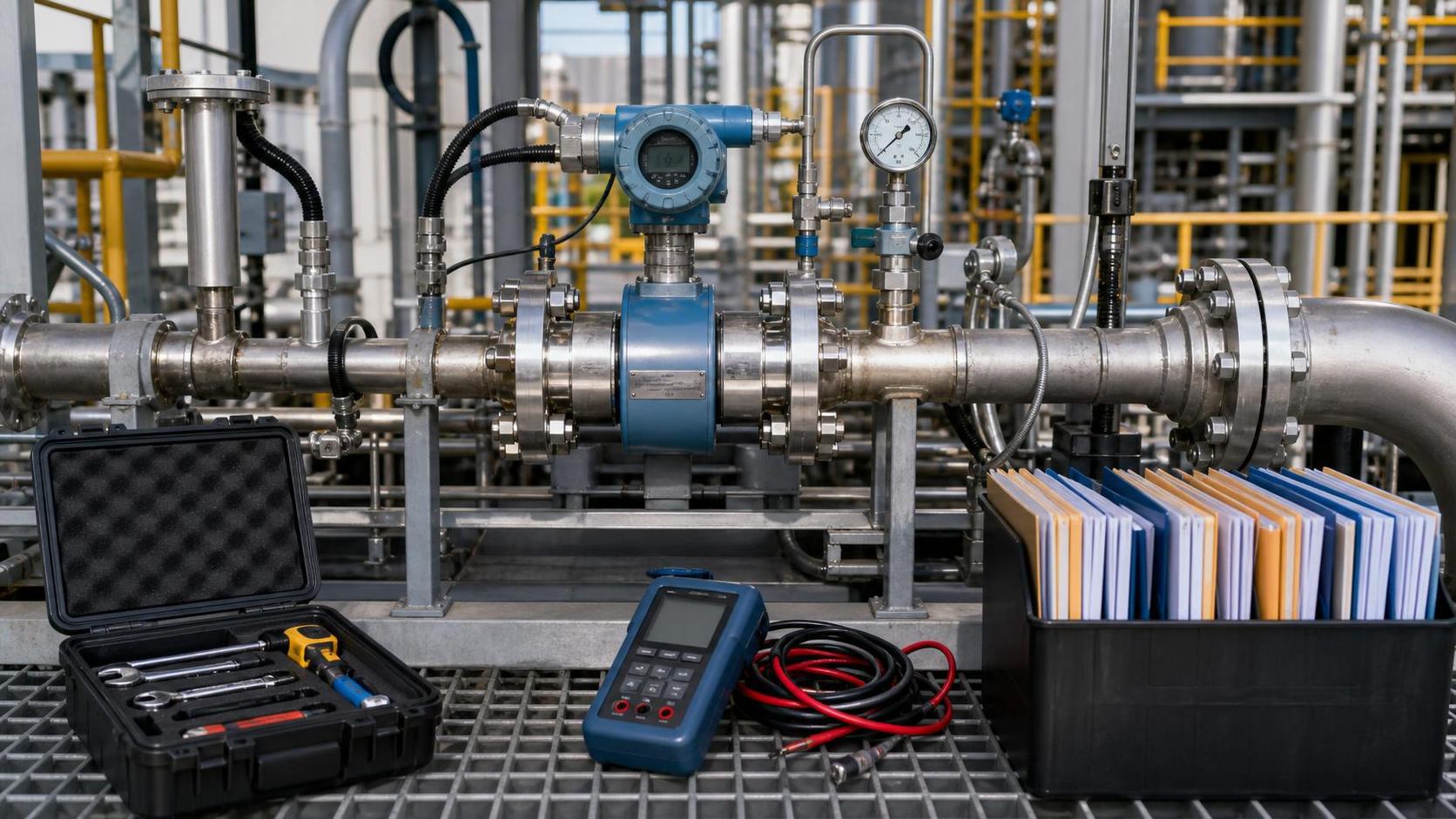
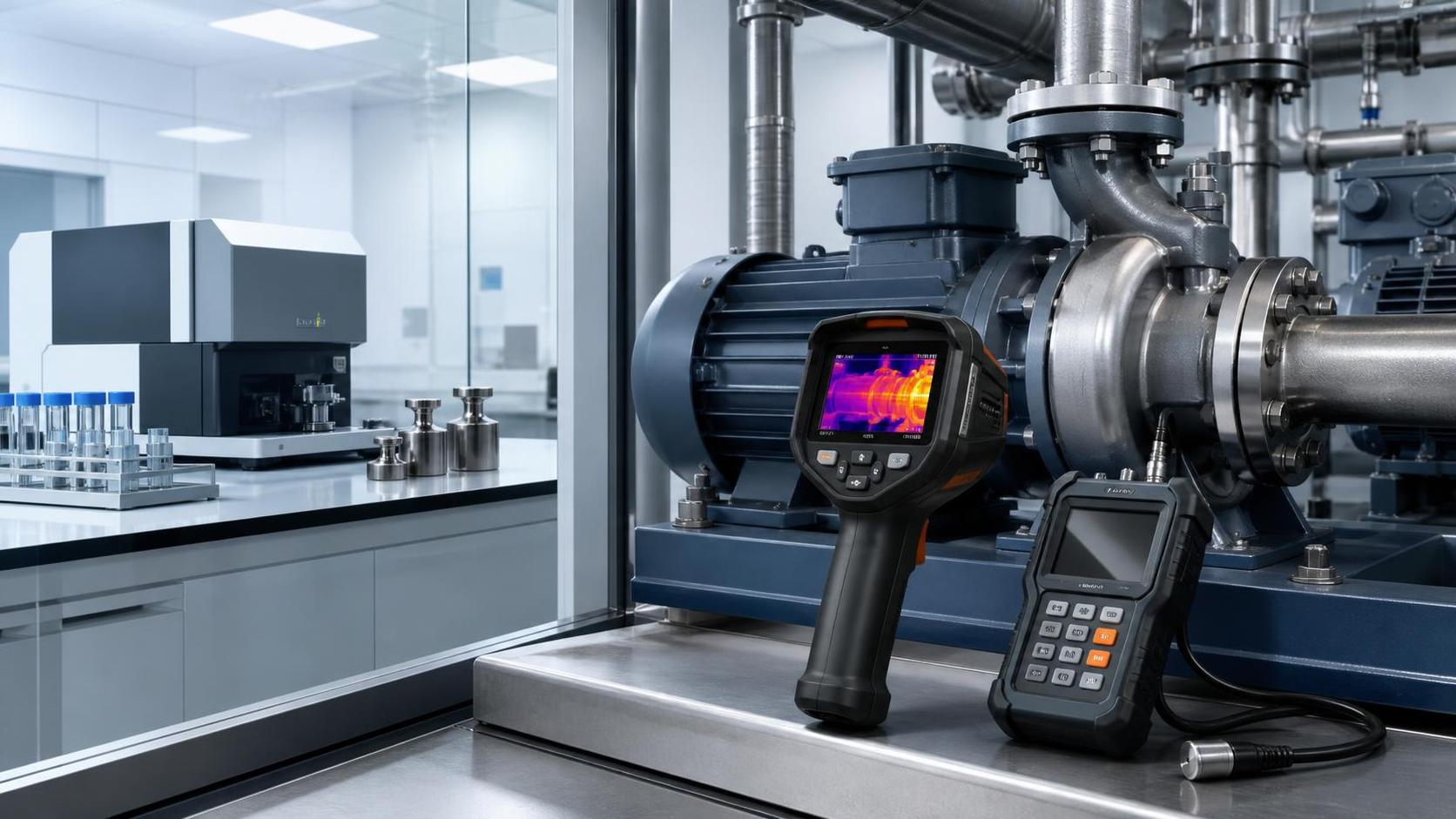
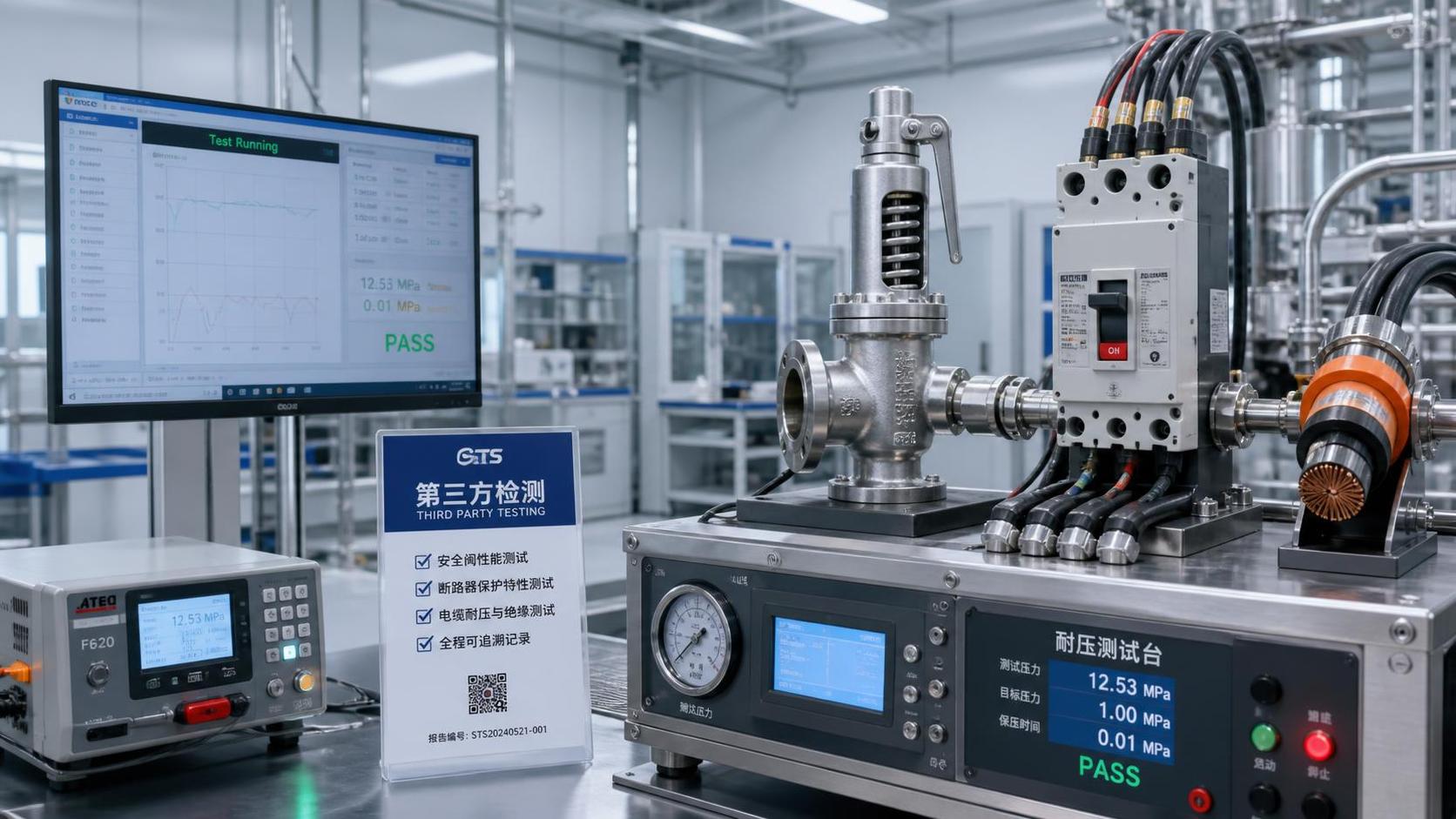
Instruments and Measurement Solutions: How to Read Accuracy, Range, and Repeatability
Author
Date Published
Reading Time

Why do accuracy, range, and repeatability matter so much in instruments and measurement solutions?

Many industrial problems start with a simple reading that looks acceptable but is not truly reliable.
That is why instruments and measurement solutions are never just about displaying a number.
They shape process stability, maintenance timing, product consistency, and safety margins across utilities, manufacturing lines, water systems, and energy facilities.
In practical terms, three specifications usually decide whether a device fits the job: accuracy, range, and repeatability.
Accuracy tells you how close the reading is to the true value.
Range shows the span the device can measure.
Repeatability reveals whether the instrument gives the same result under the same conditions.
When these three are misunderstood, selection errors become common.
A device may look advanced on paper, yet still perform poorly in vibration, humidity, pressure spikes, or fast cycle changes.
Across the sectors covered by Global Industrial Core, the better approach is to read specifications in context, not in isolation.
When a datasheet says accuracy, what does it really mean?
This is one of the most searched questions around instruments and measurement solutions, and for good reason.
Accuracy is often presented as a clean percentage, but the wording behind that percentage matters.
Some devices state accuracy as a percentage of full scale.
Others use a percentage of reading, or combine it with an added digit error.
Those are not small differences.
For example, an instrument rated at ±1% of full scale may be acceptable near the upper end.
At low values, the same instrument can become much less useful.
That is why the operating point matters as much as the stated number.
It also helps to check whether the accuracy applies under laboratory conditions only.
Temperature drift, mounting orientation, electromagnetic interference, and installation quality can all widen real-world error.
A good reading habit is to ask three follow-up questions:
- Is the accuracy based on full scale or actual reading?
- Does the stated value include environmental influence?
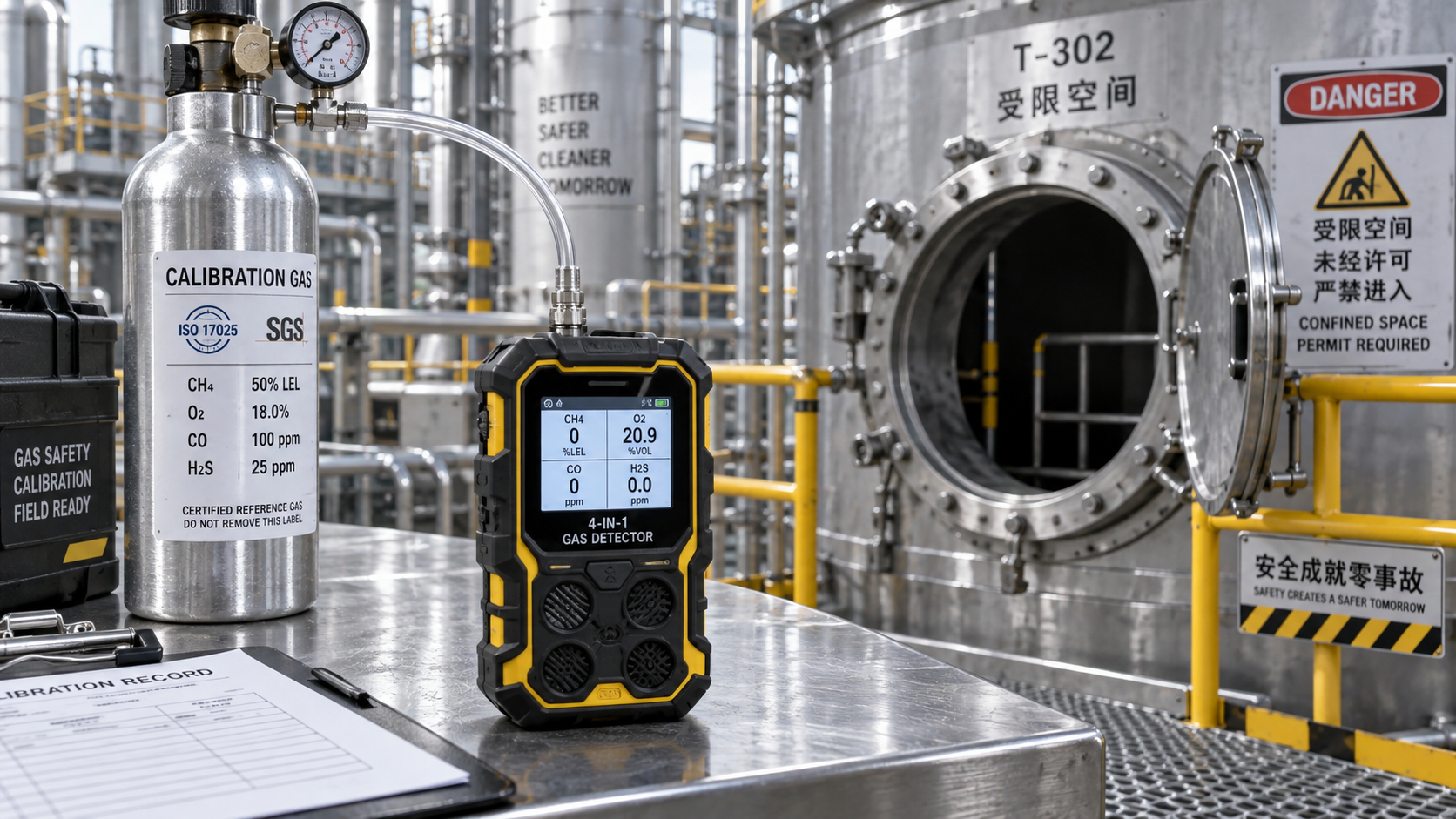
- Is calibration traceable to recognized standards such as ISO or accredited lab methods?
In heavy-duty applications, that final point is especially important because compliance and trust are closely linked.
Is a wider measuring range always better?
Not necessarily, and this is where many selection mistakes begin.
A wide range sounds flexible, but instruments and measurement solutions should match the normal operating band, not only the extreme limit.
If the expected process value stays in the lower part of the scale, resolution may suffer.
That makes trend analysis harder and alarms less meaningful.
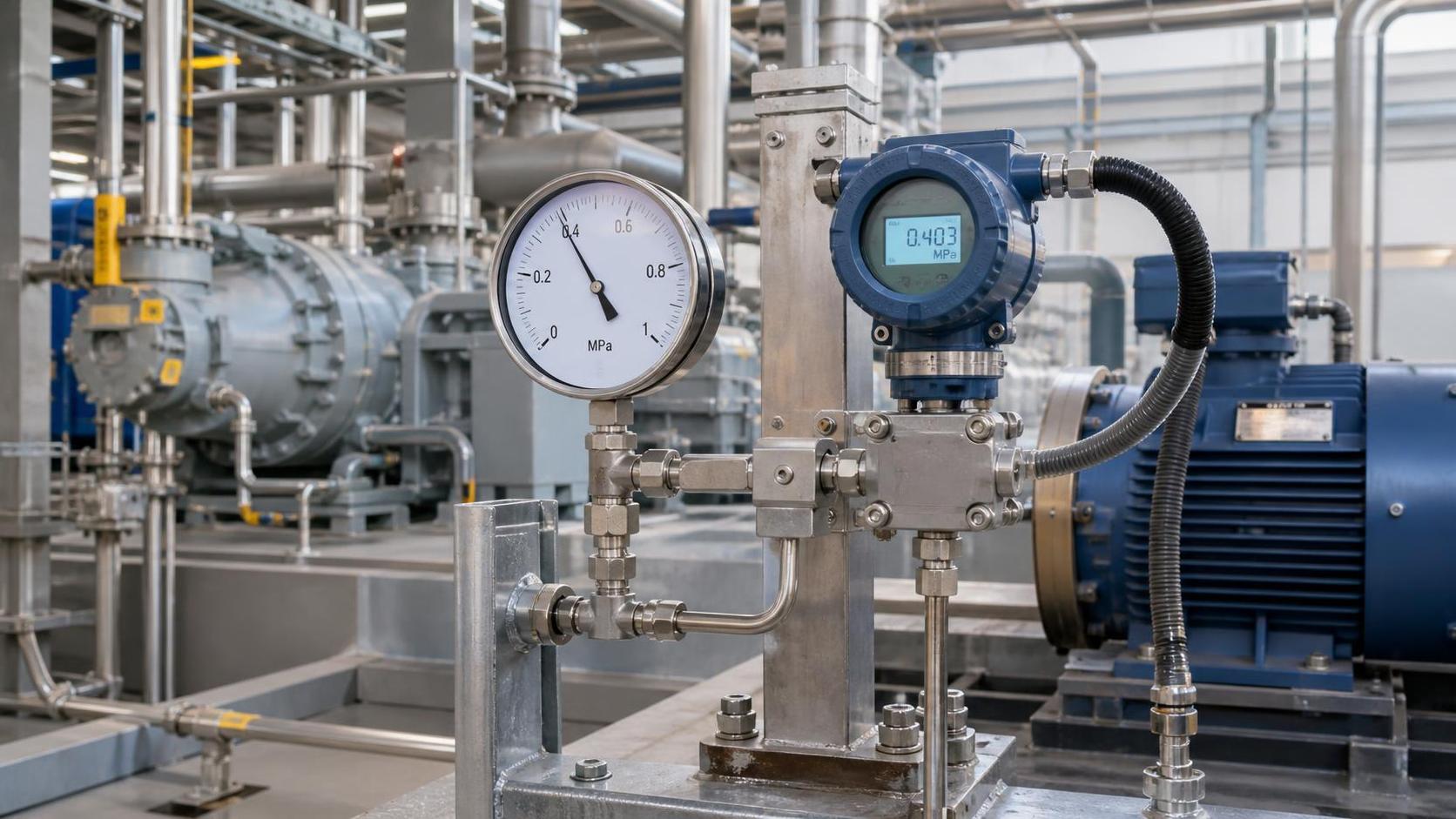
A common example is pressure monitoring.
If a line normally runs at 6 bar, choosing a transmitter for 0 to 100 bar may reduce useful detail.
The device can survive the system, but it may not describe the process well.
The better question is whether the range covers startup, upset, cleaning, and shutdown conditions without wasting normal measurement quality.
The table below helps translate datasheet language into a practical reading decision.
This distinction becomes even more important where process windows are narrow and shutdown risks are expensive.
Repeatability sounds subtle, so why does it affect daily operations?
Repeatability often gets less attention than accuracy, but on the plant floor it can be just as important.
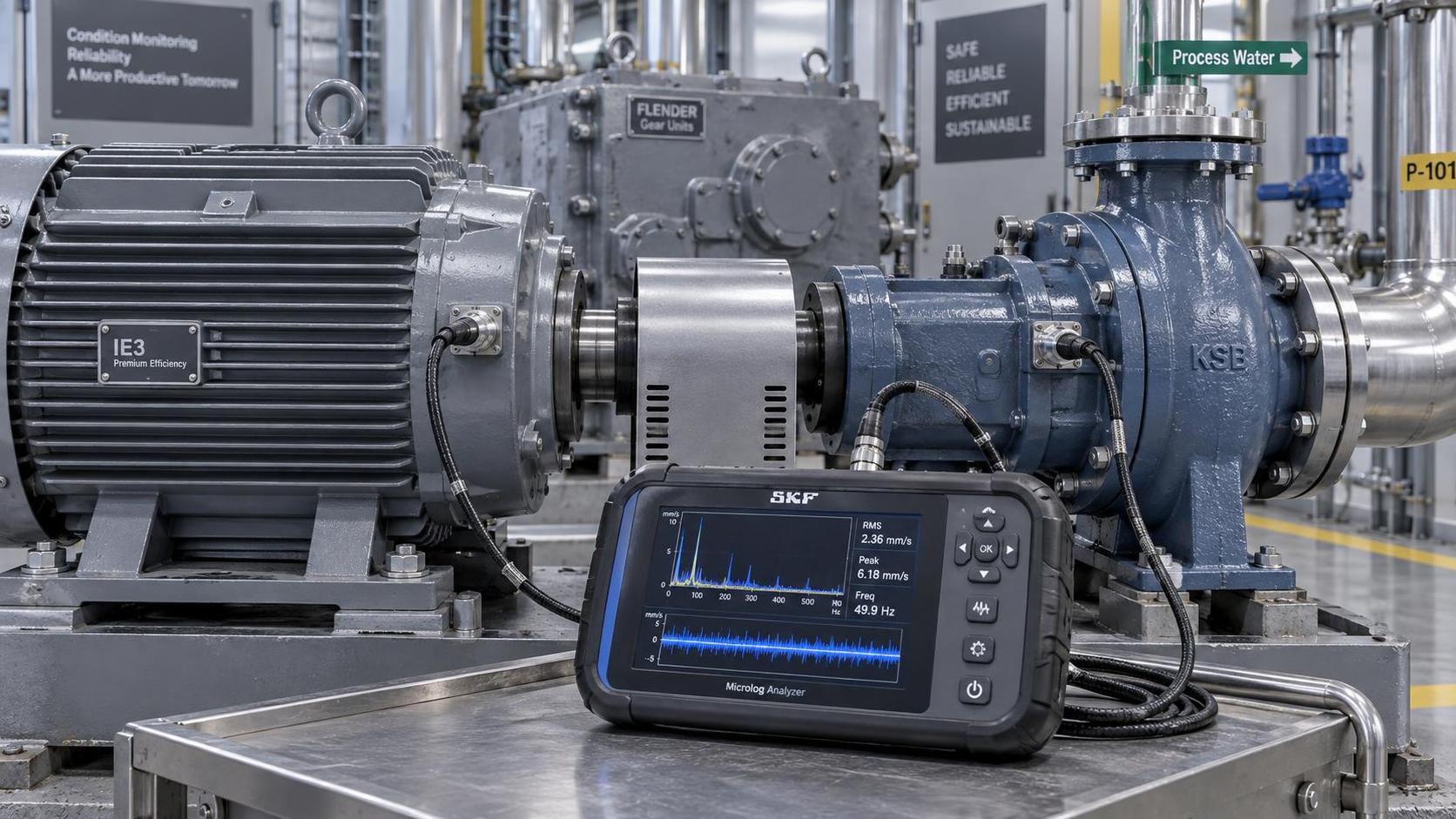
If an instrument cannot repeat the same reading under unchanged conditions, trend data becomes difficult to trust.
That means poor tuning, false alarms, and inconsistent operator response.
Instruments and measurement solutions with strong repeatability are especially valuable in batching, environmental monitoring, and quality checkpoints.
A slightly biased instrument can still be corrected through calibration.
An unstable instrument is harder to manage because the error keeps moving.
More often than not, repeatability problems come from the application, not just the device.
- Impulse line blockage can change pressure response.
- Poor grounding can create electrical noise.
- Sensor fouling can distort low-level signals.
- Thermal cycling can shift zero points over time.
So when repeatability looks weak, it is worth checking installation and maintenance history before replacing hardware.
How should you compare instruments and measurement solutions in real applications?
This is where selection moves from theory to judgment.
The strongest option is rarely the one with the longest feature list.
It is the one that fits process conditions, maintenance capability, and compliance needs at the same time.
A practical comparison should include more than core metrology specifications.
Ingress protection, signal output type, response time, materials compatibility, and certification history often decide long-term success.
In sectors tracked by Global Industrial Core, documentation quality also matters.
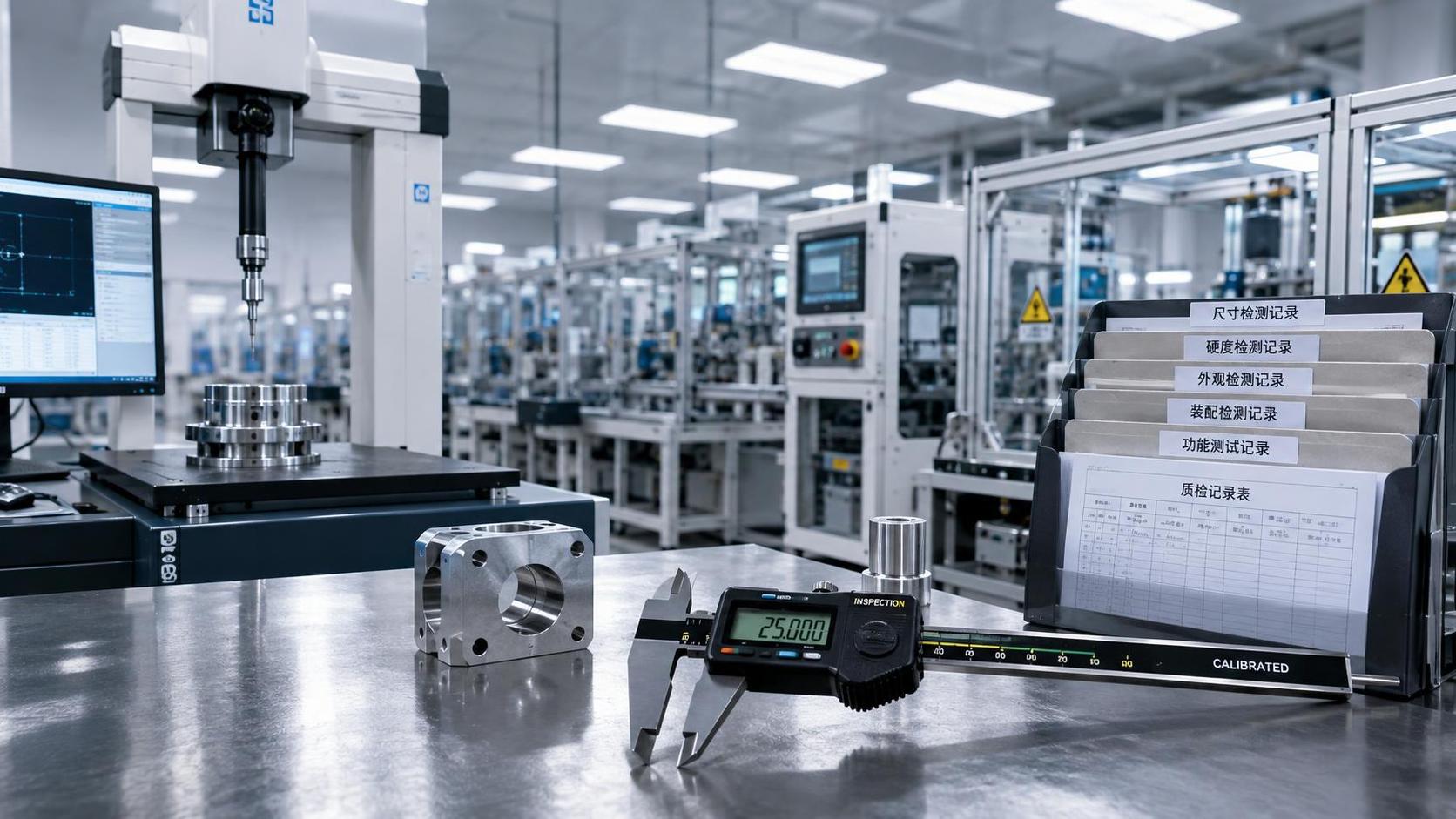
Clear calibration records, CE or UL support, and test evidence reduce uncertainty during installation and audits.
A useful comparison checklist looks like this:
- Define the normal operating window before reviewing the maximum range.
- Match stated accuracy to the actual decision point in the process.
- Confirm repeatability under expected vibration, heat, and contamination.
- Check calibration interval and field service practicality.
- Review compliance documents, not just sales claims.
That method usually leads to better choices than comparing only price or brand familiarity.
What are the most common mistakes when reading specifications?
Most mistakes are not technical failures.
They are reading failures.
One common error is assuming a highly accurate device is automatically the best fit.
If the sensor body cannot handle corrosion or shock, the specification becomes irrelevant.
Another mistake is ignoring lifecycle behavior.
A device may perform well when new but drift quickly in humid or dusty environments.
There is also a tendency to confuse stable display values with trustworthy measurement.
A smooth signal can still be wrong if the range is poorly matched or calibration is outdated.
To avoid these traps, keep the following reminders in mind:
- Never read accuracy without checking how it is defined.
- Never choose range without mapping normal and abnormal operating conditions.
- Never treat repeatability as a secondary issue in control-critical tasks.
- Never skip environmental and certification notes in the datasheet.
That is usually enough to filter out weak options early.
So what is the smartest next step before choosing a device?
Start with the process, not the catalog.
List the actual variable, the normal operating band, the upset condition, and the action triggered by the reading.
That simple exercise makes instruments and measurement solutions easier to compare in a meaningful way.
Then review whether the instrument supports the level of confidence the application requires.
Safety monitoring, emissions reporting, and tight quality control usually justify deeper scrutiny.
General indication points may allow more flexibility.
The key takeaway is straightforward.
Accuracy tells you whether the reading is close to truth.
Range tells you whether the device is operating in the right window.
Repeatability tells you whether the result can be trusted again tomorrow.
If you document those three points clearly, compare environmental limits, and confirm traceable testing, the final decision becomes much stronger.
That is the most reliable way to judge instruments and measurement solutions before they become part of a critical industrial system.
Technical Specifications
- How to Select an Access Control Management System for Multi-Site FacilitiesAuthor :Safety Compliance Lead
- Portable Gas Monitor Calibration: How Often Is It Needed for Safe Confined-Space Work?Author :Precision Metrology Expert
- Wholesale Borosilicate Lab Glassware: How Buyers Verify Quality, Specs, and Supply ReliabilityAuthor :Precision Metrology Expert
Expert Insights

Chief Security Architect
Dr. Thorne specializes in the intersection of structural engineering and digital resilience. He has advised three G7 governments on industrial infrastructure security.
Related Analysis
- Sep 20, 2026How to Select an Access Control Management System for Multi-Site FacilitiesAuthor :Safety Compliance Lead
- Sep 19, 2026Portable Gas Monitor Calibration: How Often Is It Needed for Safe Confined-Space Work?Author :Precision Metrology Expert
- Sep 18, 2026Wholesale Borosilicate Lab Glassware: How Buyers Verify Quality, Specs, and Supply ReliabilityAuthor :Precision Metrology Expert
Core Sector // 01
Security & Safety
- Portable Gas Monitor Calibration: How Often Is It Needed for Safe Confined-Space Work?Author :Precision Metrology Expert

- What to Check When Sourcing Vibration Meters Wholesale for Industrial MaintenanceAuthor :Precision Metrology Expert

- How to Select Process Control Instruments for Accuracy, Safety, and UptimeAuthor :Precision Metrology Expert

- What Should Standards Compliance Analysis Training Cover Before an Audit?Author :Precision Metrology Expert

- Why Do Pressure Instruments Fail in High-Vibration Sites?Author :Precision Metrology Expert

- Is FM Software Integration Needed for Overseas Instrument Maintenance?Author :Precision Metrology Expert

- What Are the Differences Between Lab and Field Testing Equipment?Author :Precision Metrology Expert

- Is Independent Testing Necessary for Critical Safety Components?Author :Precision Metrology Expert