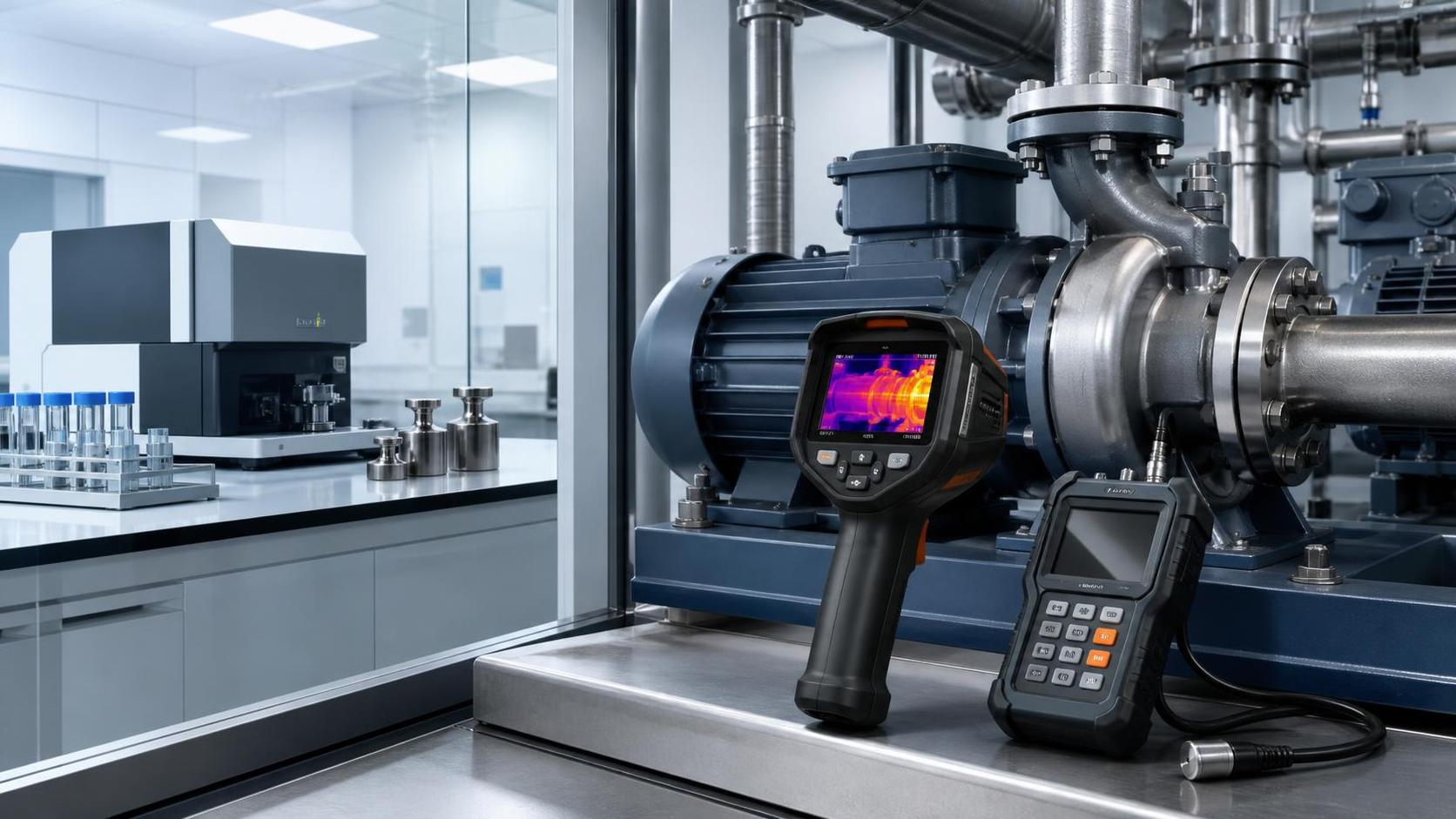
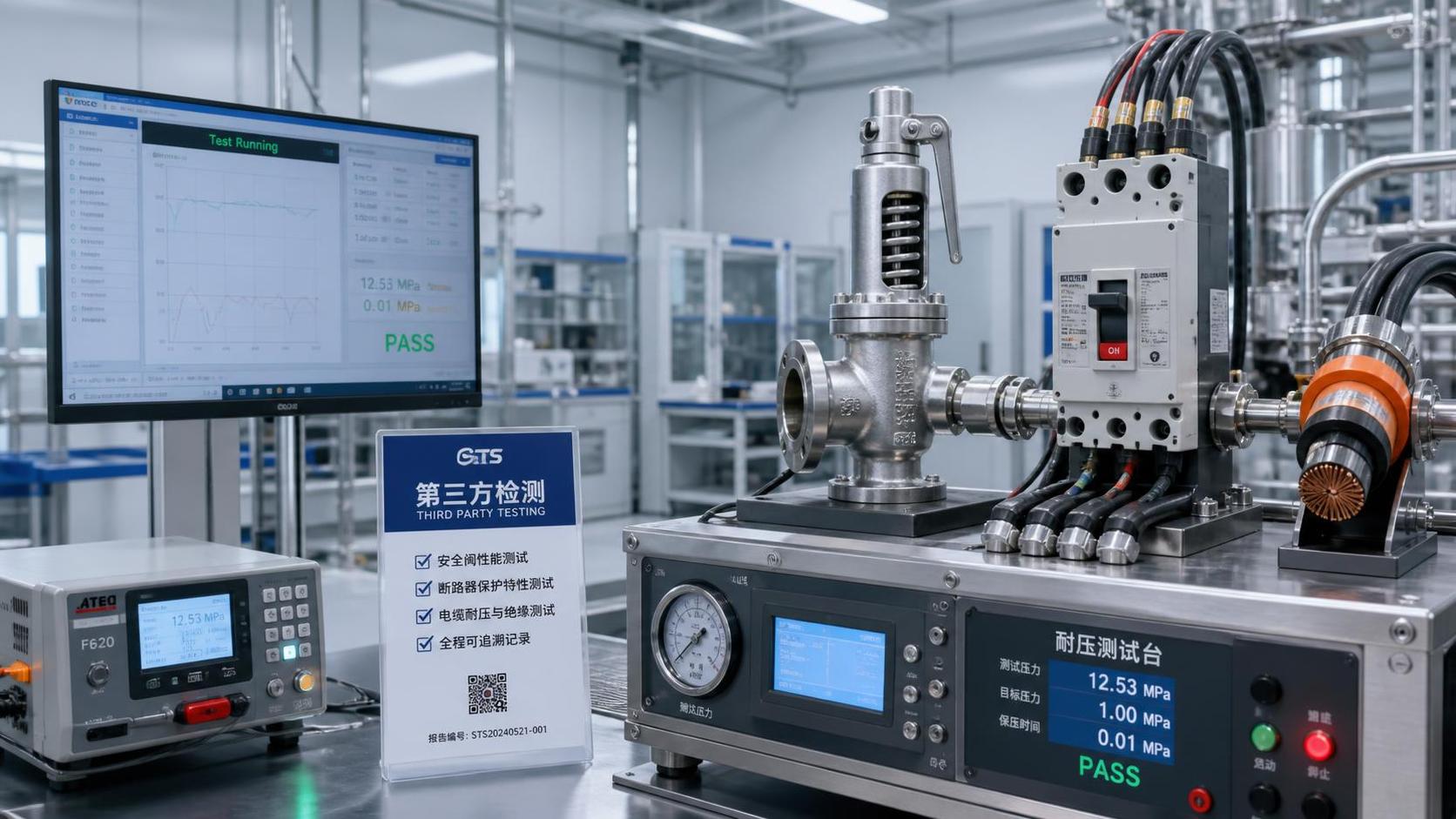
Choosing an Instruments & Measurement OEM without rework
Author
Date Published
Reading Time
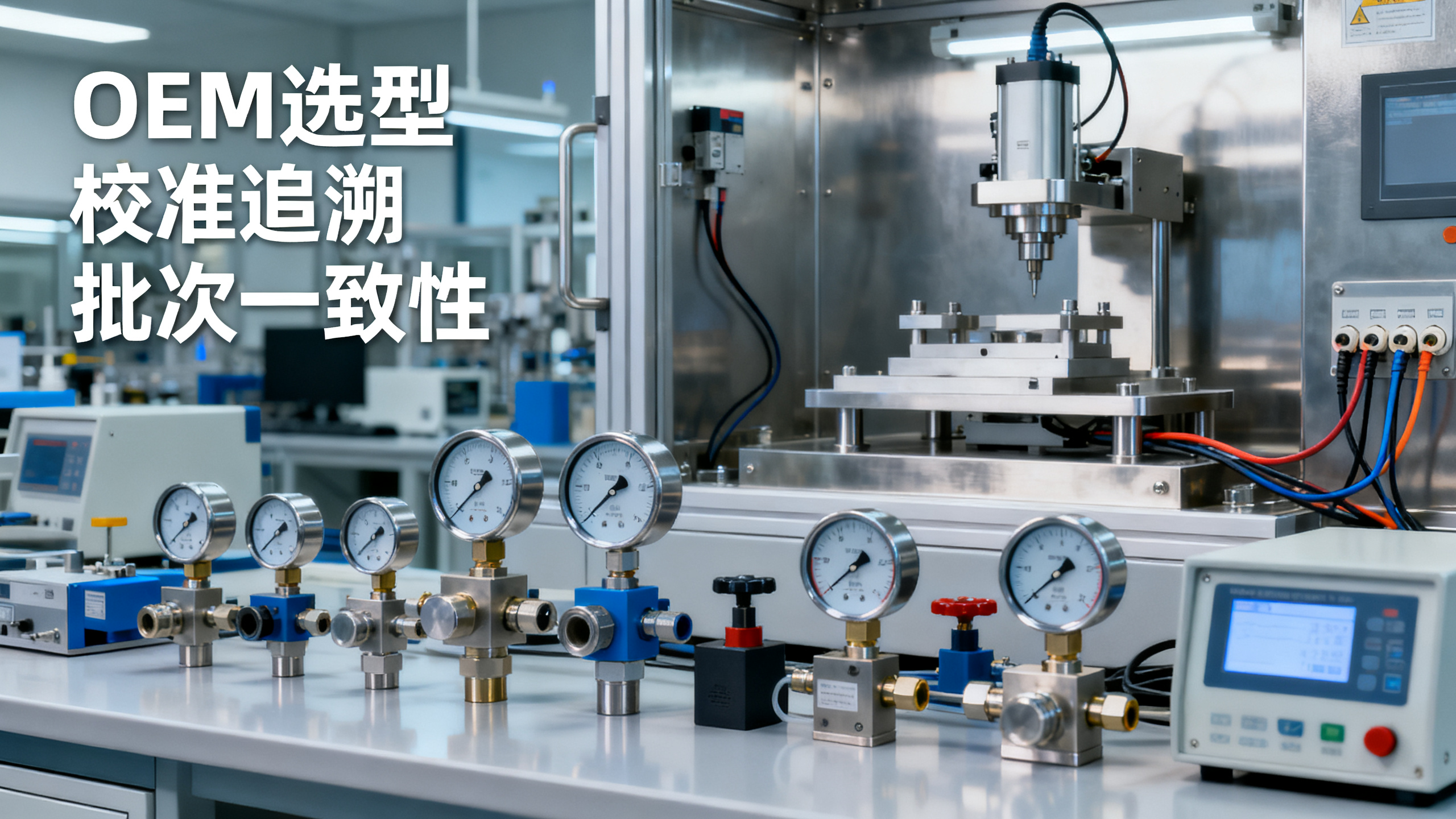
Selecting an Instruments & Measurement OEM is not just a sourcing decision—it is a risk-control strategy that affects accuracy, compliance, uptime, and total lifecycle cost.
Avoiding rework starts before the first purchase order. It begins with verifying process discipline, calibration credibility, documentation quality, and engineering responsiveness.
A capable Instruments & Measurement OEM helps prevent field failures, retesting delays, installation mismatch, and audit exposure across industrial projects.
This guide explains what to check, what to ask, and how to compare options without missing hidden technical risks.
What does an Instruments & Measurement OEM really control?
An Instruments & Measurement OEM does more than assemble devices. It controls design intent, component selection, testing workflow, calibration traceability, and production repeatability.
In industrial environments, these controls determine whether pressure, temperature, flow, level, or analytical readings remain stable under real operating stress.
A weak OEM may offer acceptable samples but inconsistent batches. That gap often creates rework during commissioning or after the first maintenance cycle.
A stronger Instruments & Measurement OEM usually shows documented control over:
- sensor design tolerances
- firmware and signal stability
- material compatibility
- traceable calibration records
- final inspection acceptance criteria
The practical question is simple: can the OEM reproduce the same performance across volume, geography, and operating conditions?
How can you identify an Instruments & Measurement OEM before rework appears?
Start with evidence, not claims. Marketing language rarely reveals whether an OEM can support mission-critical measurement applications.
Review the technical file in layers. First, confirm standards. Then verify production systems. Finally, test support quality through detailed questions.
Check certification depth, not logo presence
CE, UL, ISO, ATEX, IECEx, RoHS, and other marks matter only when they match the exact product family and application condition.
Ask whether certification covers the shipped configuration, not only a base model. Accessories, enclosures, cabling, and firmware revisions can affect compliance scope.
Validate calibration capability
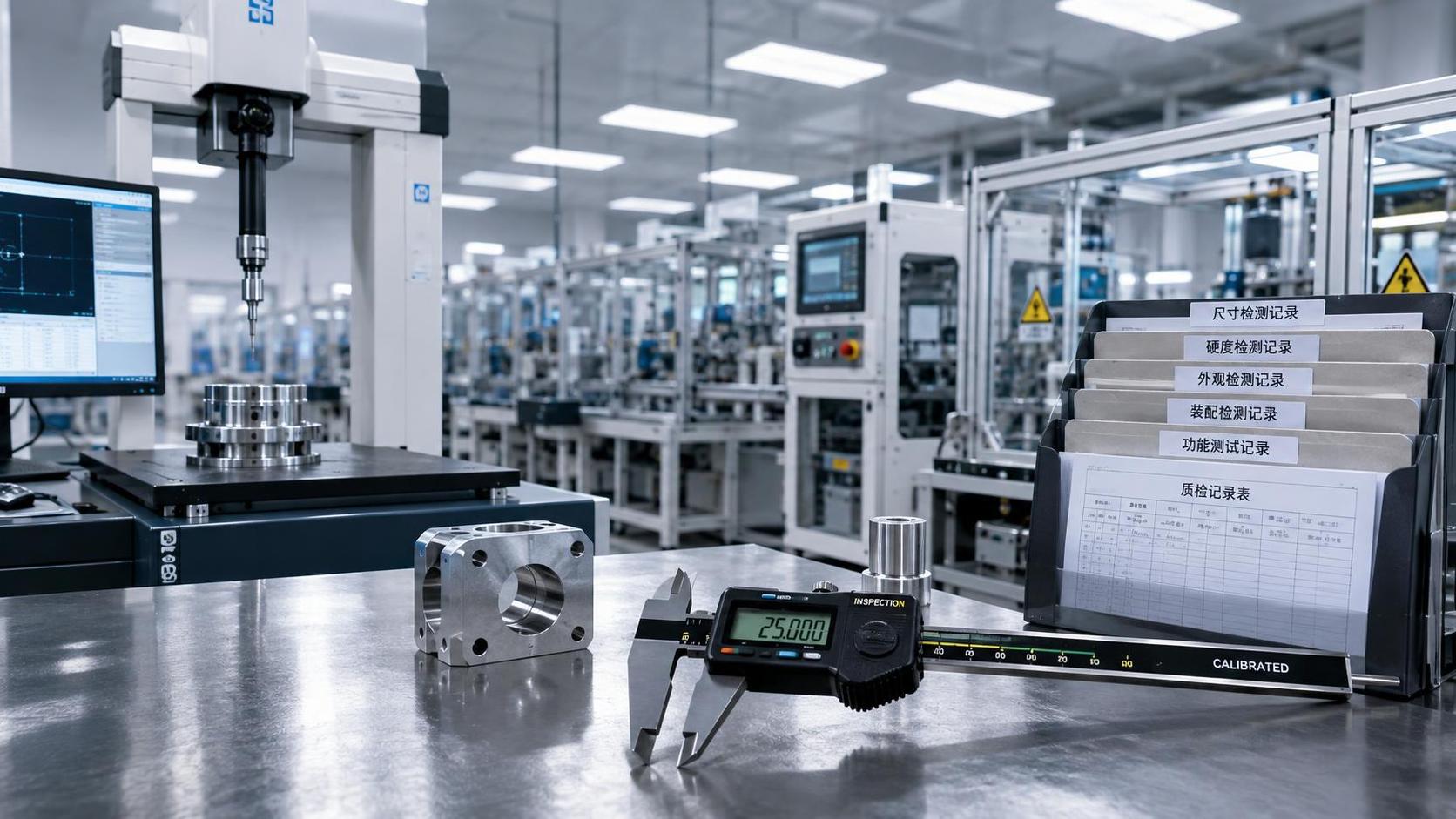
A reliable Instruments & Measurement OEM should explain its calibration interval, traceability chain, uncertainty range, and reference equipment maintenance.
If calibration certificates are generic, missing serial numbers, or unclear on traceability, future rework risk increases immediately.
Audit document consistency
Compare datasheets, drawings, inspection reports, and certificates. Mismatched units, tolerance ranges, or model coding often signal weak internal control.
Document inconsistency usually becomes field inconsistency later.
Which technical questions reveal whether an OEM is reliable?
The best evaluation questions are specific enough to expose process maturity. Broad questions often receive polished but unhelpful answers.
Use the following areas to evaluate an Instruments & Measurement OEM with less ambiguity.
If answers are vague, delayed, or internally inconsistent, the Instruments & Measurement OEM may not be ready for high-dependability applications.
How do application conditions change the right OEM choice?
The right Instruments & Measurement OEM for a clean indoor process may be the wrong one for corrosive, hazardous, or high-vibration environments.
Selection should follow the application profile, not only the nominal device specification.
Harsh process environments
Chemical exposure, steam cycling, abrasive media, and thermal shock can shorten instrument life far faster than lab conditions suggest.
Ask for material compatibility data, enclosure ratings, diaphragm options, and long-term drift performance under similar operating profiles.
Critical infrastructure and utility systems
Power, water, environmental monitoring, and safety systems require dependable signal integrity and predictable maintenance intervals.
In these settings, an Instruments & Measurement OEM should provide stable supply continuity and clear spare-parts planning.
Project-driven EPC environments
Large projects often fail on documentation timing, tag consistency, and revision control rather than product function alone.
An OEM with disciplined submittals, inspection coordination, and factory acceptance support can prevent expensive schedule disruption.
What are the most common mistakes when comparing Instruments & Measurement OEM options?
Many evaluations fail because comparison criteria are incomplete. Price, lead time, and headline accuracy do not tell the full story.
The following mistakes often lead directly to rework:
- accepting datasheet claims without reviewing calibration evidence
- assuming certifications transfer across customized configurations
- ignoring component obsolescence and change-notice policy
- failing to assess installation fit, wiring logic, or signal compatibility
- choosing based on sample quality instead of batch consistency
- overlooking after-sales response time for technical root-cause analysis
A dependable Instruments & Measurement OEM should lower uncertainty, not shift technical risk downstream.
When comparison models include lifecycle factors, the lowest initial quote often stops looking like the lowest real cost.
How should cost, lead time, and support be weighed together?
A lower unit price can be erased by one failed site test, one urgent replacement shipment, or one delayed handover milestone.
The better approach is to compare total delivery value across technical reliability, documentation accuracy, support depth, and continuity.
A strong Instruments & Measurement OEM makes project execution easier during design, delivery, installation, and maintenance—not only during quotation.
What final checklist helps prevent rework before approval?
Before approval, run a short decision checklist. It helps confirm whether the Instruments & Measurement OEM is technically aligned with long-term operating needs.
- Are all certifications valid for the exact configuration?
- Are calibration records traceable and complete?
- Is material compatibility proven for the process media?
- Are drawings, tags, and model codes fully consistent?
- Is there a documented change-control and obsolescence policy?
- Can technical support respond quickly during commissioning?
- Has batch repeatability been demonstrated, not assumed?
If several answers remain uncertain, rework risk remains high even when the quote looks attractive.
Choosing an Instruments & Measurement OEM without rework means selecting measurable process discipline, not just acceptable product appearance.
Use a structured review, request traceable evidence, and compare suppliers on lifecycle reliability. That approach protects accuracy, compliance, uptime, and project certainty.
Technical Specifications
- How to Select Electronic Hotel Key Card Locks for Guest Rooms and Staff AreasAuthor :Safety Compliance Lead
- How to Select Lab Instruments for Reliable Chemical Analysis WorkflowsAuthor :Precision Metrology Expert
- How to Size a UPS for Server Rooms: Load, Runtime, and Redundancy FactorsAuthor :Grid Infrastructure Analyst
Expert Insights

Chief Security Architect
Dr. Thorne specializes in the intersection of structural engineering and digital resilience. He has advised three G7 governments on industrial infrastructure security.
Related Analysis
- Sep 17, 2026How to Select Electronic Hotel Key Card Locks for Guest Rooms and Staff AreasAuthor :Safety Compliance Lead
- Sep 16, 2026How to Select Lab Instruments for Reliable Chemical Analysis WorkflowsAuthor :Precision Metrology Expert
- Sep 15, 2026How to Size a UPS for Server Rooms: Load, Runtime, and Redundancy FactorsAuthor :Grid Infrastructure Analyst
Core Sector // 01
Security & Safety
- What to Check When Sourcing Vibration Meters Wholesale for Industrial MaintenanceAuthor :Precision Metrology Expert

- How to Select Process Control Instruments for Accuracy, Safety, and UptimeAuthor :Precision Metrology Expert

- What Should Standards Compliance Analysis Training Cover Before an Audit?Author :Precision Metrology Expert

- Why Do Pressure Instruments Fail in High-Vibration Sites?Author :Precision Metrology Expert

- Is FM Software Integration Needed for Overseas Instrument Maintenance?Author :Precision Metrology Expert

- What Are the Differences Between Lab and Field Testing Equipment?Author :Precision Metrology Expert

- Is Independent Testing Necessary for Critical Safety Components?Author :Precision Metrology Expert

- How to Validate Industrial Application Scenarios Before ProcurementAuthor :Precision Metrology Expert