K-REACH 'Supply-Strained Substances' Registration Exception Launches
Author
Date Published
Reading Time
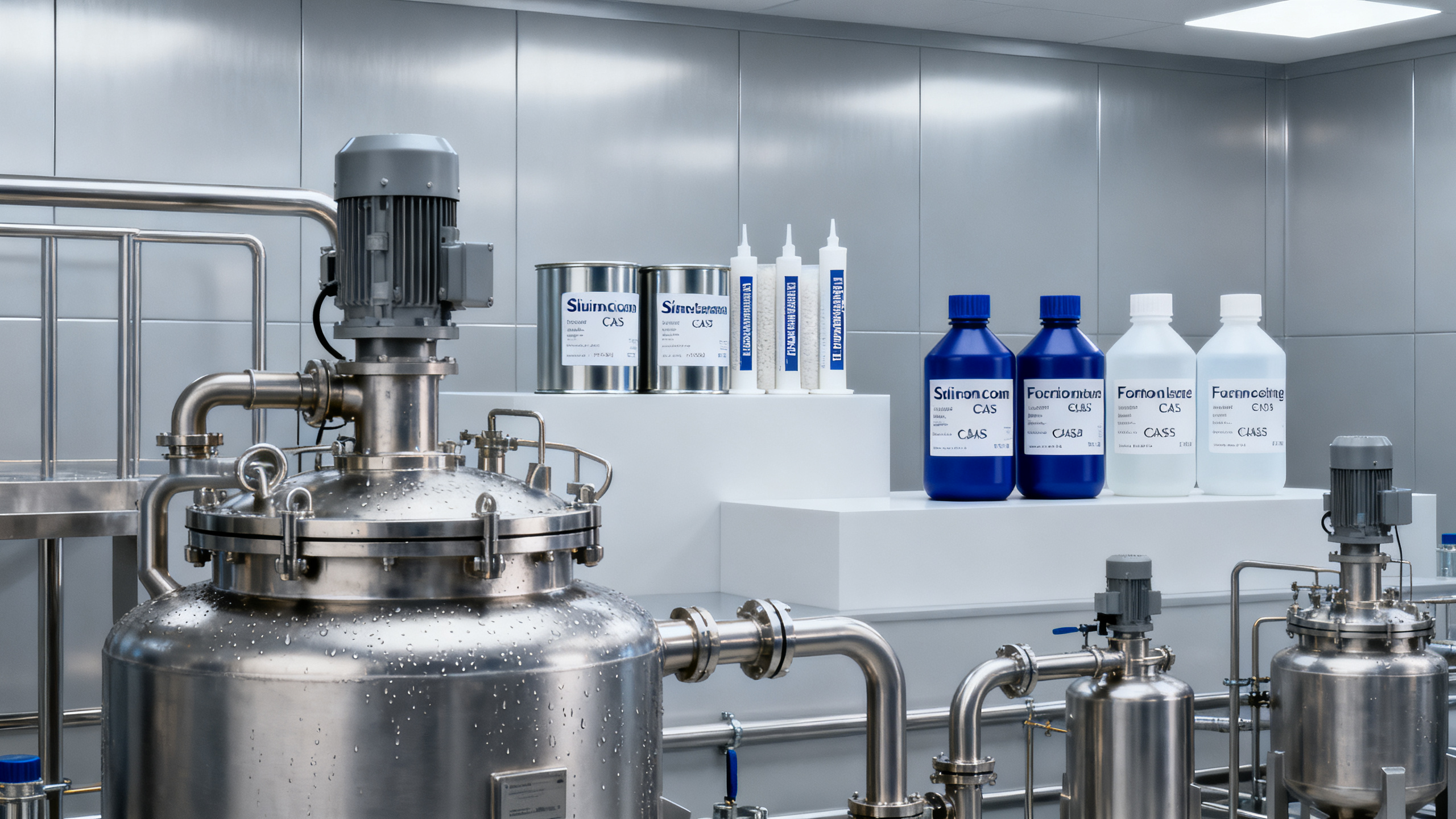
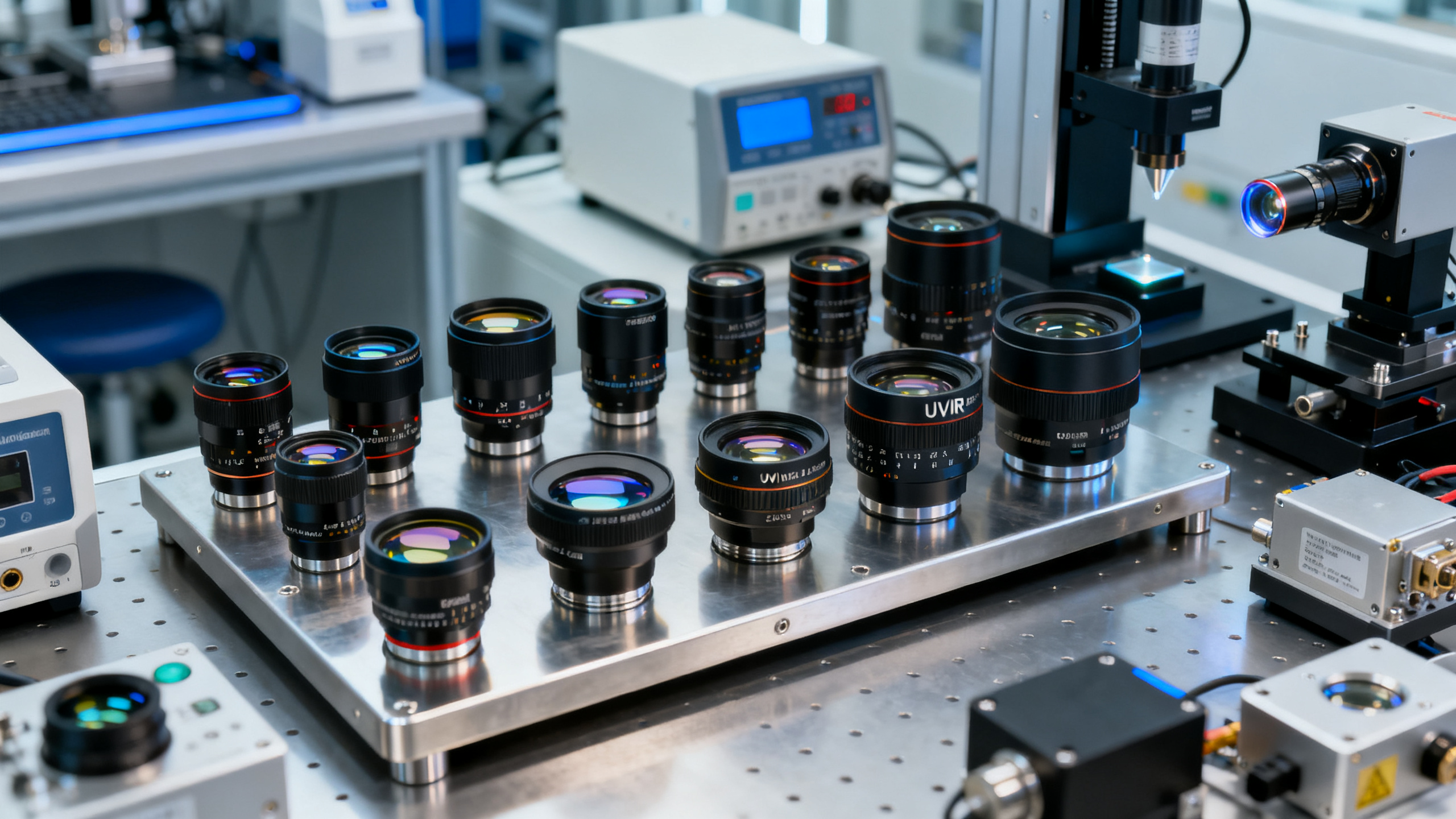
On May 20, 2026, the Korean Ministry of Environment launched an emergency registration pathway under K-REACH for 'supply-strained chemical substances', specifically targeting organic silicone and fluorocarbon compounds already deployed in industrial sealing (e.g., bearings and seals) and optical lens coating (industrial optics). This measure offers a critical compliance buffer for Chinese exporters supplying these materials to South Korea.
Event Overview
Effective May 20, 2026, the Korean Ministry of Environment activated a special registration provision under the Korea Chemicals Registration and Evaluation Act (K-REACH) for designated chemical substances classified as 'supply-strained'. Under this provision, certain organic silicone and fluorocarbon substances—already established in industrial sealing applications (bearings & seals) and industrial optical coating (e.g., anti-reflective or hydrophobic layers on lenses)—may obtain temporary regulatory authorization within 60 days upon submission of a streamlined data package modeled after U.S. TSCA reporting requirements.
Industries Affected by This Measure
Direct Exporters (China-based chemical suppliers)
These enterprises are directly subject to K-REACH compliance obligations when placing substances on the Korean market. The exception provides a time-limited route to maintain market access without full standard registration. Impact includes reduced immediate regulatory risk—but only for pre-qualified substances used in specified applications; eligibility is narrowly defined and not transferable across use cases.
Raw Material Procurement Entities (e.g., Korean formulators, OEMs)
Buyers relying on imported organic silicone or fluorocarbon intermediates for sealant or optical coating production may face short-term supply continuity assurance. However, their due diligence responsibility remains: they must verify that supplier-submitted data aligns with the narrow scope of the exception (e.g., confirmed use in bearings/seals or optical lens coating), as misclassification carries downstream liability under K-REACH’s downstream user obligations.
Contract Manufacturers & Formulators (Korean or China-based)
Firms blending or processing these substances into finished industrial sealants or optical functional fluids are affected indirectly but significantly. They must ensure traceability of incoming raw material compliance status, especially where final products fall under the targeted application categories. Failure to confirm valid temporary authorization may disrupt delivery schedules or trigger non-compliance notifications from Korean importers.
Supply Chain Service Providers (e.g., regulatory consultants, customs brokers)
Service providers supporting cross-border chemical trade must update internal guidance and client advisories to reflect the new pathway’s strict eligibility criteria and documentation expectations. The 60-day timeline applies only after complete submission—not from notification or inquiry—and requires alignment with Korean-language technical annexes issued by the Ministry.
Key Focus Areas and Recommended Actions for Stakeholders
Monitor official guidance updates from the Korean Ministry of Environment and National Institute of Environmental Research (NIER)
The initial announcement confirms launch timing and scope but does not yet publish the definitive list of eligible substances, required data elements, or template formats for the streamlined submission. Stakeholders should track NIER’s K-REACH portal for formal notices expected within Q2 2026.
Verify substance applicability against the two defined use categories only
Eligibility is limited to organic silicone/fluorocarbon substances used exclusively in (1) industrial sealing components (bearings & seals) or (2) optical lens coating for industrial optics. Uses in consumer electronics, medical devices, or general-purpose adhesives do not qualify—even if chemically identical. Companies should audit current export use descriptions and align documentation precisely with these two categories.
Distinguish between policy signal and operational readiness
While the exception creates a regulatory opening, it does not constitute automatic approval. Submission requires technical data—including identity confirmation, tonnage band, and exposure scenario—consistent with TSCA-style reporting. Preparing this dossier may take 3–4 weeks internally; firms should not assume ‘60-day authorization’ begins at first contact with authorities.
Initiate internal cross-functional alignment now
Export compliance, R&D, regulatory affairs, and sales teams should jointly review current product portfolios against the two eligible use cases. Where alignment exists, begin drafting core technical narratives and gathering existing test reports. Where gaps exist (e.g., insufficient exposure data), prioritize engagement with Korean importers to co-develop acceptable scenarios before submission.
Editorial Perspective / Industry Observation
Observably, this exception functions primarily as a procedural relief mechanism—not a substantive revision of K-REACH’s core principles. It addresses acute supply chain friction for narrowly defined, low-risk applications where alternatives are scarce and substitution timelines are unrealistic. Analysis shows the measure reflects growing recognition by Korean regulators of real-world implementation constraints in mature industrial chemistry segments. From an industry perspective, it signals increasing willingness to calibrate compliance pathways based on use context and supply vulnerability—rather than applying uniform data demands across all sectors. However, it remains an exception, not a precedent: its duration, renewal criteria, and potential expansion are unconfirmed and require ongoing observation.
In summary, the K-REACH 'supply-strained substances' exception introduces a time-bound, use-specific compliance option—not a broad deregulatory shift. Its practical value lies in mitigating near-term disruption for exporters serving two well-defined industrial markets. Current interpretation should emphasize its conditional, transitional nature: it buys time, not exemption.
Source: Korean Ministry of Environment official announcement, effective May 20, 2026.
Note: The official list of eligible substances, detailed submission templates, and evaluation timelines remain pending publication by the National Institute of Environmental Research (NIER); these elements are under active observation.
Technical Specifications
- How to Select Electronic Hotel Key Card Locks for Guest Rooms and Staff AreasAuthor :Safety Compliance Lead
- How to Select Lab Instruments for Reliable Chemical Analysis WorkflowsAuthor :Precision Metrology Expert
- How to Size a UPS for Server Rooms: Load, Runtime, and Redundancy FactorsAuthor :Grid Infrastructure Analyst
Expert Insights

Chief Security Architect
Dr. Thorne specializes in the intersection of structural engineering and digital resilience. He has advised three G7 governments on industrial infrastructure security.
Related Analysis
- Sep 17, 2026How to Select Electronic Hotel Key Card Locks for Guest Rooms and Staff AreasAuthor :Safety Compliance Lead
- Sep 16, 2026How to Select Lab Instruments for Reliable Chemical Analysis WorkflowsAuthor :Precision Metrology Expert
- Sep 15, 2026How to Size a UPS for Server Rooms: Load, Runtime, and Redundancy FactorsAuthor :Grid Infrastructure Analyst
Core Sector // 01
Security & Safety
- IEC 62443-3-3:2026 Raises Cybersecurity Bar for Industrial OpticsAuthor :Precision Metrology Expert

- EU Sets New CE Rules for Industrial OpticsAuthor :Precision Metrology Expert

- How to Evaluate a Metallurgical Microscope Exporter for Image Quality and ComplianceAuthor :Precision Metrology Expert

- UL Expands Certification Route for Hazardous-Area OpticsAuthor :Precision Metrology Expert

- Shanghai Port Delays Deepen Under Origin ChecksAuthor :Precision Metrology Expert

- CIOE 2026 to Spotlight Vision and Tactile SensorsAuthor :Precision Metrology Expert

- MWC Shanghai 2026 Opens June 24 With CPO and Industrial Security in FocusAuthor :Precision Metrology Expert

- Brazil Tightens INMETRO Rules for Industrial Optical LensesAuthor :Precision Metrology Expert