China's April Imports of Electromechanical Products Rise 21.7%
Author
Date Published
Reading Time
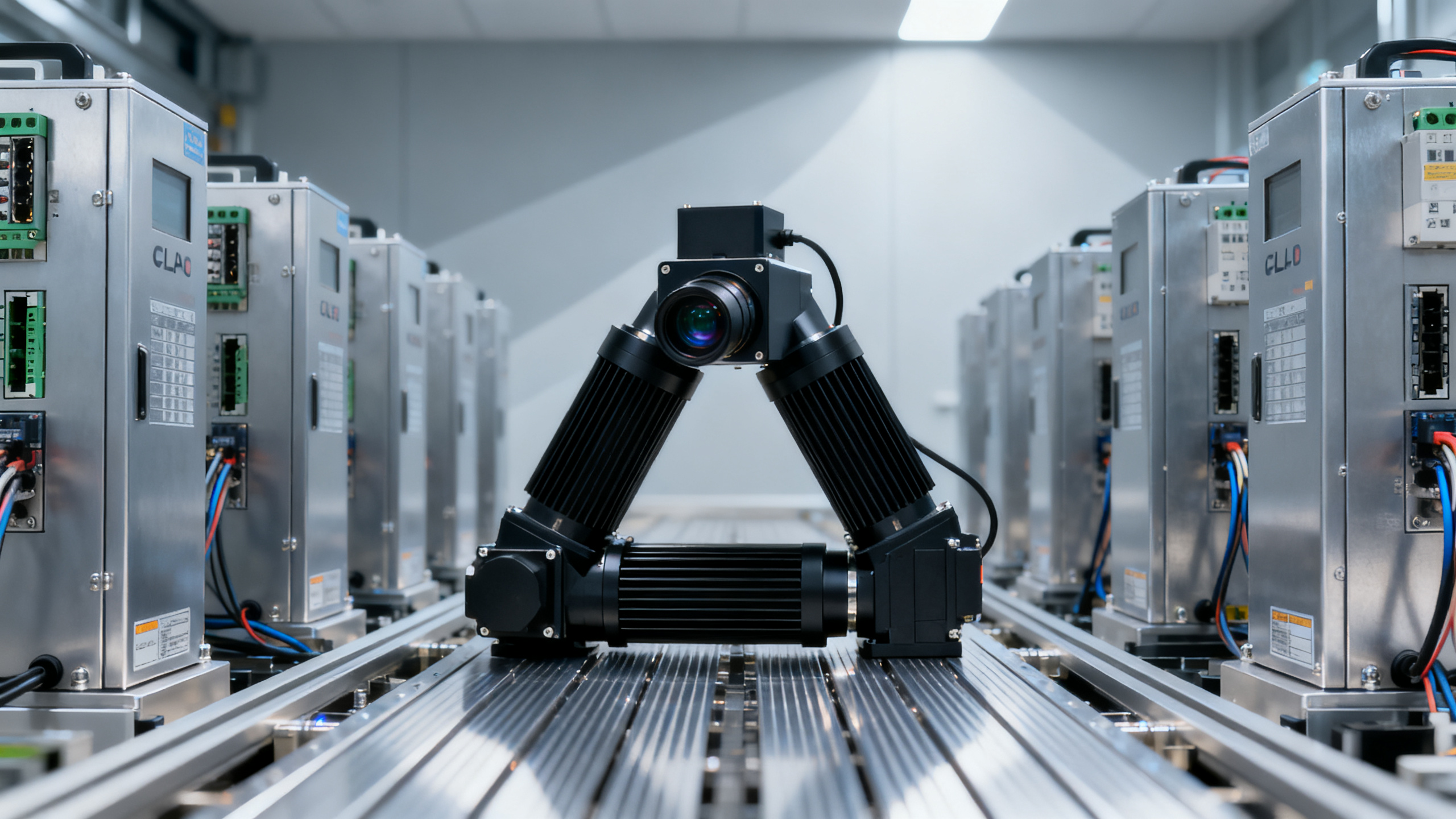
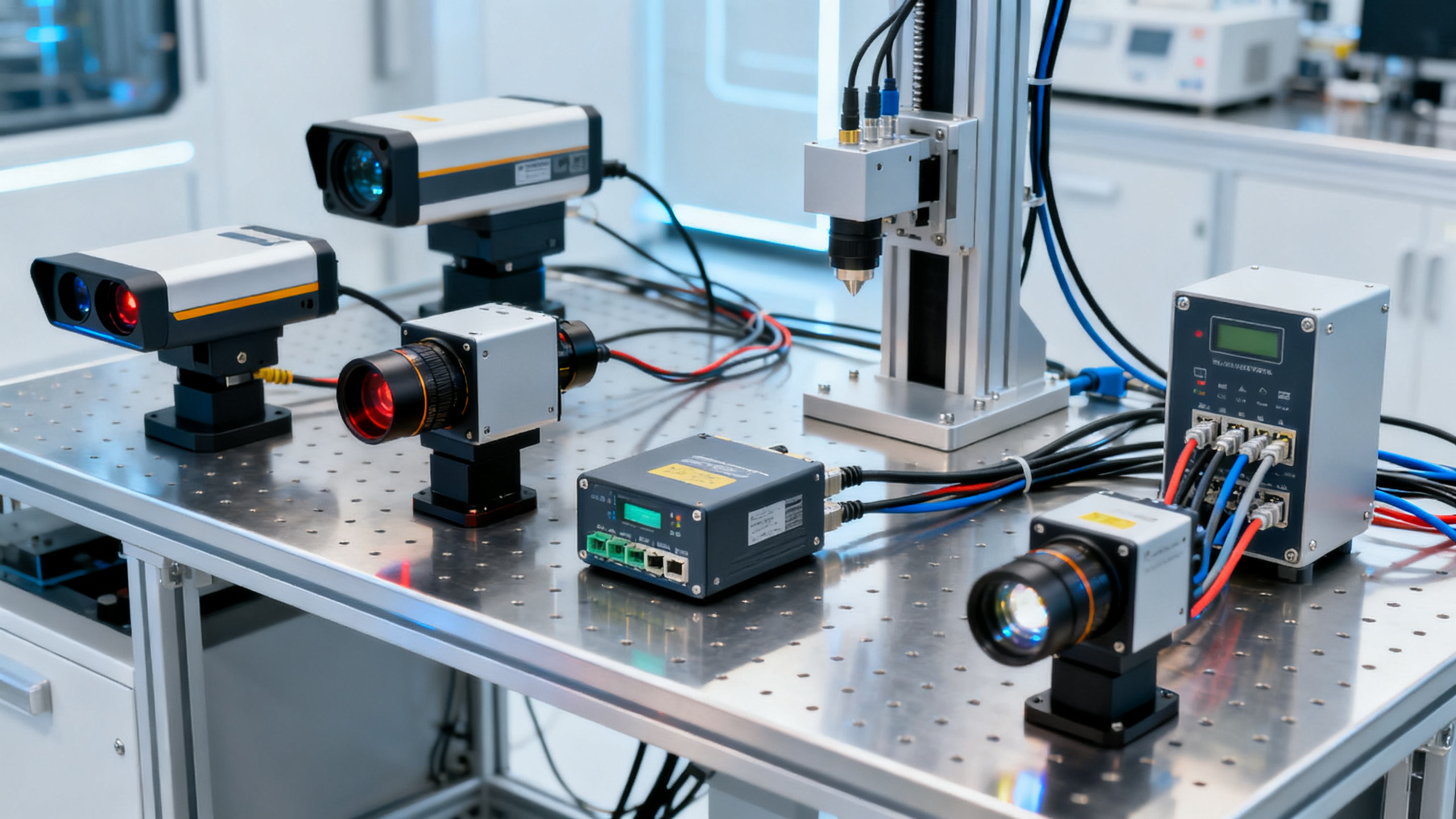
On May 22, 2026, China’s General Administration of Customs reported that electromechanical product imports in April reached USD 48.2 billion, up 21.7% year-on-year. Industrial automation controllers, servo motors, and machine vision systems accounted for over 38% of this import value. This trend is particularly relevant for stakeholders in industrial automation, smart manufacturing equipment supply, precision component distribution, and export-oriented electronics assembly — as it signals a structural shift in domestic capability building.
Event Overview
According to data released by China’s General Administration of Customs on May 22, 2026, the country imported USD 48.2 billion worth of electromechanical products in April 2026, representing a 21.7% increase compared to April 2025. Within this category, industrial automation controllers, servo motors, and machine vision systems (Industrial Optics) collectively contributed more than 38% of the total import value. The release notes that this import pattern supports upgrading of detection, control, and security capabilities at the manufacturing infrastructure level, and reinforces technical foundations for exports including high-precision personal protective equipment (PPE), smart circuit breakers, and CCTV modules.
Impact on Specific Industry Segments
Direct Trading Enterprises
These firms — especially those engaged in cross-border procurement of industrial automation components — face heightened demand visibility for specific high-value subcategories. The 38% concentration in controllers, servo motors, and machine vision systems suggests narrowing product focus and increasing reliance on a smaller set of technically specialized suppliers. Impact manifests in tighter lead times, more frequent contract renegotiations, and greater scrutiny of origin certification and compliance documentation.
Raw Material & Component Procurement Firms
Enterprises sourcing upstream materials (e.g., precision optical lenses, rare-earth magnets for servo motors, or embedded controller ICs) may experience indirect demand pressure. While not directly tracked in the headline figure, sustained import growth in finished automation subsystems implies downstream pull-through for critical inputs. Impact appears first in order volume volatility and second-tier supplier capacity utilization signals.
Contract Manufacturing & Electronics Assembly Firms
For EMS providers producing export-oriented smart hardware (e.g., PPE with integrated sensors, intelligent power management units, or surveillance camera modules), this import trend reflects tightening technical dependencies on foreign-sourced control and vision subsystems. It raises questions about bill-of-materials (BOM) resilience, localized substitution feasibility, and long-term cost predictability — especially where dual-sourcing options remain limited.
Supply Chain Service Providers
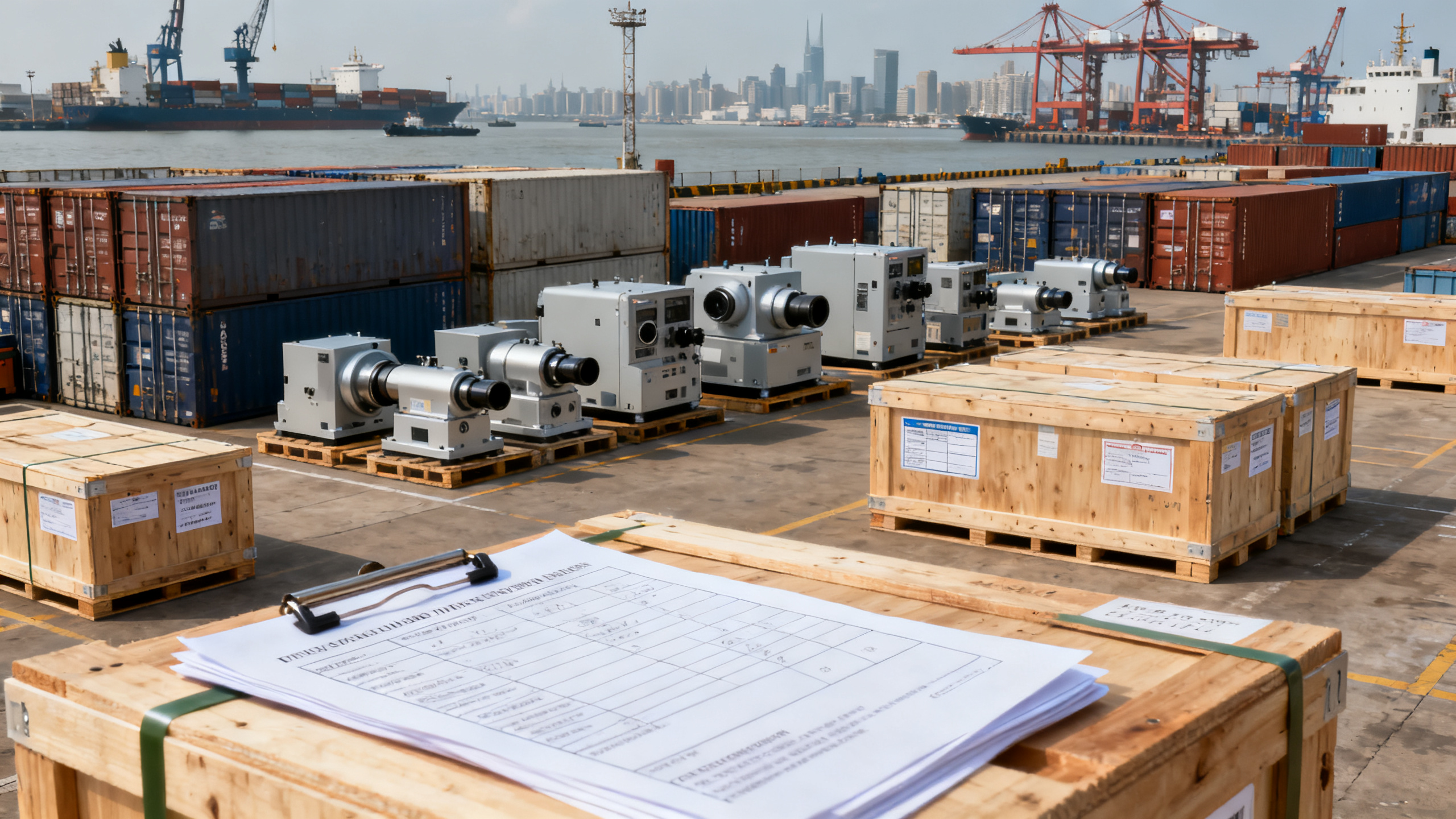
Firms offering customs brokerage, bonded warehousing, or logistics coordination for high-precision electromechanical goods are likely seeing increased handling complexity. The concentration in automation-grade components — often subject to stricter classification, valuation, and origin verification requirements — elevates operational risk exposure and documentation workload per shipment.
What Relevant Enterprises or Practitioners Should Monitor and Act On
Track official tariff and classification updates for automation-related subheadings
Current data highlights strong growth in specific electromechanical subcategories, but does not indicate whether recent tariff adjustments or HS code revisions have contributed. Enterprises should monitor upcoming announcements from China’s Ministry of Finance and General Administration of Customs — particularly any changes affecting Chapter 85 (Electrical Machinery) or Chapter 90 (Optical, Photographic, Medical Instruments) subheadings linked to controllers, servo drives, or imaging modules.
Monitor inventory levels and lead times for key automation components
Given the outsized share (over 38%) held by industrial automation controllers, servo motors, and machine vision systems, procurement teams should treat these as strategic categories — not generic electromechanical SKUs. Real-time tracking of landed cost trends, port dwell times, and supplier capacity statements (e.g., lead time extensions from Japanese or German OEMs) is now operationally critical.
Distinguish between policy signal and commercial execution
The reported import surge aligns with national industrial upgrading goals, but it does not confirm widespread adoption or integration readiness across end-user factories. Practitioners should avoid conflating import volume with deployment maturity. Instead, assess actual installation rates, after-sales support coverage, and local engineering capability gaps before adjusting long-term sourcing strategies.
Prepare contingency plans for supply continuity and compliance validation
With over one-third of electromechanical imports concentrated in three technically sensitive categories — all subject to evolving export controls and cybersecurity review frameworks — enterprises should pre-validate alternative supplier documentation packages (e.g., EU-type examination certificates, IEC conformity declarations) and simulate customs clearance under tightened origin verification protocols.
Editorial Perspective / Industry Observation
Observably, this import pattern is less an isolated trade statistic and more a measurable reflection of ongoing infrastructure-layer modernization in Chinese manufacturing. Analysis shows that the emphasis on controllers, servo systems, and machine vision correlates closely with efforts to strengthen foundational capabilities for safety-critical and precision-dependent export products — not just broader ‘smart factory’ rhetoric. It is currently better understood as a medium-term signal rather than an immediate market outcome: while import volumes are rising, domestic substitution in core motion control and real-time vision processing remains partial and application-specific. Continued monitoring is warranted — not because the trend is uncertain, but because its pace and technical bottlenecks will determine how quickly supporting ecosystems (e.g., local sensor calibration labs, certified firmware validation centers) scale in response.
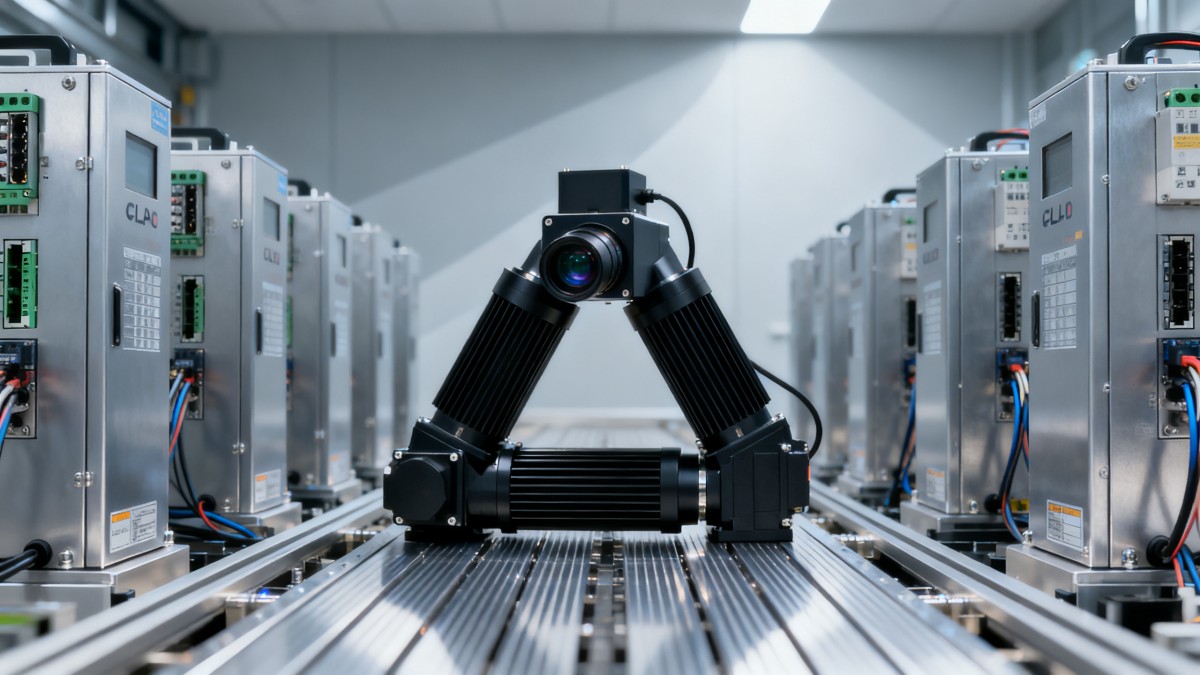
In summary, the 21.7% year-on-year growth in electromechanical imports — driven predominantly by industrial automation subsystems — underscores a deliberate, capability-focused phase of manufacturing upgrade. It does not signify broad-based import dependency, nor does it reflect short-term inventory restocking alone. Rather, it points to targeted investment in functional layers essential for next-generation export competitiveness. Stakeholders are advised to interpret this development as a structural inflection point requiring calibrated, category-specific responses — not a generalized market shift.
Source: General Administration of Customs of the People’s Republic of China (data release dated May 22, 2026).
Note: Ongoing observation is recommended regarding subsequent monthly releases and potential updates to the Harmonized System (HS) classification guidance for industrial automation components.
Technical Specifications
- How to Select Electronic Hotel Key Card Locks for Guest Rooms and Staff AreasAuthor :Safety Compliance Lead
- How to Select Lab Instruments for Reliable Chemical Analysis WorkflowsAuthor :Precision Metrology Expert
- How to Size a UPS for Server Rooms: Load, Runtime, and Redundancy FactorsAuthor :Grid Infrastructure Analyst
Expert Insights

Chief Security Architect
Dr. Thorne specializes in the intersection of structural engineering and digital resilience. He has advised three G7 governments on industrial infrastructure security.
Related Analysis
- Sep 17, 2026How to Select Electronic Hotel Key Card Locks for Guest Rooms and Staff AreasAuthor :Safety Compliance Lead
- Sep 16, 2026How to Select Lab Instruments for Reliable Chemical Analysis WorkflowsAuthor :Precision Metrology Expert
- Sep 15, 2026How to Size a UPS for Server Rooms: Load, Runtime, and Redundancy FactorsAuthor :Grid Infrastructure Analyst
Core Sector // 01
Security & Safety
- IEC 62443-3-3:2026 Raises Cybersecurity Bar for Industrial OpticsAuthor :Precision Metrology Expert

- EU Sets New CE Rules for Industrial OpticsAuthor :Precision Metrology Expert

- How to Evaluate a Metallurgical Microscope Exporter for Image Quality and ComplianceAuthor :Precision Metrology Expert

- UL Expands Certification Route for Hazardous-Area OpticsAuthor :Precision Metrology Expert

- Shanghai Port Delays Deepen Under Origin ChecksAuthor :Precision Metrology Expert

- CIOE 2026 to Spotlight Vision and Tactile SensorsAuthor :Precision Metrology Expert

- MWC Shanghai 2026 Opens June 24 With CPO and Industrial Security in FocusAuthor :Precision Metrology Expert

- Brazil Tightens INMETRO Rules for Industrial Optical LensesAuthor :Precision Metrology Expert