China's April Import of Electromechanical Products Rises 21.7%, Industrial Automation Drives Growth
Author
Date Published
Reading Time
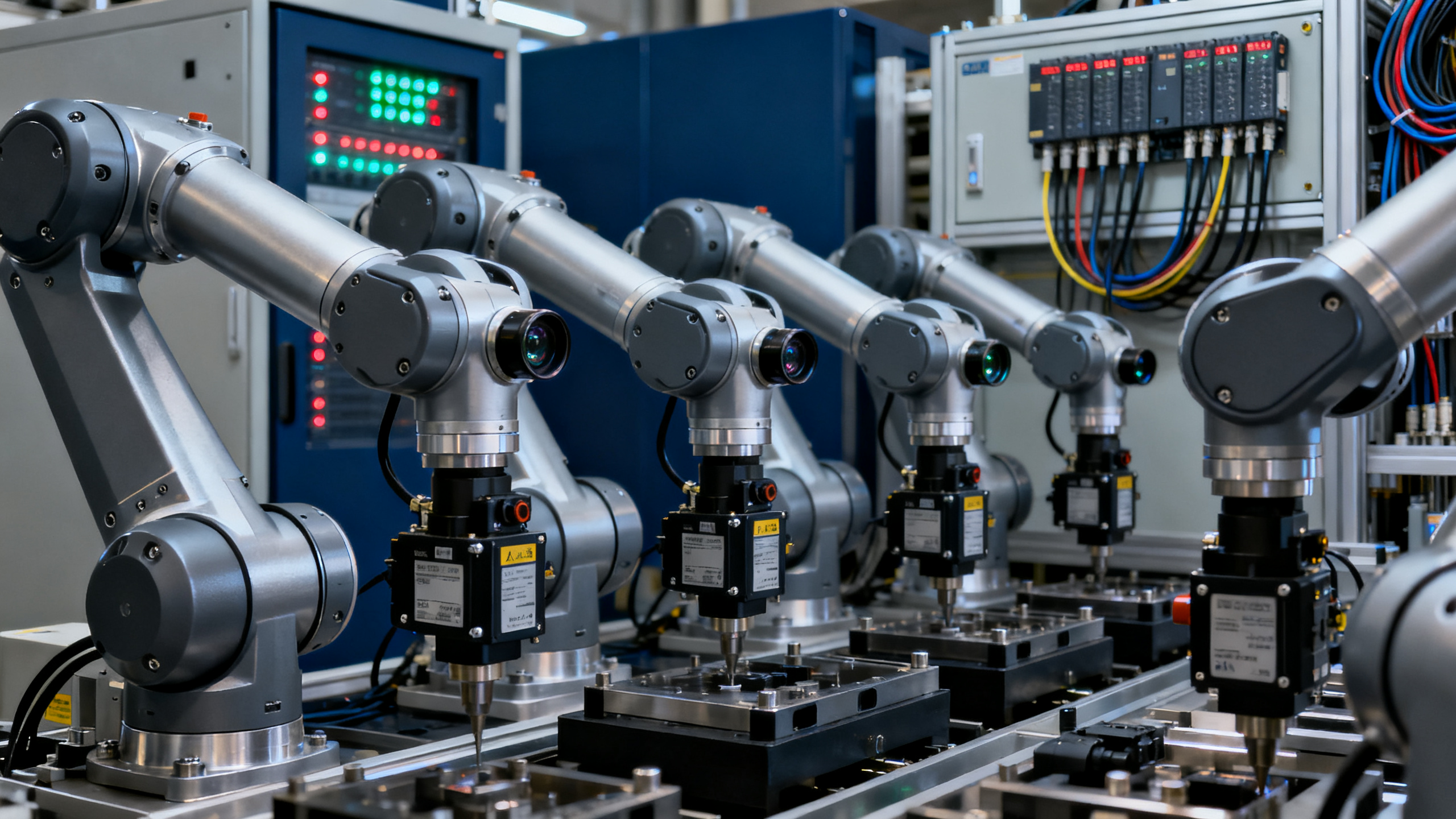
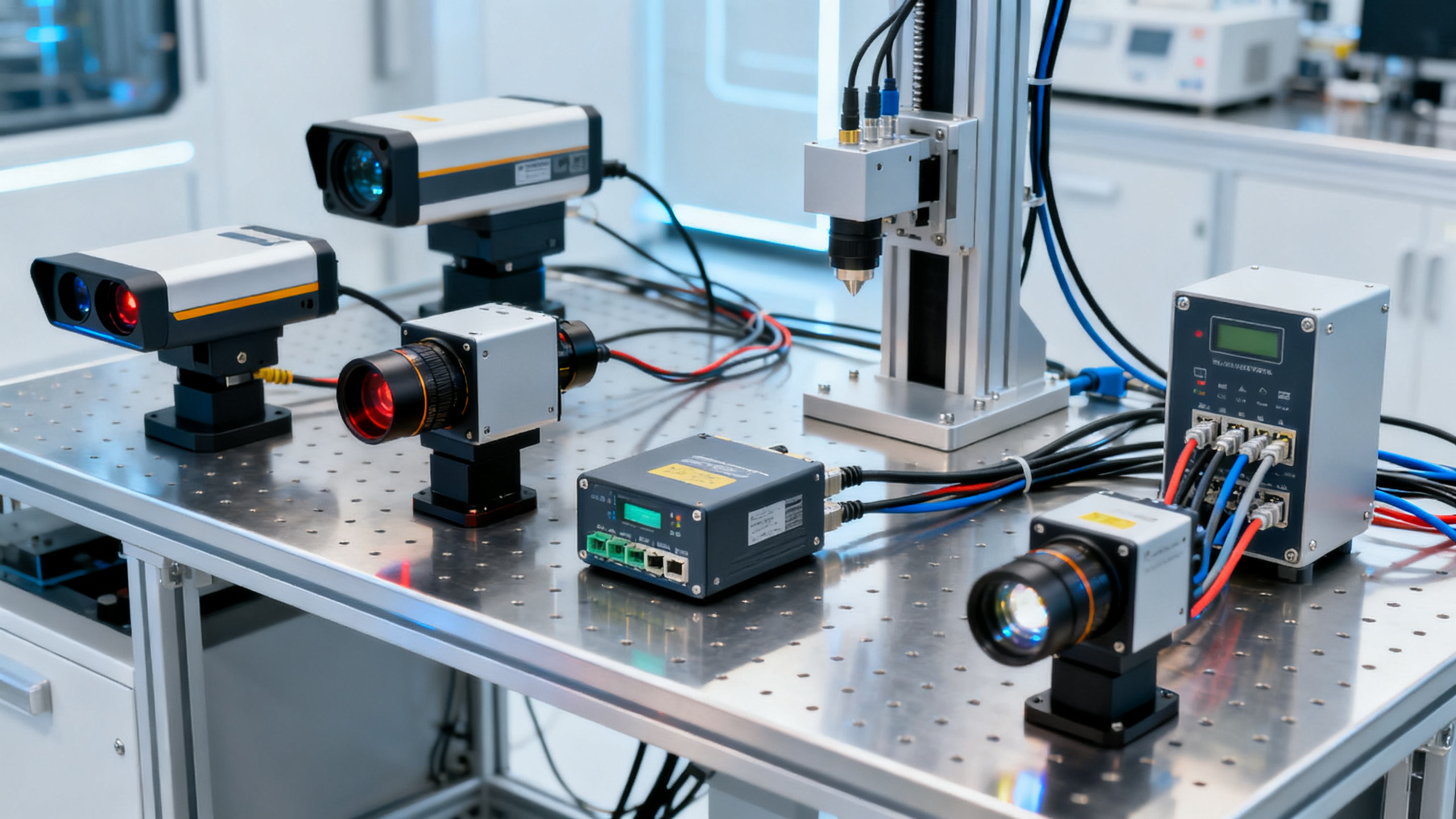
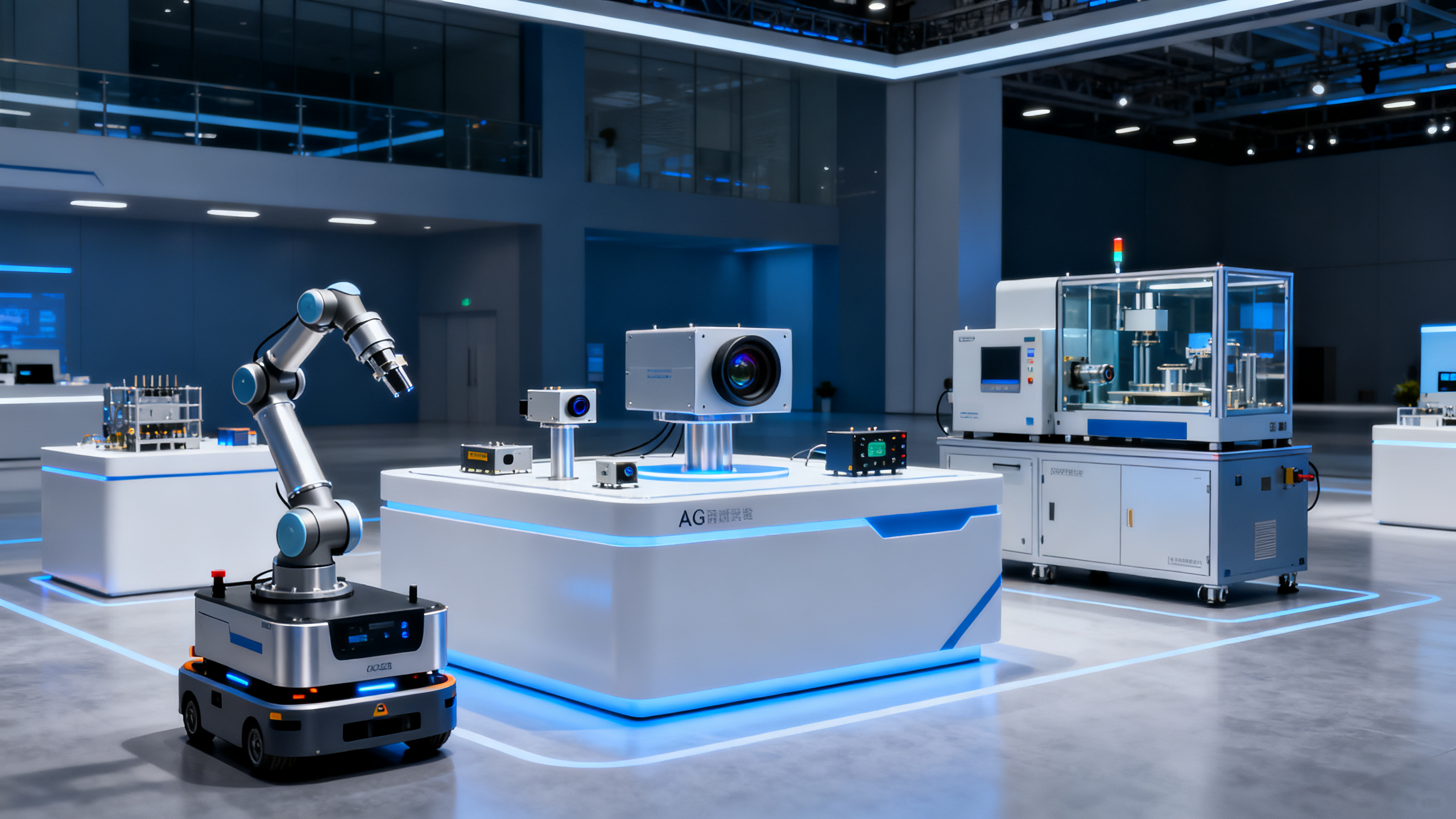
On April 14, 2026, China’s General Administration of Customs reported that electromechanical product imports in Q1 2026 reached RMB 1.97 trillion, up 21.7% year-on-year; industrial robots, PLC controllers, and high-precision servo motors surged 34.2% in import value. This trend signals accelerating intelligent upgrading in Chinese manufacturing—and has tangible implications for global suppliers of industrial optical lenses, test & measurement modules, and industrial power supplies.
Event Overview
According to the General Administration of Customs’ press briefing on April 14, 2026, China’s electromechanical product imports in the first quarter of 2026 totaled RMB 1.97 trillion, representing a 21.7% increase compared to the same period in 2025. Within this category, imports of industrial robots, programmable logic controller (PLC) units, and high-precision servo motors rose 34.2% year-on-year. The data were officially released and publicly confirmed during the April 14 briefing.
Industries Affected
Direct Trading Enterprises
These enterprises—especially those exporting industrial automation components to China—are directly exposed to demand shifts. The 34.2% surge in key automation equipment imports indicates stronger near-term order volume and potentially tighter lead times for high-specification items.
Raw Material & Component Suppliers
Suppliers of precision optics, analog/mixed-signal ICs for motion control, and magnetics used in servo motor cores may see downstream demand acceleration. Since industrial robots and PLCs rely heavily on such subcomponents, rising import volumes suggest indirect pull-through effects—not yet quantified but observable in order patterns from tier-1 automation equipment assemblers.
Contract Manufacturing & System Integrators
Domestic manufacturers assembling automation lines or retrofitting legacy production systems are likely increasing procurement of imported core modules. The data imply growing reliance on foreign-sourced high-precision motion control and logic hardware—potentially affecting local BOM cost structures and integration timelines.
Distribution & Channel Partners in China
Authorized distributors and regional channel partners handling industrial automation products face shifting inventory planning requirements. Higher import growth in specific categories suggests increased demand for technical support, localized documentation, and faster customs clearance services—particularly for dual-use or regulated components.
What Relevant Companies or Practitioners Should Monitor and Do Now
Track official follow-up communications from customs and MIIT
The April 14 release is a quarterly aggregate. Further breakdowns—including country-of-origin data, tariff line details, or policy notes on ‘intelligent manufacturing’ import facilitation—may emerge in subsequent bulletins or industry guidance documents. These could clarify whether the growth reflects strategic stockpiling, project-driven procurement, or broader policy incentives.
Monitor import trends for three priority categories: optical lenses, test & measurement modules, and industrial power supplies
The original statement explicitly links the electromechanical import surge to rising global demand for these supporting products. While not yet reflected in headline figures, early indicators—such as port entry manifests, bonded warehouse throughput, or distributor shipment logs—may signal inflection points ahead of official monthly reports.
Distinguish between policy signaling and operational reality
The 21.7% overall electromechanical growth includes broad categories (e.g., consumer electronics components). The 34.2% jump in automation-specific items carries stronger signal weight—but actual project execution cycles (e.g., factory retrofit timelines, commissioning schedules) typically lag import data by 3–6 months. Planning should reflect this lag, not assume immediate revenue conversion.
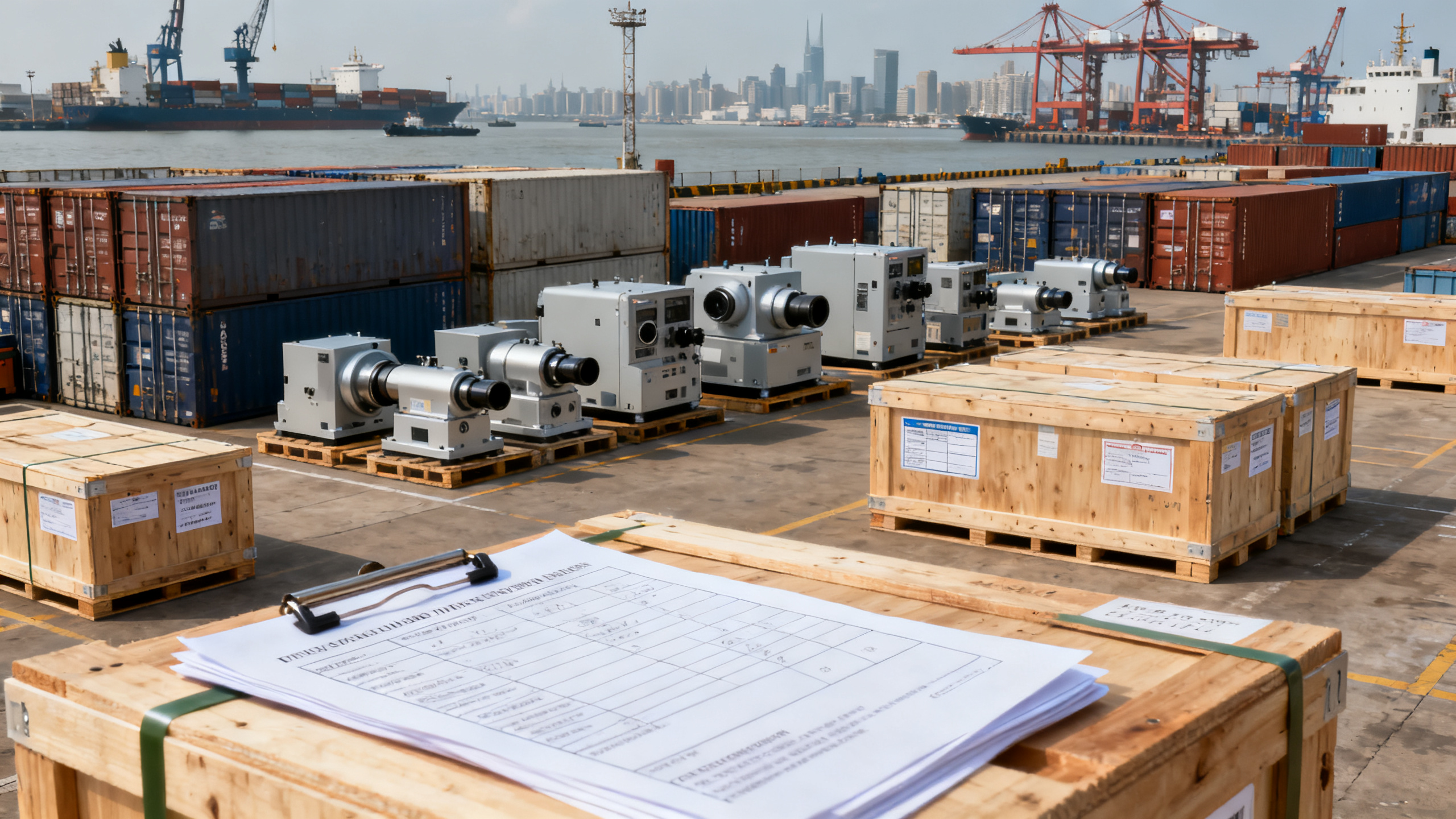
Prepare logistics and compliance contingencies for high-demand automation components
Given the sharp rise in imports of tightly engineered items (e.g., servo motors with IP67+ ratings or PLCs compliant with IEC 61131-3), companies should review current customs classification accuracy, origin documentation readiness, and bonded warehousing capacity—especially if serving multiple OEMs under just-in-time delivery terms.
Editorial Perspective / Industry Observation
Observably, this data point functions more as an early-cycle indicator than a fully realized market outcome. The Q1 2026 import surge aligns with China’s ongoing ‘intelligent manufacturing’ national initiative—but does not, by itself, confirm sustained investment velocity across all industrial sectors. Analysis shows that the disproportionate growth in robotics and control hardware—versus broader electromechanical imports—suggests selective, project-based capital expenditure rather than broad-based capacity expansion. From an industry perspective, the trend is best understood as validation of existing supply chain positioning for automation-enabling technologies, not as a trigger for wholesale strategic pivots.
Conclusion: This import data reflects measurable momentum in China’s automation adoption—but its primary significance lies in confirming directional demand for precision-enabling components. It is not yet evidence of structural shift across all manufacturing subsectors. Current interpretation should emphasize granularity: focus on the 34.2% automation-specific cohort, treat the 21.7% headline figure as context—not driver—and prioritize responsiveness to near-term procurement signals over long-term assumptions.
Source: General Administration of Customs of the People’s Republic of China (press briefing, April 14, 2026). Note: Country-level import composition, end-user application breakdown, and policy implementation status remain pending further official disclosure and require ongoing observation.
Technical Specifications
- How to Select Electronic Hotel Key Card Locks for Guest Rooms and Staff AreasAuthor :Safety Compliance Lead
- How to Select Lab Instruments for Reliable Chemical Analysis WorkflowsAuthor :Precision Metrology Expert
- How to Size a UPS for Server Rooms: Load, Runtime, and Redundancy FactorsAuthor :Grid Infrastructure Analyst
Expert Insights

Chief Security Architect
Dr. Thorne specializes in the intersection of structural engineering and digital resilience. He has advised three G7 governments on industrial infrastructure security.
Related Analysis
- Sep 17, 2026How to Select Electronic Hotel Key Card Locks for Guest Rooms and Staff AreasAuthor :Safety Compliance Lead
- Sep 16, 2026How to Select Lab Instruments for Reliable Chemical Analysis WorkflowsAuthor :Precision Metrology Expert
- Sep 15, 2026How to Size a UPS for Server Rooms: Load, Runtime, and Redundancy FactorsAuthor :Grid Infrastructure Analyst
Core Sector // 01
Security & Safety
- IEC 62443-3-3:2026 Raises Cybersecurity Bar for Industrial OpticsAuthor :Precision Metrology Expert

- EU Sets New CE Rules for Industrial OpticsAuthor :Precision Metrology Expert

- How to Evaluate a Metallurgical Microscope Exporter for Image Quality and ComplianceAuthor :Precision Metrology Expert

- UL Expands Certification Route for Hazardous-Area OpticsAuthor :Precision Metrology Expert

- Shanghai Port Delays Deepen Under Origin ChecksAuthor :Precision Metrology Expert

- CIOE 2026 to Spotlight Vision and Tactile SensorsAuthor :Precision Metrology Expert

- MWC Shanghai 2026 Opens June 24 With CPO and Industrial Security in FocusAuthor :Precision Metrology Expert

- Brazil Tightens INMETRO Rules for Industrial Optical LensesAuthor :Precision Metrology Expert