What makes an environment & ecology exporter truly reliable
Author
Date Published
Reading Time
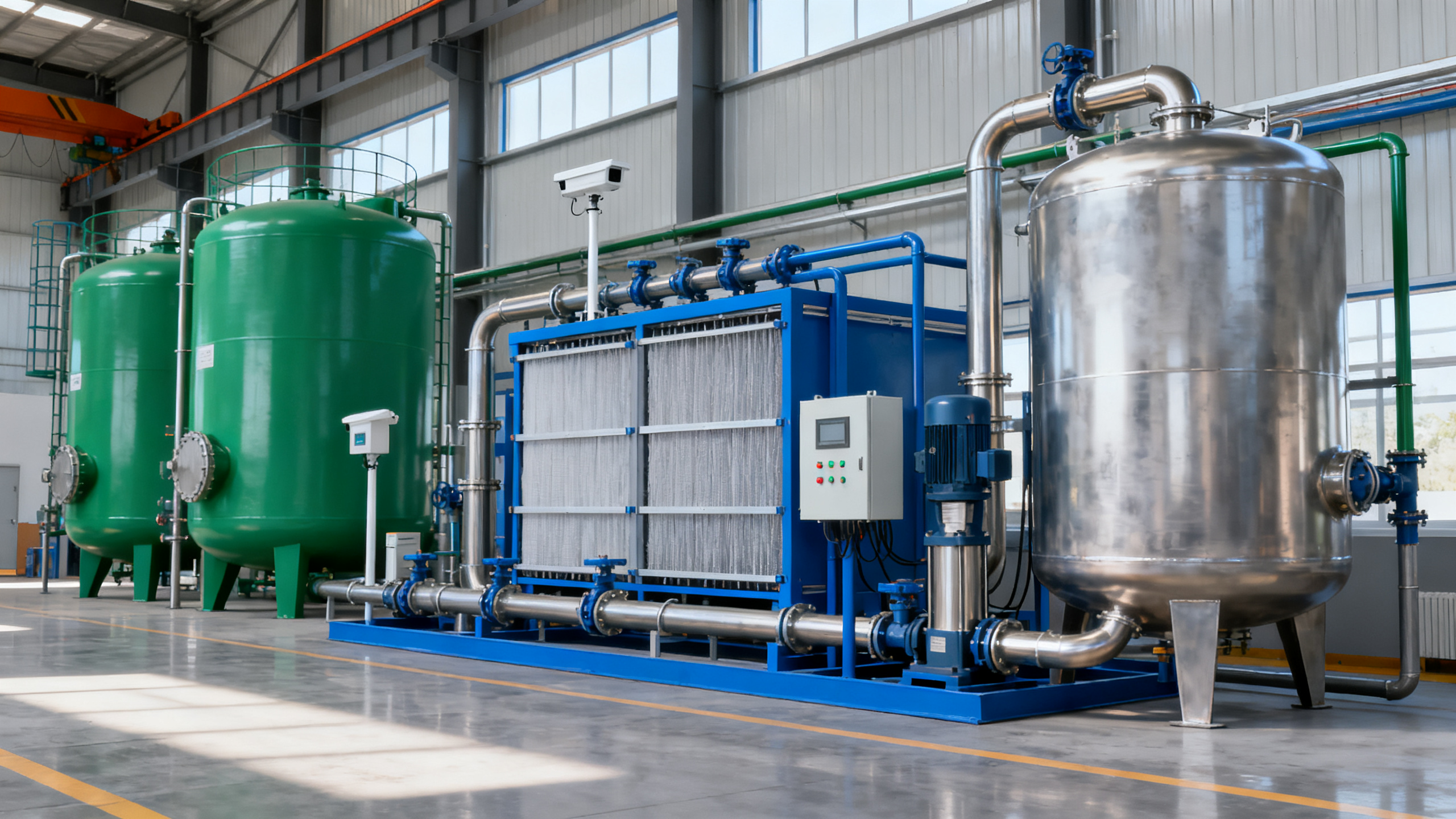
Choosing an Environment & Ecology exporter is not just about price or catalog size. Real reliability appears in compliance records, technical precision, traceability, and stable delivery performance.
In industrial projects, environmental systems often affect permits, uptime, safety, and public accountability. A weak supplier can create regulatory delays, performance gaps, and costly replacement cycles.
A reliable Environment & Ecology exporter supports long-term operational goals. That means documented quality systems, verified test data, application knowledge, and responsive support across changing project conditions.
Why reliability matters in different industrial environment & ecology scenarios
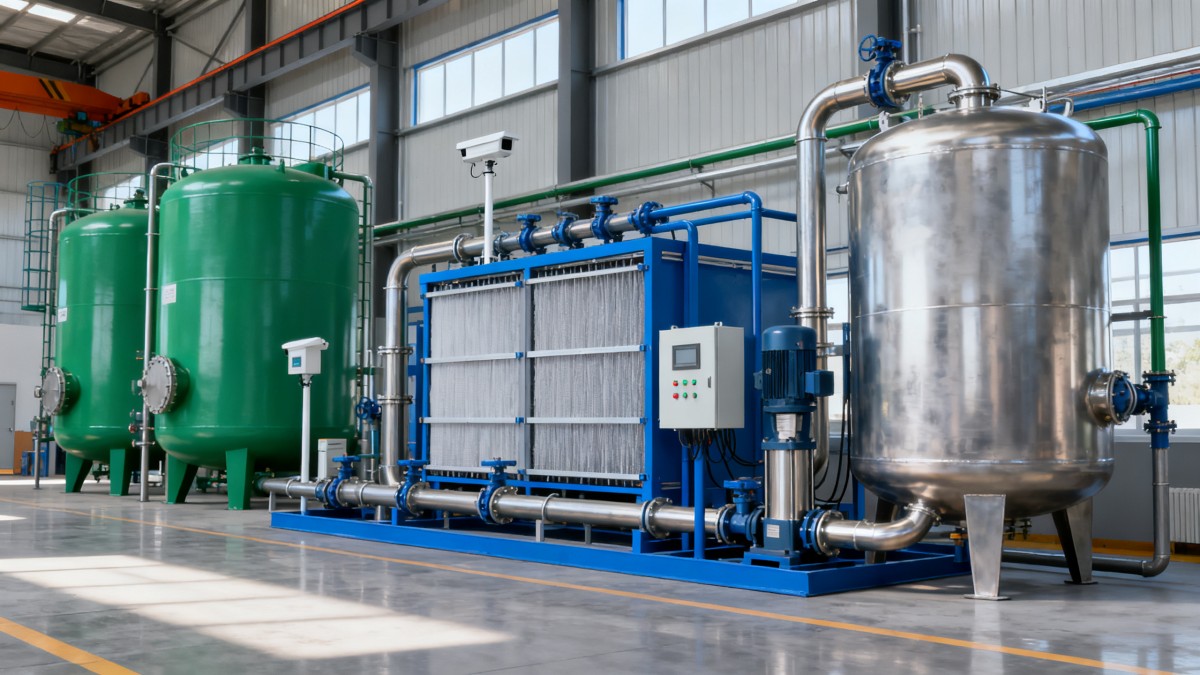
The term Environment & Ecology exporter covers many solutions. These may include filtration systems, water treatment components, emission control devices, monitoring instruments, or ecological protection materials.
Each application creates different risks. A wastewater treatment project needs chemical resistance and stable flow performance. An air emission system needs accurate measurement and durable sealing under continuous operation.
Because of this variation, reliability cannot be judged by brochures alone. The exporter must prove suitability for the actual environment, operating load, and compliance target.
Scenario 1: For water and wastewater projects, reliability starts with process fit
In water-related applications, performance failure often develops slowly. Pumps, membranes, valves, dosing units, and sensors may pass initial inspection but struggle in real chemical and temperature conditions.
A dependable Environment & Ecology exporter provides media compatibility data, operating curves, maintenance intervals, and reference conditions. This reduces the risk of selecting equipment that degrades too early.
What to check in this scenario
- Material compatibility with acids, alkalis, sludge, and disinfectants
- Flow, pressure, and temperature testing records
- Sensor calibration procedures and replacement cycles
- Documented standards such as ISO-related quality systems
- Evidence of long-term operation in comparable facilities
If an Environment & Ecology exporter cannot explain failure modes in wastewater use, reliability is uncertain. Good exporters discuss fouling, corrosion, service life, and field maintenance without hesitation.
Scenario 2: For air emission and dust control, reliability means verified compliance under load
Emission control systems operate under heat, vibration, particulate stress, and changing process loads. In this setting, a reliable Environment & Ecology exporter must show data beyond laboratory claims.
Bag filters, scrubbers, dampers, analyzers, and sealing parts should be evaluated against pressure loss, capture efficiency, corrosion resistance, and maintenance practicality during continuous service.
Core judgment points
- Can the exporter provide emissions-related test reports from credible labs?
- Are temperature limits and particulate tolerances clearly documented?
- Are consumables and spare parts available with stable lead times?
- Is there traceability for coatings, fabrics, seals, or sensor modules?
The best Environment & Ecology exporter will also disclose installation assumptions. Performance often depends on duct layout, fan balance, gas composition, and maintenance discipline.
Scenario 3: For environmental monitoring, reliability depends on measurement credibility
Monitoring equipment directly influences reporting quality and compliance decisions. Inaccurate readings can trigger false alarms, missed violations, or poor process adjustments.
A trustworthy Environment & Ecology exporter should present calibration certificates, measurement uncertainty data, software version control, and support for integration with plant systems.
Reliable exporters usually demonstrate
- Traceable calibration against recognized references
- Clear maintenance and recalibration schedules
- Data integrity safeguards for logging and reporting
- Compatibility with industrial communication protocols
If the exporter avoids discussing accuracy drift, signal interference, or enclosure ratings, the monitoring solution may not remain reliable in demanding field environments.
How scenario requirements differ when selecting an Environment & Ecology exporter
Different applications emphasize different proof points. The table below helps compare what reliability should look like in common industrial scenarios.
Practical signs that an Environment & Ecology exporter is truly reliable
Across all scenarios, several indicators consistently separate credible exporters from risky suppliers. These are more useful than marketing language or oversized product catalogs.
1. Transparent compliance and certification records
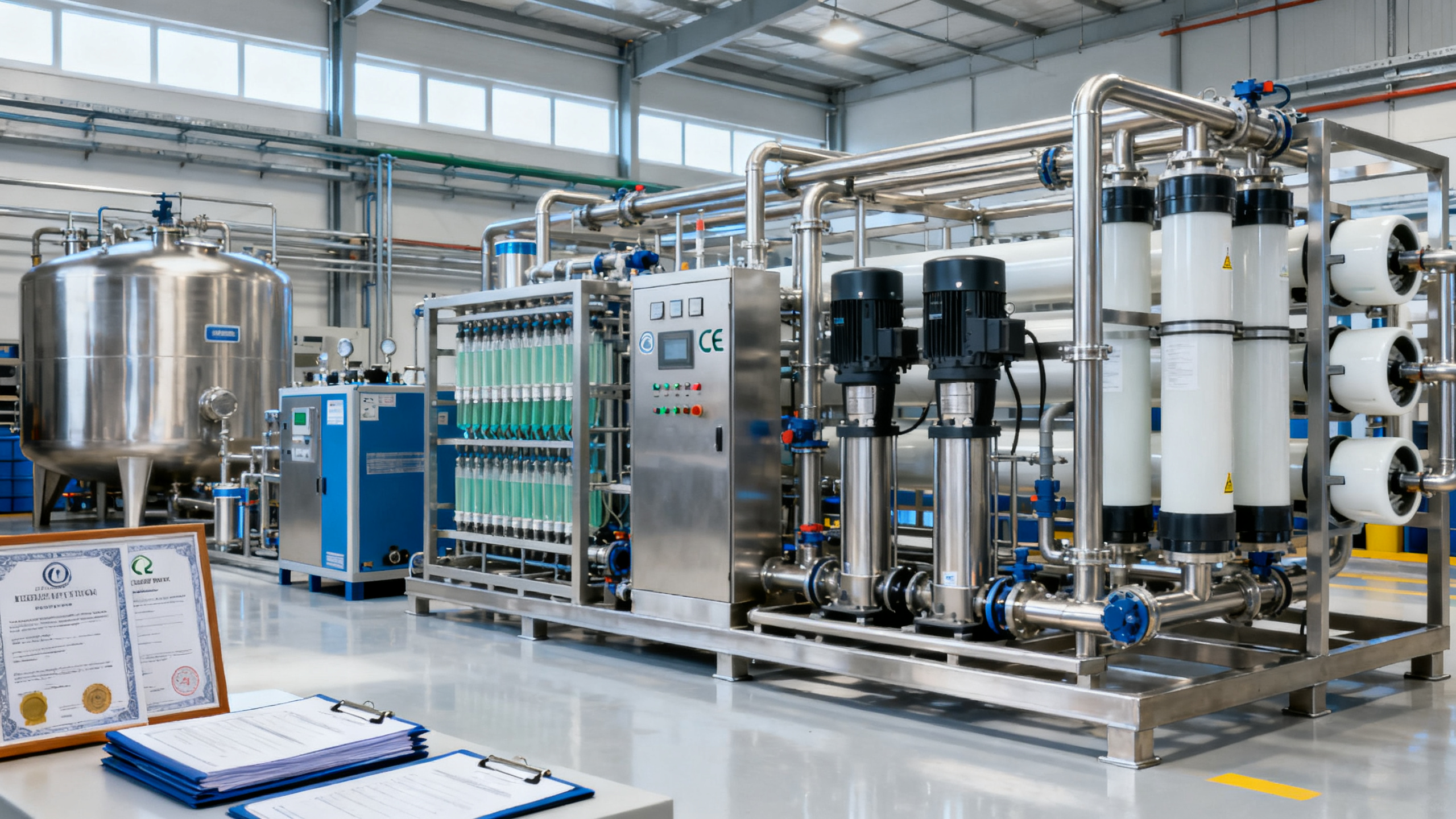
A reliable Environment & Ecology exporter shares current certifications, test reports, and manufacturing controls. Documents should be readable, dated, and linked to actual product models.
2. Traceable quality systems
Batch traceability, inspection checkpoints, and nonconformance procedures matter. They show whether quality is systematically managed or merely claimed during sales discussions.
3. Strong technical communication
Reliable exporters answer application-specific questions with precision. They discuss operating envelopes, installation limits, maintenance needs, and expected wear patterns in practical terms.
4. Stable supply capability
An Environment & Ecology exporter should explain lead times, packaging controls, shipment methods, and spare parts continuity. Reliability includes logistics, not only product performance.
5. Evidence from comparable projects
Case studies, verified references, and repeat international shipments provide confidence. Real industrial environments reveal strengths and weaknesses that brochures cannot capture.
Scenario-based selection advice that improves exporter fit
A better evaluation process connects the operating scenario to the proof required. The following checklist helps make selection more disciplined and less reactive.
- Define the exact environmental duty, not just the product category.
- Request standards, certificates, and test data tied to that duty.
- Check whether materials and measurement ranges match real conditions.
- Review spare parts support and after-sales response commitments.
- Verify past deliveries in similar industrial environments.
- Assess documentation quality, including manuals and inspection reports.
This process helps identify an Environment & Ecology exporter that can support both startup performance and long operational life.
Common misjudgments when evaluating reliability
One frequent mistake is treating certifications as complete proof. Certificates matter, but they do not confirm application fit, installation quality, or field durability by themselves.
Another mistake is focusing only on unit price. A cheaper offer may hide shorter service life, higher maintenance demand, or weak technical support after shipment.
Some evaluations also ignore documentation depth. If manuals, calibration records, and inspection data are incomplete, future troubleshooting becomes slower and more expensive.
Finally, reliability is often overestimated when samples perform well. Sample success does not guarantee consistent production quality without robust process control and traceability.
A smarter next step for choosing the right Environment & Ecology exporter
The most effective next step is to build a scenario-based evaluation sheet. Include compliance, materials, testing, lead time, documentation, and support criteria in one comparison framework.
Then ask each Environment & Ecology exporter to respond with model-specific evidence. This makes gaps visible early and improves decision quality before contracts or installation begin.
In complex industrial environments, a reliable Environment & Ecology exporter is not simply a seller. It is a verified technical partner with proven systems, credible data, and dependable execution.
When reliability is evaluated through real scenarios, long-term value becomes easier to judge. That is how strong environmental performance and supply confidence are built together.
Technical Specifications
- How to Select Electronic Hotel Key Card Locks for Guest Rooms and Staff AreasAuthor :Safety Compliance Lead
- How to Select Lab Instruments for Reliable Chemical Analysis WorkflowsAuthor :Precision Metrology Expert
- How to Size a UPS for Server Rooms: Load, Runtime, and Redundancy FactorsAuthor :Grid Infrastructure Analyst
Expert Insights

Chief Security Architect
Dr. Thorne specializes in the intersection of structural engineering and digital resilience. He has advised three G7 governments on industrial infrastructure security.
Related Analysis
- Sep 17, 2026How to Select Electronic Hotel Key Card Locks for Guest Rooms and Staff AreasAuthor :Safety Compliance Lead
- Sep 16, 2026How to Select Lab Instruments for Reliable Chemical Analysis WorkflowsAuthor :Precision Metrology Expert
- Sep 15, 2026How to Size a UPS for Server Rooms: Load, Runtime, and Redundancy FactorsAuthor :Grid Infrastructure Analyst
Core Sector // 01
Security & Safety
- How to Size a Wafer Butterfly Valve for HVAC Chilled-Water and Heating LoopsAuthor :Environmental Engineering Director

- How Pressure Class and Joint Design Affect Long-Term Performance of Ductile Iron Pipes in Drainage InfrastructureAuthor :Environmental Engineering Director

- How Ductile Iron Pipe Joints Affect Installation Reliability and Leak ControlAuthor :Environmental Engineering Director

- How to Size Effluent Treatment Equipment for Variable Industrial Wastewater LoadsAuthor :Environmental Engineering Director

- US Battery Push Raises New Entry Rules for SuppliersAuthor :Environmental Engineering Director

- EU EMC Rule Tightens for Water Treatment ExportsAuthor :Environmental Engineering Director

- EU REACH Restriction Targets PFAS Water Treatment ImportsAuthor :Environmental Engineering Director

- EU Mandates EN 14113:2026 for Water Treatment ExportsAuthor :Environmental Engineering Director