What Affects Environment & Ecology Exporter Lead Times?
Author
Date Published
Reading Time
What Affects Environment & Ecology Exporter Lead Times?
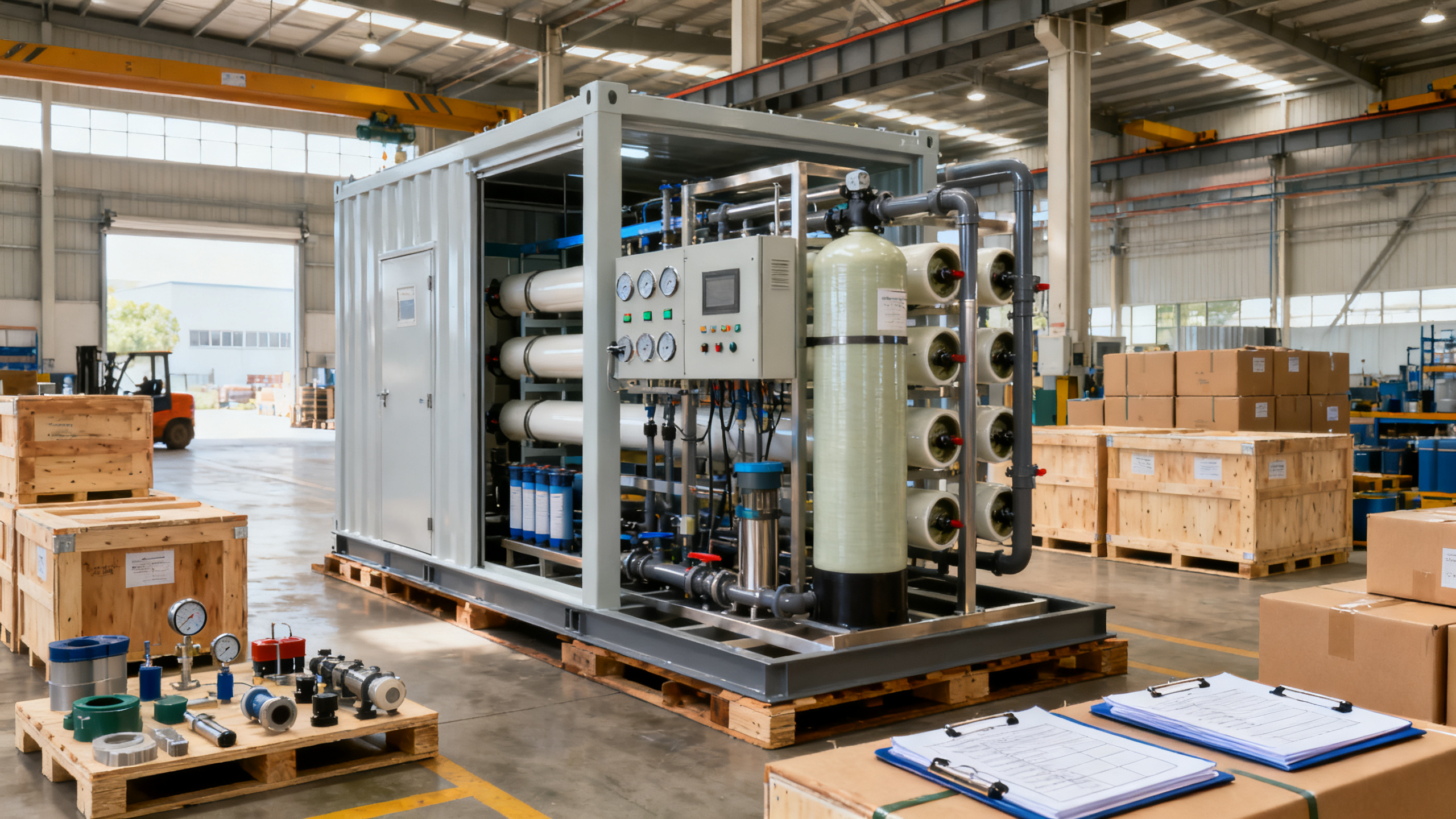
For any Environment & Ecology exporter, lead times depend on much more than machine hours or labor availability.
Delivery speed is often shaped by certification queues, engineering revisions, material traceability, packaging rules, and customs readiness.
In environment and ecology projects, missing one compliance file or one specialty component can delay an entire shipment.
This guide explains how to evaluate Environment & Ecology exporter lead times with a structured approach, so decisions rely on evidence instead of promises.
Why a structured review matters
Lead time risk in this sector is layered.
A wastewater skid, dust collection unit, gas monitoring system, or filtration assembly may involve sourced parts from several countries.
An Environment & Ecology exporter may assemble quickly, yet still face delays from sensors, membranes, valves, coatings, or inspection approvals.
A structured review helps compare exporters on realistic timing, not just quoted timing.
It also improves forecasting for projects tied to commissioning windows, regulatory deadlines, or shutdown schedules.
Core points to verify before accepting quoted lead times
- Confirm whether the quoted lead time covers engineering approval, production, testing, export packing, and customs documents, or only factory completion.
- Check if critical materials are standard stock items or special-order inputs, especially membranes, corrosion-resistant alloys, analyzers, and treatment media.
- Ask whether the Environment & Ecology exporter depends on outside workshops for machining, coating, calibration, or skid integration.
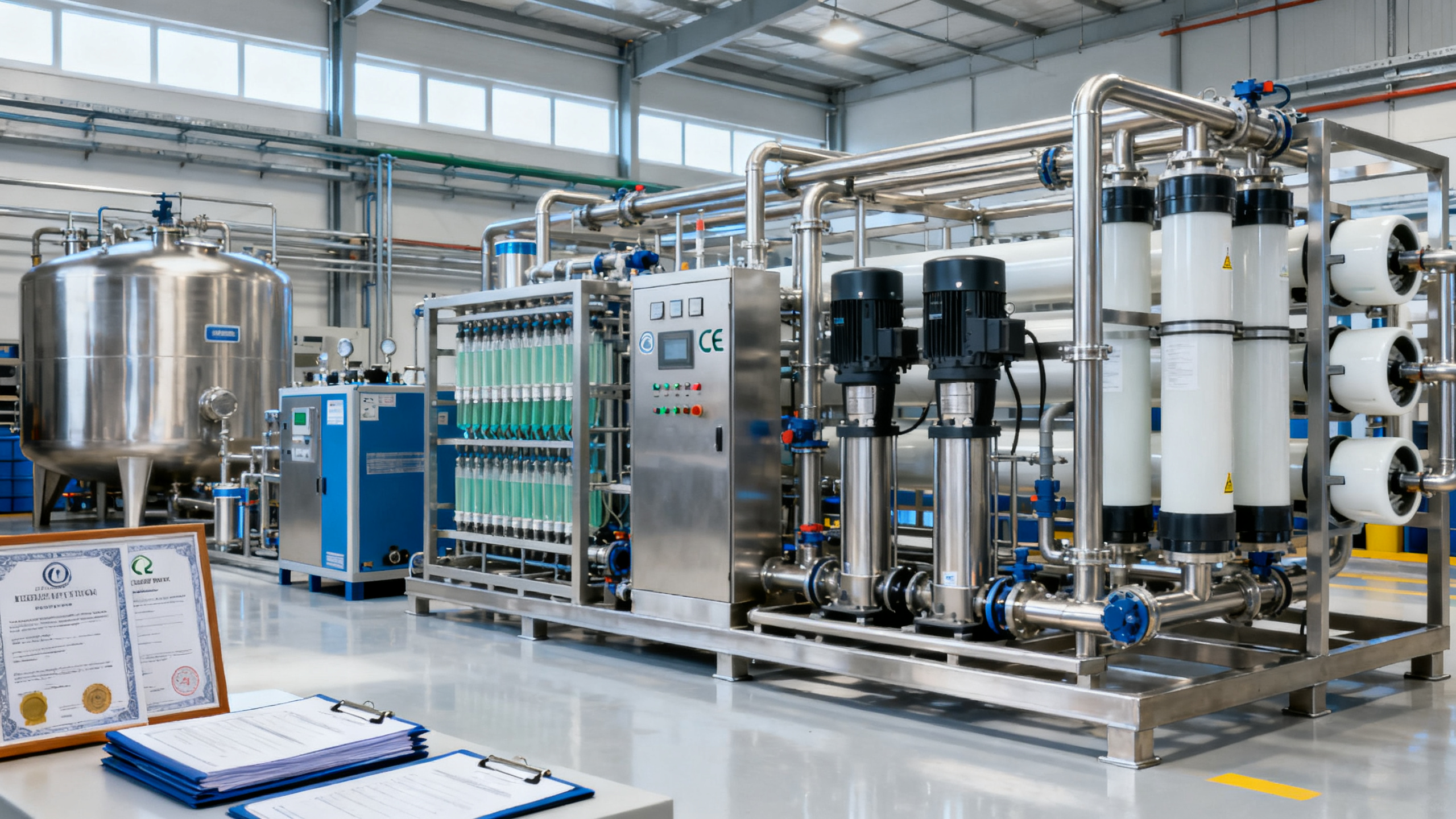
- Verify if certification needs include CE, ISO, UL, RoHS, or destination-specific environmental and electrical compliance testing.
- Review the approval cycle for drawings, data sheets, P&IDs, wiring diagrams, and bill of materials before production starts.
- Check whether factory acceptance testing requires witness attendance, third-party inspection, or sample retention that can extend dispatch timing.
- Assess how many sourced components come from long-haul logistics lanes vulnerable to congestion, transshipment delays, or export restrictions.
- Confirm packaging requirements for hazardous, fragile, oversized, or moisture-sensitive goods, since special crates often add preparation time.
- Ask how the exporter handles documentation accuracy, including HS codes, material certificates, MSDS files, and country-of-origin declarations.
- Request historical on-time shipment data for similar environment and ecology products, not generic company-wide shipping claims.
The biggest lead time drivers for an Environment & Ecology exporter
1. Product customization level
Standard catalog products usually move faster than engineered systems.
Custom frame sizes, control logic, flow rates, material upgrades, and site-specific interfaces often trigger new drawings and procurement changes.
For an Environment & Ecology exporter, even small design changes can restart internal reviews.
2. Raw material and component availability
Environmental equipment often uses specialized components with narrow supplier pools.
Examples include PTFE-lined parts, stainless grades, blower units, PLC hardware, probes, activated carbon, and imported filter media.
If one long-lead item arrives late, the final shipment may stall completely.
3. Testing and compliance requirements
Compliance work is a common hidden delay.
An Environment & Ecology exporter may need electrical safety checks, leak testing, performance validation, emissions documentation, and traceable calibration records.
Third-party lab scheduling can add days or weeks, especially during peak export periods.
4. Production scheduling and factory loading
A supplier can have strong capability but limited open production slots.
Paint curing, welding queues, panel assembly, and final inspection bays create bottlenecks that affect confirmed delivery dates.
Ask whether quoted time reflects actual slot booking or only estimated capacity.
5. Export logistics and port conditions
Factory completion is not shipment completion.
Port congestion, container shortages, dangerous goods handling, and inland trucking gaps can affect every Environment & Ecology exporter.
Oversized systems may also require route permits and special loading plans.
How lead times change by application scenario
Water and wastewater treatment systems
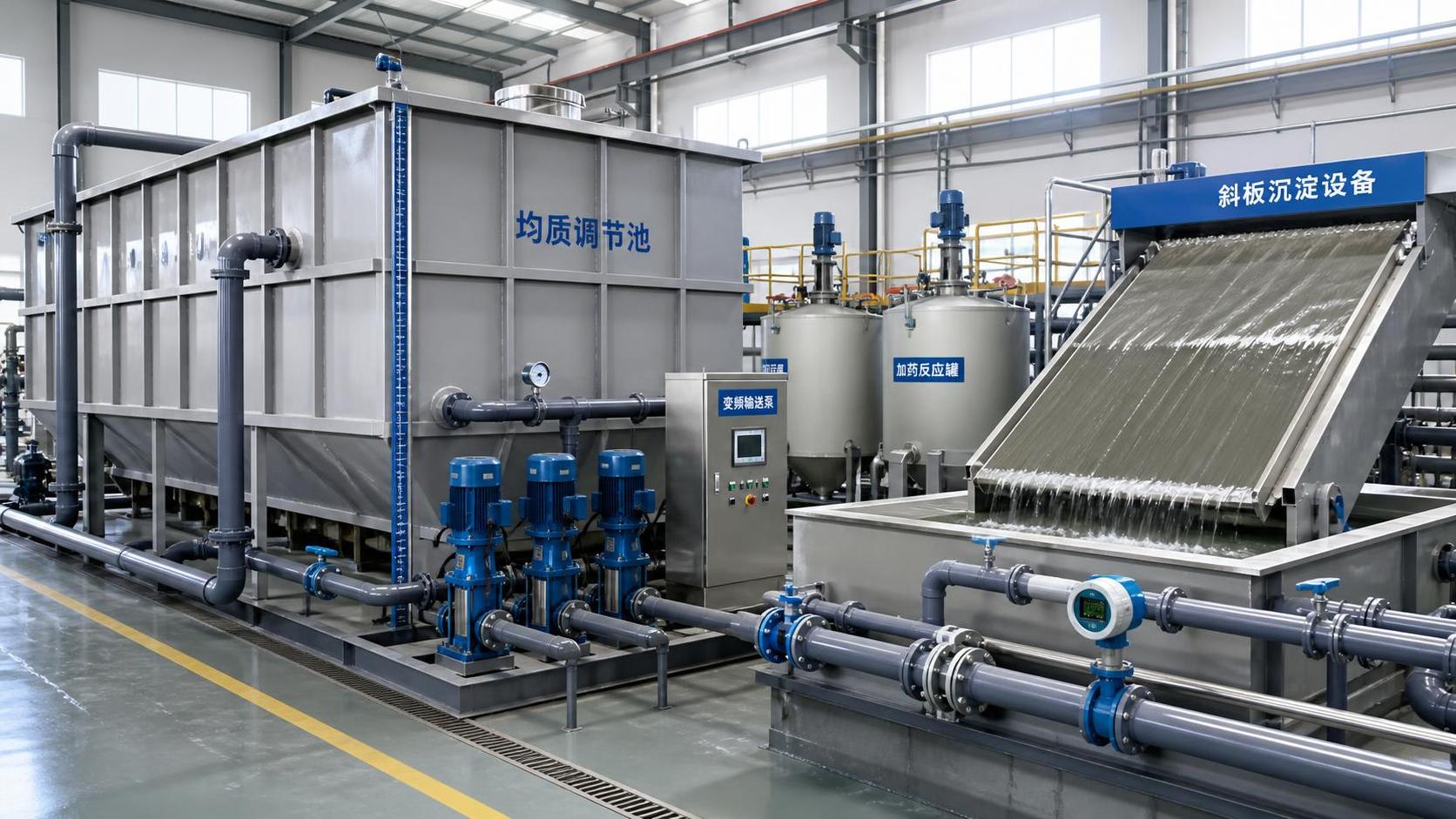
These projects often involve tanks, pumps, dosing skids, membranes, and instrument integration.
Lead time pressure usually comes from process design confirmation, chemical compatibility reviews, and imported membrane or analyzer supply.
Air pollution control equipment
Dust collectors, scrubbers, and exhaust treatment units often require custom dimensions and heavy steel fabrication.
The main checks are fabrication backlog, fan sourcing, coating cure time, and oversized cargo export handling.
Environmental monitoring and measurement devices
These products may appear compact, but calibration and electronics sourcing can be slow.
An Environment & Ecology exporter in this segment should show calibration workflow, firmware validation timing, and traceable test records.
Solid waste and recycling equipment
Shredders, separators, conveyors, and compactors usually depend on motors, gearboxes, blades, and controls from multiple suppliers.
Mechanical assembly may be straightforward, but sourced drive components often become the longest lead element.
Frequently missed issues that delay shipment
Incomplete technical approvals are a major source of avoidable delay.
If drawing comments arrive late, the exporter may pause purchasing to avoid scrap or mismatch risk.
Destination-country compliance is often underestimated.
A product may be export-ready in one market but require extra labels, test reports, or wiring changes for another market.
Packaging complexity can be overlooked during quotation.
Vacuum sealing, fumigation, shock protection, and seaworthy crating all consume time, especially for mixed shipments.
Documentation errors create expensive hold points.
A strong Environment & Ecology exporter should control invoice data, packing details, certificates, and labeling before cargo reaches the port.
Supplier multitier dependency is another hidden risk.
If a sub-supplier misses one deadline, the primary exporter may not reveal the impact early unless reporting systems are mature.
Practical ways to assess exporter lead time reliability
- Request a milestone schedule showing engineering release, material arrival, fabrication, testing, packing, and ex-works readiness.
- Compare promised timing with documented past shipments for similar environment and ecology equipment.
- Ask which three components most commonly drive delays and what backup sourcing plans exist.
- Require confirmation of standards, certificates, and destination compliance before order finalization.
- Separate factory lead time from total delivered lead time, including forwarding and customs preparation.
- Use progress checkpoints tied to documents, photos, inspection records, or video verification, not verbal updates alone.
FAQ
Why do quoted lead times vary between Environment & Ecology exporters?
Different exporters use different assumptions.
Some quote production only, while others include engineering, testing, export packing, and documentation.
Are standard products always faster?
Usually yes, but not always.
If standard items rely on imported electronics or seasonal materials, lead times can still stretch.
What documents should be checked early?
Review technical drawings, compliance certificates, packing requirements, HS codes, test plans, and country-specific import documents first.
Conclusion and next steps
A reliable Environment & Ecology exporter does not just offer a short lead time.
The stronger signal is a transparent process covering sourcing, compliance, testing, packing, and export execution.
Use the checks above to separate optimistic quotations from dependable delivery capability.
When evaluating industrial supply options, prioritize documented milestones, verified standards, and realistic logistics planning from the start.
Technical Specifications
- How to Select Electronic Hotel Key Card Locks for Guest Rooms and Staff AreasAuthor :Safety Compliance Lead
- How to Select Lab Instruments for Reliable Chemical Analysis WorkflowsAuthor :Precision Metrology Expert
- How to Size a UPS for Server Rooms: Load, Runtime, and Redundancy FactorsAuthor :Grid Infrastructure Analyst
Expert Insights

Chief Security Architect
Dr. Thorne specializes in the intersection of structural engineering and digital resilience. He has advised three G7 governments on industrial infrastructure security.
Related Analysis
- Sep 17, 2026How to Select Electronic Hotel Key Card Locks for Guest Rooms and Staff AreasAuthor :Safety Compliance Lead
- Sep 16, 2026How to Select Lab Instruments for Reliable Chemical Analysis WorkflowsAuthor :Precision Metrology Expert
- Sep 15, 2026How to Size a UPS for Server Rooms: Load, Runtime, and Redundancy FactorsAuthor :Grid Infrastructure Analyst
Core Sector // 01
Security & Safety
- How to Size a Wafer Butterfly Valve for HVAC Chilled-Water and Heating LoopsAuthor :Environmental Engineering Director

- How Pressure Class and Joint Design Affect Long-Term Performance of Ductile Iron Pipes in Drainage InfrastructureAuthor :Environmental Engineering Director

- How Ductile Iron Pipe Joints Affect Installation Reliability and Leak ControlAuthor :Environmental Engineering Director

- How to Size Effluent Treatment Equipment for Variable Industrial Wastewater LoadsAuthor :Environmental Engineering Director

- US Battery Push Raises New Entry Rules for SuppliersAuthor :Environmental Engineering Director

- EU EMC Rule Tightens for Water Treatment ExportsAuthor :Environmental Engineering Director

- EU REACH Restriction Targets PFAS Water Treatment ImportsAuthor :Environmental Engineering Director

- EU Mandates EN 14113:2026 for Water Treatment ExportsAuthor :Environmental Engineering Director