Pure Water Bottling Machine Selection Guide: Capacity, Filling Accuracy, and Bottle Types
Author
Date Published
Reading Time
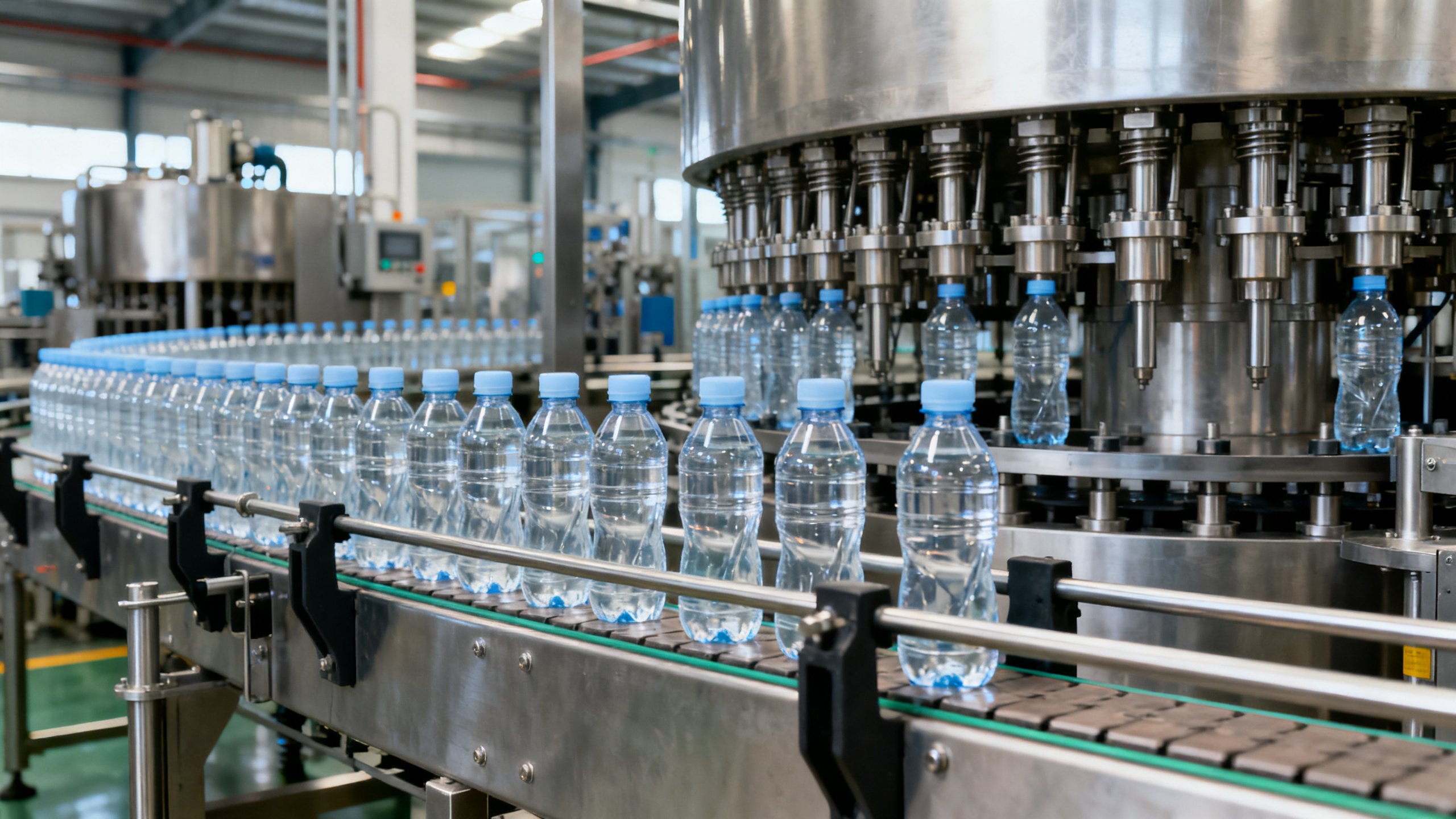
Selecting a pure water bottling machine shapes far more than filling speed. It affects line balance, product quality, utility consumption, sanitation control, and the ability to scale without costly redesign.
For industrial projects, the decision usually sits between engineering logic and commercial reality. Capacity targets, filling accuracy, bottle formats, compliance standards, and lifecycle maintenance all have to work together.
That is why the topic deserves careful review. In water packaging, a mismatch between machine capability and plant conditions can create chronic downtime, reject rates, and unnecessary operating cost.
Why selection has become more demanding
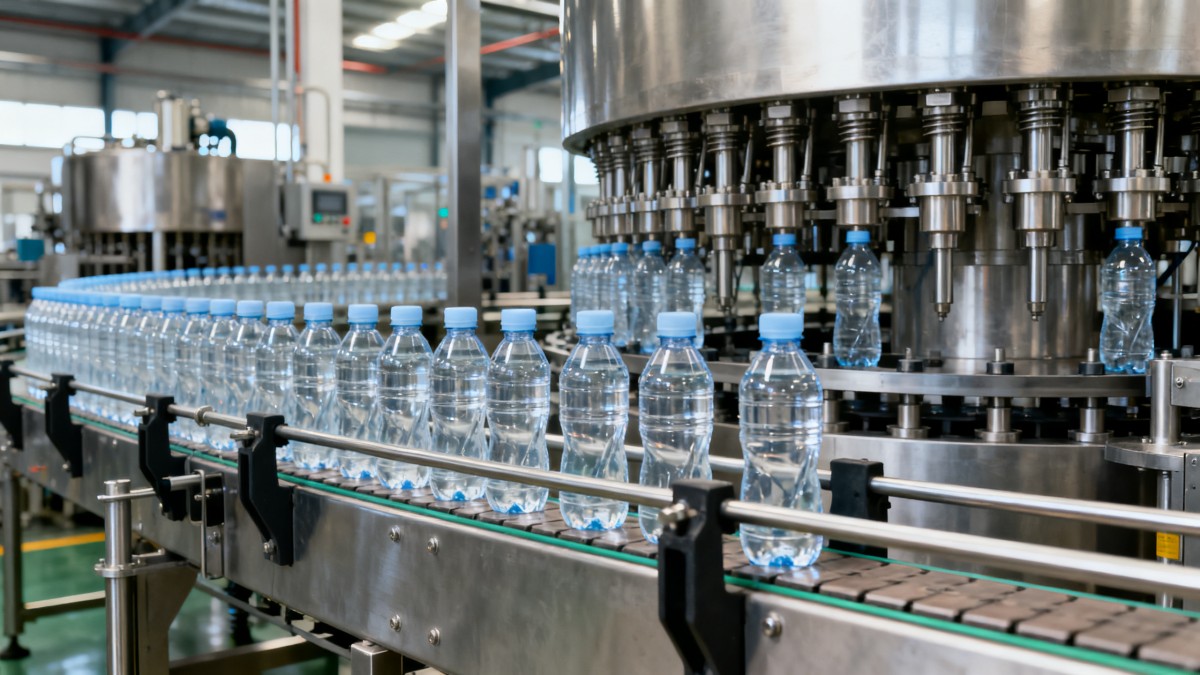
Pure water packaging once looked straightforward. Today, production environments are more demanding, especially where throughput, hygiene, traceability, and energy use are reviewed together.
Across industrial operations, GIC often highlights a familiar pattern. Equipment decisions are no longer judged only by nameplate output, but by reliability under real production conditions.
For a pure water bottling machine, this means stable filling, clean changeovers, compatible bottle handling, and dependable integration with rinsing, capping, labeling, and secondary packaging.
Understanding what a pure water bottling machine must do
At its core, a pure water bottling machine fills treated water into containers under controlled conditions. In practice, the machine is part of a coordinated line, not a stand-alone asset.
A typical configuration includes bottle infeed, air or water rinsing, gravity or flowmeter filling, capping, inspection, and transfer to downstream equipment.
The right machine should preserve water quality, minimize contamination risk, keep fill volumes consistent, and maintain stable output even when bottle supply varies slightly.
This basic understanding matters because many procurement issues start with a narrow view. Buying only for speed often ignores bottle stability, utility load, and sanitation design.
Capacity is more than bottles per hour
Capacity is usually the first screening factor. Even so, the stated bottles-per-hour figure should never be treated as the full answer.
A pure water bottling machine may achieve rated speed only under a specific bottle size, stable ambient conditions, and ideal upstream and downstream support.
Real line capacity depends on synchronization. If blow molding, water treatment, capping torque control, or labeling speed falls behind, the filler becomes underused.
Questions behind the capacity number
- Is rated output based on 330 ml, 500 ml, or 1.5 L bottles?
- What is the tested efficiency at normal operating speed?
- How much downtime is expected during cap or bottle changeover?
- Can the line maintain output during long production shifts?
- Does utility supply support the machine at full design load?
In many projects, a slightly lower rated machine with better stability outperforms a faster model that requires constant intervention.
Why filling accuracy affects more than product loss
Filling accuracy is often discussed in terms of underfill and overfill. The broader issue is process consistency across the whole packaging line.
When a pure water bottling machine cannot hold volume tolerance steadily, several issues appear at once. Product giveaway increases, inspection rejects rise, and pack appearance becomes inconsistent.
For export-oriented operations, poor consistency also creates compliance risk. Market-specific packaging regulations and internal quality standards may require documented control of fill deviation.
Key technical influences on accuracy
- Filling principle, such as gravity, pressure, or flowmeter-based filling
- Valve response consistency across all filling heads
- Bottle neck positioning and transfer stability
- Water temperature variation during production
- Calibration method and inspection frequency
A machine with strong metrology discipline is usually the safer choice. That aligns with the GIC view that precision equipment should be judged by repeatability, not claims alone.
Bottle types change the machine decision
Bottle compatibility is where many projects underestimate complexity. A pure water bottling machine may run one bottle family smoothly, yet struggle when shapes, heights, or neck finishes vary.
PET remains the dominant option for pure water. Even within PET, lightweight bottles, square designs, and thin-wall formats place different demands on conveyors and gripping systems.
Glass and larger returnable formats add other concerns, including weight, breakage risk, and different transfer dynamics. The machine should be evaluated against the full bottle roadmap, not current demand only.
Line integration and sanitation deserve equal attention
The best pure water bottling machine can still underperform if the surrounding line is poorly matched. Integration should be reviewed early, not after equipment arrival.
Electrical interfaces, control logic, and conveyor elevations need clean coordination. The same is true for CIP compatibility, cleanability, and access for routine sanitation.
For facilities working under CE, ISO, or market-specific hygiene requirements, documentation quality matters almost as much as mechanical quality.
That includes material certificates, validation records, spare parts traceability, and calibration guidance for accuracy-critical components.
A practical selection framework
A useful evaluation process connects business targets to plant reality. That usually produces a better result than comparing machine brochures side by side.
What to verify before approval
- Define actual hourly demand, shift pattern, and future expansion buffer
- Map all bottle formats planned within the next three to five years
- Set acceptable fill tolerance and rejection thresholds
- Review water quality conditions and sanitation protocol requirements
- Confirm utility data for air, power, and water consumption
- Request factory acceptance evidence using comparable bottle types
This is also where strategic sourcing discipline matters. GIC consistently treats technical verification, compliance review, and lifecycle support as one connected decision, not separate tasks.
Where long-term value is usually found
The lowest purchase price rarely defines the best project outcome. Long-term value usually comes from stable uptime, controlled waste, maintainable design, and flexible bottle change capability.
A well-chosen pure water bottling machine reduces line stoppages, simplifies operator intervention, and supports consistent packaging quality across market cycles.
It also creates room for future decisions. When new bottle designs, cap formats, or output targets appear, the operation can respond without rebuilding the line from zero.
The next step is usually straightforward. Build a comparison matrix around capacity, filling accuracy, bottle types, sanitation design, and integration readiness, then test each option against actual operating conditions.
That approach turns a pure water bottling machine purchase into a resilient infrastructure decision, which is exactly how high-stakes industrial assets should be evaluated.
Technical Specifications
- How to Select Electronic Hotel Key Card Locks for Guest Rooms and Staff AreasAuthor :Safety Compliance Lead
- How to Select Lab Instruments for Reliable Chemical Analysis WorkflowsAuthor :Precision Metrology Expert
- How to Size a UPS for Server Rooms: Load, Runtime, and Redundancy FactorsAuthor :Grid Infrastructure Analyst
Expert Insights

Chief Security Architect
Dr. Thorne specializes in the intersection of structural engineering and digital resilience. He has advised three G7 governments on industrial infrastructure security.
Related Analysis
- Sep 17, 2026How to Select Electronic Hotel Key Card Locks for Guest Rooms and Staff AreasAuthor :Safety Compliance Lead
- Sep 16, 2026How to Select Lab Instruments for Reliable Chemical Analysis WorkflowsAuthor :Precision Metrology Expert
- Sep 15, 2026How to Size a UPS for Server Rooms: Load, Runtime, and Redundancy FactorsAuthor :Grid Infrastructure Analyst
Core Sector // 01
Security & Safety
- How to Size a Wafer Butterfly Valve for HVAC Chilled-Water and Heating LoopsAuthor :Environmental Engineering Director

- How Pressure Class and Joint Design Affect Long-Term Performance of Ductile Iron Pipes in Drainage InfrastructureAuthor :Environmental Engineering Director

- How Ductile Iron Pipe Joints Affect Installation Reliability and Leak ControlAuthor :Environmental Engineering Director

- How to Size Effluent Treatment Equipment for Variable Industrial Wastewater LoadsAuthor :Environmental Engineering Director

- US Battery Push Raises New Entry Rules for SuppliersAuthor :Environmental Engineering Director

- EU EMC Rule Tightens for Water Treatment ExportsAuthor :Environmental Engineering Director

- EU REACH Restriction Targets PFAS Water Treatment ImportsAuthor :Environmental Engineering Director

- EU Mandates EN 14113:2026 for Water Treatment ExportsAuthor :Environmental Engineering Director