Wholesale FRP Tanks: What Specifications Matter for Water Treatment Projects?
Author
Date Published
Reading Time
Wholesale FRP Tanks: What Specifications Matter for Water Treatment Projects?
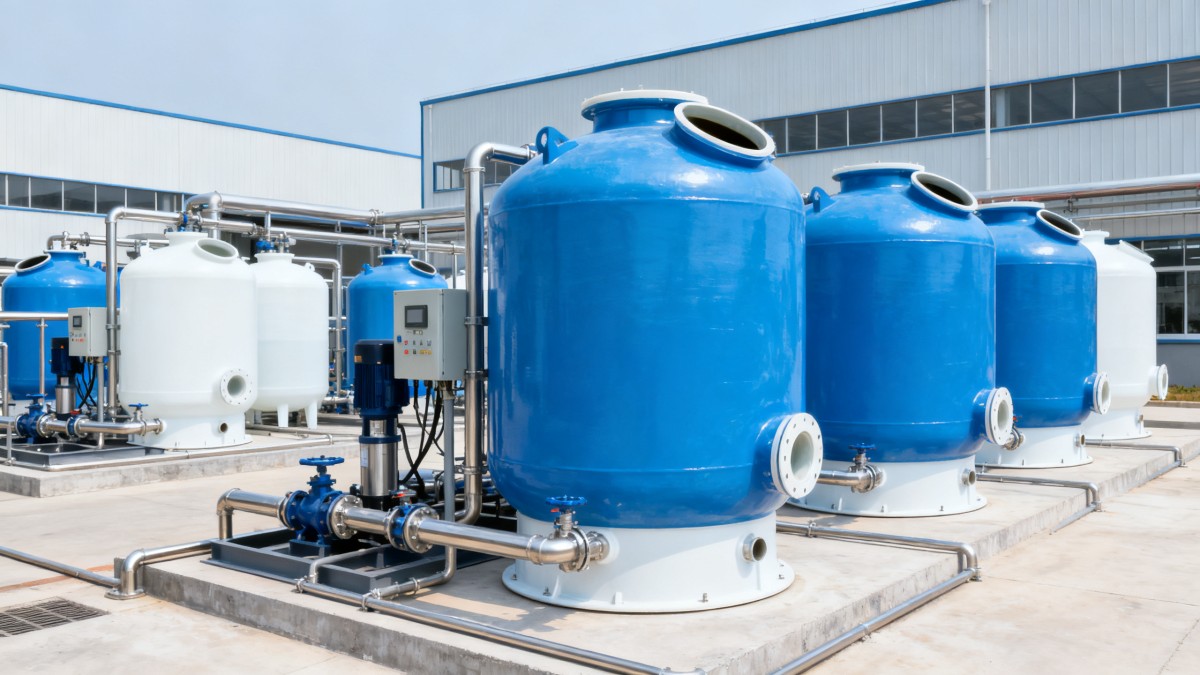
Selecting wholesale FRP tanks for water treatment projects goes far beyond comparing volume and unit price.
In real projects, one wrong specification can create leakage, media failure, downtime, or expensive replacement cycles.
That is why technical review should focus on how the tank performs under chemical, pressure, temperature, and installation stress.
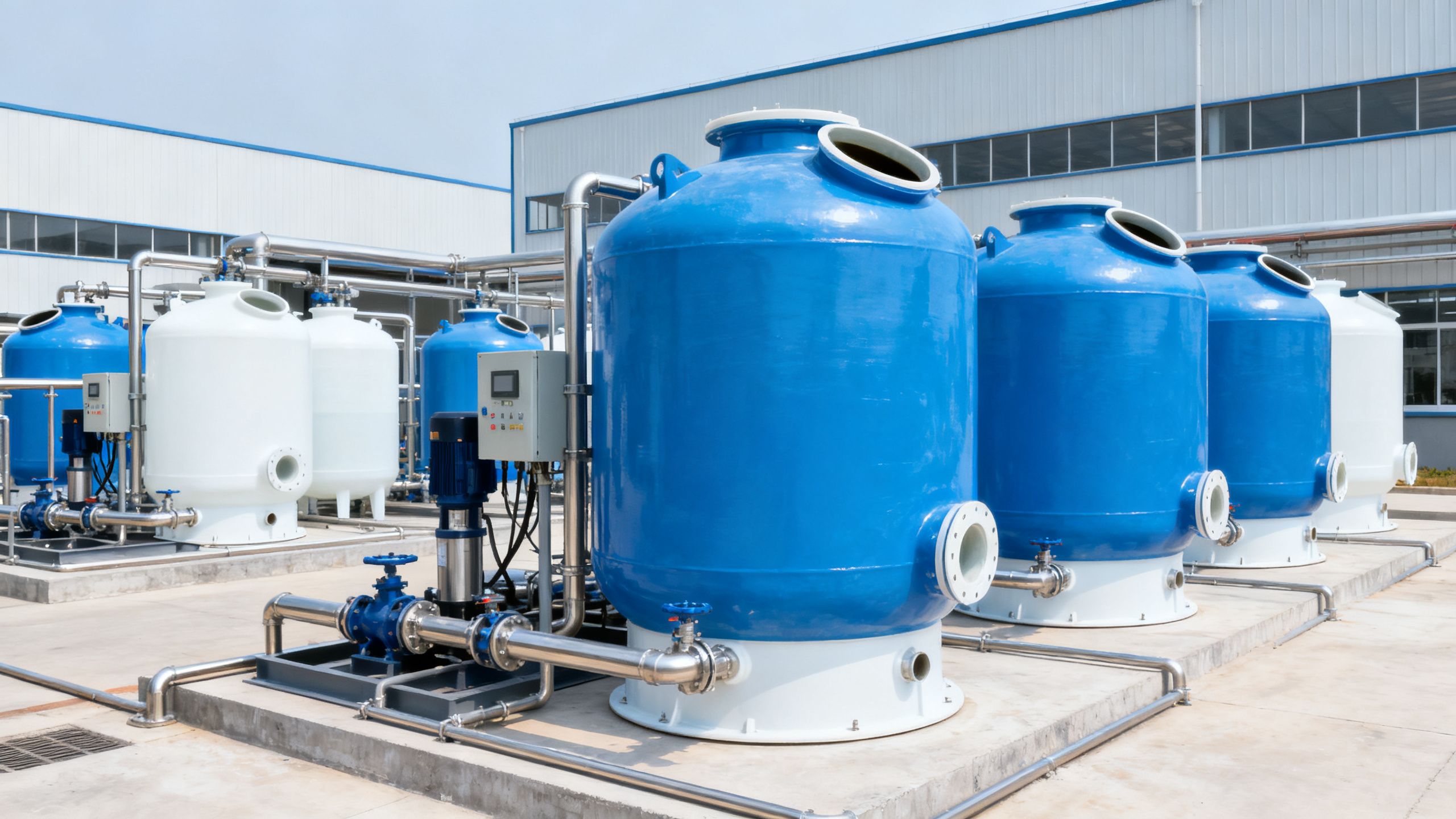
For water treatment systems, wholesale FRP tanks are widely used in softening, filtration, demineralization, dosing support, and process water polishing.
Their value comes from corrosion resistance, low weight, and relatively easy transport compared with steel alternatives.
Still, not all FRP vessels are built the same.
The resin system, internal liner, wall structure, opening design, and certification package all shape lifecycle performance.
A practical evaluation starts by asking a simple question.
Will these wholesale FRP tanks stay reliable under the exact operating conditions of the project?
Start with the Basic Operating Envelope
Before reviewing materials, confirm the full process envelope.
This includes design pressure, operating pressure, surge pressure, design temperature, chemical profile, and installation environment.
Many wholesale FRP tanks look acceptable on a datasheet until surge pressure or chemical concentration is checked closely.
For example, a tank used for standard softened water may not suit hot brine regeneration or oxidizing feed streams.
This also means project teams should define actual use conditions, not just nameplate requirements.
- Operating pressure and allowable pressure spikes
- Maximum and minimum service temperature
- Continuous or intermittent chemical exposure
- Indoor, outdoor, coastal, or UV-heavy installation
- Static duty or systems with frequent cycling
When these inputs are clear, comparing wholesale FRP tanks becomes much more accurate.
Resin System Is One of the First Real Filters
The resin system often determines whether the tank survives long-term chemical exposure.
In wholesale FRP tanks, common options include polyester, vinyl ester, and epoxy-based systems.
Each option offers a different balance of cost, corrosion resistance, and thermal stability.
Polyester resin may work for lighter service, but aggressive water chemistry often needs stronger protection.
Vinyl ester is frequently preferred in water treatment because it handles many chemicals better.
That is especially relevant where chloride exposure, oxidants, or frequent cleaning chemicals are involved.
A low-cost vessel can become expensive fast if the resin is mismatched.
Ask suppliers of wholesale FRP tanks for chemical compatibility data, not just a generic material label.
What to verify in resin selection
- Compatibility with feed water, regenerants, and cleaning agents
- Resistance to hydrolysis and long-term wet service
- Performance under expected temperature swings
- Published test data or project references
Liner Construction Affects Reliability More Than Many Buyers Expect
Another critical point is the internal liner.
Many wholesale FRP tanks use a polyethylene liner with an external fiberglass reinforcement layer.
Others use different liner concepts based on the application and pressure class.
The liner acts as the first chemical barrier and helps maintain water-tight integrity.
A weak liner can crack, craze, deform, or separate from the structural wall.
This risk increases in systems with pressure fluctuations or elevated temperatures.
When evaluating wholesale FRP tanks, check liner thickness, liner material, and bonding method.
It is also useful to confirm whether the supplier controls liner production in-house.
Better manufacturing control usually means more consistent quality across batches.
Pressure Rating Must Reflect Real Operating Stress
Pressure rating is often treated as a pass or fail number.
In practice, it should be reviewed in context.
Wholesale FRP tanks may be labeled for a nominal pressure, but actual service conditions can be harsher.
Pump starts, valve closures, backwash events, and air entrainment can all create transient stress.
This is where technical evaluation needs more than catalog comparison.
Ask whether the pressure rating applies at the project temperature and over the expected duty cycle.
Also verify testing methodology and safety factor.
Questions worth asking suppliers
- Is the rating based on burst pressure or working pressure?
- Does temperature reduce allowable pressure?
- Has cyclic fatigue performance been validated?
- Are test reports available for the specific tank series?
This step often separates dependable wholesale FRP tanks from attractive but risky offers.
Temperature, UV, and Corrosion Exposure Change the Decision
Water treatment projects rarely operate in a perfectly stable indoor environment.
Some systems sit in hot utility areas.
Others are installed outdoors with sunlight, rain, and seasonal temperature swings.
These conditions can shorten the life of wholesale FRP tanks if not considered early.
High temperature may reduce strength.
UV exposure may degrade external surfaces over time.
Salt-laden air can also affect fittings, supports, and nearby hardware even if the tank body resists corrosion.
A complete review should include the entire installation package, not only the shell.
Openings, Connections, and Dimensions Need Close Review
Sizing errors are not limited to total capacity.
Many wholesale FRP tanks fail project fit-up because connection details were reviewed too late.
Top and bottom openings, nozzle sizes, thread standards, distributor interfaces, and valve mounting dimensions all matter.
This is especially important in retrofit work where the new vessel must match existing piping and controls.
In actual procurement, this detail often saves more time than negotiating a small unit discount.
- Vessel diameter and height clearance
- Manway or service opening access
- Top opening size for valve compatibility
- Base design and load distribution
- Shipping orientation and on-site handling limits
For wholesale FRP tanks, dimensional accuracy is a performance issue, not just a logistics note.
Compliance and Certifications Should Be Verified Early
Certifications are not paperwork extras.
They are part of technical risk control.
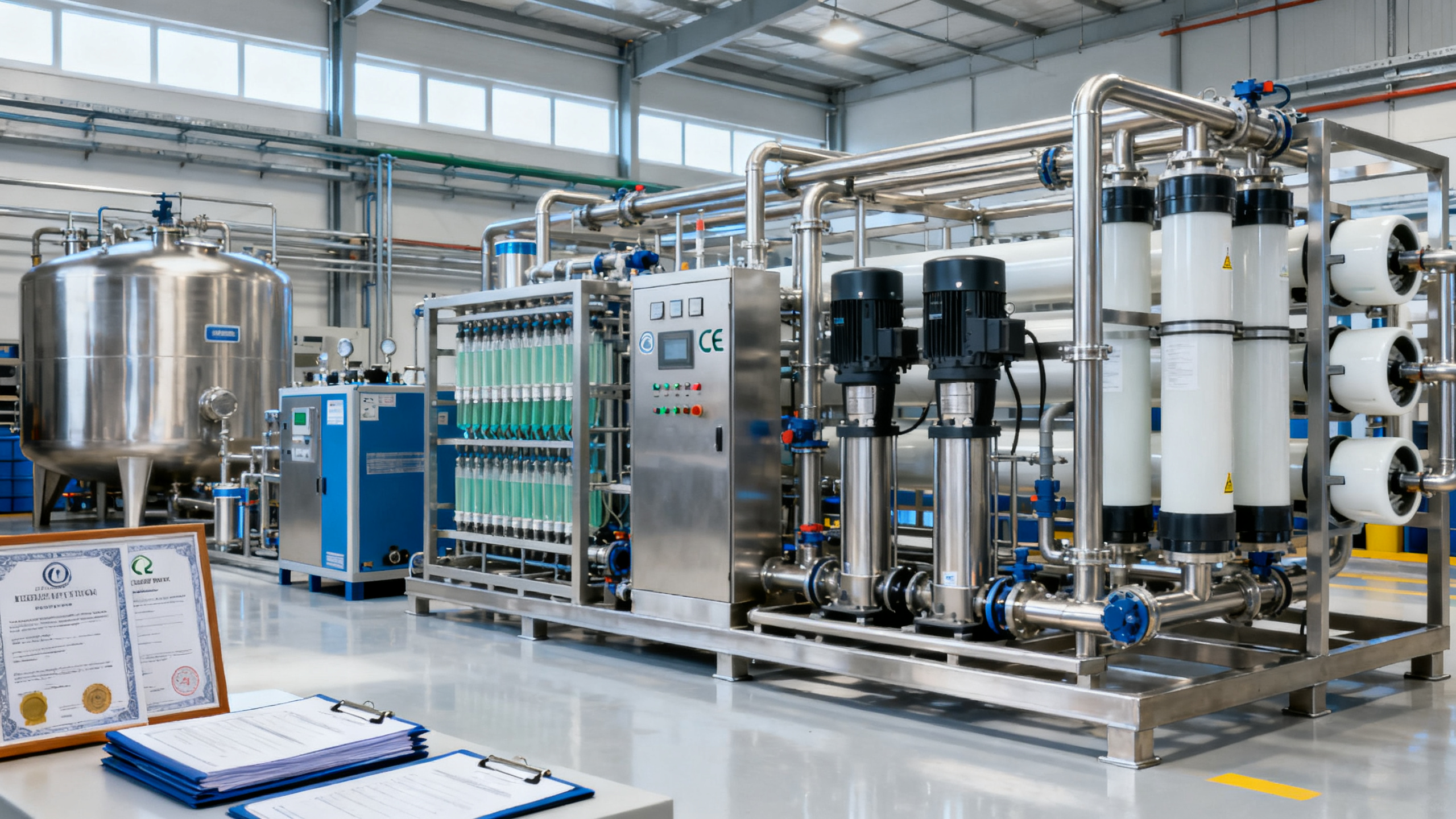
Depending on the market and application, wholesale FRP tanks may need NSF, CE-related documentation, ISO-controlled manufacturing evidence, or other regional approvals.
If potable water contact is involved, compliance requirements become even more sensitive.
More importantly, ask for current certificates and traceable test records.
A logo on a brochure is not the same as valid documentation for a project file.
Useful documents to request
- Product datasheets with model-specific ratings
- Material declarations for resin and liner
- Pressure and burst test reports
- Quality system certificates such as ISO documentation
- Applicable drinking water or safety approvals
Supplier Capability Matters as Much as Tank Specification
Even well-specified wholesale FRP tanks can become a project problem if supplier control is weak.
Lead time stability, batch consistency, packaging quality, and technical responsiveness all affect project execution.
This is more obvious in international sourcing, where replacement time can be long.
A strong supplier should answer detailed questions without falling back on vague catalog language.
They should also provide clear guidance on storage, installation, startup, and warranty conditions.
In short, reliable wholesale FRP tanks come from reliable process control.
A Practical Evaluation Checklist for Wholesale FRP Tanks
To keep reviews efficient, use a checklist that matches project risk.
- Confirm process pressure, temperature, and chemical conditions.
- Verify resin system against actual water chemistry.
- Review liner type, thickness, and structural design.
- Check pressure rating with derating and surge conditions.
- Match dimensions, openings, and connection details.
- Request certifications, test data, and traceable documents.
- Assess supplier manufacturing consistency and support quality.
This approach makes specification review more objective and less dependent on price-first decisions.
Final Takeaway
The best wholesale FRP tanks are not simply the cheapest or the most familiar models.
They are the tanks that align precisely with water chemistry, operating stress, site conditions, and compliance needs.
For water treatment projects, careful attention to resin, liner, pressure rating, dimensions, and certification reduces lifecycle risk in a very practical way.
When comparing wholesale FRP tanks, use supplier quotes as a starting point, not the final answer.
A disciplined technical review usually leads to better uptime, fewer field issues, and stronger long-term project value.
Technical Specifications
- How to Select Electronic Hotel Key Card Locks for Guest Rooms and Staff AreasAuthor :Safety Compliance Lead
- How to Select Lab Instruments for Reliable Chemical Analysis WorkflowsAuthor :Precision Metrology Expert
- How to Size a UPS for Server Rooms: Load, Runtime, and Redundancy FactorsAuthor :Grid Infrastructure Analyst
Expert Insights

Chief Security Architect
Dr. Thorne specializes in the intersection of structural engineering and digital resilience. He has advised three G7 governments on industrial infrastructure security.
Related Analysis
- Sep 17, 2026How to Select Electronic Hotel Key Card Locks for Guest Rooms and Staff AreasAuthor :Safety Compliance Lead
- Sep 16, 2026How to Select Lab Instruments for Reliable Chemical Analysis WorkflowsAuthor :Precision Metrology Expert
- Sep 15, 2026How to Size a UPS for Server Rooms: Load, Runtime, and Redundancy FactorsAuthor :Grid Infrastructure Analyst
Core Sector // 01
Security & Safety
- How to Size a Wafer Butterfly Valve for HVAC Chilled-Water and Heating LoopsAuthor :Environmental Engineering Director

- How Pressure Class and Joint Design Affect Long-Term Performance of Ductile Iron Pipes in Drainage InfrastructureAuthor :Environmental Engineering Director

- How Ductile Iron Pipe Joints Affect Installation Reliability and Leak ControlAuthor :Environmental Engineering Director

- How to Size Effluent Treatment Equipment for Variable Industrial Wastewater LoadsAuthor :Environmental Engineering Director

- US Battery Push Raises New Entry Rules for SuppliersAuthor :Environmental Engineering Director

- EU EMC Rule Tightens for Water Treatment ExportsAuthor :Environmental Engineering Director

- EU REACH Restriction Targets PFAS Water Treatment ImportsAuthor :Environmental Engineering Director

- EU Mandates EN 14113:2026 for Water Treatment ExportsAuthor :Environmental Engineering Director